

Antique Cherub Urns
Antique cherub urns bring together classical sculpture and decorative metalwork, offering sculptural figures paired with classical vessel forms.
Antique Cherub Urns
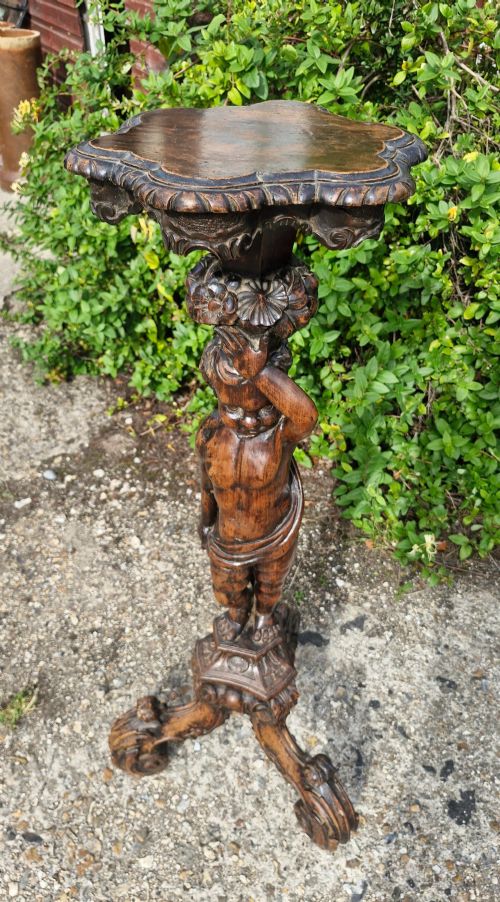
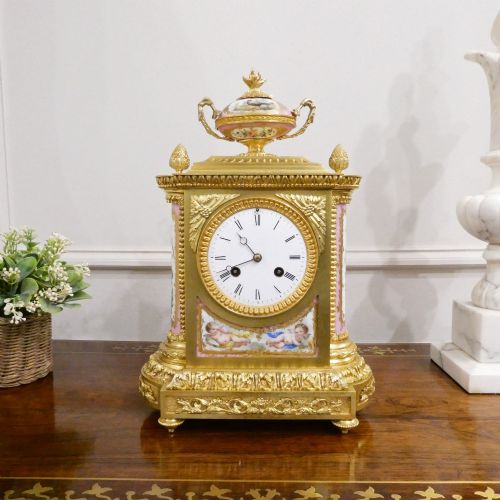
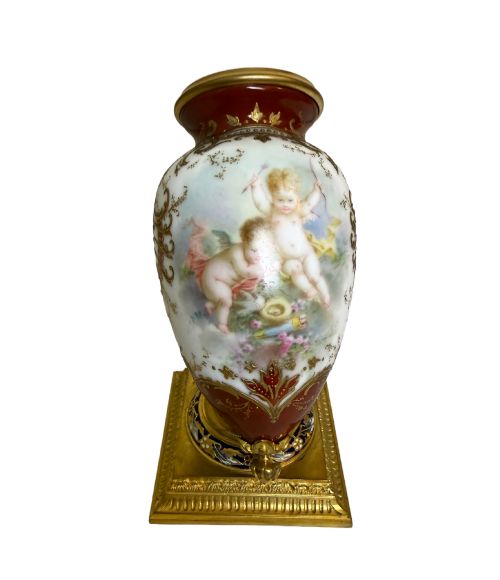
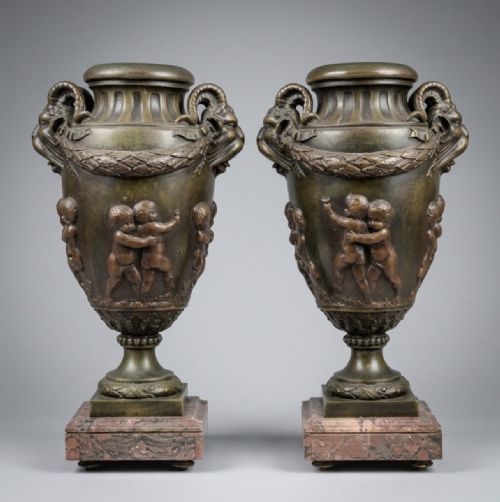
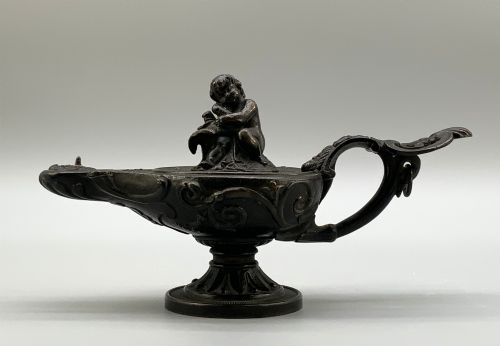
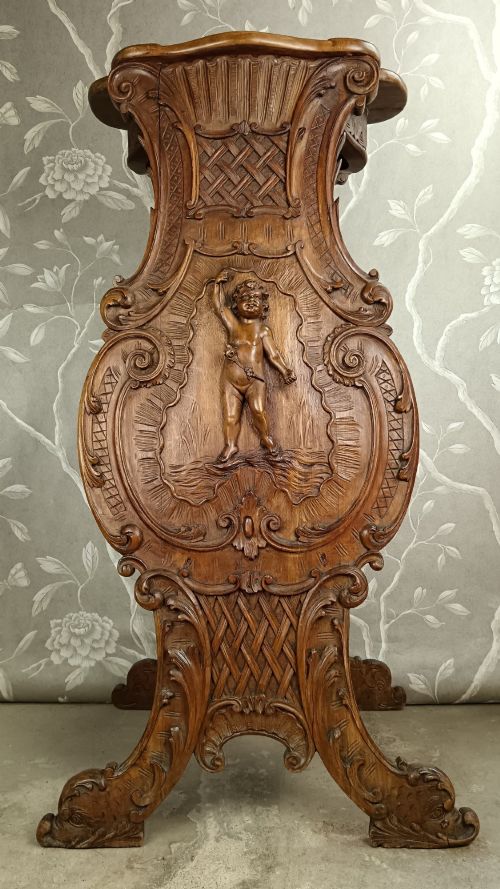
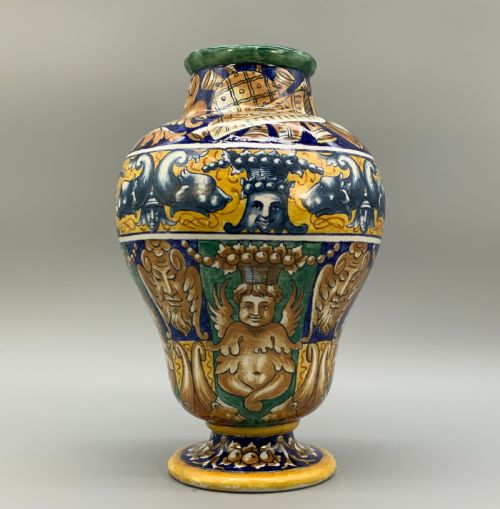
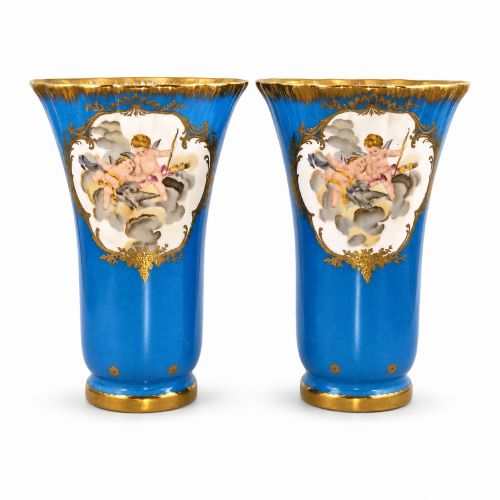
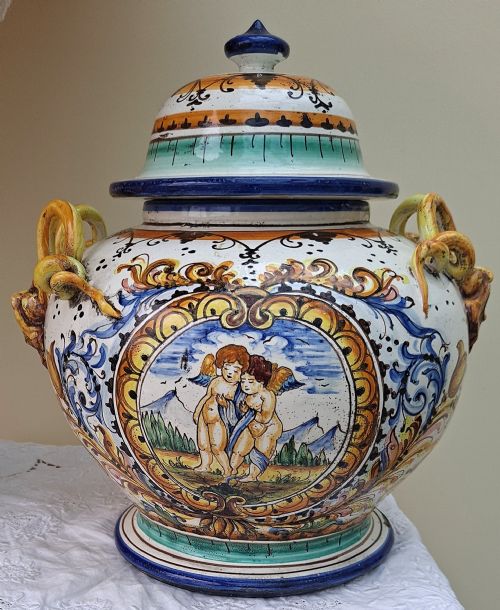
When buyers search for antique cherub urns, they encounter decorative vessels, mantel clocks, and lamps that incorporate winged figures into classical vessel designs. These pieces span the eighteenth century through the early twentieth century, drawing on nineteenth-century revivals of Rococo, Neoclassical, and Renaissance styles.
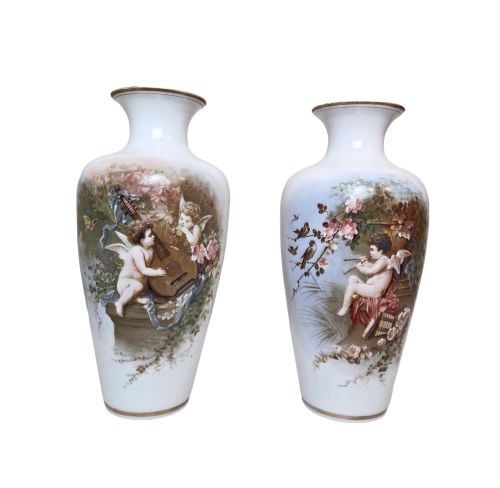
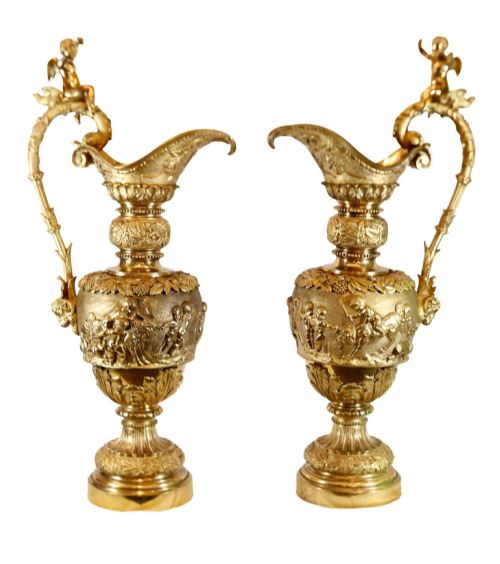
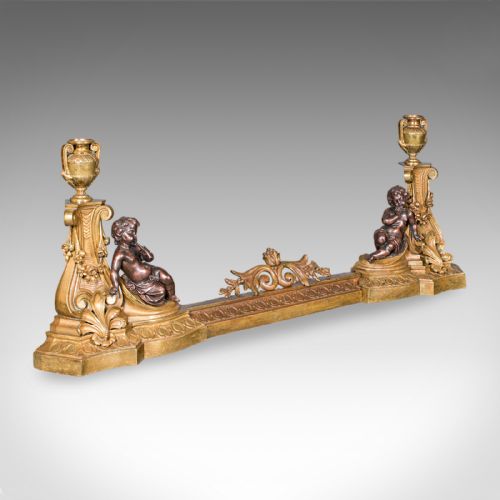
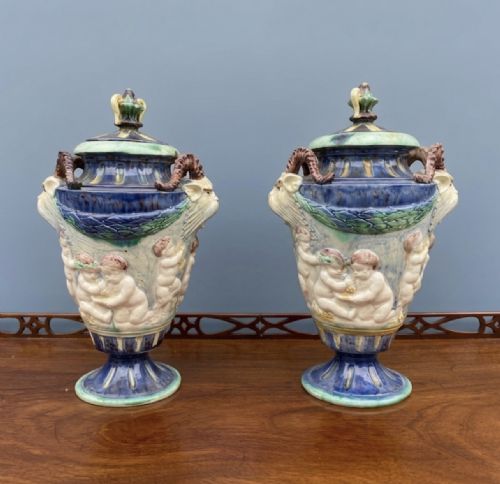
The objects take the form of porcelain vases, majolica covered urns, ormolu mounted planters, and bronze pitchers. Continental European workshops produced many of these decorative works, particularly in France, Italy, and Germany, utilising established porcelain and metalworking traditions.
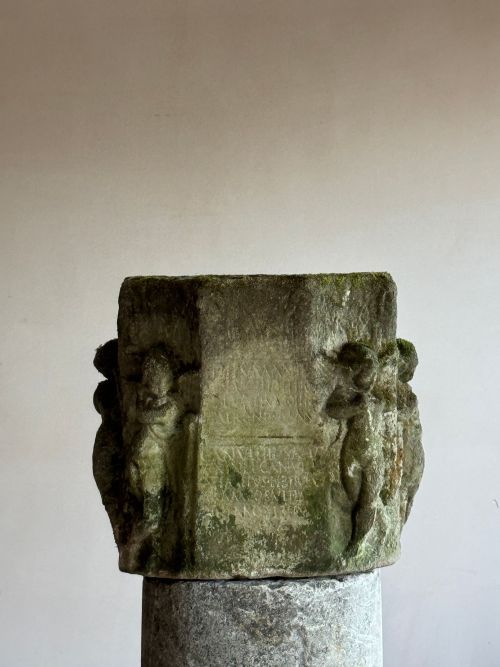
Buyers are most likely to find nineteenth-century porcelain and gilt bronze combinations, alongside cast metal or earthenware vessels featuring figural handles or mounts. These items function primarily as decorative mantel garnitures, table lamps, and architectural focal points.
How they were made
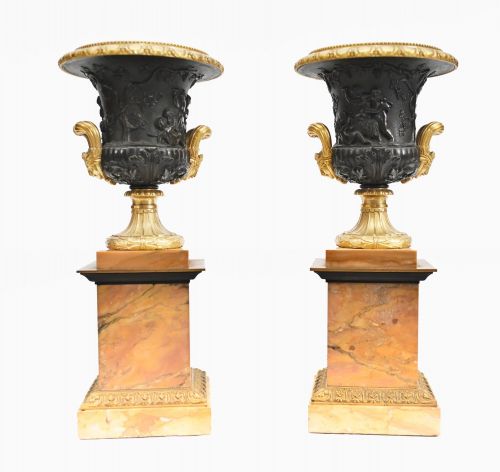
Artisans combined porcelain, glass, and earthenware with cast metals such as bronze, ormolu, and spelter. Porcelain bodies were hand-painted, glazed, or decorated with pate-sur-pate techniques, then mounted in gilded or patinated metal frames.
Metal components involved detailed casting, chasing, and mercury gilding or electroplating. Artisans fixed these mounts securely to ceramic bodies or marble bases using threaded rods and screws.
Cherubs occasionally moonlight as timekeepers, clutching clock faces or steadying candelabra branches with innocent determination.
What varies in quality
The weight and selection of base materials differentiate tiers of production. Heavy ormolu mounts, genuine marble plinths, and translucent porcelain bodies signal higher workshop standards than light spelter alloys and painted earthenware.
Jean-Baptiste Delettrez·Bernhard Bloch
The Antique Cherub Urns Glossary
- Ormolu
- Gilded bronze, usually produced by applying a mercury and gold amalgam to cast bronze before heating. This technique creates a durable golden finish seen on nineteenth-century decorative mounts.
- Majolica
- Opaque tin-glazed earthenware decorated with colourful metallic oxides. Italian and continental potteries utilised this technique for decorative vases and urns.
- Spelter
- An alloy of zinc and lead, sometimes mixed with copper, used as a less costly alternative to bronze. Manufacturers frequently bronzed or painted this metal to imitate heavier patinated bronze.
- Pate-sur-pate
- A ceramic decoration method where liquid white clay is painted in successive layers onto a coloured clay body. This builds up a low relief design before firing.
- Bleu Céleste
- A brilliant turquoise blue glaze developed at the Sèvres porcelain factory in France. Collectors frequently encounter this striking colour on nineteenth-century French porcelain and revival pieces.
Antique Cherub Urns: Frequently Asked Questions
What materials make up these urns?
These decorative objects combine ceramic bodies such as porcelain, majolica, and earthenware with metal components including gilt bronze, ormolu, and bronzed spelter. Many pieces incorporate marble plinths and enamel details.
Craftsmen joined these diverse elements using traditional mechanical fastenings, mounting delicate porcelain vessels within sturdy metal frames.
How do I date these pieces?
Dating relies on stylistic revival periods, material composition, and maker marks or workshop signatures. Most available examples date from the nineteenth century, reflecting Louis XVI, Neoclassical, and Rococo revival movements.
Examining the casting quality of the metal mounts and the style of the hand-painted decoration helps narrow down the production era.
Were these urns used outdoors?
Most items designed with cherubs serve as interior decorative art, table lamps, mantel clock garnitures, or indoor planters. Heavier cast stone, lead, and cast iron variants appear in gardens.
Porcelain and ormolu pieces require indoor placement to protect delicate gilding and glazed ceramic surfaces from weather damage.
How do I care for gilt bronze?
Gilt bronze and ormolu require gentle dusting with a soft, dry brush to prevent accumulation in recessed chasing. Avoid liquid cleaners, chemical polishes, and abrasive cloths that strip the gold layer.
Handling pieces by their solid structural parts rather than fragile protruding cherub limbs prevents accidental breakage.