




Antique Porcelain Pot Pourri
These antique porcelain pot pourri vessels fill a room with scent through pierced covers, combining decorative artistry with domestic fragrance.
Antique Porcelain Pot Pourri
When you search for antique porcelain pot pourri, you encounter lidded jars, vases and urns designed to hold dried botanical mixtures. The pieces on this page span the nineteenth century through the mid twentieth century, with a strong representation of English porcelain.
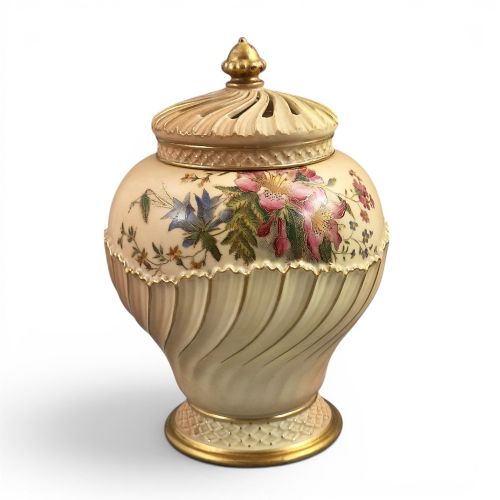
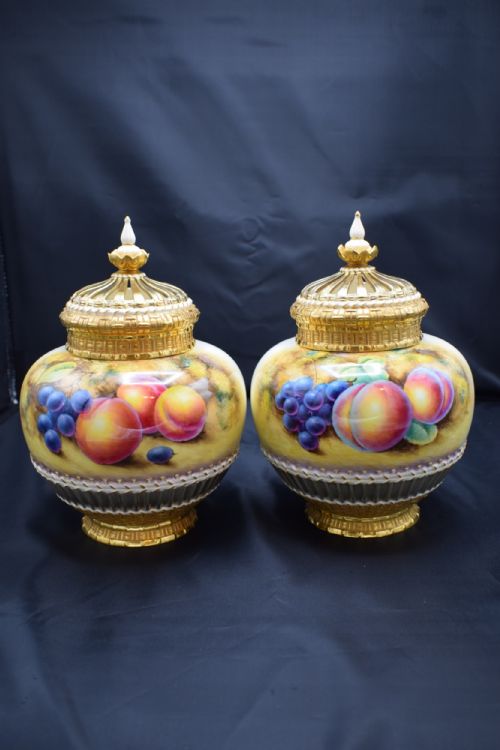
You meet numerous examples from Royal Worcester, alongside French and German pieces mounted in gilt bronze or ormolu. Forms range from blush ivory pedestal jars with crown covers to elaborate painted fruit vases and Imari patterned vessels.
Earlier nineteenth century specimens include works by Samuel Alcock, Bloor Derby, and Sevres. Twentieth century output maintains traditional forms while introducing new hand painted botanical and avian subjects.
Materials and construction methods
The foundation of every piece is hard or soft paste ceramic, shaped into ovoid jars, bowls, and urns with matching pierced covers. Manufacturers applied detailed enamel painting, often enhanced with gold leaf, gilding, and gilt accents.
Many European and English forms incorporate cast metal mounts, utilising gilt bronze and ormolu to frame the porcelain bodies. Pierced covers feature intricate lattice or crown designs that allowed fragrant oils and dried petals to permeate the space.
Materials span plain ceramic and porcelain combined with gold leaf, enamel, gilt bronze, and ormolu mounts.
Judging execution and artistry
Quality rests upon the crispness of the porcelain moulding and the delicacy of the pierced cover work. Superior vessels display intricate hand painted details, such as fruit, swans, or floral panels executed by named artists.
The integration of metal mounts, including fire gilt bronze and ormolu, separates standard production from exceptional decorative pieces. Weight, balance, and the precision of the fit between cover and jar indicate the care taken during manufacture.
Royal Worcester·Samuel Alcock·Bloor Derby·Dresden·Sevres
The Antique Porcelain Pot Pourri Glossary
- Ormolu
- Finely chopped or powdered gold applied in a mercury amalgam to bronze mounts. It provides a bright golden finish on French and continental porcelain bases and covers.
- Imari
- A style of ceramic decoration originating in Japan and copied by European factories like Masons. It relies on a distinct palette of underglaze blue, iron red, and gold.
- Crown cover
- A pierced, multi tiered lid resembling a coronet. This shape permits the escape of fragrance while keeping the dried botanical contents contained within the jar.
Antique Porcelain Pot Pourri: Frequently Asked Questions
What is an antique porcelain pot pourri?
It is a lidded ceramic vessel designed to hold dried plant material and aromatic spices. The pierced cover allows scent to diffuse into the room.
These pieces function as both ornamental objects and historical room deodorisers. They range from simple blush ivory jars to elaborate ormolu mounted urns.
How do I use a pot pourri vase?
Place dried rose petals, lavender, and spices inside the ceramic body and secure the pierced cover. The vessel sits safely on mantelpieces or tables.
Over time, you can refresh the contents with scented oils. The porcelain body protects the botanicals while containing any dust or debris.
How do I date a porcelain pot pourri?
Examine the base for factory marks, cyphers, and registration numbers. Style indicators such as Rococo Revival moulding or Edwardian blush ivory finishes also point to specific decades.
Comparing the painting technique and the presence of metal mounts helps narrow down the period of manufacture. Nineteenth century pieces often display heavier ormolu framing compared to later twentieth century items.
Are the covers original to the vases?
Most surviving pieces retain their matching pierced lids, particularly crown covers designed specifically for the jar aperture. A proper fit ensures the design flows continuously from body to top.
Checking the interior rim and glaze continuity helps confirm the cover belongs to the base. Original pairings maintain the artistic integrity of the piece.