


Antique Porcelain Lamp Base
An antique porcelain lamp base brings warmth and character to a room, repurposing historic vessels into functional lighting.
Antique Porcelain Lamp Base
An antique porcelain lamp base transforms historic vessels, jars, and figures into functional illumination for modern interiors. These pieces draw from diverse periods including the eighteenth and nineteenth centuries, alongside Victorian, Edwardian, and twentieth-century eras.
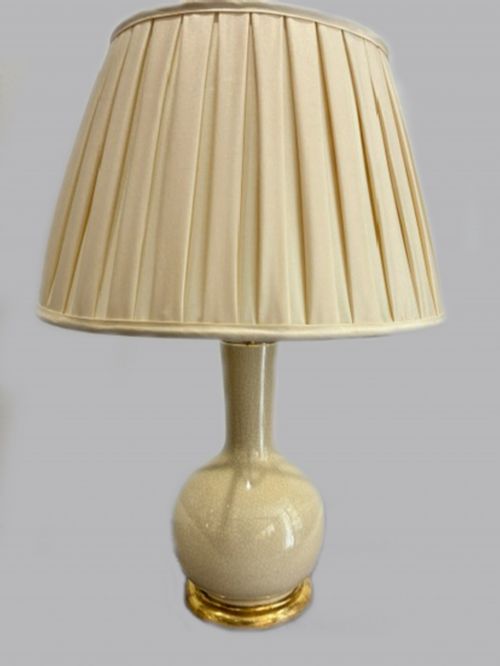
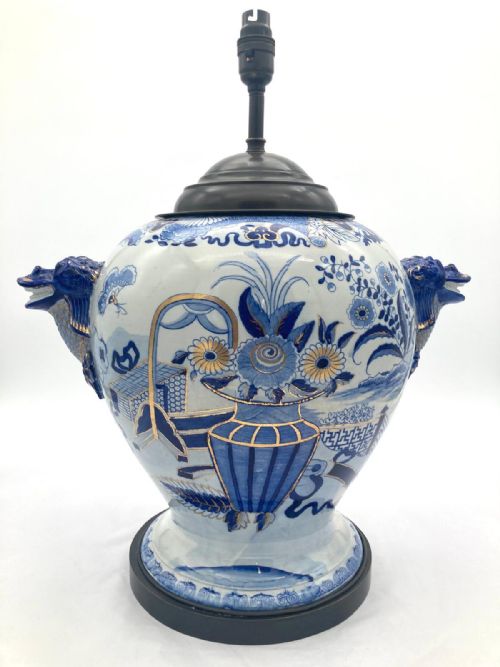
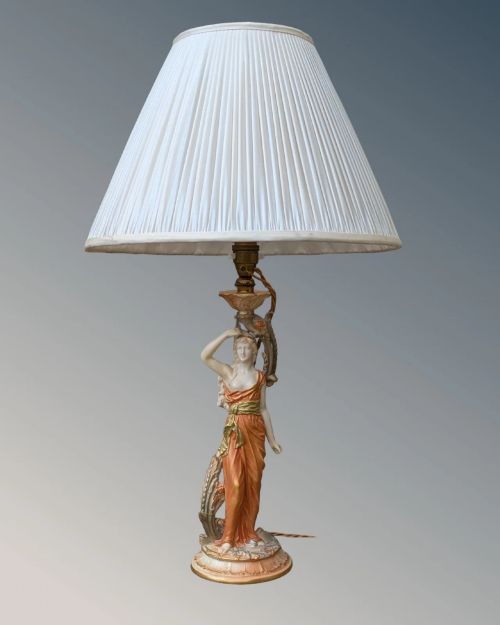
Buyers frequently encounter Chinese porcelain vessels adapted into table lamps, often featuring blue and white decoration, celadon glazes, or famille rose palettes. Alongside these Asian exports, European factories produced figural and decorative lamp bases in styles ranging from Regency to Louis XVI Neoclassical.
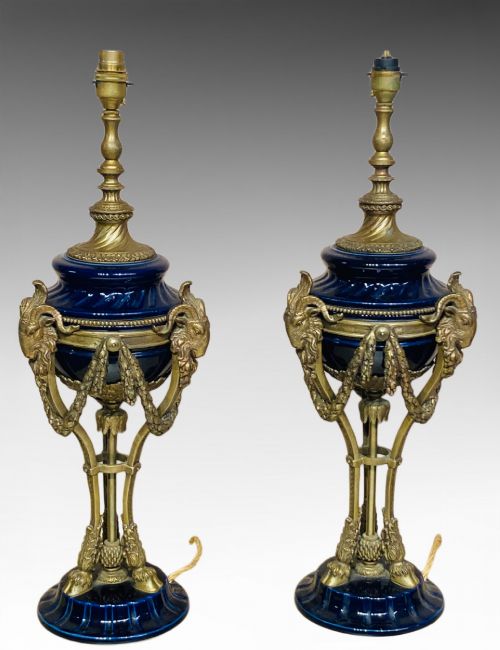
Conversion from oil lamps, ginger jars, and decorative vases into electric table lamps forms the predominant origin of these items. Many retain mounts in brass, gilt bronze, or ormolu that were added during their conversion or initial manufacture.
Distinctions in quality
Quality differentiates through the fineness of the porcelain body, the intricacy of hand-painted decoration, and the crispness of moulded details. Superior examples display carefully controlled glazes, balanced proportions, and well-executed metal mounts.
The integration of the conversion process matters significantly, as skilled adaptation preserves the structural integrity of the original ceramic vessel while providing secure wiring and stable mounting.
Listings feature porcelain, earthenware, and ironstone materials paired with brass, gilt bronze, and silk across multiple centuries.
Hicks and Meigh·Royal Worcester·Ernst Bohne and Sohn·Sitzendorf
The Antique Porcelain Lamp Base Glossary
- Celadon
- A pale green jade-like glaze originating in East Asia and frequently seen on nineteenth-century ceramic vessels adapted for lighting.
- Ormolu
- Gilded bronze mounts applied to furniture and ceramic bases, common in French and English decorative pieces from the eighteenth century onwards.
- Ginger jar
- A round storage jar with a wide mouth, originally used for spices and frequently converted into table lamps during the nineteenth and twentieth centuries.
- Famille rose
- A palette of opaque enamels dominated by pink, introduced in Chinese ceramics during the Qing dynasty and widely imitated in Europe.
Antique Porcelain Lamp Base: Frequently Asked Questions
How do I choose the right shade?
Selecting a shade depends on the proportions of the ceramic body and the height of any existing metal mounts. Matching the scale ensures the lamp reads as a unified decorative object.
Silk and fabric shades often echo the period aesthetic of the base while diffusing light evenly across the room.
Are these lamps safely wired?
Many historic lamps have undergone conversion at various points in their history, meaning electrical components vary widely. Professional rewiring is recommended for older pieces to meet modern safety standards.
Retaining the original ceramic body while updating internal wiring preserves both utility and historical charm.
How should I clean porcelain bases?
Dusting gently with a soft, dry cloth prevents the buildup of particulate matter on glazed surfaces. Avoid harsh chemical cleaners that might damage hand-painted enamels or antique metal mounts.
Careful maintenance protects the delicate glazes and gilding found on nineteenth-century and earlier ceramics.
How are periods identified?
Dating relies on stylistic clues, glaze characteristics, factory marks, and the nature of any metal mounts. Eighteenth-century forms differ markedly from Victorian or Edwardian interpretations.
Comparing potting techniques and decorative motifs helps establish the likely origin and era of manufacture.