

Antique Polychrome Sculpture
These antique polychrome sculpture pieces span centuries of painted timber, glazed porcelain and cold-painted bronze.
Antique Polychrome Sculpture
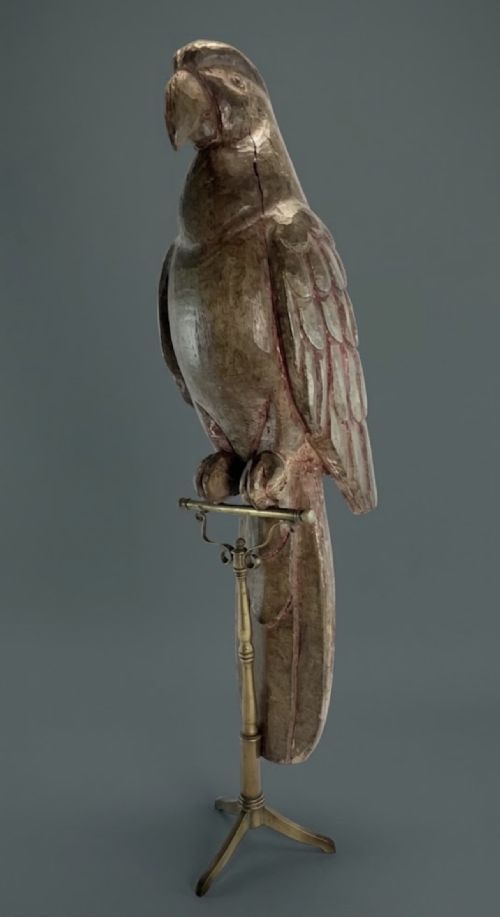
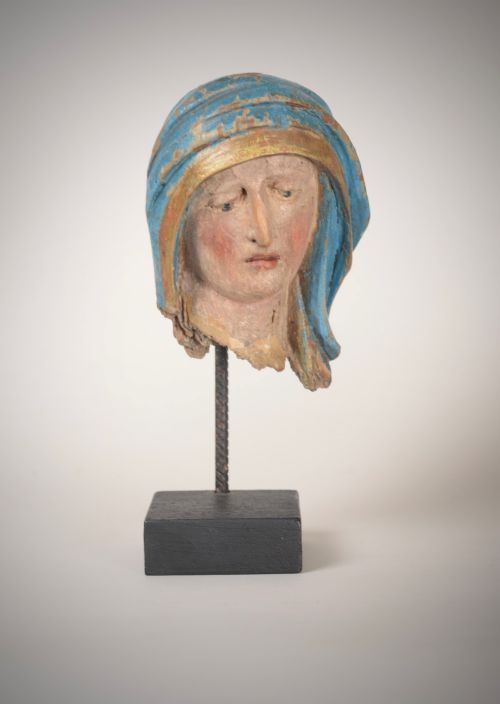
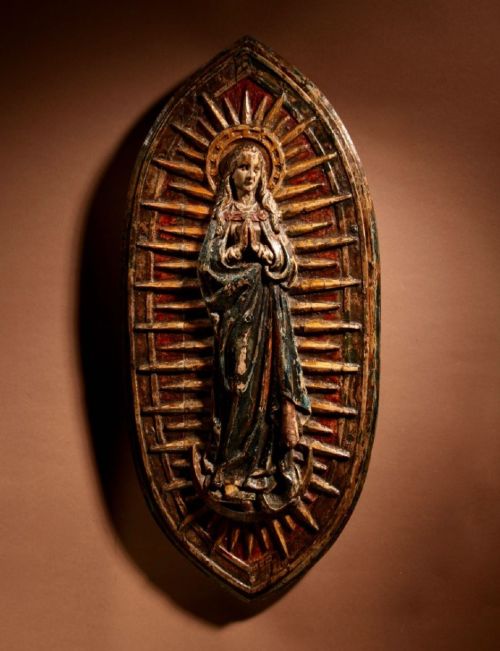
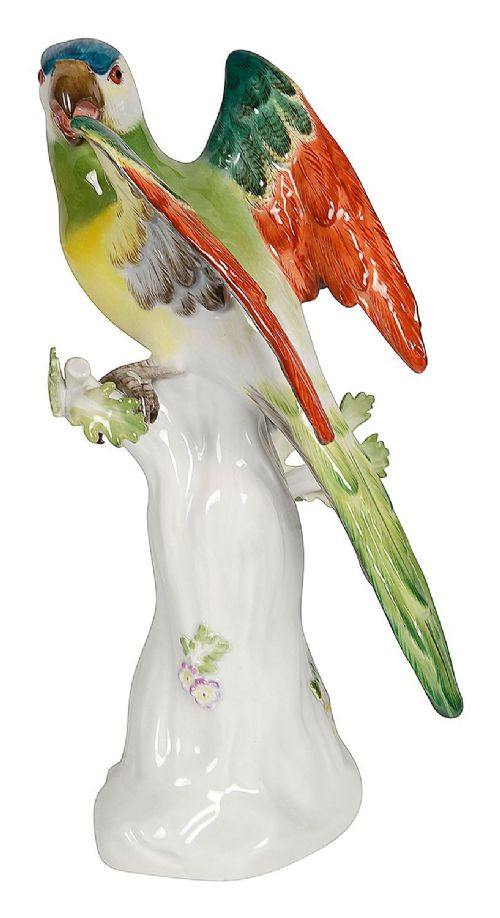
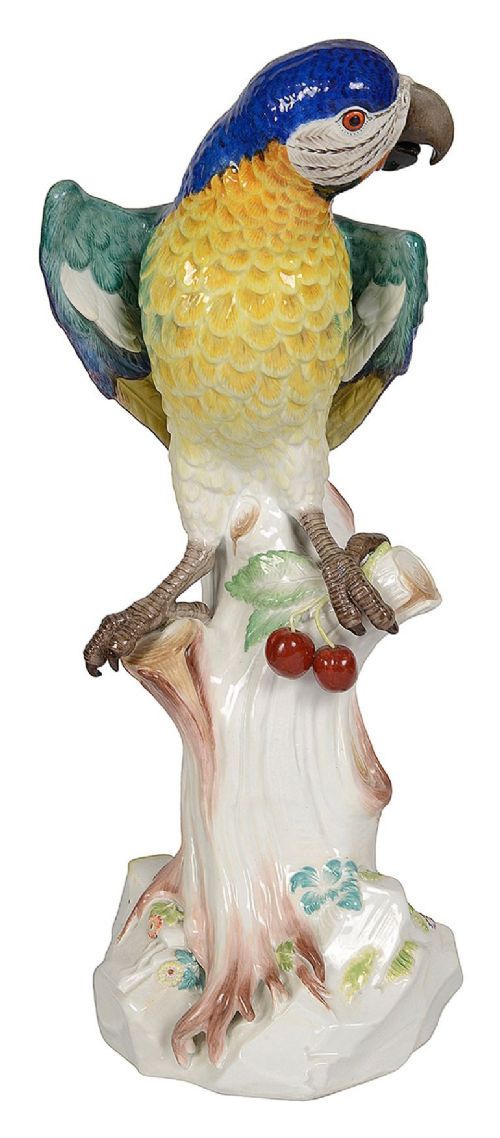
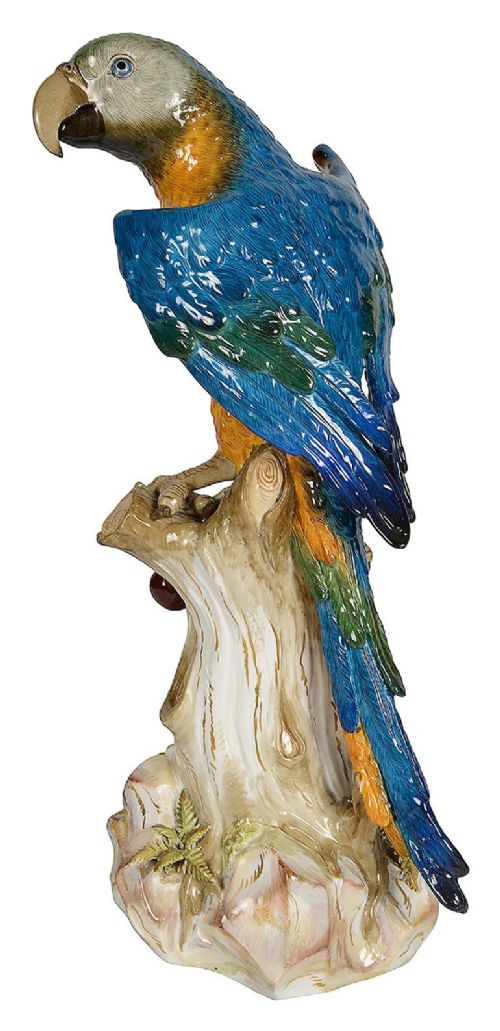
When you search for antique polychrome sculpture, you encounter a diverse gathering of painted and glazed figures spanning multiple continents and centuries. The selection ranges from devotional sixteenth-century saints carved in oak and walnut to nineteenth-century Meissen porcelain parrots and cold-painted bronze orientalist figures.
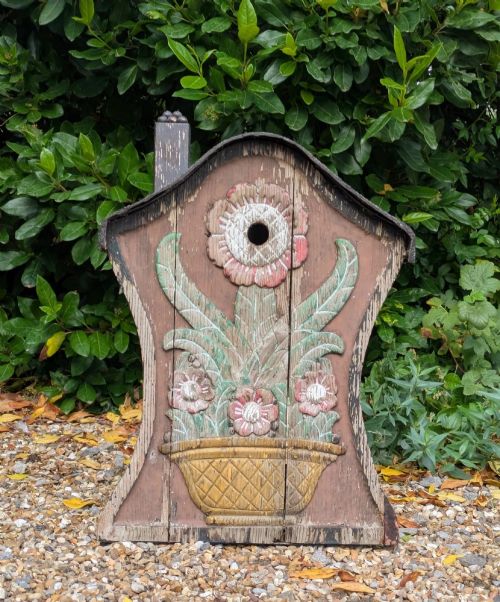
The most frequent versions encountered here include continental wooden religious fragments, nineteenth-century porcelain animal figures, and early twentieth-century cold-painted bronze works. European folk art and Asian carved deities also appear regularly among the listed items.
How they were made
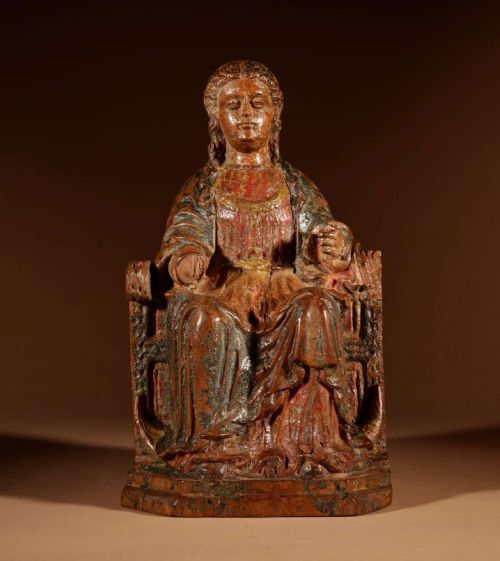
The makers of these objects relied primarily on carved timber, porcelain bodies, and cast bronze, applying pigment, gesso, gold leaf, and enamel directly to the surfaces. Wooden figures like the medieval altarpiece panels utilised walnut, oak, olive wood, and limewood, often finished with layered paint and giltwood.
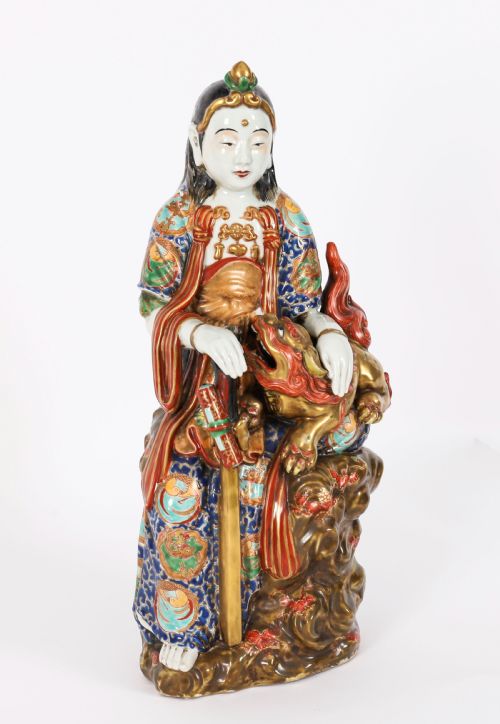
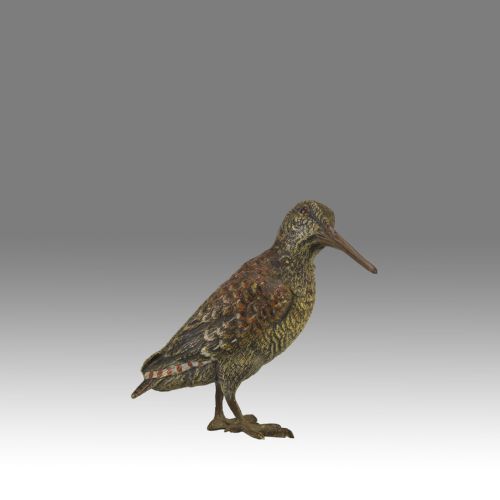
Porcelain examples from Meissen and Staffordshire required high-temperature firing followed by meticulous hand-painting and enamel decoration. Bronze pieces utilised the cold-painted technique, where vibrant oil paints were applied to the cast metal surface without a final kiln firing.
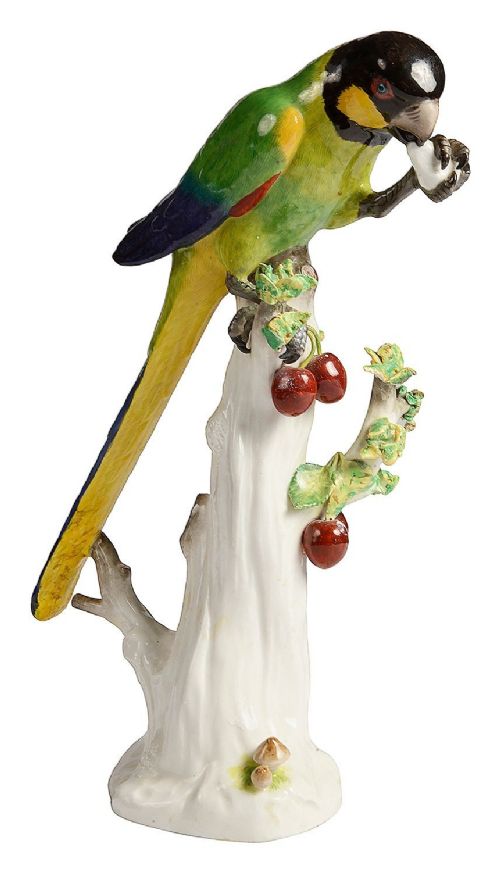
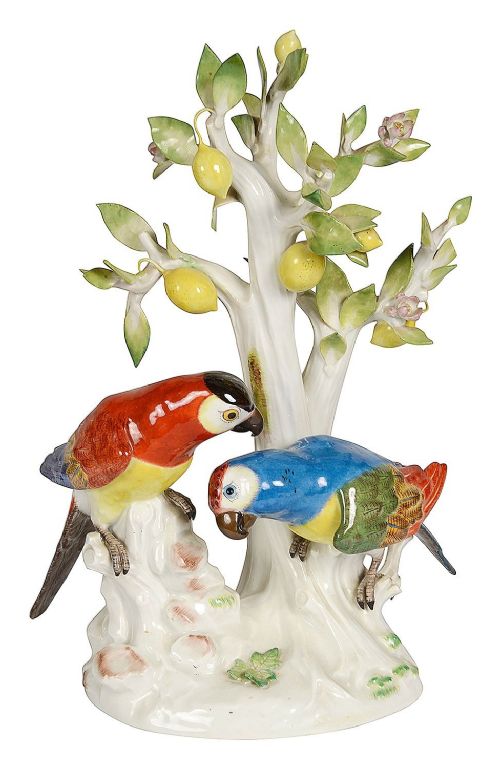
A porcelain parrot perched on a lemon tree watches over a collection dominated by saints and scholars.
What varies in quality
The distinction between ordinary and exceptional pieces rests primarily on the crispness of the initial carving and the precision of the hand-applied pigment. Finer works retain their original surface decoration with minimal later repainting, showing masterly control in the facial expressions and drapery folds.
The reputation of the workshop or foundry also dictates value, with documented manufactories like Meissen or identified artisans such as Franz Bergman commanding closer attention. Material integrity, such as the stability of the wood grain or the preservation of delicate enamel, separates standard items from museum-quality survivals.
Franz Bergman·Charles Vyse·John Bevington
The Antique Polychrome Sculpture Glossary
- Polychrome
- Decorated in multiple colours. This term describes sculpture and ceramics featuring painted or enamelled surfaces.
- Cold-painted
- Painted with cold paint, usually oil-based, after casting without being fired in a kiln. This technique is typical of early twentieth-century Vienna bronzes.
- Gesso
- A plaster mixture used as a smooth base for paint and gold leaf on carved wooden surfaces. It prepares the timber before the application of polychrome pigment.
- Giltwood
- Wood that has been thinly coated with gold leaf or gold paint. It frequently accents carved altarpieces and religious figures.
- Marcolini Period
- An era in Meissen porcelain production lasting from the late eighteenth century. Pieces from this time bear distinct factory marks.
Antique Polychrome Sculpture: Frequently Asked Questions
What is polychrome sculpture?
Polychrome sculpture refers to three-dimensional carved or cast art decorated in multiple colours. This surface treatment appears across various materials including wood, terracotta, porcelain, and metal.
Artisans historically applied paint, enamel, or gilt to enhance realism and devotional impact. Examples range from medieval religious panels to twentieth-century animal figures.
How do I care for wooden polychrome pieces?
Wooden polychrome figures require stable indoor humidity and protection from direct sunlight to prevent paint flaking. Avoid using liquid cleaners or abrasive cloths on the fragile painted surfaces.
Dusting gently with a soft, dry brush preserves the original gesso and pigment layers. Maintaining consistent room temperature prevents the underlying timber from expanding and contracting.
What is cold-painted bronze?
Cold-painted bronze is metal sculpture decorated with non-firing paints applied after casting. This method flourished in Vienna workshops during the late nineteenth and early twentieth centuries.
The technique allowed for rich, detailed coloration on small decorative figures. Collectors look for pieces where the original paint remains largely intact.
How can I tell the age of a carved wooden figure?
Age is determined by tool marks, wood shrinkage patterns, and the composition of underlying gesso layers. Examining the style of the carving and the nature of the pigment helps contextualise the period.
Earlier pieces often display hand-adzed timber and traditional religious iconography. Comparative analysis with dated museum examples provides further confirmation of origin.