

Antique Polychrome Panels
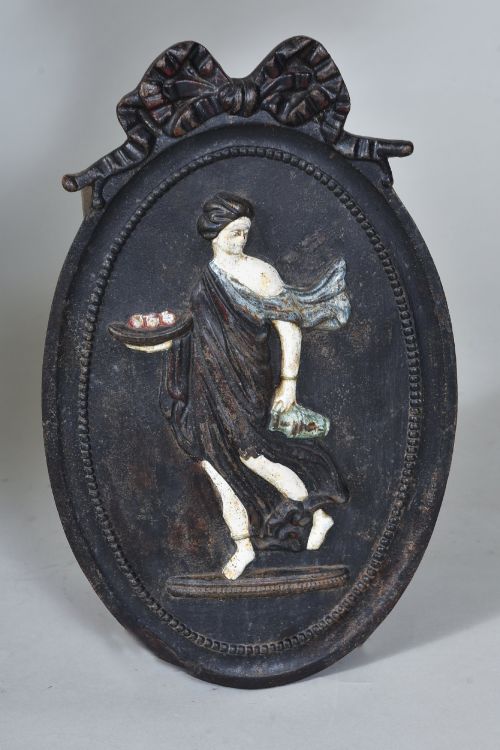
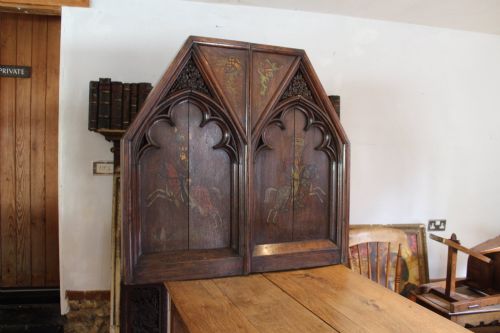
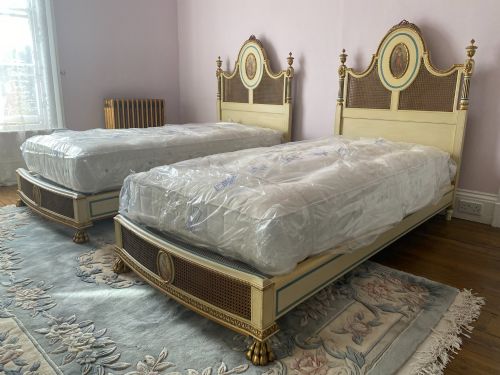
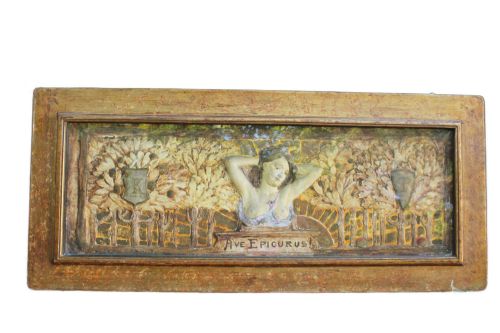
These antique polychrome panels bring rich colour and historic hand-carved detail to interior walls.
Antique Polychrome Panels
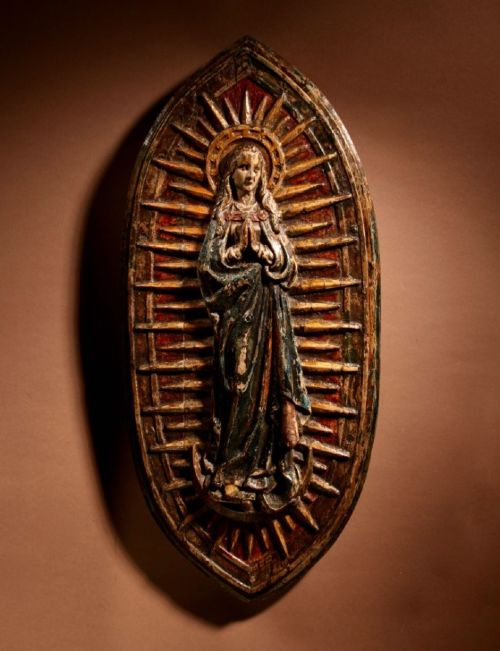
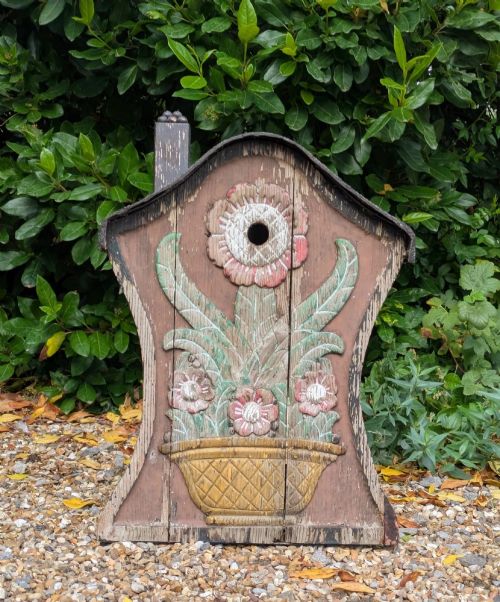
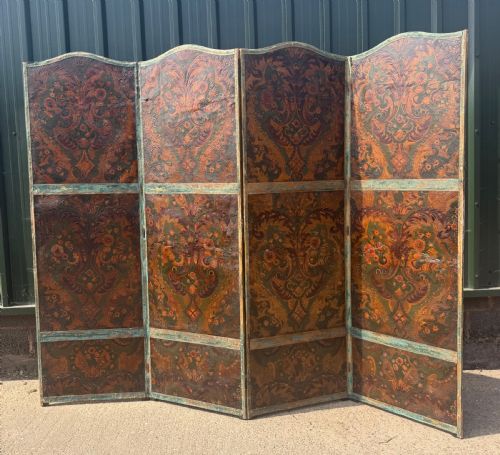
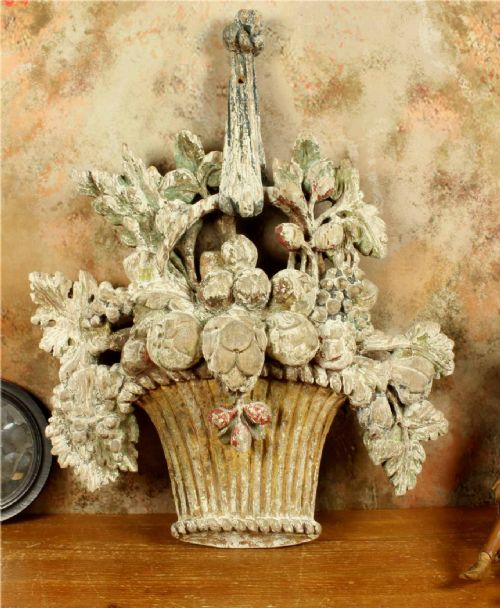
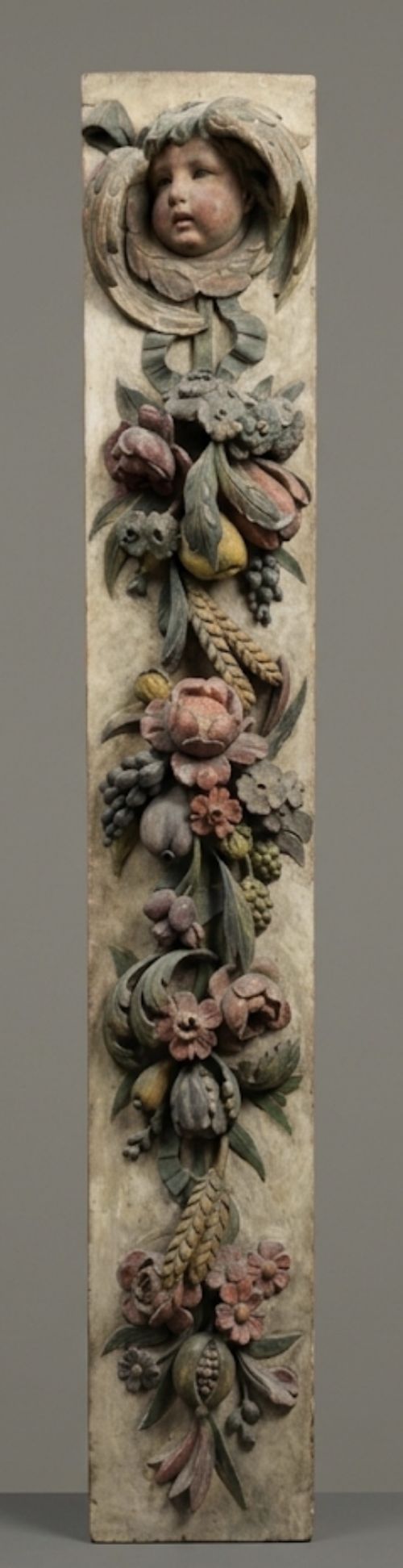
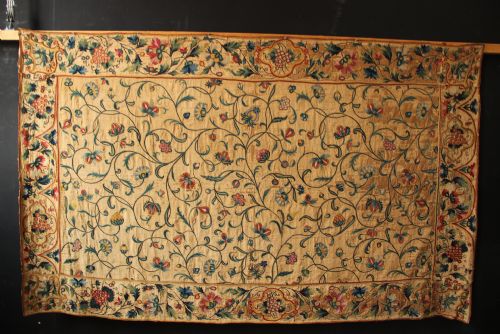
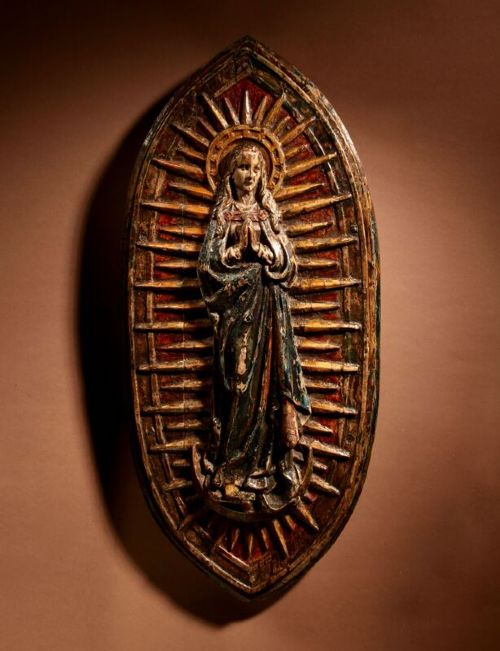
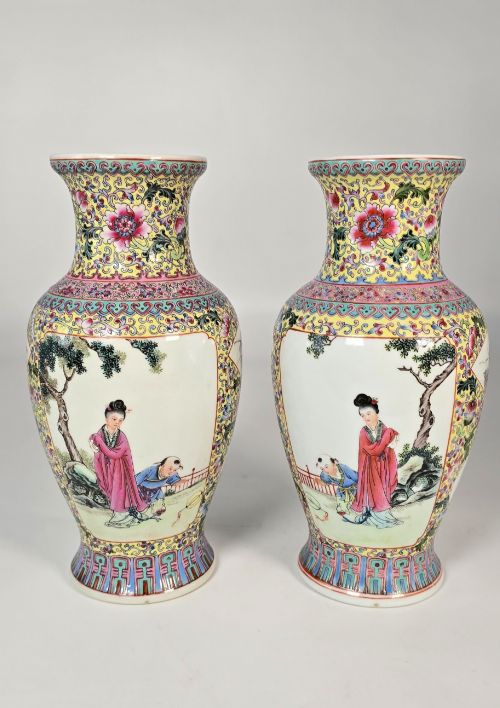
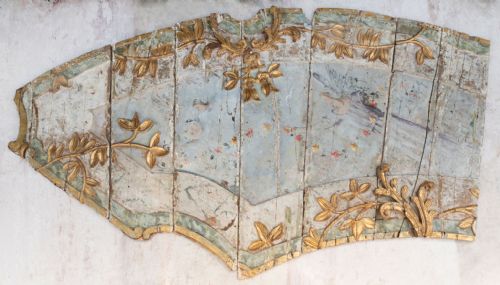
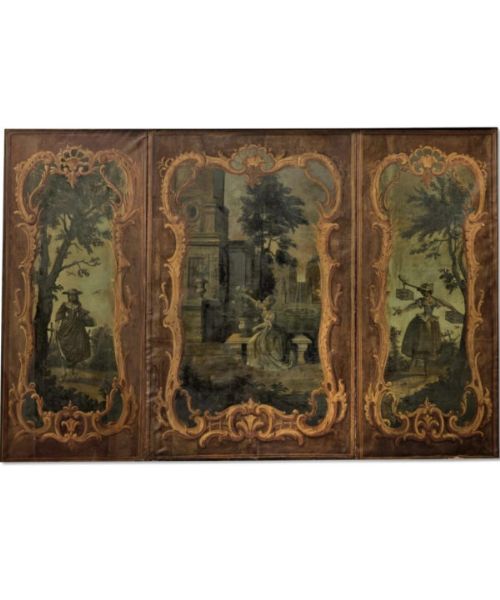
Antique polychrome panels encompass flat or relief works of art featuring multi-coloured paint, gesso, or enamel decoration applied across centuries of craftsmanship. Collectors searching for antique polychrome panels encounter diverse iterations, ranging from 16th-century ecclesiastical carvings and 18th-century leather screens to 19th-century fairground ride decorations.
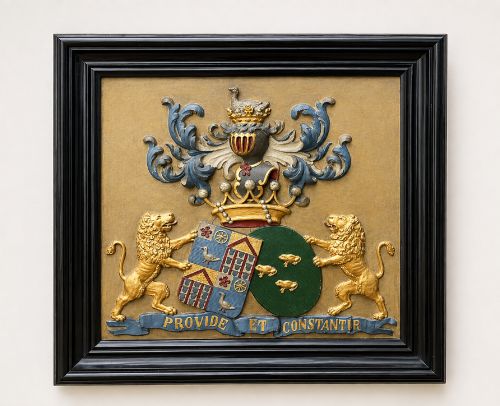
The objects span multiple cultural origins and material traditions, including Chinese carved wood, Dutch heraldic plaques, and English or continental folk art. Architectural fragments from altarpieces, folding room dividers, and wall plaques make up the primary physical forms found within this category.
How they were made
Artisans typically carved woods such as oak or walnut before applying layers of gesso, paint, or gold leaf to build up textured relief surfaces. Enamel on metal and painted canvas or leather also feature prominently across the surviving examples.
Pigments were mixed by hand using traditional binders, resulting in durable finishes that survived centuries of environmental exposure in churches, homes, and public fairgrounds.
Antique Polychrome Panels Retail Price Guide 2026
Typical asking prices for polychrome panels among the pieces listed under this phrase on Sellingantiques today, from the lower quarter to the upper quarter. They describe what is for sale here now, not the wider market.
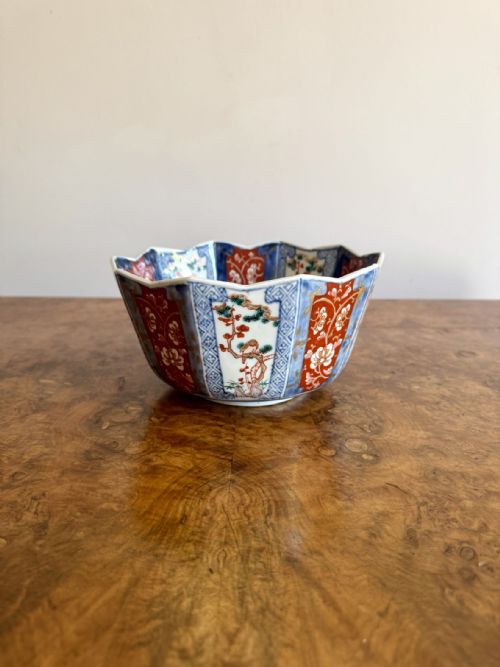
Materials across these listings include carved wood, porcelain, enamel, canvas, and leather enhanced with gold leaf and polychrome paint.
What varies in quality
The standard of execution in carving and brushwork largely determines the distinction between ordinary and exceptional pieces. Sculptural depth in the wood or gesso relief, alongside the preservation of original pigment layers rather than later overpainting, dictates the underlying merit of each item.
Philip Christian Liverpool·Samson
The Antique Polychrome Panels Glossary
- Polychrome
- Decorated in multiple colours. This term describes objects displaying a varied palette of applied pigments.
- Gesso
- A plaster mixture used as a smooth base for painting or gilding on wood. It provides a stable surface for detailed polychrome work.
- Heraldic
- Pertaining to coats of arms and genealogy. These panels display familial or institutional blazons.
- Relief
- Sculptural technique where figures project from a background plane. High relief creates strong shadows and deep dimensionality.
Antique Polychrome Panels: Frequently Asked Questions
Where were polychrome panels displayed originally?
Many early panels originated inside churches as parts of altarpieces, wall reliefs, or devotional screens. Later examples functioned as domestic wall art, heraldic displays, or decorative elements within country houses.
Fairground and carnival panels occupied a completely different world, mounted externally on carousel rides and entertainment booths to attract crowds with bright pigments.
How do I clean an antique painted panel?
Dusting gently with a dry, soft brush is the safest method for maintaining fragile painted and gilded surfaces. Avoid using water, liquid cleaners, or modern chemical solvents, as these can easily strip historic pigments.
Consult a professional conservator if the surface requires deeper intervention or if flaking paint occurs.
How can I tell the age of a carved wooden panel?
Examining the tool marks left behind by the woodcarver provides vital clues regarding manufacturing era and technique. Tool marks made by hand gouges and chisels differ significantly from later mechanical production methods.
Wood shrinkage, joint construction, and the ageing characteristics of underlying gesso layers also help establish chronological origin.
Are fairground panels considered fine art?
Fairground and carousel panels represent a distinct branch of folk art valued for bold colours and vernacular energy. They capture a vibrant period of popular entertainment history.
While differing in intent from ecclesiastical altarpieces, their surviving painted surfaces share equal historical significance.