




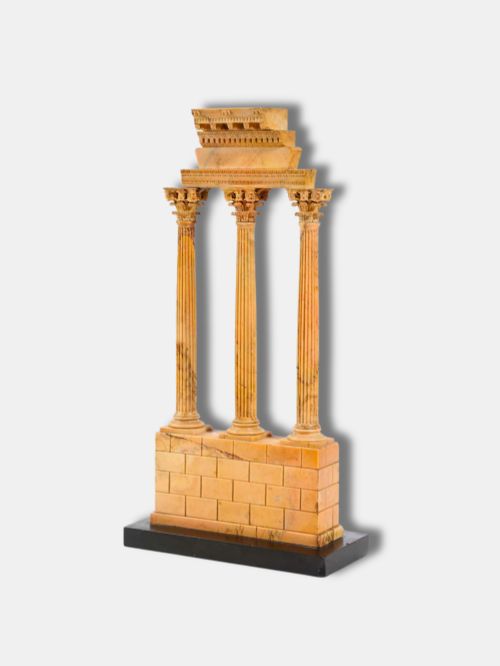
Antique Plinth
An antique plinth elevates a sculpture, bust or vase, providing structural support and architectural presence within a room.
Antique Plinth
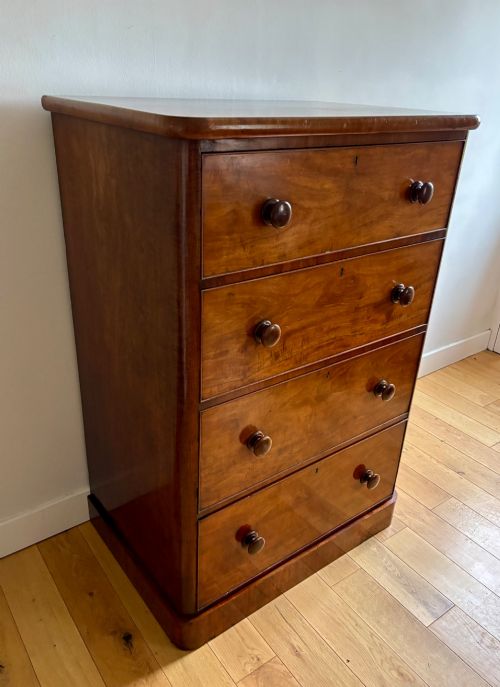
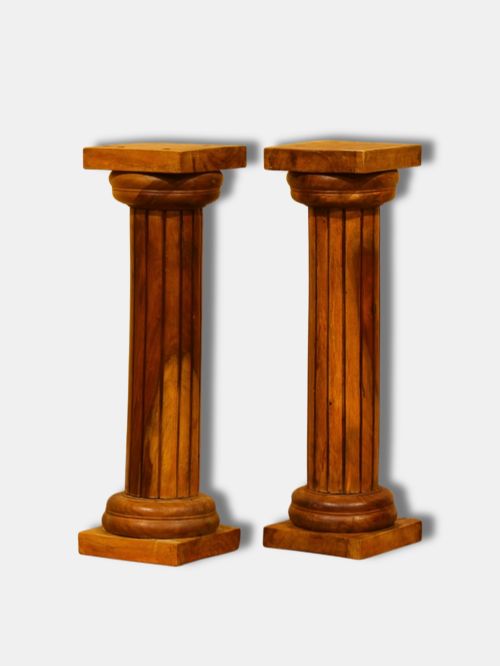
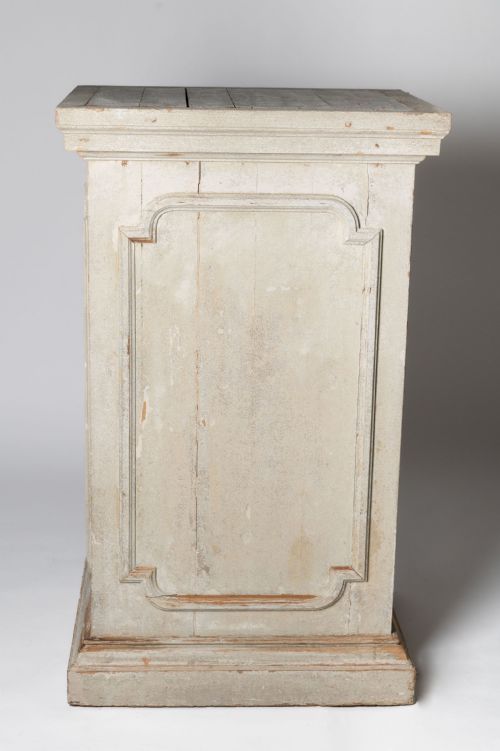
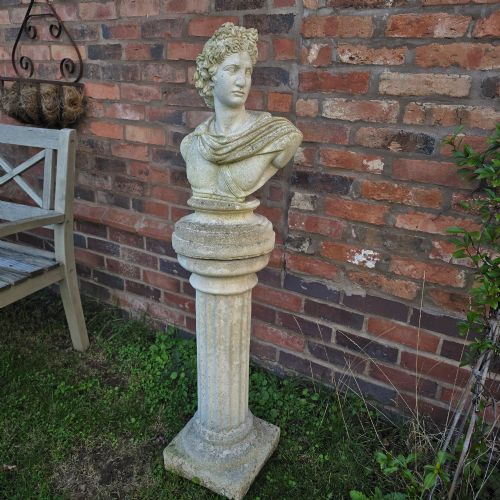
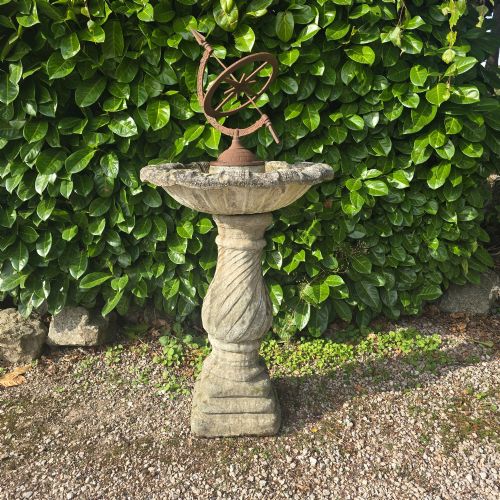
An antique plinth serves as a structural base or display stand for sculptural objects, urns and decorative arts. When you search for an antique plinth, you encounter variations ranging from single carved wooden columns to marble and onyx pedestals with metal collars.
The selections span the nineteenth century through the early twentieth century, incorporating Victorian, Regency, Edwardian and Art Deco periods. Forms include columnar display pedestals, figural supports and solid turned stands.
Materials vary from mahogany and pine to bronze, marble and onyx, reflecting the stylistic shifts of each era. These pieces function independently to display artwork or anchor interior spaces.
Materials and construction methods
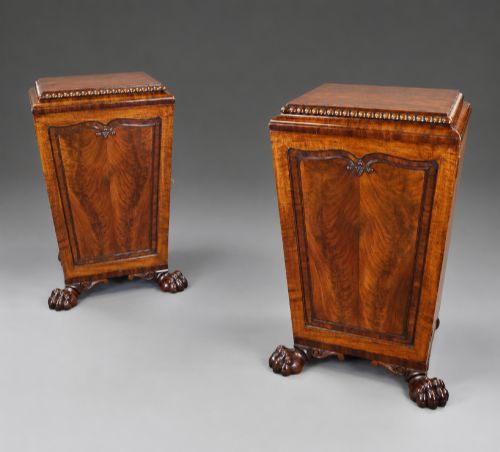
Wood constructions utilise mahogany, walnut, pine and oak, often shaped through turning, carving or veneering. Carpenters employed solid timbers alongside flame mahogany veneers to build robust columns and stands.
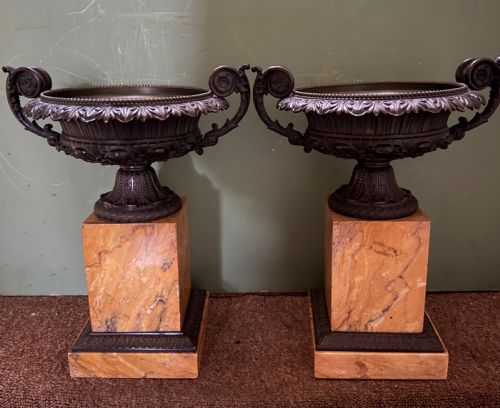
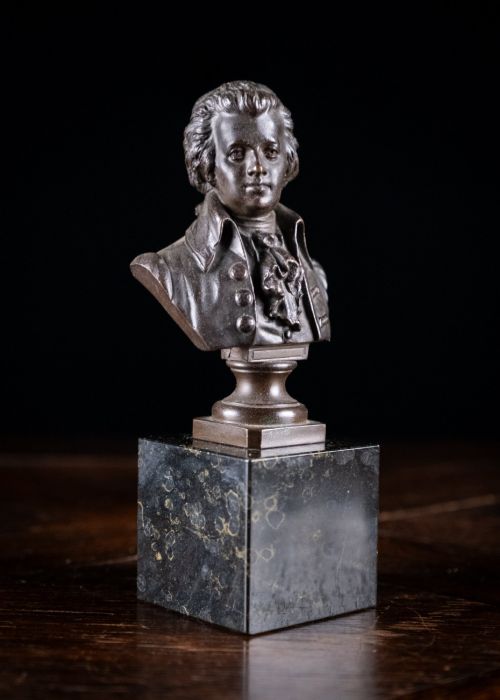
Stone and metal components incorporate marble, onyx, alabaster, bronze, brass and cast iron. Foundry casting produced bronze figures and iron urns, while stone columns relied on precise cutting and turning techniques.
Antique Plinth Retail Price Guide 2026
Typical asking prices for plinth among the pieces listed under this phrase on Sellingantiques today, from the lower quarter to the upper quarter. They describe what is for sale here now, not the wider market.
Listings for antique plinth options span the nineteenth and twentieth centuries, incorporating Victorian, Regency, Edwardian and Art Deco periods.
Distinguishing craftsmanship and material grade
Quality separates pieces through the selection of raw materials and the precision of the hand carving. Dense hardwoods like solid mahogany or figured walnut demonstrate superior durability compared to simpler pine structures.
The refinement of surface detail, such as cast ormolu collars on marble columns and intricate figural carving on wooden pedestals, defines the upper range of manufacture. Superior execution shows clean joinery and balanced proportions.
Eugen Bormel·Flight Barr And Barr·Valentino Besarel·Carron Foundry·Carl Kauba·Barbedienne
The Antique Plinth Glossary
- Plinth
- A heavy base supporting a statue, vase or column. It provides a stable footing and lifts the displayed object.
- Pedestal
- An upright architectural support or pillar used to elevate works of art. These take cylindrical, square or columnar forms.
- Ormolu
- Gilded bronze applied as a decorative mount or collar on furniture and stone columns. It originates from the French process of applying finely ground gold to bronze.
- Solomonic
- A helical or twisted column shaft resembling a spiral. This distinctive form appears in carved woodwork from earlier periods.
Antique Plinth: Frequently Asked Questions
What is an antique plinth used for?
An antique plinth supports and elevates sculptures, vases, busts and decorative objects within an interior space. It places artwork at eye level to draw visual focus.
These pieces also function as standalone architectural elements that anchor furniture arrangements and display areas in a room.
How do I choose the right height?
The correct height depends on the scale of the object placed on top and the proportions of the room. Taller columns suit larger hallways or spaces with high ceilings.
Lower stands work best for substantial bronzes or marble busts where a towering height would place the artwork out of comfortable view.
Where should I place a pedestal?
Pedestals suit corners, entrance halls, empty wall spaces or focal points within a reception room. They require a stable, level floor to support heavy stone and bronze pieces safely.
Keep them clear of heavy traffic routes to protect both the stand and the object displayed upon it.
How do I care for wooden stands?
Dust wooden plinths regularly with a dry cloth and avoid placing them in direct sunlight or near heat sources. Excessive temperature changes cause timber to warp and veneers to lift.
Apply suitable wax polish occasionally to nourish the grain of mahogany, walnut or pine surfaces.