




Antique Plaster Figurine
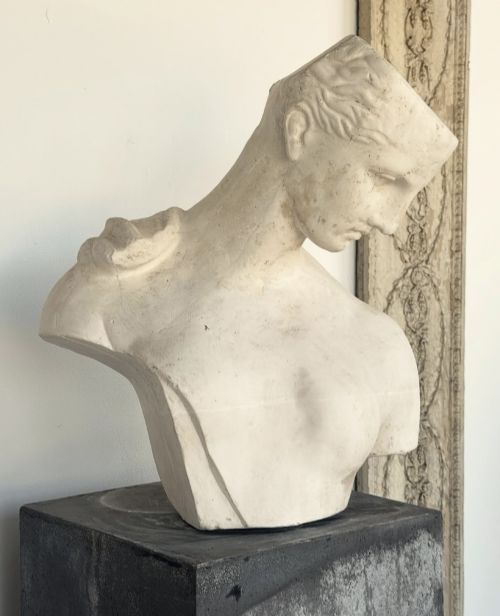
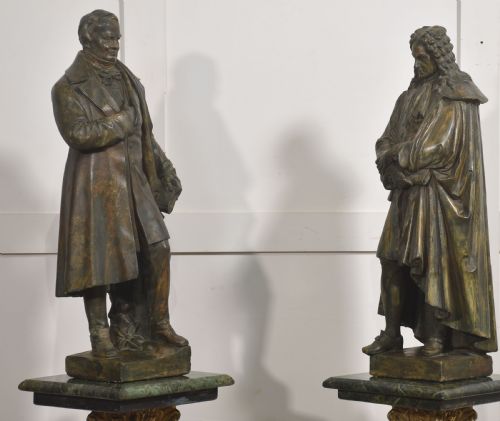
These antique plaster figurine examples bring sculptural presence to a room through modelled forms from the nineteenth and twentieth centuries.
Antique Plaster Figurine
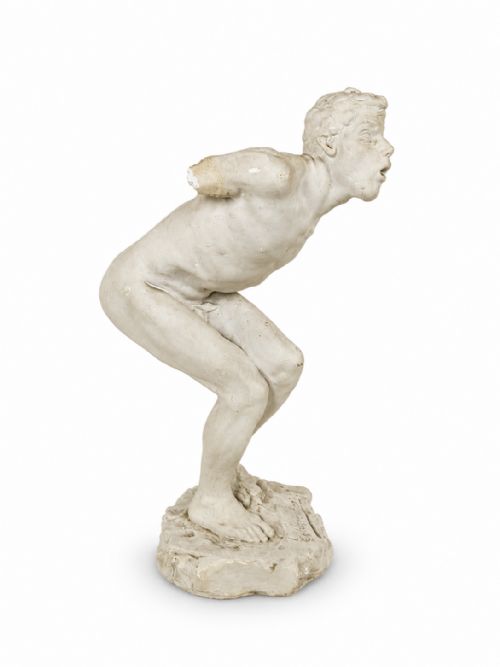
An antique plaster figurine encompasses various sculptural objects, decorative figures, busts, and display pieces created across different periods. When searching for an antique plaster figurine, collectors encounter everything from small classical studies and Victorian academic pieces to Art Deco statuettes.
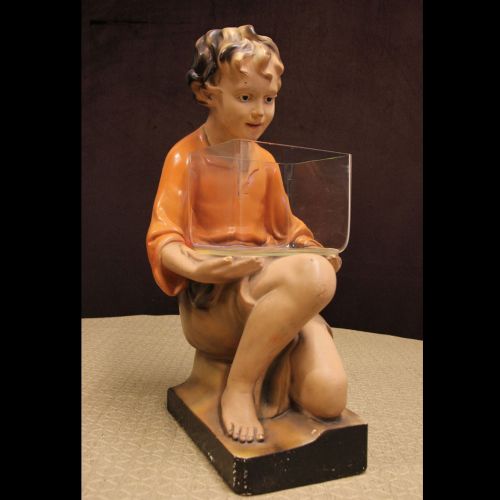
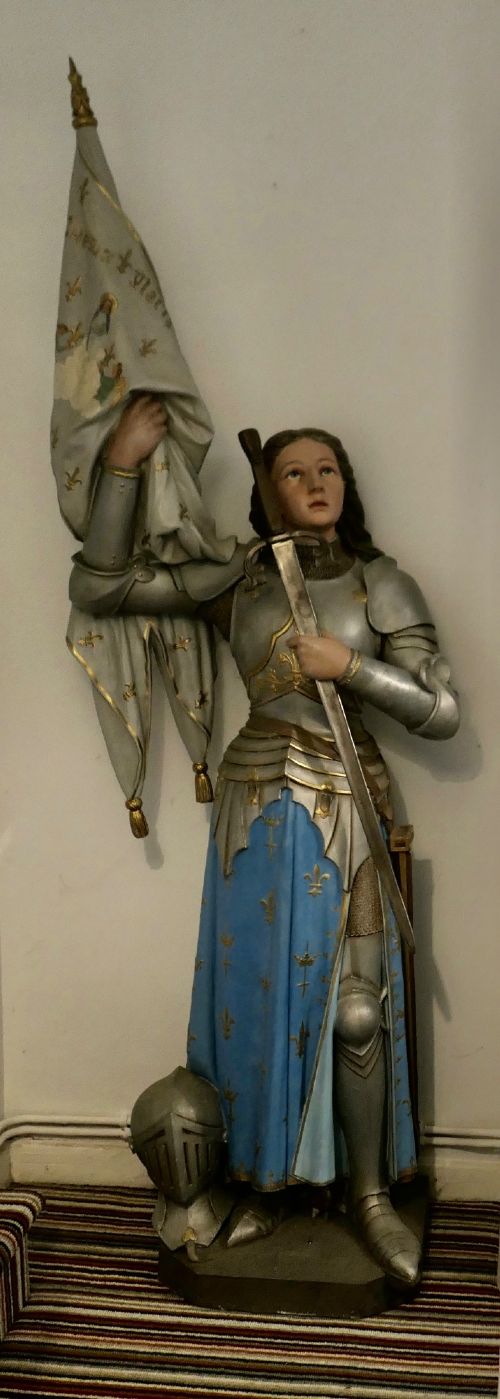
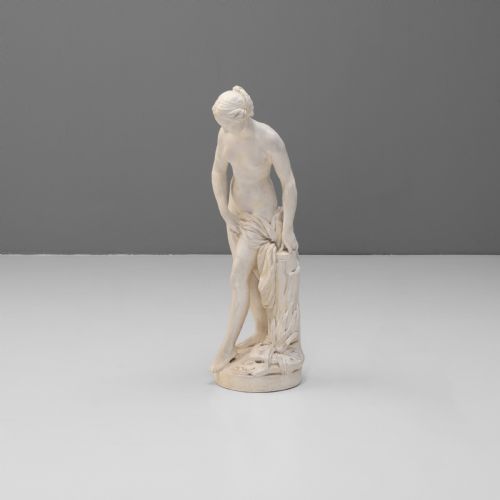
The objects on this page span the Victorian era, Edwardian period, and twentieth century, including French advertising mannequins, shop display figures, and animal doorstops. These works range from classical subjects such as Saint Joan of Arc and Una and the Lion to domestic animals and feminine studies.
Originating from British, French, and Austrian workshops, these figures demonstrate how makers utilised gypsum plaster, terracotta, and composite materials for decorative domestic and commercial use. Buyers often find pieces finished with polychrome paint, gilt, or patinated treatments that mimic bronze and stone.
Distinction in craftsmanship
The execution of the surface finish also separates standard examples from exceptional ones. Skilled hand-painting, subtle patination, and well-preserved polychrome or gilt layers add depth and visual complexity to the modelled form.
Antique Plaster Figurine Retail Price Guide 2026
Typical asking prices for plaster figurine among the pieces listed under this phrase on Sellingantiques today, from the lower quarter to the upper quarter. They describe what is for sale here now, not the wider market.
Among the figures are attentive butchery pigs and cocker Spaniel doorstops that once guarded English floors and shop counters.
Rouillard Angers·Dopmeier·Octave Galliard-Sansonetti·B. Rezl·Charmereine
The Antique Plaster Figurine Glossary
- Plaster
- A building and sculpting material composed of gypsum, water, and sometimes binding agents. It sets hard when dry and accepts various paints and patinas.
- Polychrome
- The practice of decorating architectural elements, sculptures, or pottery in a variety of colours. This finish appears frequently on decorative figures and advertising displays.
- Patination
- The ageing or artificial treatment applied to a surface to alter its colour and texture. Makers often patinated plaster to resemble bronze, stone, or terracotta.
- Bust
- A sculpted or cast representation of a person's upper chest, neck, and head. These studies focus on portraiture and psychological expression.
Antique Plaster Figurine: Frequently Asked Questions
What are antique plaster figurines made of?
These pieces consist primarily of gypsum plaster, chalk, or composite mixtures poured into moulds to capture fine sculptural detail.
Makers frequently applied surface coatings such as polychrome paint, gilt, or patinated finishes to alter the appearance of the base material.
How do I identify the period of a plaster figure?
Dating relies on stylistic clues, such as the sleek geometric lines of Art Deco pieces or the ornate detail characteristic of Victorian and Edwardian works.
Signatures, stamps, or impressed marks stamped into the plaster often provide direct evidence of the maker and year of production.
Were these figures used in shops?
Several pieces functioned as commercial advertising displays, shop display figures, and lingerie mannequins in European establishments.
Commercial examples combined practical merchandising purposes with the decorative sculpting standards of their respective eras.
How should I display plaster figures at home?
Placement requires stable surfaces away from high-moisture areas and direct sunlight to protect the fragile plaster and painted finishes.
Positioning them on sturdy shelves, mantelpieces, or dedicated tables ensures they remain safe while contributing sculptural presence to a room.