



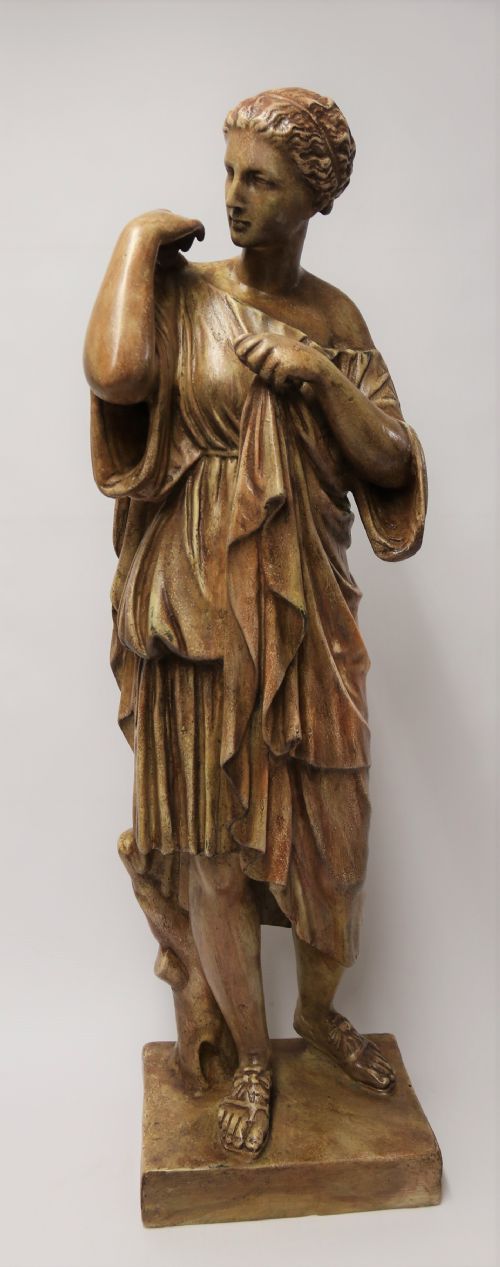


19th Century Plaster Statue
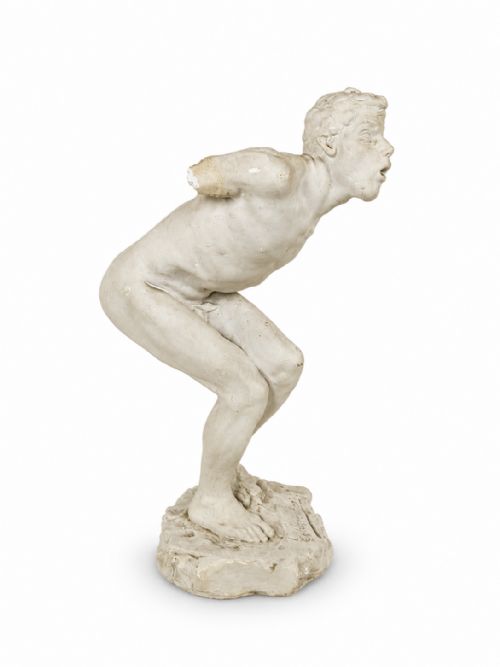
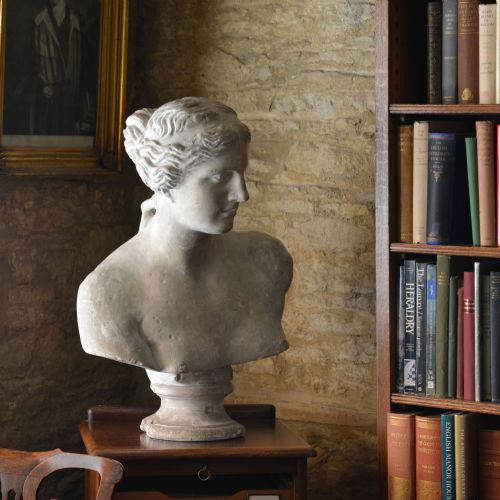
A 19th century plaster statue brings classical antiquity and literary heritage directly into the home through finely modelled gypsum and chalkware.
19th Century Plaster Statue
A 19th century plaster statue encompasses sculptures, busts, and full-length figures created across the Victorian era, utilising materials like plaster, chalkware, and terracotta. These pieces range from classical antiquity subjects like Venus de Milo and the Dancing Faun to literary portraits of Shakespeare and Homer.
Buyers frequently encounter works inspired by the Grand Tour alongside academic realism, Neoclassical, and Orientalist styles. These sculptures translate monumental marble and bronze originals into accessible interior display pieces for domestic settings.
Originating from British, Italian, and Austrian workshops, these figures include both mythological deities and historical figures such as St John the Baptist and Diana the Huntress. The selections reflect a nineteenth-century appetite for classical taste and sculptural study.
Materials and construction
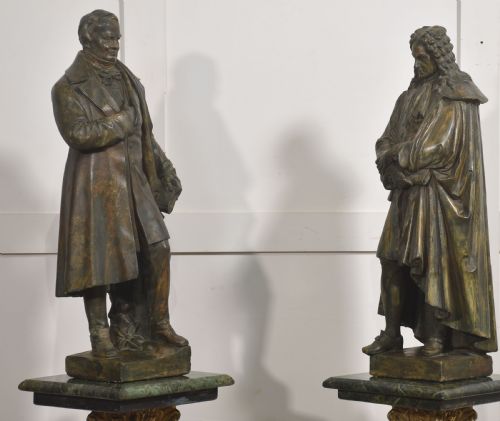
Makers formed these sculptures using gypsum plaster, chalkware, and terracotta, frequently applying surface treatments to emulate more expensive metals or stones. Pigment and paint provide polychromed finishes on figures such as Orientalist Arabesque or Moorish subjects, whilst other works receive a bronze patina or patinated plaster finish.
Techniques relied on careful casting from moulds often derived from classical or Renaissance masterworks, sometimes following renowned sculptors like Antonio Rossellino or Antoine-Felix Bouré. Workshops balanced structural integrity with the delicate modelling required for facial expressions and drapery.
19th Century Plaster Statue Retail Price Guide 2026
Typical asking prices for 19th century plaster statue among the pieces listed under this phrase on Sellingantiques today, from the lower quarter to the upper quarter. They describe what is for sale here now, not the wider market.
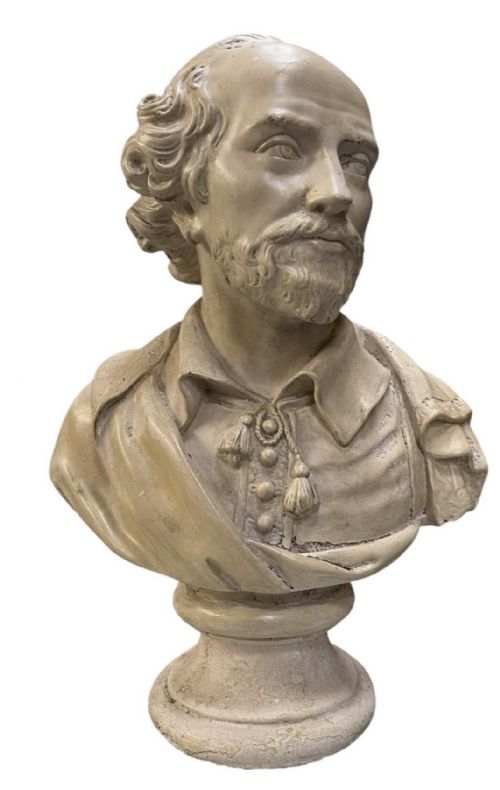
Even Shakespeare needed a sturdy constitution, often relying on a solid gypsum core to keep his nineteenth-century gaze steady.
Markers of quality
The sculptural pedigree also elevates certain pieces, particularly those directly associated with known modellers or specific academic traditions such as Victorian Academic Realism and Renaissance Revival. Superior examples demonstrate correct anatomical proportions and balanced composition characteristic of their classical or historical source material.
Raffaelo Monti·Dopmeier·Antonio Rossellino·Antoine-Felix Bouré
The 19th Century Plaster Statue Glossary
- Plaster
- A building and casting material made from hydrated calcium sulphate, widely used for creating affordable and detailed interior sculptures.
- Chalkware
- A moulded material composed of plaster of Paris, frequently painted and used for decorative figures throughout the nineteenth century.
- Grand Tour
- A traditional trip through Europe undertaken by upper-class young men to absorb classical art, inspiring the acquisition of small-scale statuary.
- Patinated plaster
- Plaster treated with surface pigments or waxes to simulate the aged appearance of bronze, terracotta, or weathered stone.
- Neoclassical
- A Western cultural movement drawing inspiration from the art and culture of classical antiquity, heavily influencing nineteenth-century sculpture.
19th Century Plaster Statue: Frequently Asked Questions
What are 19th century plaster statues made of?
These pieces are principally cast from gypsum plaster, sometimes described as chalkware or terracotta depending on the specific medium. Makers often enhanced the surface using paint, pigment, or bronze patination.
Such finishes were applied to simulate heavy cast bronze or aged stone. This allowed workshops to produce convincing classical reproductions at a fraction of the weight and cost.
How were these statues used originally?
Nineteenth-century households displayed these figures in libraries, hallways, and drawing rooms as symbols of education and refined cultural taste. They served as affordable substitutes for marble antiquities encountered during European travels.
Educated collectors used busts of literary figures like Homer or Shakespeare to signal intellectual pursuits. Classical deities reinforced an appreciation for mythology and academic art.
How do I care for a plaster statue?
Plaster and chalkware require dry conditions away from moisture, which can soften the material and damage painted or patinated surfaces. Dusting should be done gently using a soft, dry brush without liquid cleaners.
Because nineteenth-century plaster is relatively soft and prone to chipping, placement should be secure and away from high-traffic areas. Direct sunlight can also degrade delicate pigments over time.
How can I tell different styles apart?
Neoclassical pieces feature clean lines and idealized subjects from ancient mythology, whereas Orientalist works incorporate decorative robes and Moorish or Arabesque themes. Victorian academic pieces focus on realistic human anatomy and expressive detail.
Examining the subject matter alongside the surface finish provides clear clues to the period and movement. Figures after Renaissance masters often display distinct historical costuming and devotional poses.