



Antique Plaster Bust
An antique plaster bust brings the quiet dignity of classical antiquity or the striking geometry of the early twentieth century directly into a room.
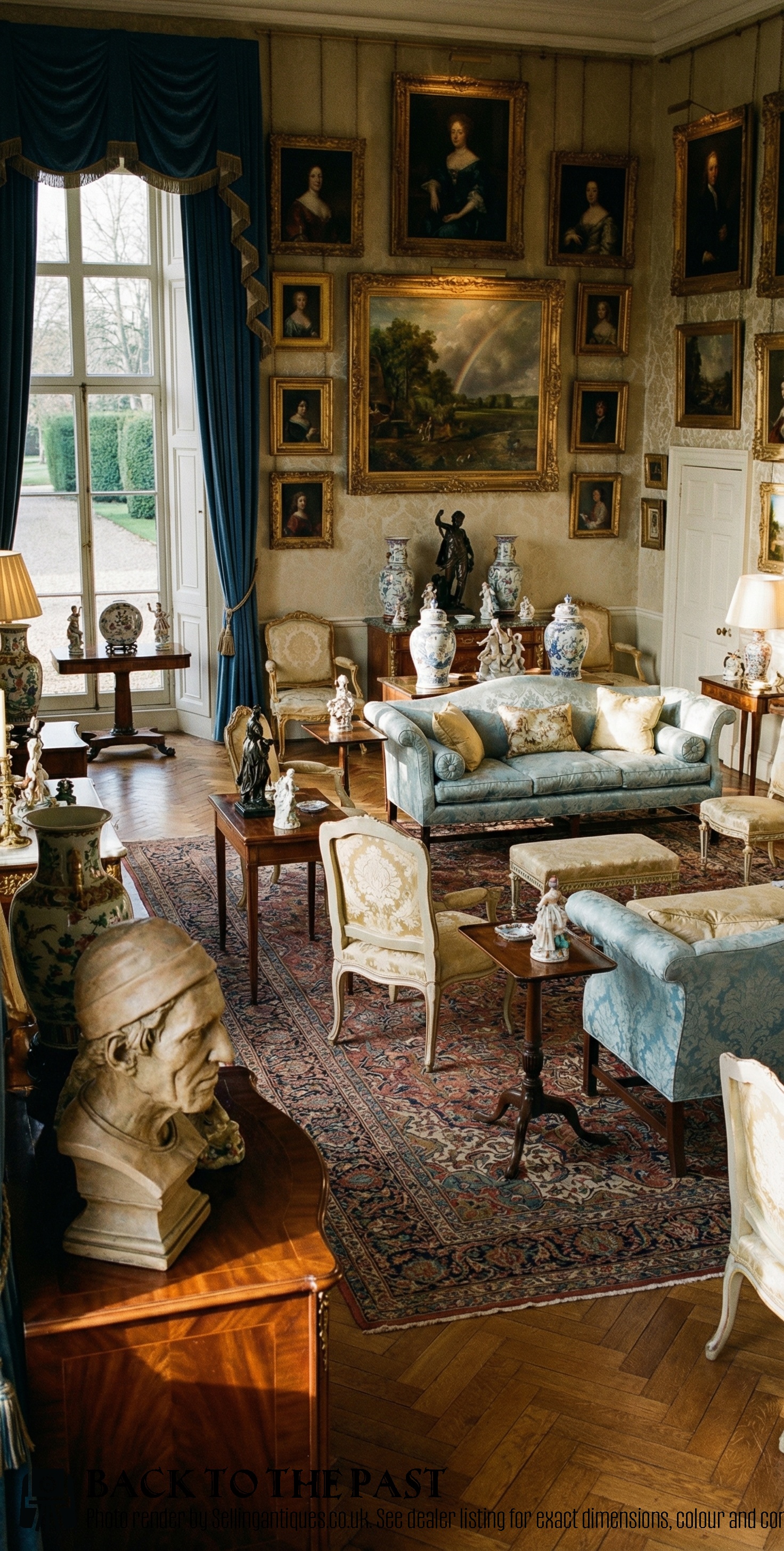
Antique Plaster Bust
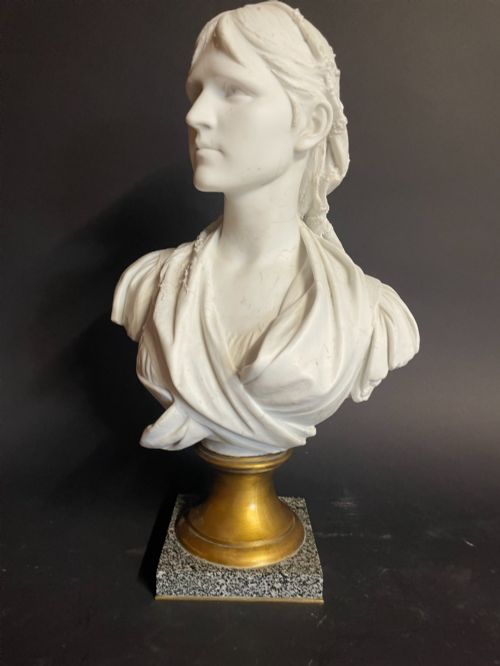
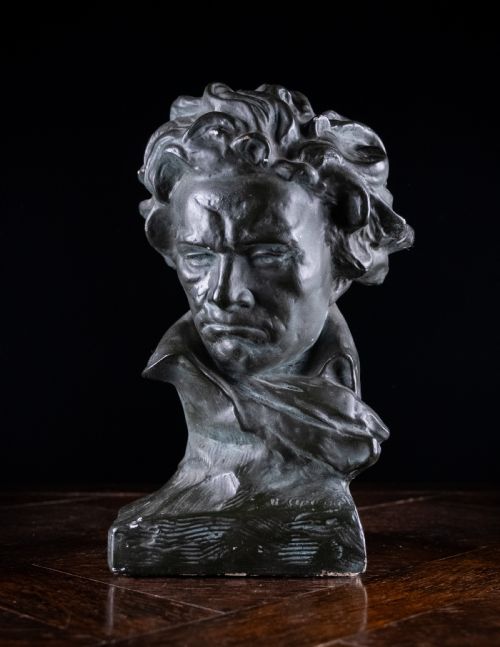
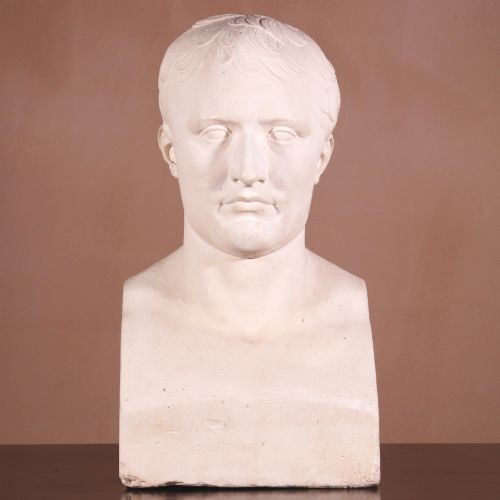
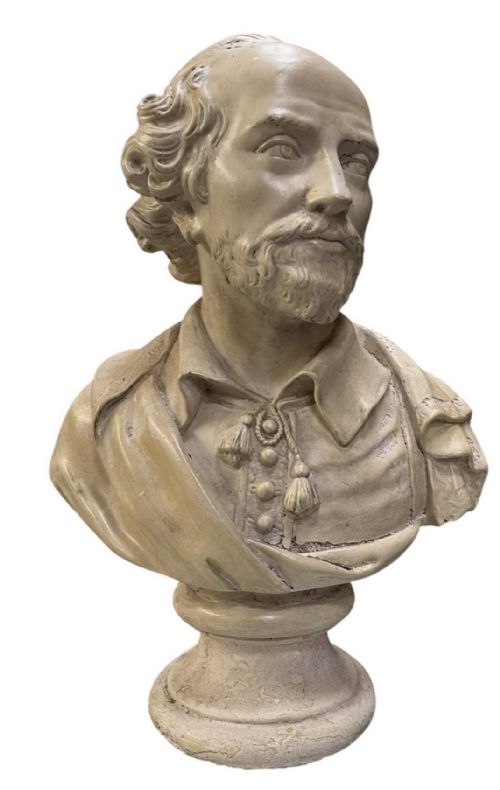
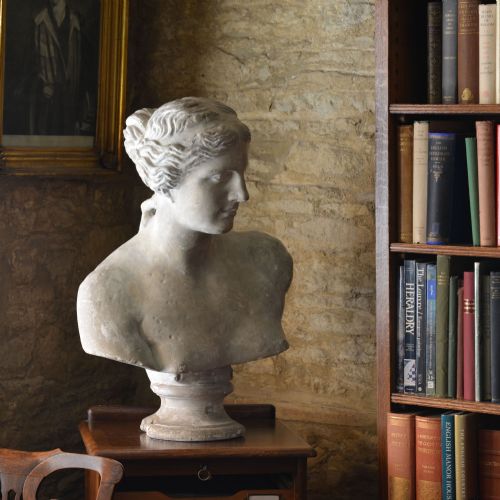
An antique plaster bust captures historical figures, classical deities, literary icons, and elegant anonymous sitters in moulded form. These sculptures span the nineteenth century and the art deco era, drawing heavily on neoclassical, gothic revival, and french aesthetic traditions.
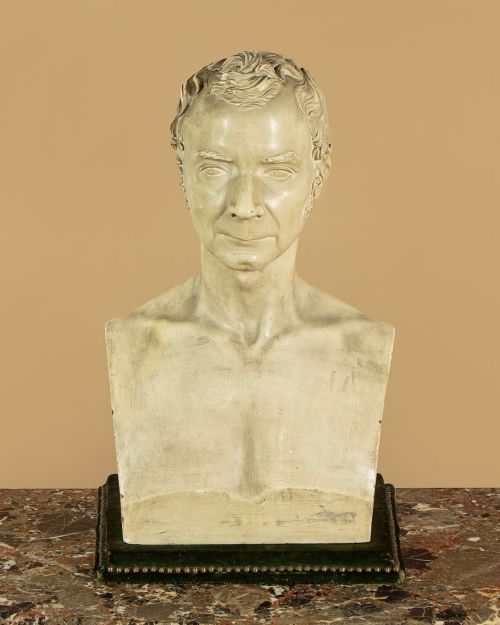
The most common versions encountered here are library busts of classical figures, historical gentlemen, and twentieth-century shop display mannequins. Pieces range from modest portrait studies to large scale depictions of emperors and poets.
Originating primarily from British, French, Italian, and Austrian workshops, these sculptures served as educational ornaments, studio props, and commercial displays. Their presence bridges academic study and domestic interior decoration.
Materials and construction
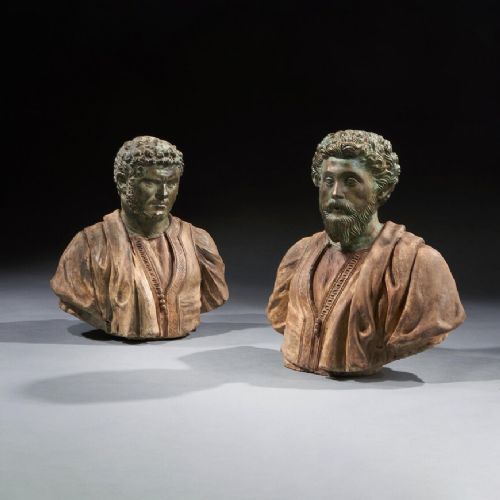
The core material is plaster or gypsum, poured into moulds and strengthened with internal supports, sometimes combined with terracotta, wood, brass, or gesso. Surface finishes vary from plain white plaster to painted, patinated, and simulated stone treatments that mimic marble or bronze.
Makers often applied pigmented paint or gesso to enhance facial details and drapery folds, lending the soft material greater visual weight and depth. Some pieces incorporate structural brackets, wooden stands, or scagliola pedestals to support the heavier sculptural forms.
Antique Plaster Bust Retail Price Guide 2026
Typical asking prices for plaster bust among the pieces listed under this phrase on Sellingantiques today, from the lower quarter to the upper quarter. They describe what is for sale here now, not the wider market.
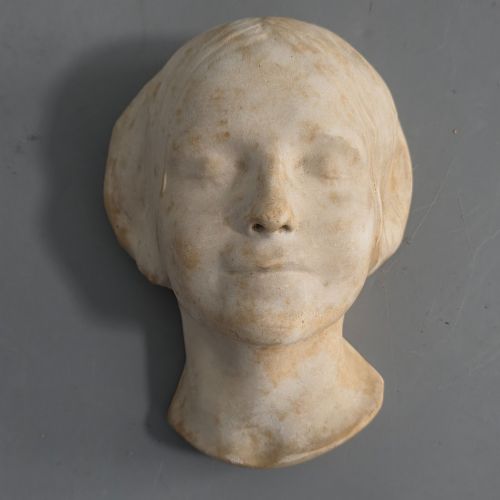
Object forms include library busts, death masks, shop display mannequins, portrait miniatures, and architectural pedestals.
Judging the work
The integrity of the surface treatment distinguishes better examples, where original paint, patination, or simulated stone finishes remain intact. Well-preserved patination gives depth to the contours, whereas coarse overpainting obscures the subtle modelling of the sculptor.
Raffaelo Monti·Antonio Rossellino·Bohumil Rezl·Hochock
The Antique Plaster Bust Glossary
- Plaster
- A fine powder mixed with water to form a paste that sets hard, serving as the primary medium for sculptural casting and library busts.
- Scagliola
- A composite material made from glue, isinglass, and dyes mixed with plaster to imitate marble and other fine stones on pedestals and architectural elements.
- Patinated
- Treated with pigments or chemical washes to simulate the aged appearance of bronze, terracotta, or weathered stone.
- Intaglio
- A design carved or impressed into a material below the surface, seen in framed collections of portrait miniatures.
- Gesso
- A plaster mixture applied as a smooth base for painting and gilding surfaces on sculptures and frames.
Antique Plaster Bust: Frequently Asked Questions
How should I clean an antique plaster bust?
Dust the surface gently with a soft, dry artist brush or a clean microfiber cloth. Avoid using water, damp sponges, or modern cleaning sprays, as moisture softens old plaster and damages historical paint or patination.
Keep the sculpture away from direct sunlight and damp environments to prevent the plaster from yellowing or weakening over time.
Were these busts made for homes or schools?
Many nineteenth-century library busts were produced for domestic studies, gentleman's libraries, and drawing rooms as symbols of classical education and refined taste. Others served institutional purposes in academies or acted as commercial display items in Parisian shops.
Larger scale pieces often occupied prominent positions on dedicated pedestals or brackets within grand Victorian and Edwardian interiors.
How do I tell nineteenth-century plaster from later copies?
Examine the surface texture, weight, and the crispness of the detailing around the eyes, hair, and ears. Earlier nineteenth-century pieces often show hand-finishing marks, natural surface wear, and genuine patination accumulated over decades.
Look closely at the underside or back of the bust for maker stamps, census numbers, or casting flaws typical of historical workshop production.
What is a library bust?
A library bust is a medium-scale sculptural portrait of a historical figure, philosopher, poet, or classical deity designed to sit upon a bookshelf, mantlepiece, or bracket. These pieces were popular decorative and educational objects in European homes during the Victorian and Edwardian eras.
They usually depict recognizable subjects such as Homer, Shakespeare, or Roman emperors to signal the intellectual pursuits of the owner.