

Antique Plant Display Stand
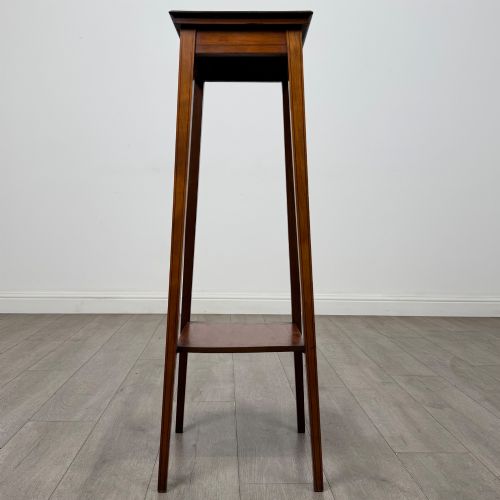
An antique plant display stand elevates greenery and decorative objects, bringing classical proportion and natural timber into a room.
Antique Plant Display Stand
When you search for an antique plant display stand, you encounter pedestals, columns, torchieres, and occasional tables designed to showcase flora and art objects. The pieces appearing here span the Victorian and Edwardian eras, alongside earlier Georgian examples and later manifestations.
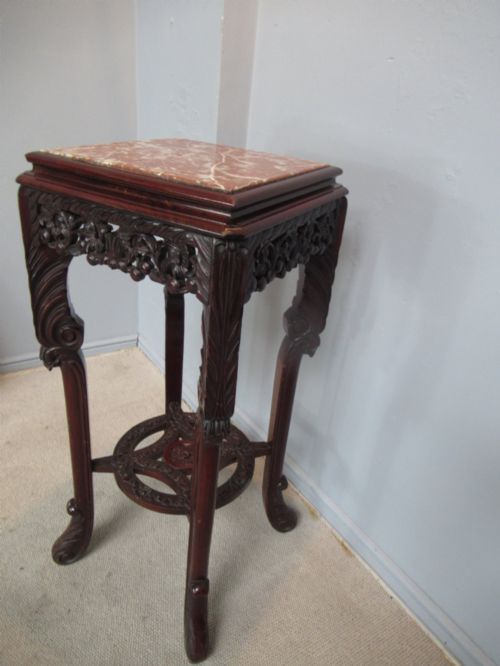
Makers and craftsmen utilised varied regional idioms, producing French marble columns, Chinese hardwood pot stands, and English mahogany torchieres. These furniture forms served domestic parlours and drawing rooms, lifting ferns, vases, and sculptures into the line of sight.
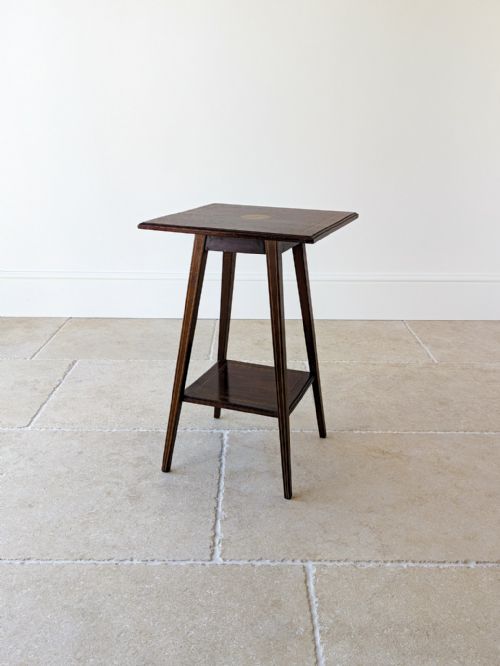
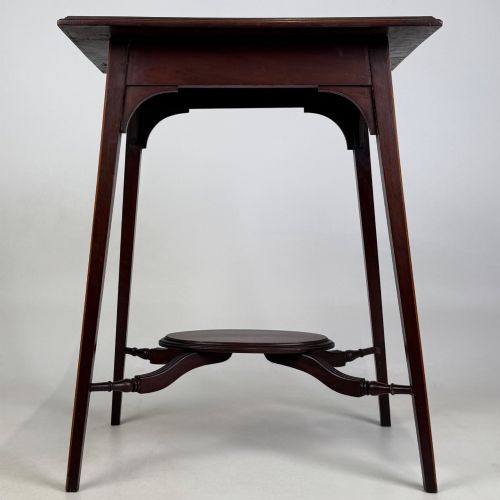
The most frequent items on this page are Edwardian mahogany stands and Victorian pedestals, reflecting the domestic habits of the nineteenth and early twentieth centuries. Side tables and jardiniere stands also appear regularly, offering broader surfaces for heavier pots.
Materials and Technique
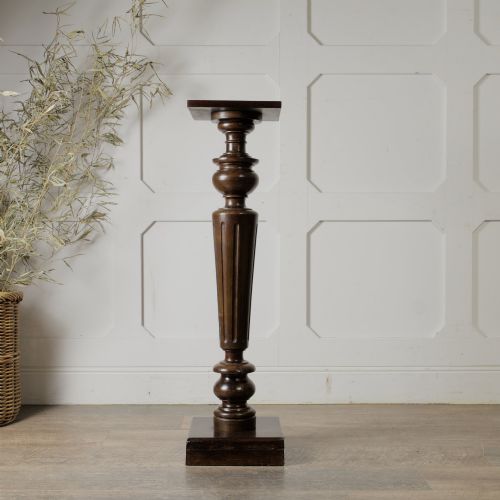
Cabinetmakers constructed these pieces primarily in timber such as mahogany, oak, walnut, and satinwood, frequently employing turning, carving, and inlay techniques. Hardwoods provided the structural integrity required to support heavy earthenware and marble tops without flexing.
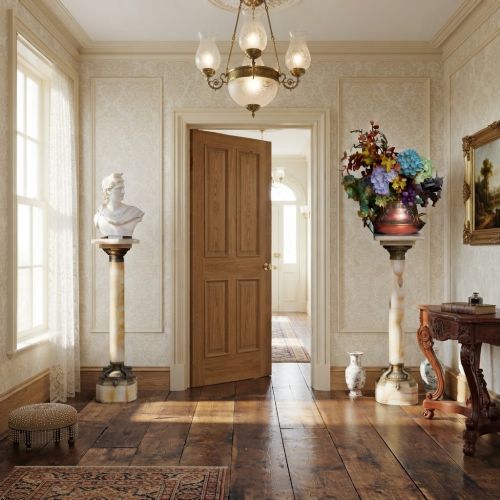
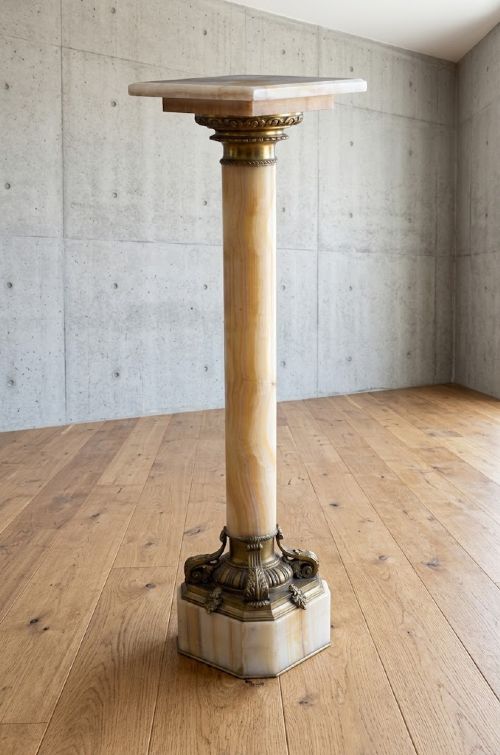
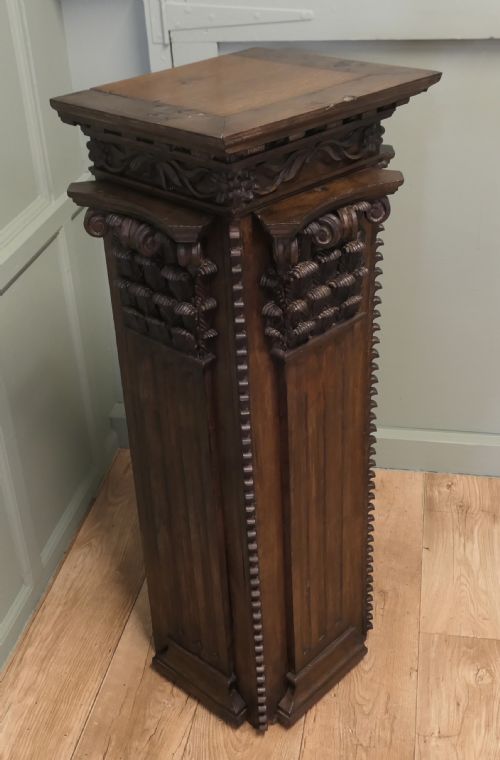
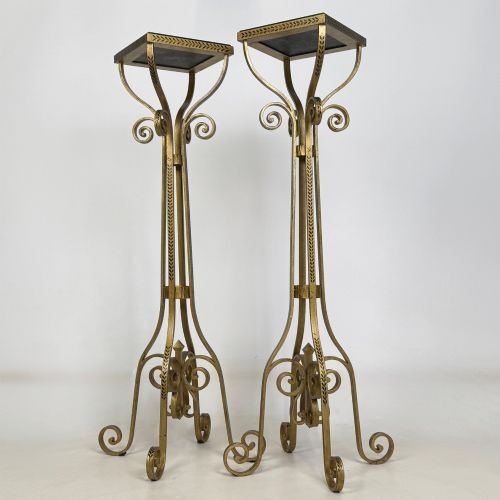
Many classical and continental examples integrate stone elements, incorporating marble, onyx, or scagliola tops supported by timber columns and ormolu collars. French and Italian workshops united cast metal mounts with carved wood to achieve decorative contrast.
Evaluating the Pieces
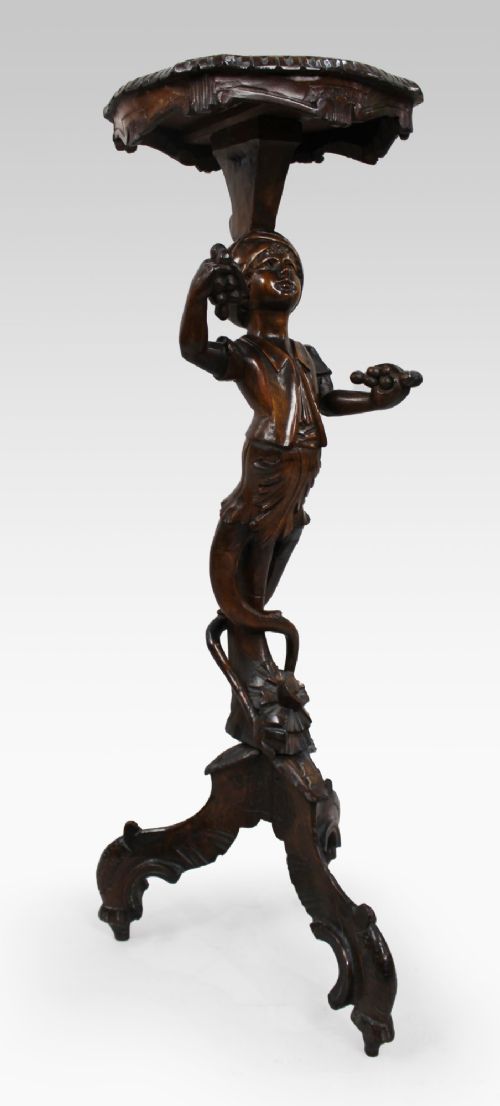
Quality rests upon the crispness of the hand-carving, the selection of figured timber veneers, and the stability of the overall construction. Superior items display tight joinery and deliberate proportion, whereas lesser examples rely on mechanical stamping or uninspired turnings.
The integration of materials also defines the tier of craftsmanship, seen in the precise fitting of inset marble slabs and the weight of cast brass or ormolu mounts. A well-balanced base ensures that tall columns hold heavy jardinieres safely.
Trevor Page & Co·Shoolbred
The Antique Plant Display Stand Glossary
- Torchere
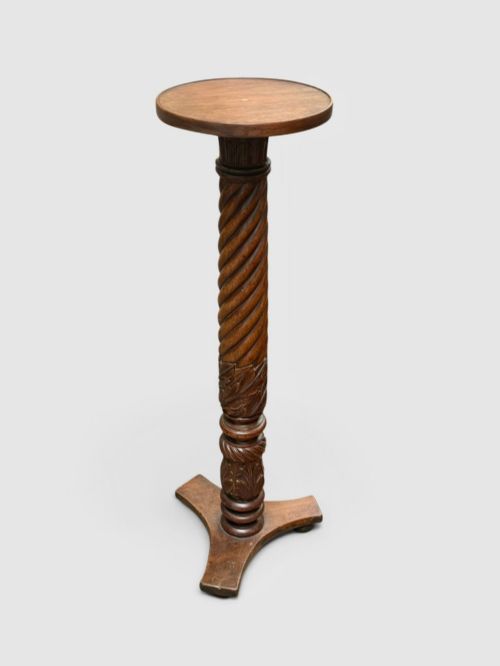
- A tall, slender stand designed to hold a light source, plant, or decorative urn. These pieces typically feature a small circular top supported by a single turned or carved column.
- Jardiniere stand
- A specialised piece of furniture intended to hold a plant container or flower trough. They often incorporate protective liners or waterproof wells within the top surface.
- Ormolu
- Gilded bronze mounts applied to furniture for decorative enrichment. French cabinetmakers utilised these metal elements extensively during the nineteenth century.
- Scagliola
- A composite material made from selenite, glue, and pigments, mimicking the appearance of marble. Craftsmen poured and polished this mixture to create decorative classical columns.
- Solomonic
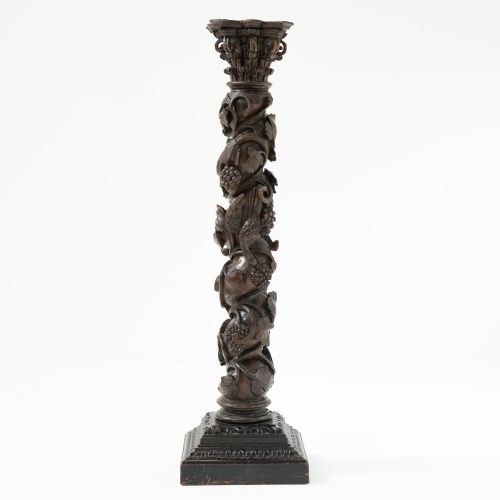
- A helical column twist resembling a spiral vine. This characteristic seventeenth and eighteenth-century carving style adds dynamic movement to support structures.
Antique Plant Display Stand: Frequently Asked Questions
What is an antique plant display stand?
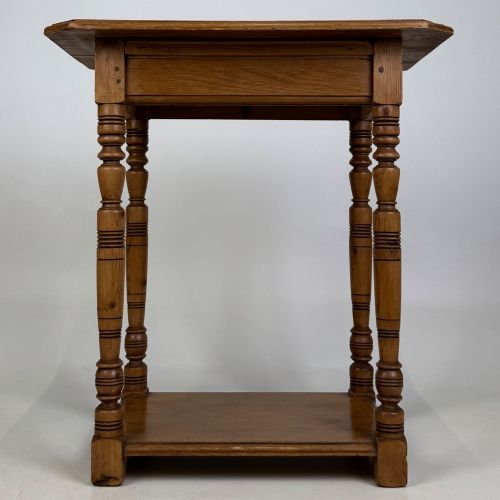
An antique plant display stand is a raised piece of furniture built to hold plants, jardinieres, and decorative objects off the floor. These items range from slender torchere columns to low occasional tables.
Craftsmen created them in various woods and stones to suit formal drawing rooms and domestic parlours. They allow greenery to catch natural light and occupy vertical space effectively.
How do I style a torchere stand?
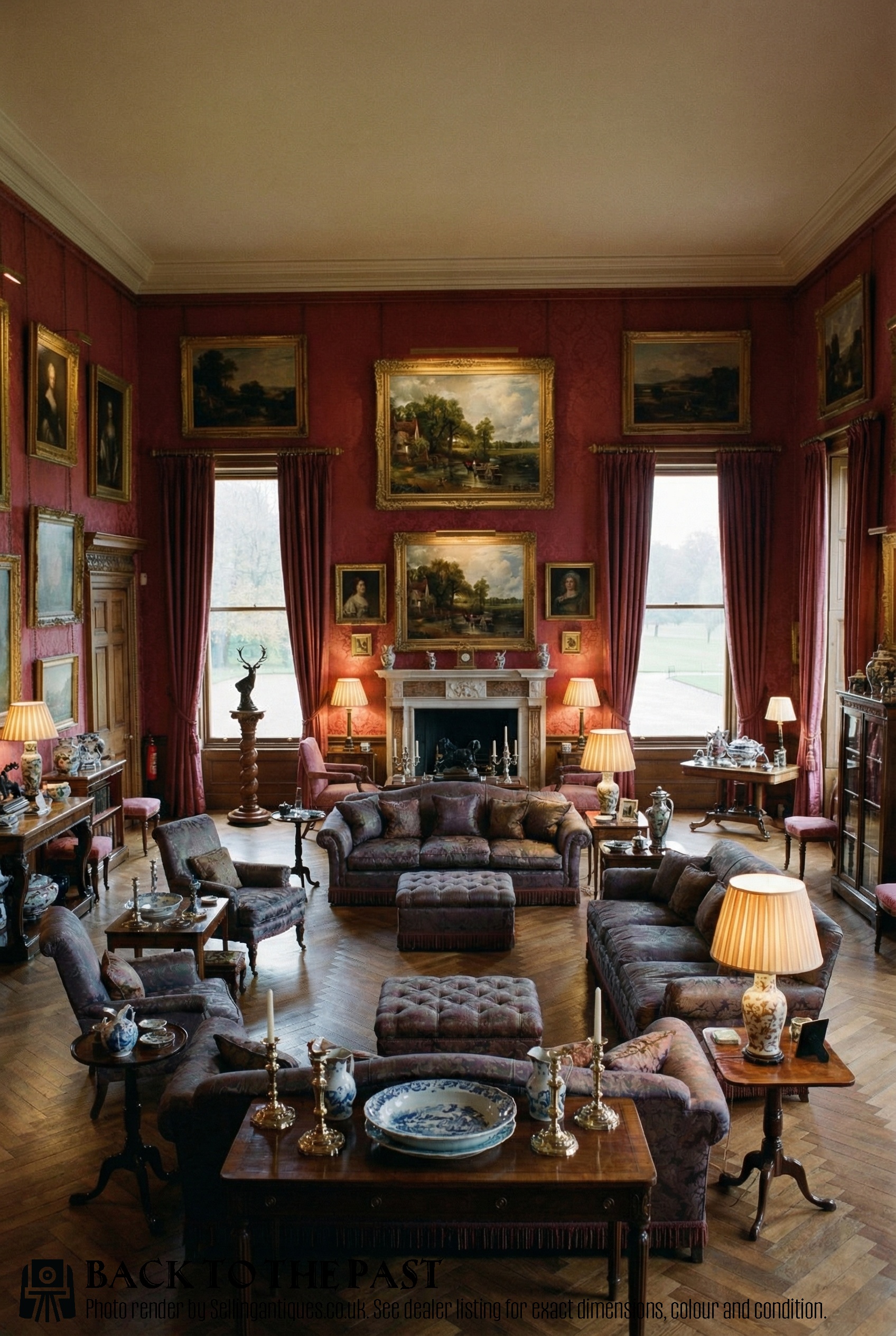
A torchere stand works well in corners or beside seating where vertical height breaks up flat expanses of wall. Placing a trailing plant or a decorative ceramic vase upon the top creates an immediate focal point.
Ensure the weight of the object remains balanced over the centre of the base. Tall columns require stable placement away from heavy foot traffic.
How do I tell Victorian from Edwardian pieces?
Victorian stands tend to feature heavier carved mahogany or oak with dense ornamentation, dark finishes, and robust proportions. They reflect the ornate tastes of the nineteenth century.
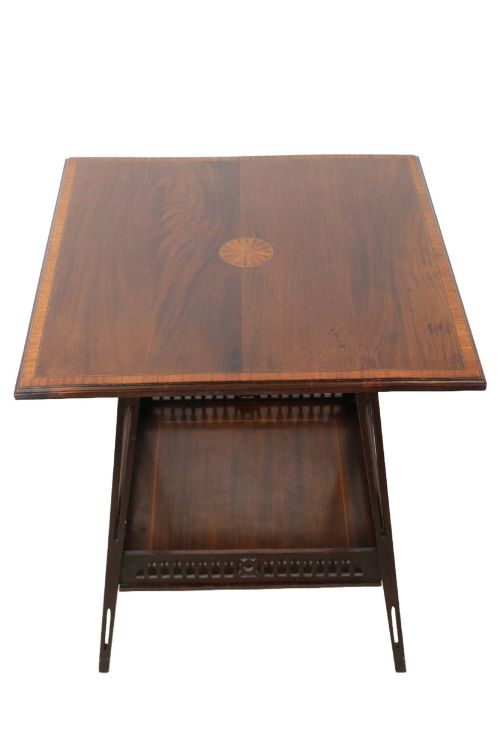
Edwardian pieces often appear lighter in feel, utilising satinwood, delicate inlay work, and simpler lines. These later items frequently date from the turn of the twentieth century.