



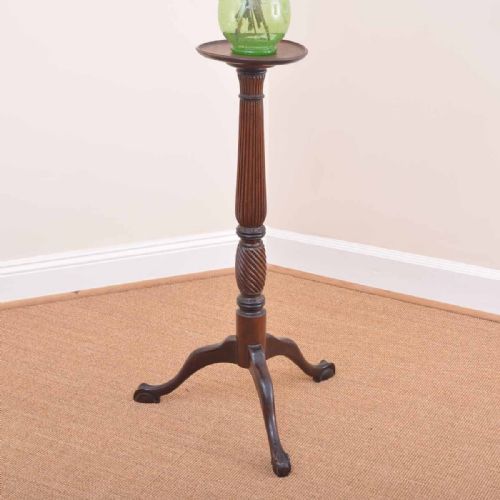

Spiral Twist Wooden Column
These spiral twist wooden column pieces bring striking architectural presence to an interior, offering robust timber support disguised as fluid movement.
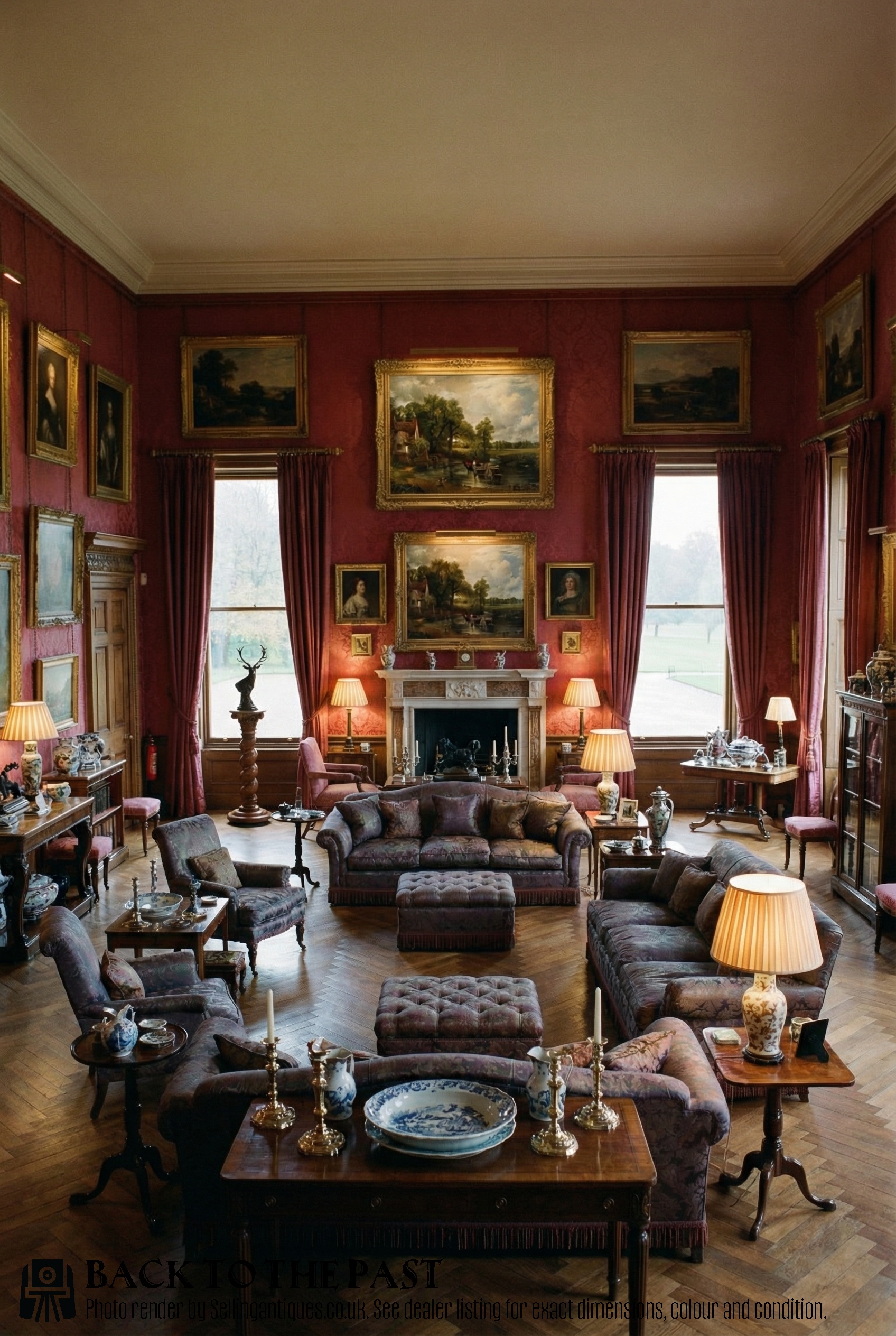
Spiral Twist Wooden Column
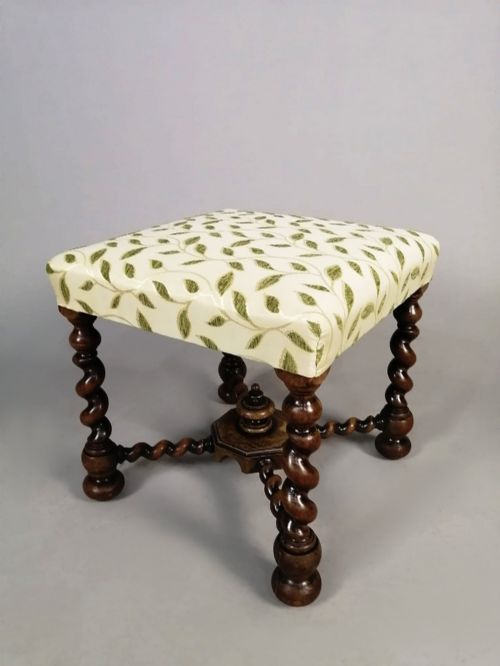
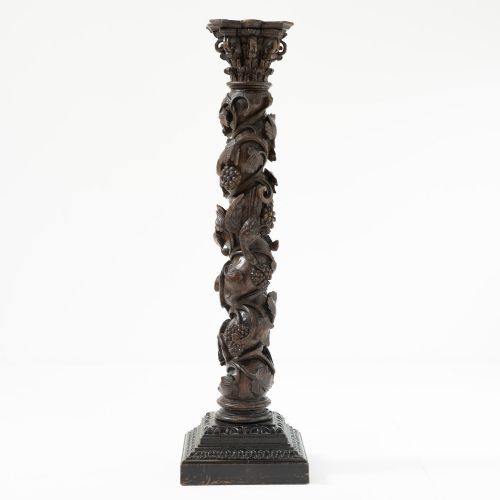
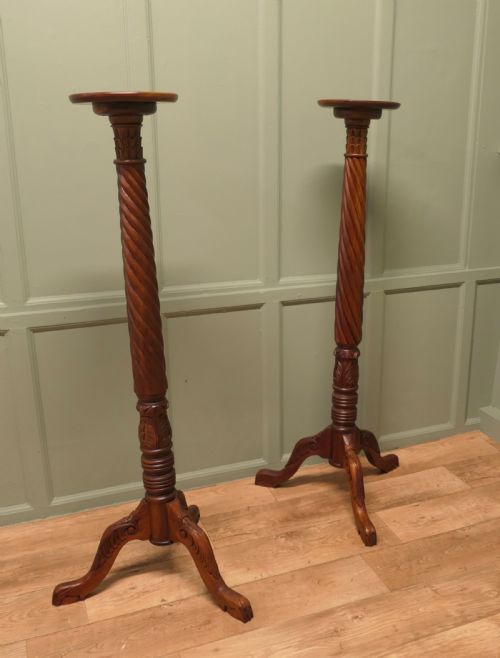
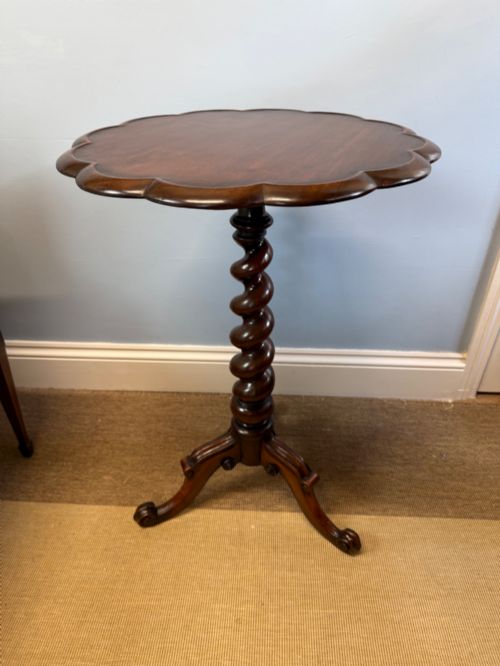
A spiral twist wooden column acts as a foundational support or a decorative display surface, taking forms such as pedestals, torchieres, bed posts and occasional tables. These upright timber structures bring vertical drama to a room, functioning equally well as standalone plinths or structural elements within larger furniture items like bookcases and chests of drawers.
The versions most commonly met across these listings span the eighteenth, nineteenth and early twentieth centuries, reflecting revivalist movements and domestic utility. Makers produced these pieces to elevate lamps, plants or art objects, utilising dense hardwoods to bear weight while presenting a continuous helical curve.
Originating from diverse stylistic traditions ranging from British Georgian and Victorian revivals to Mughal Indian craftsmanship, these columns show remarkable geographic variety. Buyers encounter everything from grand oak pedestals dated around eighteen sixty to slender mahogany torchieres and walnut jardinieres.
Materials and construction methods
Craftsmen built these columns using substantial timbers including mahogany, oak, walnut, beech and ebonised wood, sometimes incorporating brass fittings. These dense woods provided the structural integrity required to carve deep helical grooves without compromising the vertical core of the pillar.
Makers shaped the timber through careful hand carving and lathe turning, cutting the characteristic Solomonic twist down the length of the shaft. This labour-intensive process demanded precise geometry to ensure the continuous ridge maintained a smooth, even rhythm from base to capital.
Spiral Twist Wooden Column Retail Price Guide 2026
Typical asking prices for spiral twist wooden column among the pieces listed under this phrase on Sellingantiques today, from the lower quarter to the upper quarter. They describe what is for sale here now, not the wider market.
Some columns began life holding up heavy wooden tester beds before finding a second career as solitary display pedestals.
Evaluating craftsmanship and proportion
The distinction between ordinary and superior columns lies in the crispness of the carved twist and the selection of the timber. Finer pieces display deeply undercut spirals with sharp edges and carefully figured grain patterns that catch the light along the helical curve.
Proportion and stability dictate the standing of a column, with better examples offering a balanced weight distribution and solid mounting blocks. Inferior pieces often rely on clumsy joints or soft woods that lack the structural tension needed to support heavy ornaments over decades of use.
The Spiral Twist Wooden Column Glossary
- Solomonic column
- A twisted column resembling a spiral rope, often associated with Baroque architecture and seventeenth and eighteenth-century furniture design. This form brings intense dynamic movement to vertical supports.
- Torchere
- A tall ornamental stand designed to hold a lamp or candle, translating from the French word for torch. These slender supports elevate light sources to eye level in a room.
- Jardiniere stand
- A decorative pedestal or table specifically built to support a plant container or flower arrangement. They frequently feature waterproof liners or raised rims to contain moisture.
- Ebonised wood
- Timber treated with a dark stain or finish to imitate expensive ebony. This technique was widely utilised during the nineteenth century to create high-contrast decorative furniture.
- Bed post
- A vertical column supporting the canopy or frame of a historic bed. These elements often survived as standalone decorative objects after the main bed frame was dismantled.
Spiral Twist Wooden Column: Frequently Asked Questions
What were spiral twist wooden columns used for?
These columns served primarily as architectural supports, display pedestals or structural components within larger furniture like bookcases and bed frames.
Over time, homeowners repurposed them as standalone torchieres and plant stands to create varying heights in interior room layouts.
How do I date a spiral twist column?
Dating relies heavily on identifying the timber species, tool marks and stylistic revival periods visible in the turning.
Eighteenth-century examples often show hand-adzed oak surfaces, while nineteenth-century pieces frequently utilise mahogany or walnut with machine-assisted lathe work.
Are these columns structurally sound for daily use?
Most solid hardwood columns easily support moderate weights such as table lamps, bronze figures or ceramic plant pots.
Buyers should verify that the base sits flat and that any joined sections remain tight against seasonal wood movement.
How do I care for antique wooden columns?
Maintain the timber by dusting regularly with a dry cloth and occasionally applying a traditional beeswax polish to nourish the grain.
Keep the columns away from direct heat sources and dramatic humidity shifts to prevent the timber from splitting.