
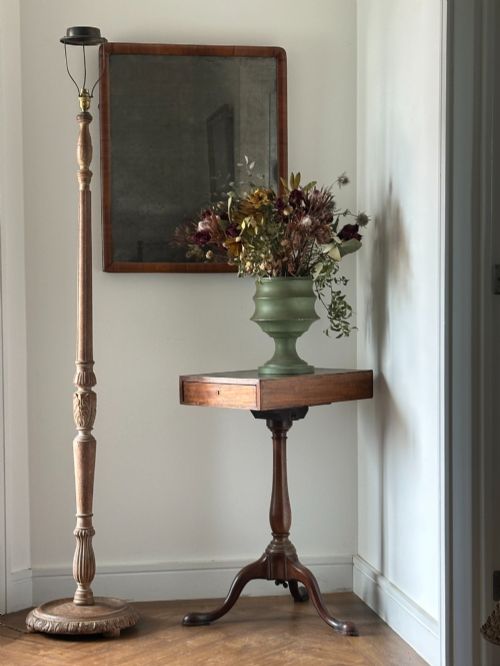
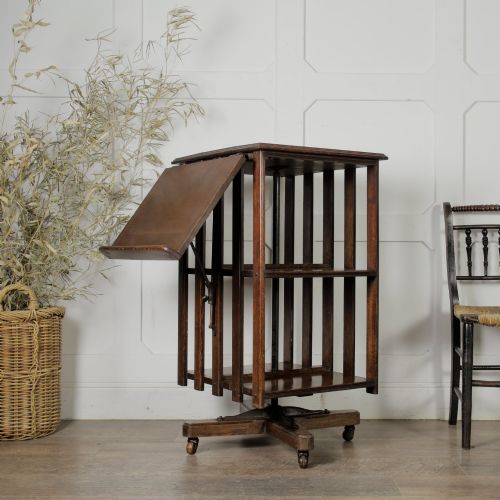


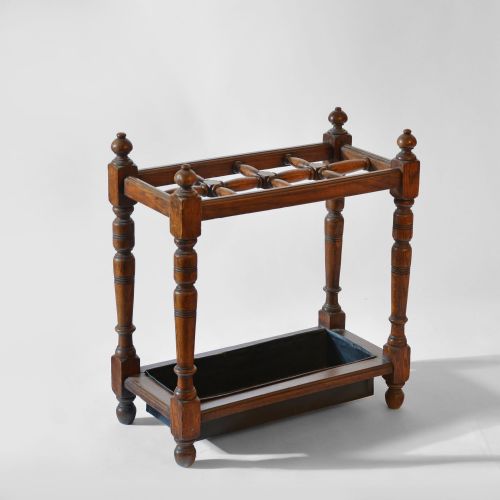
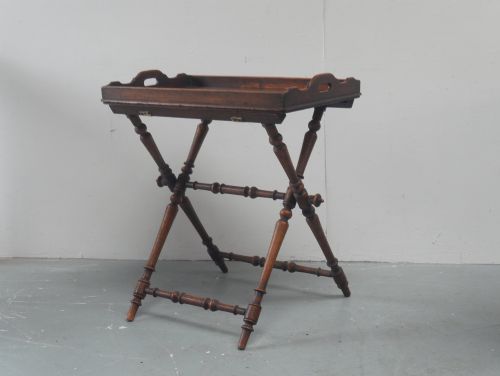
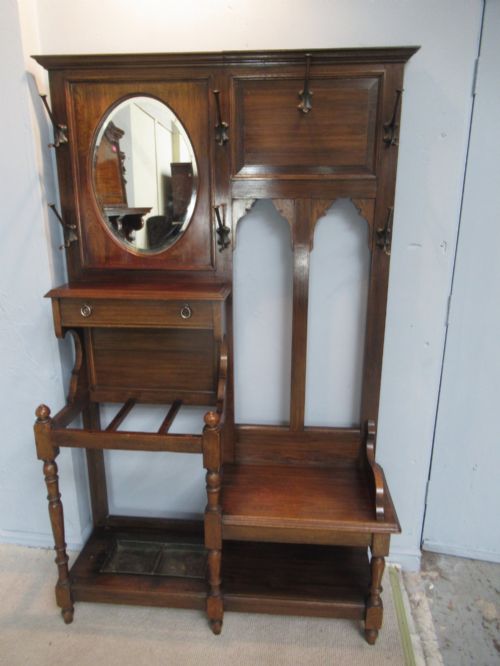
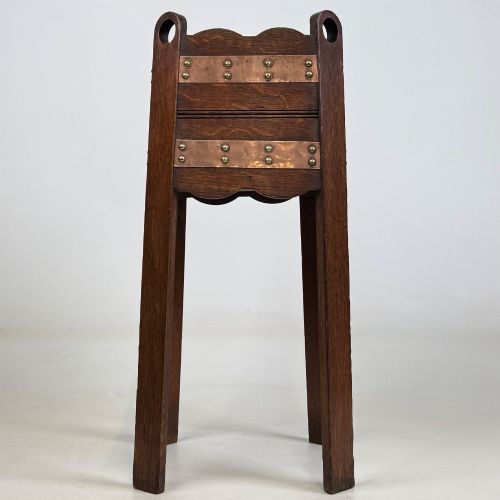
Edwardian Carved Oak Stand
An edwardian carved oak stand brings solidity and craftsmanship to a hallway or reception room, offering functional storage with distinct period character.
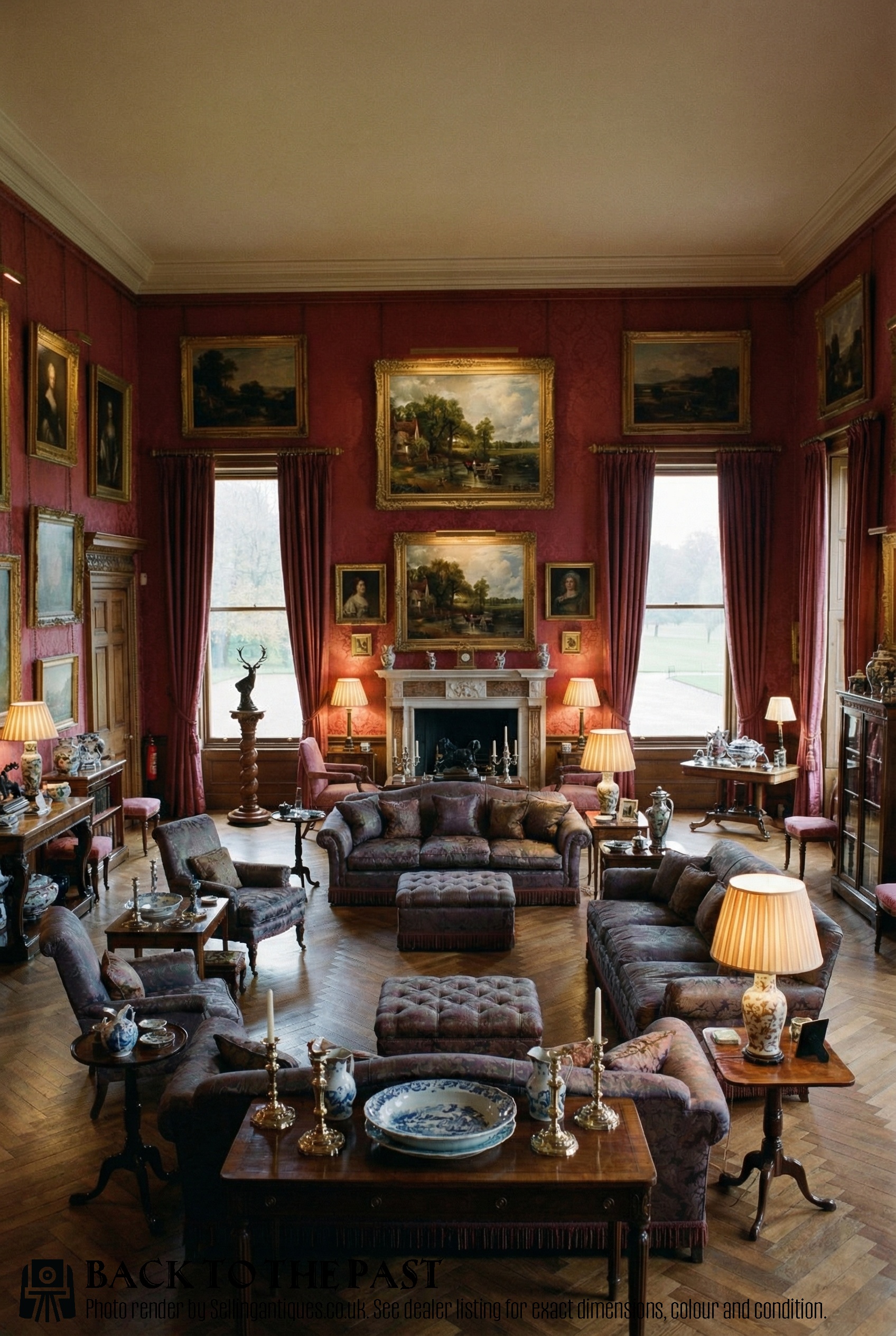
Edwardian Carved Oak Stand
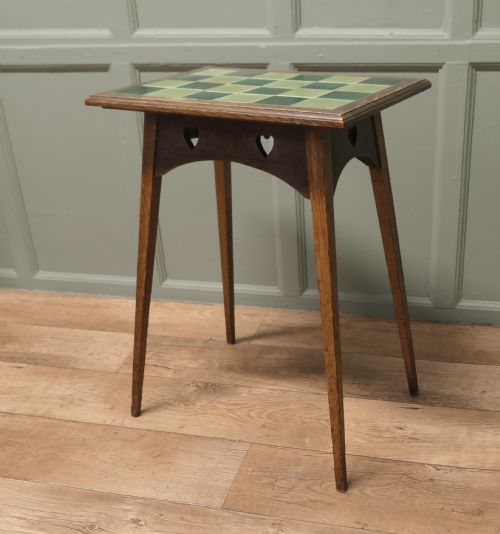
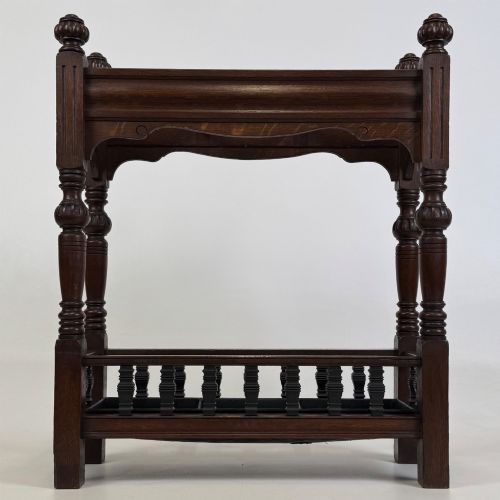
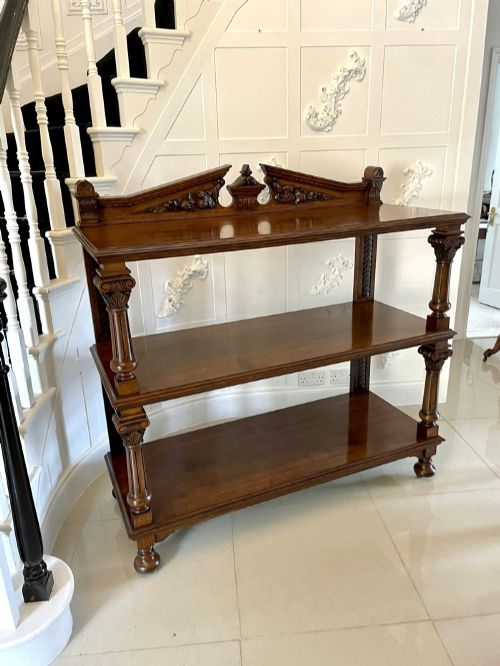
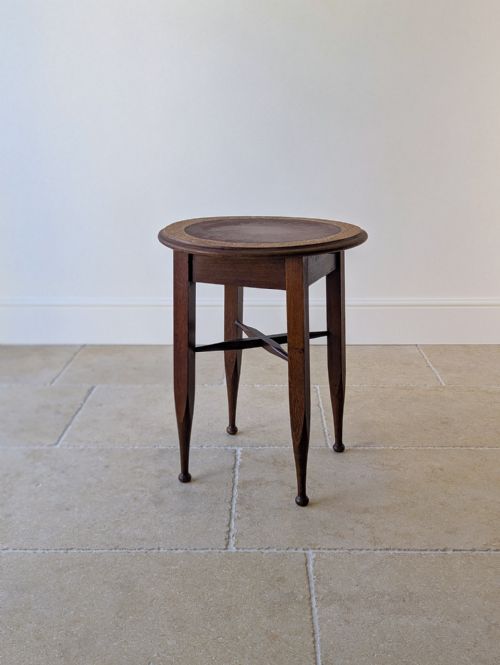
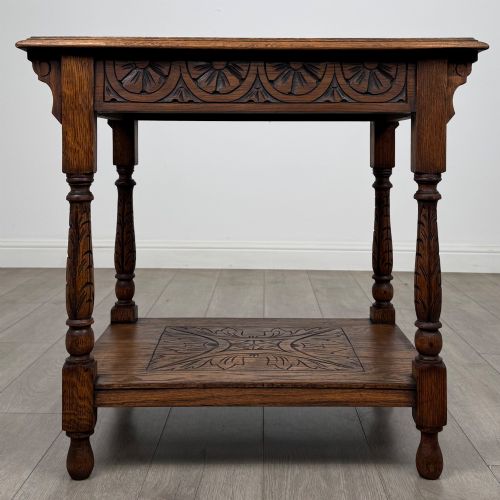
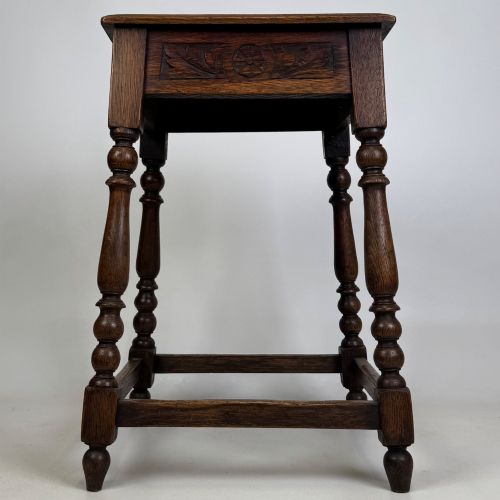
When you search for an edwardian carved oak stand, you encounter pieces intended for utility and display in domestic interiors from the early decades of the twentieth century. These furnishings encompass hall stands, umbrella stands, plant stands, and occasional tables shaped by Edwardian tastes alongside Victorian and Arts and Crafts influences.
The material palette centres on solid oak, frequently embellished with carved detailing, panels, and occasionally brass or metal fittings. Pieces range from tall hall furniture incorporating mirrors and coat hooks to compact occasional tables and plant stands suited for smaller spaces.
Materials and Construction
Cabinet makers utilised solid oak, selected for its grain and durability, often employing quarter-sawn methods to reveal pleasing medullary rays. Construction frequently involved traditional joinery techniques such as mortise and tenon joints, ensuring structural longevity for items subjected to daily domestic use.
Carving was executed by hand, displaying motifs ranging from simple linear chamfers to intricate foliage, geometric patterns, and figurative elements like Green Man masks. Metal components such as brass hooks, trays, and rods were integrated to handle moisture in umbrella stands and provide functional hardware on hall furniture.
Listings feature oak combined with brass, cast iron, and copper across Edwardian, Victorian, and Arts and Crafts styles.
Assessing Quality
The standard of a piece is determined by the crispness of the hand-carved detailing and the selection of the timber. Superior examples exhibit deep, well-defined carving with clean lines, whereas lesser pieces rely on shallow machine routing or simpler applied ornaments.
Structural integrity and originality of fittings separate standard utilitarian items from finer examples. Original brass drip trays, untactical hardware, and well-fitted joints indicate a higher grade of manufacture from workshops valuing both utility and design.
Arthur Simpson·Liberty and Co·J Parker of Woodstock
The Edwardian Carved Oak Stand Glossary
- Edwardian
- Pertaining to the reign of King Edward VII, spanning from 1901 to 1910, though the style extends slightly either side. It is characterised by lighter, less austere designs than Victorian counterparts.
- Arts and Crafts
- A design movement promoting handcraftsmanship, traditional construction, and simple forms inspired by medieval structures. It rejected mass production in favour of visible joinery and honest materials.
- Hall Stand
- A piece of entranceway furniture designed to hold coats, hats, and umbrellas, frequently incorporating a central mirror and a lower drip tray. It served both a practical and welcoming function in period homes.
- Plant Stand
- A tall, slender piece of furniture intended to elevate indoor potted plants. They appear in circular or multi-tiered square formats, particularly popular during the late nineteenth and early twentieth centuries.
- Quarter-sawn oak
- A method of cutting logs radially across the growth rings that produces stable timber displaying distinctive figuring, often called medullary rays. This cut was favoured in quality Arts and Crafts furniture.
Edwardian Carved Oak Stand: Frequently Asked Questions
What is an edwardian carved oak stand used for?
These furnishings were designed for domestic entryways and living spaces to organise outdoor wear, display plants, or hold reading material. Hall stands specifically provided hooks for garments, surfaces for hats, and wells for wet umbrellas.
Smaller variants like plant stands and occasional tables functioned as decorative display platforms within reception rooms. Their sturdy oak construction ensured they could withstand heavy daily use in busy households.
How do I distinguish Edwardian pieces from Victorian ones?
Edwardian furniture generally exhibits a lighter, less cluttered aesthetic compared to the heavier, dark finishes typical of high Victorian design. Proportions became more restrained, and the influence of the Arts and Crafts movement introduced simpler, cleaner lines.
However, stylistic crossover is common as makers transitioned between reigns around the turn of the twentieth century. Looking at construction methods and secondary woods often helps clarify the precise period of manufacture.
Are these stands suitable for modern hallways?
Their compact footprints and vertical storage capabilities make them exceptionally practical for contemporary entryways. A narrow hall stand or umbrella holder introduces period character while keeping floors clear of clutter.
The warm tones of oak complement both traditional and modern interior schemes, adding natural texture to plain walls and neutral spaces.
How should I care for carved oak furniture?
Maintain the timber by dusting regularly with a soft, dry cloth and applying natural beeswax periodically to nourish the grain. Avoid placing pieces near direct heat sources or in strong sunlight, which can dry out and split the wood.
Metal components like brass drip trays or hooks can be gently cleaned with a mild metal polish if required, taking care not to stain the surrounding oak.