

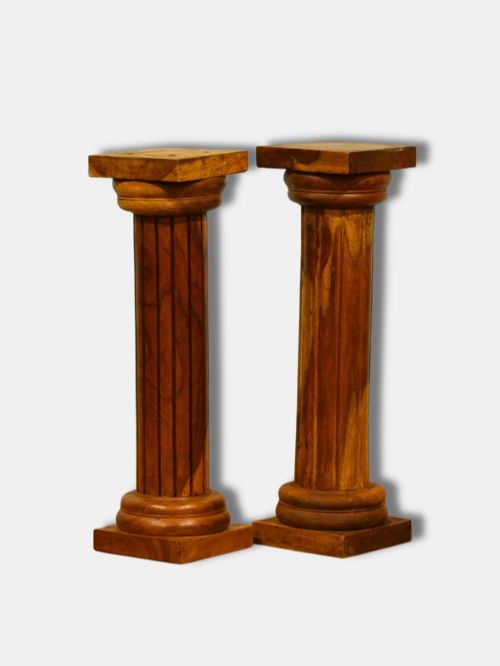
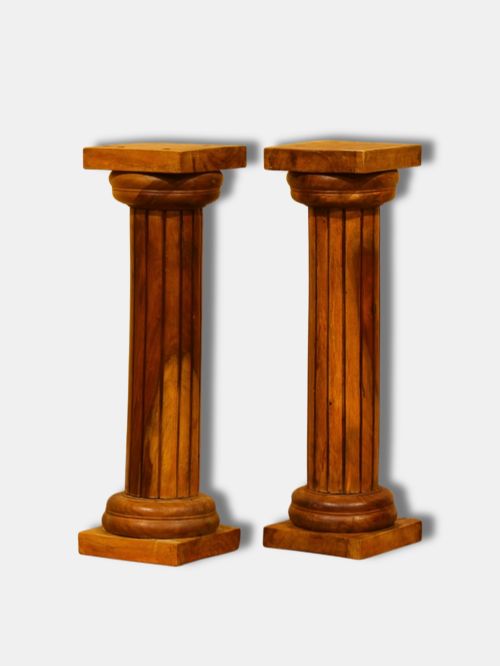


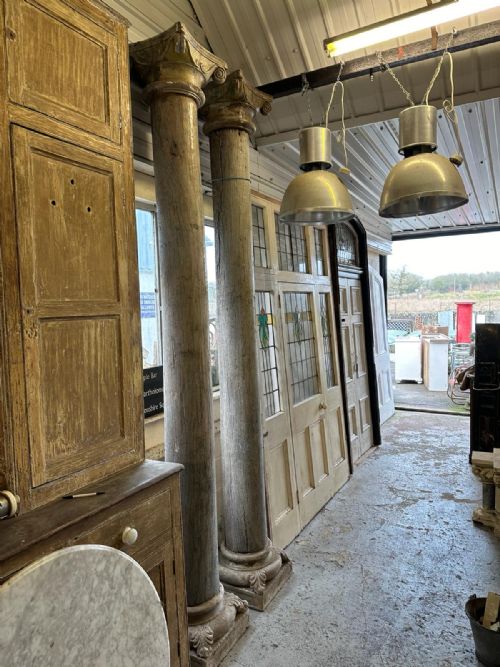

Vintage Carved Wooden Pillar
These vintage carved wooden pillar pieces bring genuine architectural presence and rich surface texture into a room.
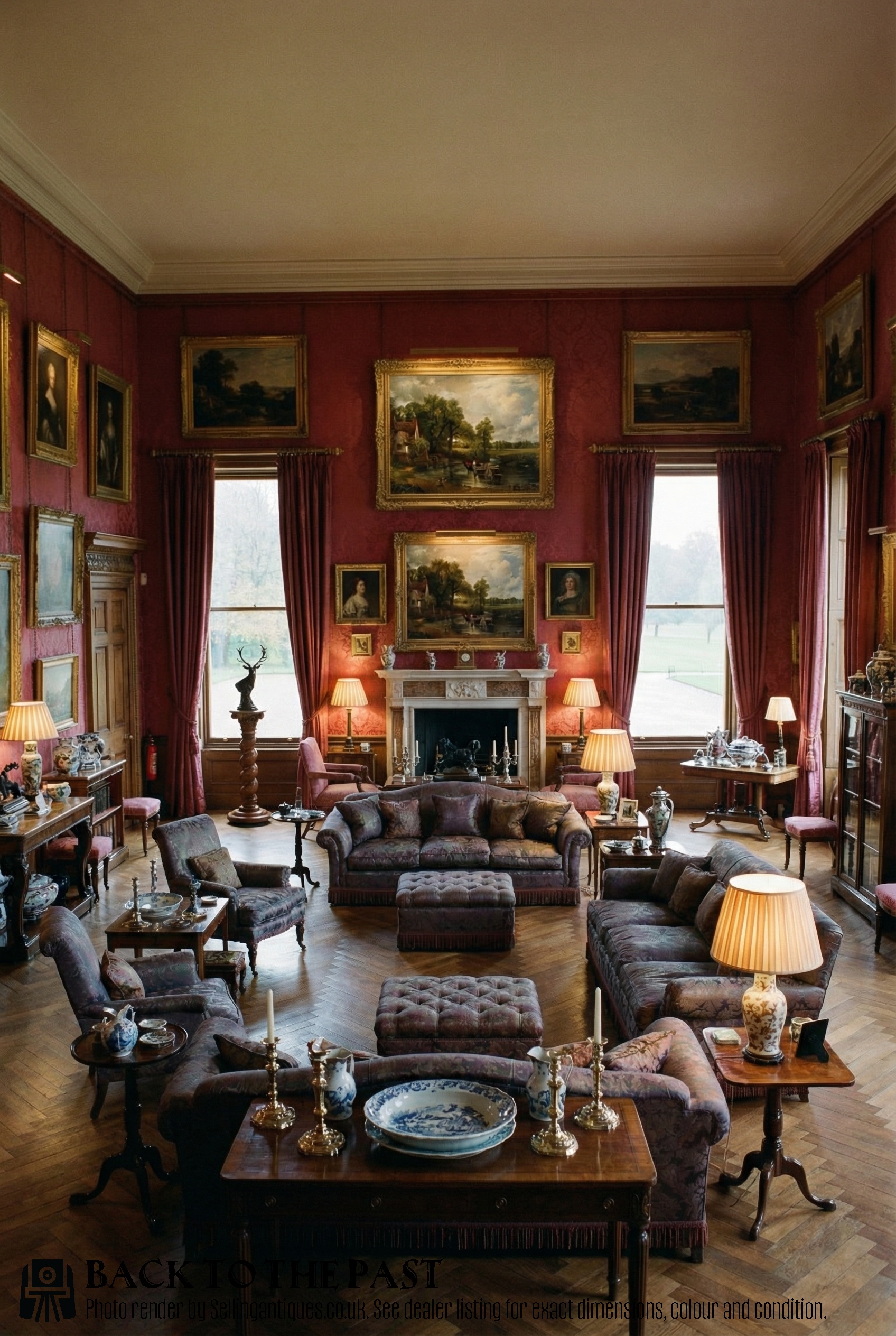
Vintage Carved Wooden Pillar
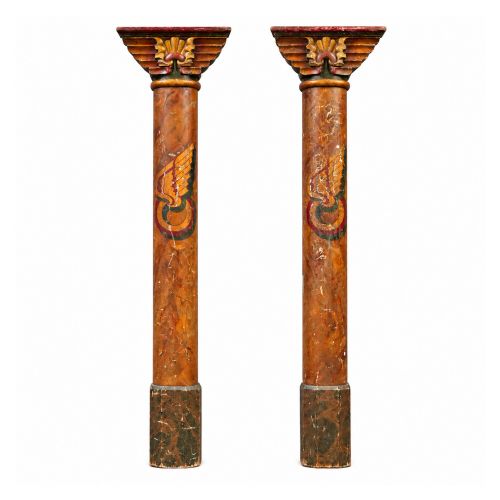
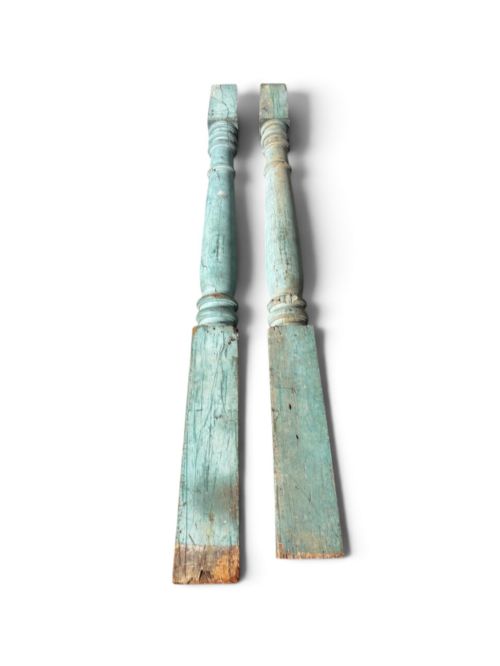
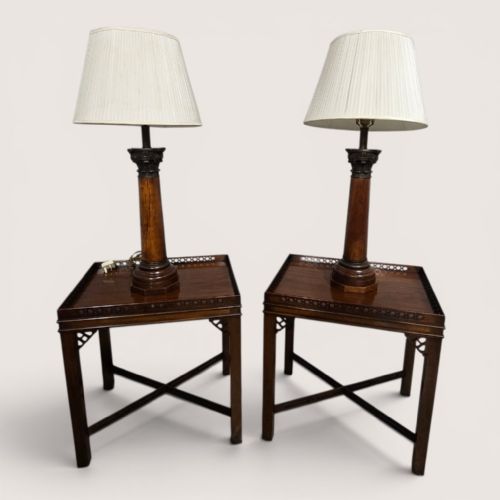
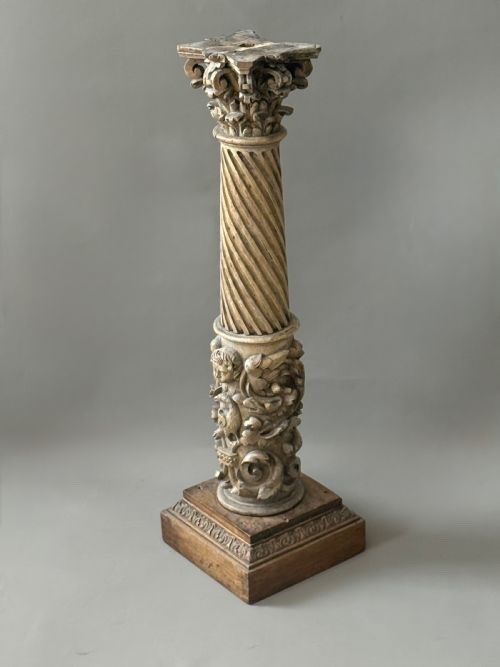
When you search for a vintage carved wooden pillar, you are looking at substantial structural elements adapted for decorative display or lighting. The selections here span the seventeenth century through to the Art Deco period, taking forms such as table lamps, torcheres, pedestals, and architectural salvage.
Many of these pieces have transitioned from functional architectural supports or fairground carousels into freestanding decorative objects and bespoke lighting. Their survival across multiple centuries demonstrates both robust joinery and enduring aesthetic appeal.
How they were made
Carpenters and turners shaped these objects using dense hardwoods like oak, mahogany, and walnut, employing lathes for cylindrical forms and hand chisels for detailed surface enrichment. Decoration often includes classical motifs such as Corinthian or Ionic capitals, alongside deep relief carving.
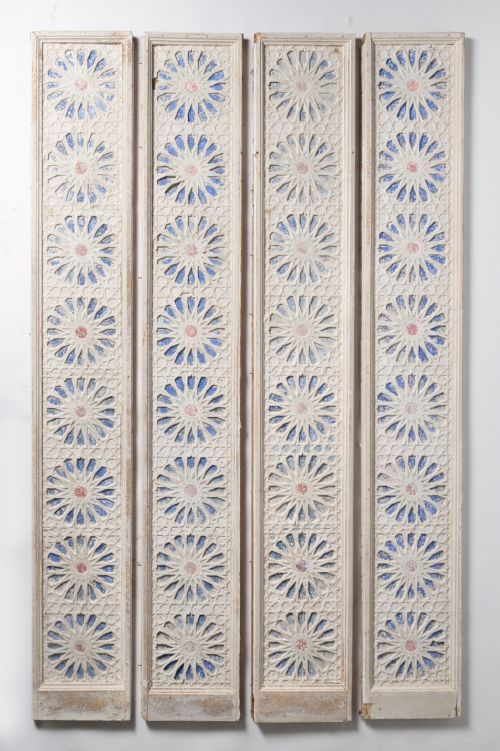
Finishes applied to the wood vary from exposed natural grain and bleached oak to layered paint and gesso over carved wooden substrates. Brass components sometimes appear as mountings or fittings, particularly on lamps and specialised pedestals.
Vintage Carved Wooden Pillar Retail Price Guide 2026
Typical asking prices for vintage carved wooden pillar among the pieces listed under this phrase on Sellingantiques today, from the lower quarter to the upper quarter. They describe what is for sale here now, not the wider market.
The listings on this page span from the seventeenth century to the Art Deco period, utilising oak, mahogany, walnut, and painted gesso surfaces.
What varies in quality
The distinction between ordinary utility items and exceptional works lies in the crispness and depth of the hand carving on the capital and shaft. Sharply defined acanthus leaves and well-proportioned fluting indicate a higher standard of craftsmanship than softer, machine-assisted work.
Proportion and material selection also govern the overall merit of a piece, with dense, figured hardwoods holding their structural integrity and decorative impact better over time. Original surface treatments, whether aged paint or polished wood, carry greater visual interest than later stripped finishes.
The Vintage Carved Wooden Pillar Glossary
- Torchiere
- A tall stand or floor lamp designed to direct light upwards. These slender supports often feature elaborate carving along the shaft.
- Capital
- The uppermost member of a pillar or column, usually decorated with carved plant motifs or volutes. It sits directly beneath the weight it supports.
- Gesso
- A plaster-like mixture applied to wood surfaces to prepare them for gilding or painting. It provides a smooth base for intricate decorative details.
- Architectural salvage
- Building elements rescued from structures slated for demolition. These pieces retain their original character and historical patina.
- Ionic capital
- A classical column head distinguished by spiral scroll ornaments known as volutes. This ancient Greek design influenced later European furniture and decoration.
Vintage Carved Wooden Pillar: Frequently Asked Questions
How were these pillars originally used?
Many of these items served structural or decorative roles in larger buildings, domestic interiors, or fairground rides. They acted as bed posts, architectural columns, or carousel supports before finding new life as lamps and pedestals.
Over time, carvers and designers adapted surplus architectural timber and dismantled fixtures into freestanding decorative objects for the home.
How do I care for a wooden pillar?
Keep wooden pillars away from direct sources of heat and strong sunlight to prevent the timber from drying out or splitting. Dust them gently with a dry, soft cloth rather than using liquid polishes.
For pieces with gesso or historic paint finishes, extra care is required to avoid lifting fragile surface layers.
Can these pillars be used as table lamps?
Several pieces on this page are already adapted as table lamps or torcheres, fitted for modern electrical use. Solid wooden columns and bed posts are frequently converted by running wiring through the centre or mounting them securely onto bases.
Any electrical conversion should be checked by a qualified professional to ensure safety compliance.
How do I identify the period of a pillar?
Dating relies upon examining the tooling marks, wood species, and stylistic motifs carved into the timber. Elements like heavy oak spiral turnings often point toward Victorian or seventeenth-century origins, while cleaner lines suggest early twentieth-century work.
Comparing the capital style to known architectural periods helps narrow down the date of manufacture.