



Antique Pitch Pine Dresser
An antique pitch pine dresser brings robust timber character and practical storage to a room, offering the warm grain unique to this resinous wood.
Antique Pitch Pine Dresser
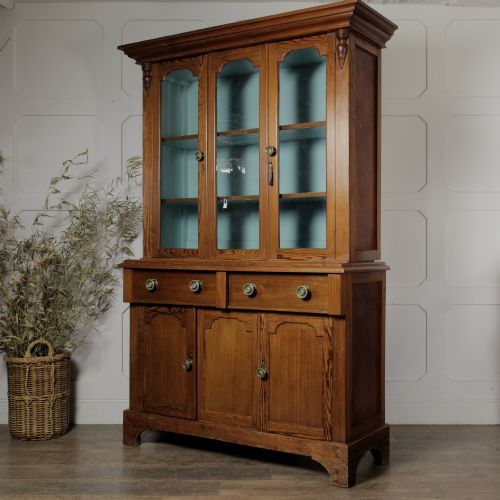
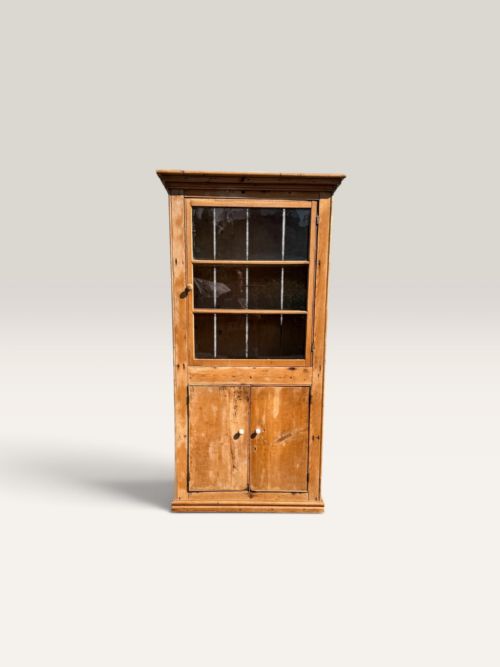
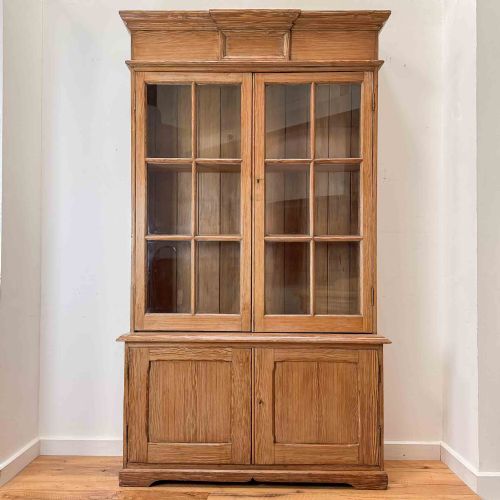
An antique pitch pine dresser combines deep storage capabilities with display surfaces, drawing on forms from Victorian and country traditions. These pieces range from upright glazed cupboards and bookcases to robust dresser bases and sideboards.
The versions most commonly met on this page span the nineteenth century, including specific dates such as eighteen eighty and eighteen ninety. Makers utilised the dense, resin-rich timber for both English country kitchens and more refined aesthetic period furniture.
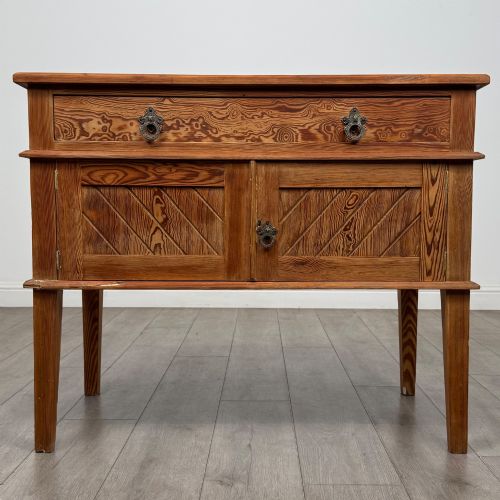
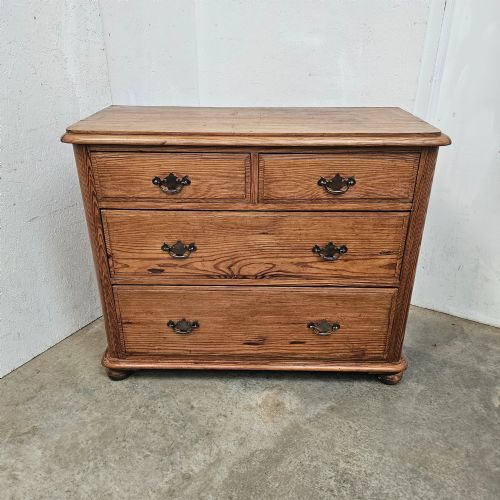
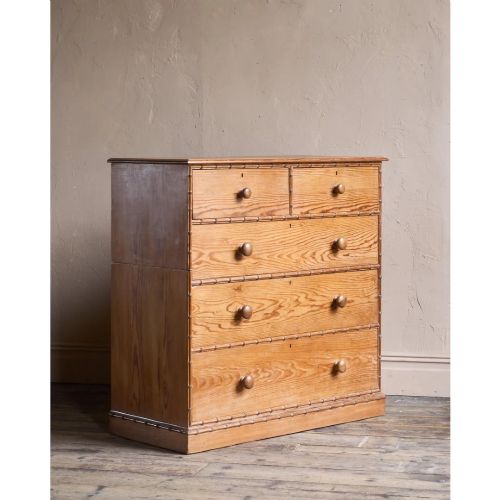
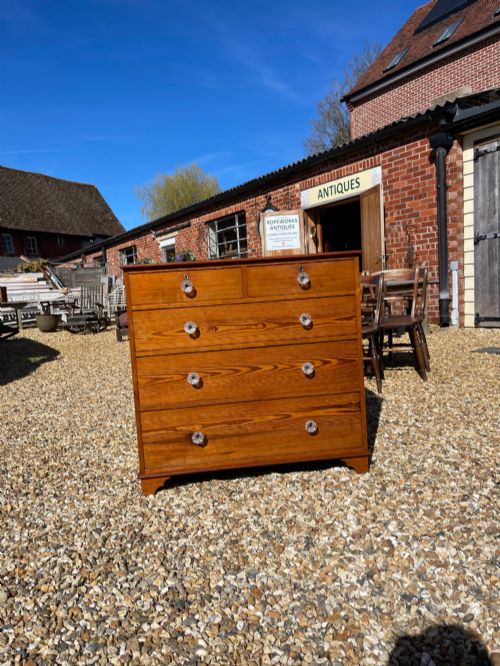
Forms extend beyond traditional kitchen furniture to encompass chests of drawers, side writing desks, and French provincial buffet deux corps. Each piece demonstrates the heavy utility expected of nineteenth century utility furniture.
Construction and materials
Carpenters built these pieces primarily using pitch pine and standard pine, occasionally incorporating secondary timbers like Oregon pine. Structural integrity often relied on iron and brass hardware to secure heavy doors and drawers.
Surface treatments varied from stripped natural timber showing the prominent grain to ebonised wood details. Glazed sections utilised fitted glass panes within timber frames to create display cabinets and bookcases.
One exceptional piece includes bamboo-turned elements, proving that even heavy nineteenth century timber could occasionally learn to bend.
Judging quality in pitch pine furniture
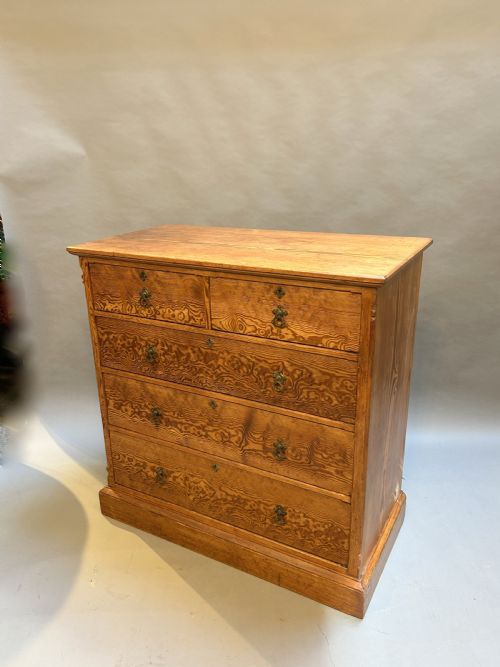
Quality rests upon the selection of timber, particularly the tightness and visual movement of the pitch pine grain. Finer examples display careful timber matching across large surfaces such as cupboard doors and dresser bases.
Construction methods distinguish superior workshop production from simpler vernacular pieces, visible in the precision of drawer dovetailing and the fit of glazed doors. Original hardware, including brass and iron fittings, contributes to the integrity of the piece.
Howard and Sons
The Antique Pitch Pine Dresser Glossary
- Pitch pine
- A dense, durable softwood characterised by a pronounced growth ring pattern and high resin content. It became popular during the nineteenth century for both domestic and institutional furniture.
- Buffet deux corps
- A large, two-section storage piece originating in France, typically featuring a lower cupboard base surmounted by an upper display or shelving unit. This form provides substantial architectural presence in a room.
- Aesthetic movement
- A late nineteenth century design style that emphasised visual beauty over narrative content, sometimes incorporating Japanese-inspired motifs or ebonised wood details into traditional forms.
- Glazed cupboard
- A cabinet featuring glass-fronted upper doors designed for the display of ceramics, books, or glassware. These pieces protect contents while keeping them visible.
- Dresser base
- The lower section of a traditional kitchen or dining room dresser, functioning as a standalone sideboard with drawers and cupboards. It offers a flat working or serving surface above enclosed storage.
Antique Pitch Pine Dresser: Frequently Asked Questions
What is a pitch pine dresser?
A heavy storage and display unit constructed from resinous nineteenth century pine, combining cupboards, drawers, or shelving.
These pieces served utilitarian roles in kitchens, dining rooms, and libraries, prized for the durability of the timber.
How do I clean pitch pine?
Dust regularly with a dry cloth and occasionally feed the timber with appropriate beeswax or natural furniture polish.
Avoid excessive moisture, which can penetrate stripped wood surfaces and alter the tone of the resinous grain.
Are these pieces strictly Victorian?
The majority originate from the nineteenth century, spanning Victorian periods and specific decades like eighteen eighty and eighteen ninety.
Stylistic influences also include French provincial and Aesthetic movement designs alongside standard English country workshop traditions.
Where were they used?
They originated primarily in country kitchens, pantries, and dining rooms where heavy storage and display space were essential.
Today they function effectively in modern kitchens, living rooms, and hallways as statement storage furniture.