



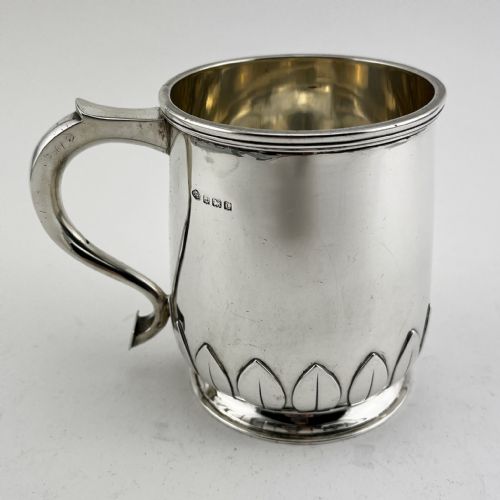

Antique Pint Tankard
An antique pint tankard brings the solid weight of tavern history and domestic hospitality directly to the modern table.
Antique Pint Tankard
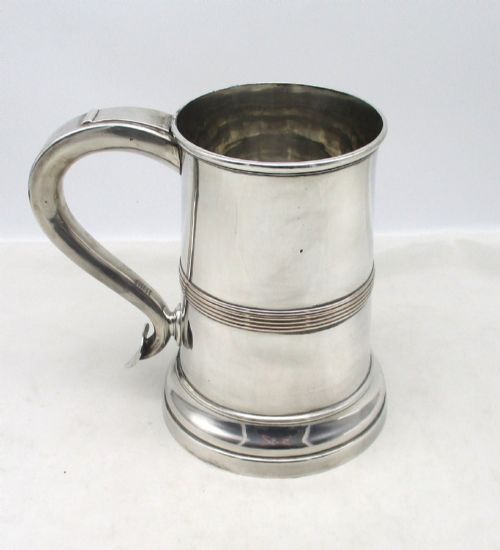
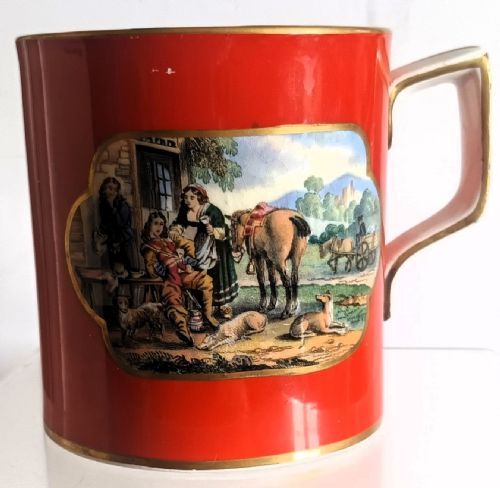
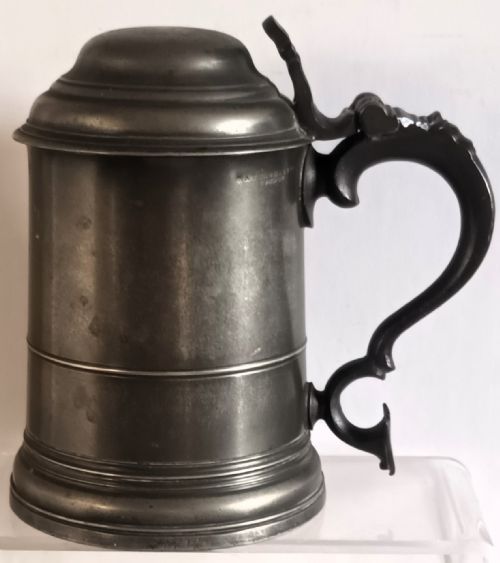
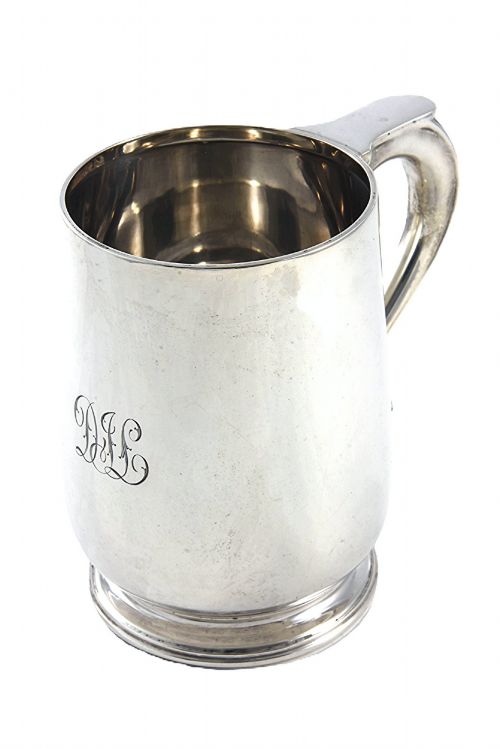
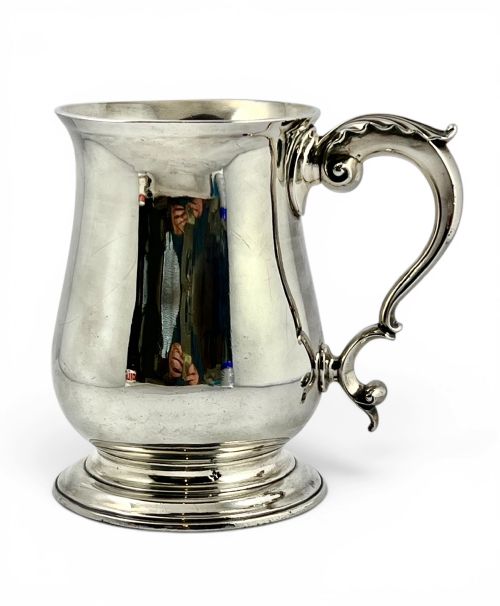
An antique pint tankard is a traditional drinking vessel designed to hold a precise measure of ale or beer, emerging in forms ranging from plain cylindrical bodies to tapered shapes. Collectors encounter these drinking vessels fashioned from sterling silver, Old Sheffield plate, pewter, copper, earthenware, and glass across the eighteenth and nineteenth centuries.
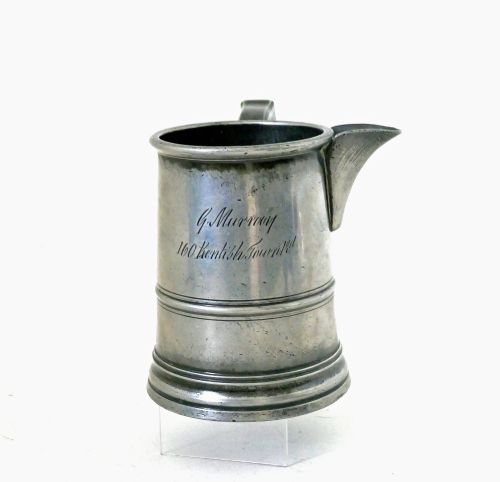
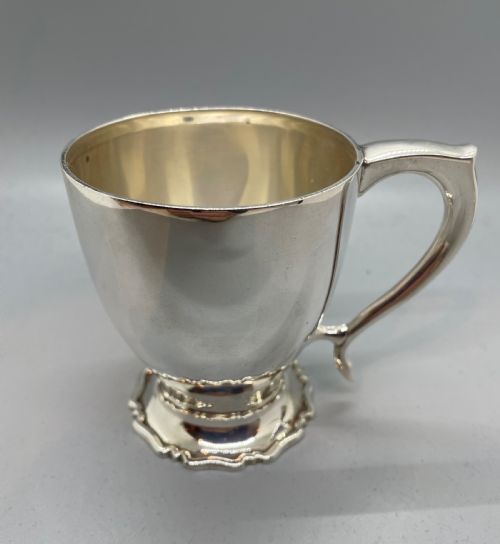
The versions most frequently met on this page span Georgian sterling silver pieces alongside Victorian pewter tavern measures and silver-plated examples from the 1800s. Makers also produced earthenware pottery mugs and specialised vessels like the Scottish tappit hen during these periods.
Domestic and tavern contexts defined the original use of these vessels, which range from plain domestic mugs to pieces stamped with institutional or regimental crests. Examples bearing school or yeomanry markings record specific historical communities alongside everyday drinking habits.
How They Were Made
Silver and Old Sheffield plate vessels were hammered, raised, or fused from sheets of metal, sometimes combining copper bases with thin silver layers. Pewter makers cast their alloy compositions in moulds before turning the metal on a lathe and finishing the surface by hand.
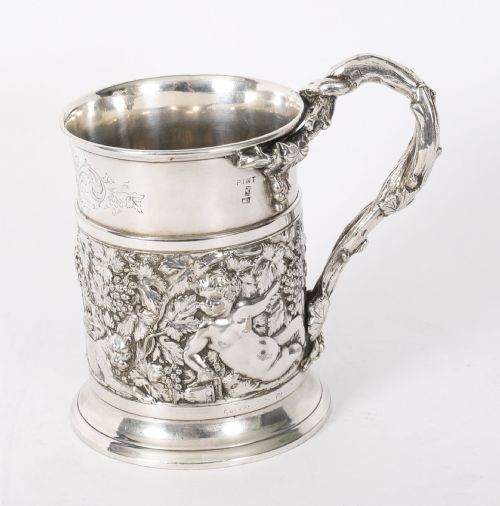
Pottery mugs relied on moulded earthenware, glazed and sometimes decorated with transfer printing or relief moulding as seen in Victorian examples. Engraving and embossing added armorial crests, names, and tavern details after the primary body of the tankard was formed.
Listings span the eighteenth, nineteenth, and early twentieth centuries, featuring materials from sterling silver and pewter to copper and earthenware.
What Varies in Quality
The calibre of a piece depends on the crispness of its original casting or hammering, alongside the preservation of engraved maker marks and touchmarks. Thicker gauge metal and well-balanced handles distinguish finer items from simpler utilitarian equivalents.
Historical provenance and original armorial engravings elevate the standing of individual pieces, particularly when tied to specific schools, regiments, or named taverns. Intact lids, thumbpieces, and verified maker attribution further separate standard examples from exceptional survivals.
Watts and Harton·William Grundy·Richard Morton·Frederic Sanders·Thomas Phillips I·Burgum and Catcott·G R Collis
The Antique Pint Tankard Glossary
- Old Sheffield Plate
- A composite material made by fusing a thin sheet of silver to a thicker copper base, common in eighteenth and nineteenth-century production. This technique preceded modern electroplating.
- Tappit Hen
- A traditional Scottish pewter measure with a lid and a bulbous body, often holding a specific capacity such as a Scots pint. These vessels date back to the eighteenth century.
- Touchmark
- An official stamp or hallmark impressed by a pewterer into their metalwork to certify quality and identify the workshop. These marks help historians date surviving pieces.
- Pratt-ware
- A type of English earthenware characterised by underglaze ceramic colours, typically blue, ochre, brown, and yellow. It was popular for domestic mugs during the Victorian period.
- Flagon
- A large drinking vessel with a handle and usually a lid, designed for communal or tavern use before individual tankards became standard. They appear in both pewter and silver.
Antique Pint Tankard: Frequently Asked Questions
What is a pint tankard?
A pint tankard is a handled drinking vessel made to hold one imperial pint of liquid, traditionally used for beer or ale in homes and public houses.
These pieces reflect the drinking customs of past centuries, combining functional capacity with decorative metalwork or ceramic design.
How were pewter tankards marked?
Pewter makers stamped their work with touchmarks, while tavern measures often received royal verification marks such as crown cyphers to prove their volumetric accuracy.
These stamps provide valuable clues regarding the maker, workshop location, and exact period of manufacture.
Can I use an antique tankard?
Many metal and glass tankards remain physically robust enough for daily use, though silver and plated items require careful hand washing to preserve their finishes.
Pewter containing historical lead content or delicate ceramic mugs are often collected primarily for display rather than beverages.