
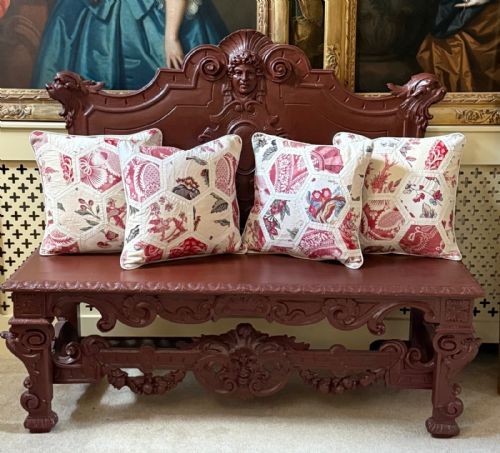
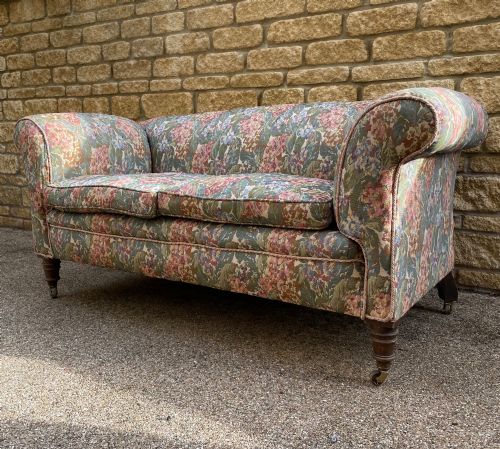
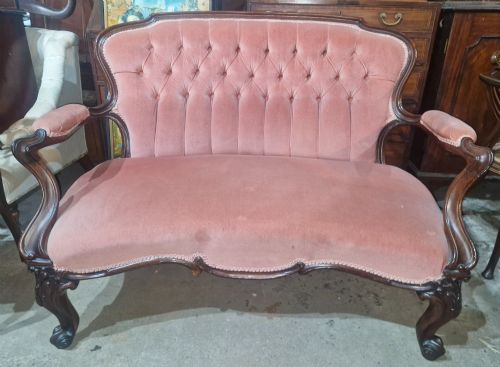
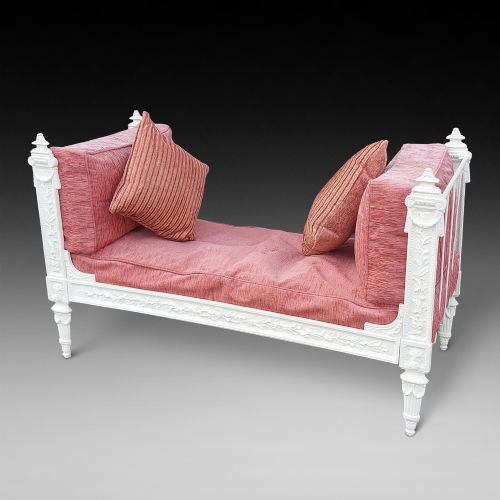


Antique Pink Sofa
An antique pink sofa brings rich textile warmth and classic nineteenth or early twentieth-century form to a room.
Antique Pink Sofa
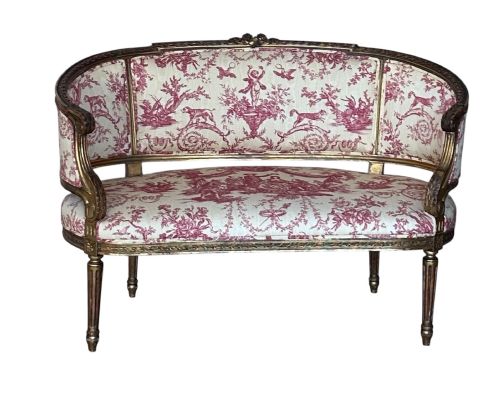
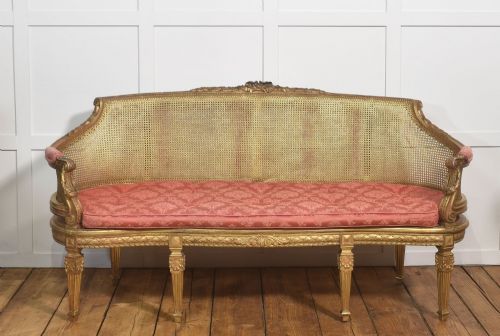
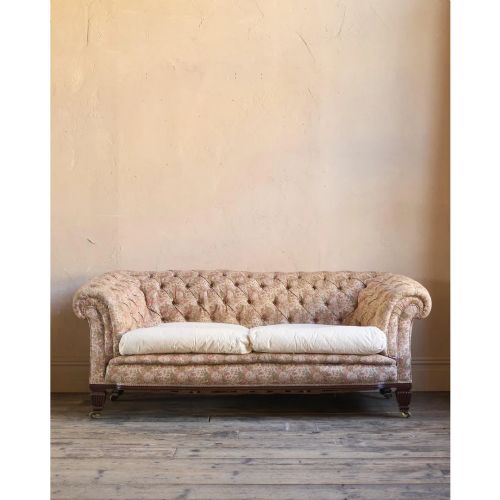
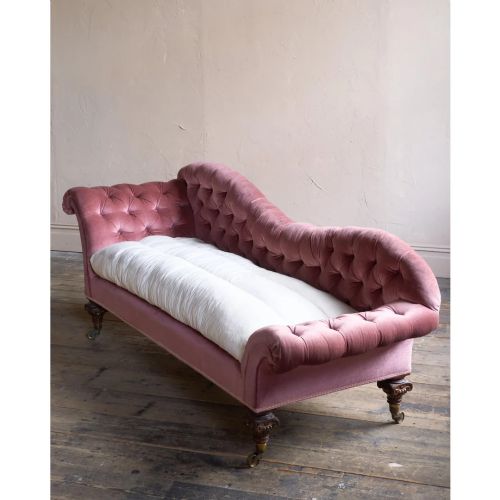
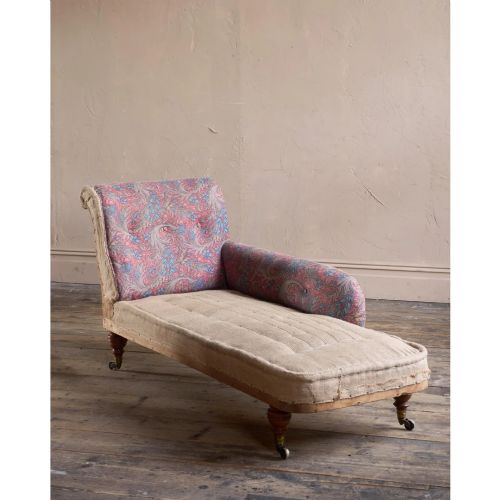
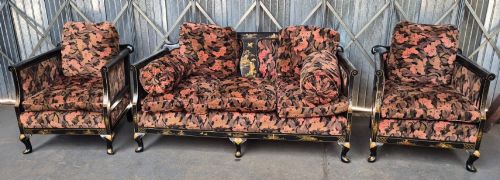
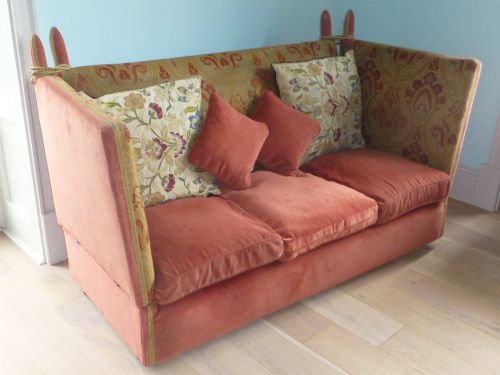
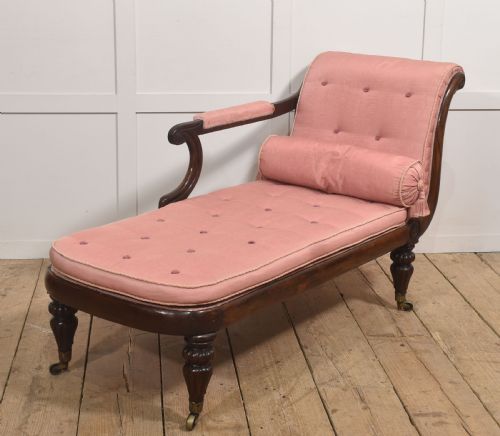
When you search for an antique pink sofa, you encounter a distinct group of nineteenth and early twentieth-century seating options that feature velvet, damask, or fabric upholstery in shades ranging from raspberry to soft rose. These pieces appear as traditional settees, drop-arm sofas, Knole styles, and chaise longues originating from Victorian, Edwardian, and French periods.
The selection includes compact daybeds and large country house suites alongside refined Louis XV and XVI style giltwood frames. Most examples integrate deep upholstery with exposed timber structures, combining functional comfort with period aesthetic character.
Materials and construction methods
Makers built these frames using dense hardwoods such as mahogany, walnut, and rosewood, alongside decorative carved gilder's wood and cast iron for specific daybed forms. Timber components frequently featured detailed scroll-ends, barley twist legs, or inlaid details.
Upholstery relied on traditional textiles including plush velvet, damask, and fabric, often paired with brass castors and structural elements like cane panels or exposed mahogany framing.
Listings span the Victorian and Edwardian eras, incorporating French styles alongside English walnut and mahogany frames.
Assessing craftsmanship and condition
Quality rests upon the integrity of the timber frame, the precision of carved details such as scroll-ends or giltwood motifs, and the preservation of original maker signatures or stamps. Superior pieces display substantial cabinetmaking skill in structural joints and balanced proportions.
The grade of the textile upholstery and the authenticity of period elements significantly influence the standing of an individual item, distinguishing standard commercial production from workshop pieces.
Howard and Sons·Holland and Sons·Gillows·William Birch
The Antique Pink Sofa Glossary
- Chaise Longue
- An upholstered long chair designed for reclining, featuring a backrest at one end and occasionally a single arm.
- Knole Sofa
- A traditional English sofa style characterised by high, adjustable or drop arms tied in place with cords or upholstery braids.
- Giltwood
- Timber treated with gold leaf or gilt preparation, commonly utilised on decorative French-style frames.
- Bergere
- A closed-arm upholstered armchair or sofa featuring cane or woven wicker side panels.
- Chesterfield
- A deep-buttoned sofa traditionally upholstered in leather or heavy fabric with arms and back of the same height.
Antique Pink Sofa: Frequently Asked Questions
How do I clean antique velvet upholstery?
Velvet requires gentle surface brushing to lift the pile and remove dust without crushing the delicate fibres. Professional textile cleaning is advisable for deeper marks to preserve the antique fabric.
Avoid using water or standard domestic detergents directly on historical textiles as moisture can cause permanent water rings and weaken backing materials.
Can I use an antique sofa every day?
Many nineteenth-century frames possess robust hardwood internal construction that easily accommodates daily domestic seating. Regular weight distribution helps protect older webbing and internal stuffing from premature sagging.
Lighter salon settees and delicate giltwood frames suit gentle use better than heavy country house or Chesterfield sofas designed for heavy lounging.
What is a drop arm sofa?
A drop arm mechanism allows one or both ends of the sofa to lower horizontally, converting the seating area into a daybed or sleeping surface. This practical design was popular in Victorian drawing rooms for afternoon resting.
The metal ratchets or hinges operating the drop arm require occasional light lubrication to maintain smooth movement.
How do I identify a French style sofa?
French style pieces from the nineteenth century typically exhibit exposed carved giltwood or polished walnut frames with cabriole legs and floral motifs. Louis XV and XVI revivals lean towards curved lines or restrained neoclassical symmetry.
These frames often feature cane side panels or exposed woodwork surrounding raspberry velvet or damask upholstery.