


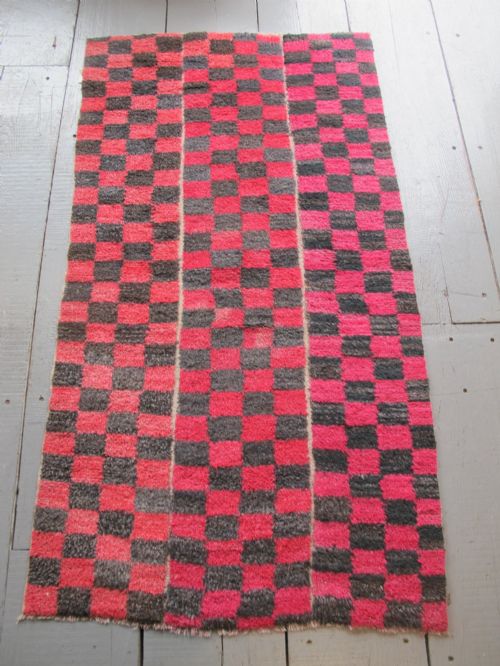
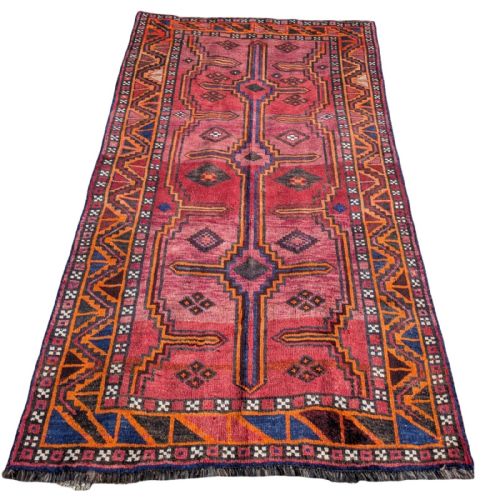
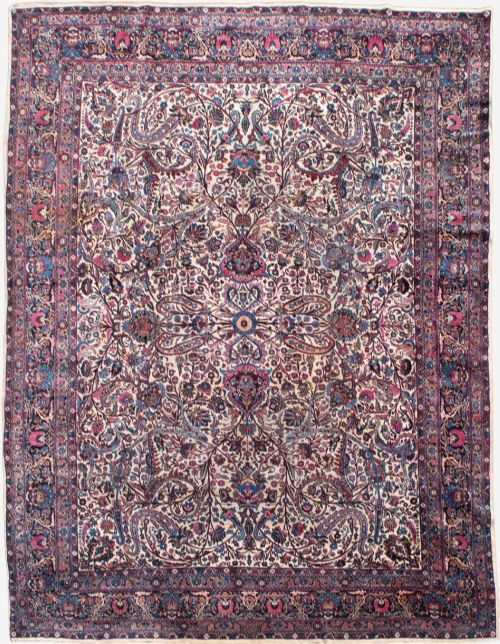
Antique Pink Rug
An antique pink rug brings warmth and history to a floor, spanning regional weaving traditions from Persian workshops to Turkish looms.
Antique Pink Rug
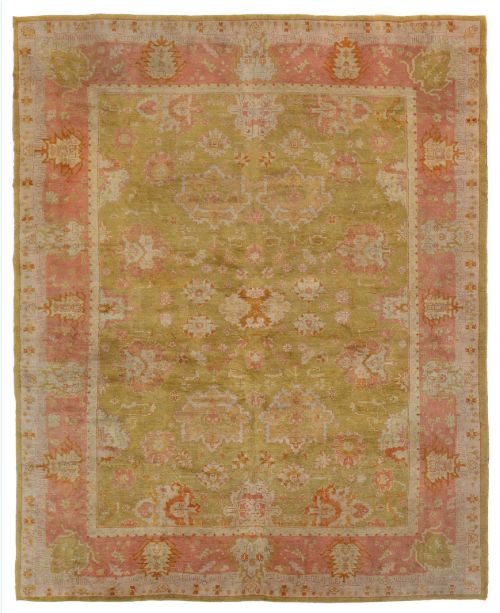
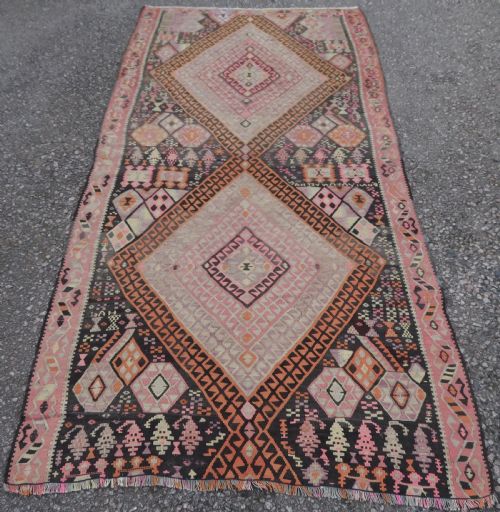
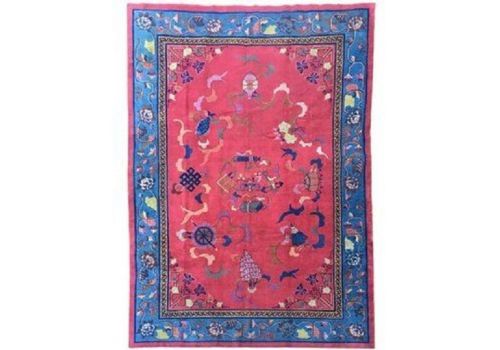
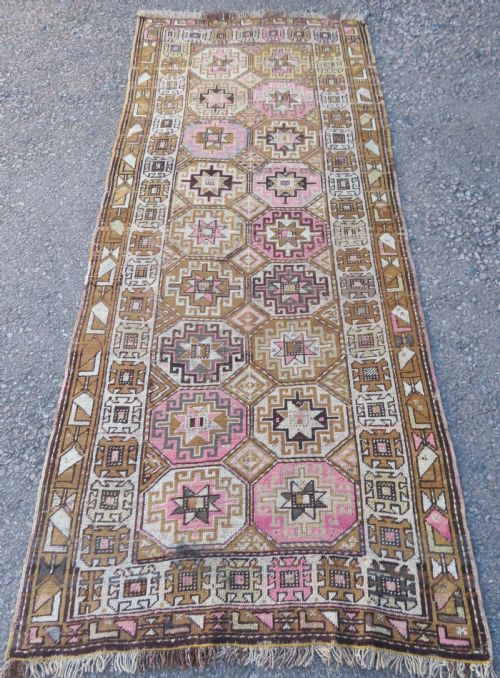
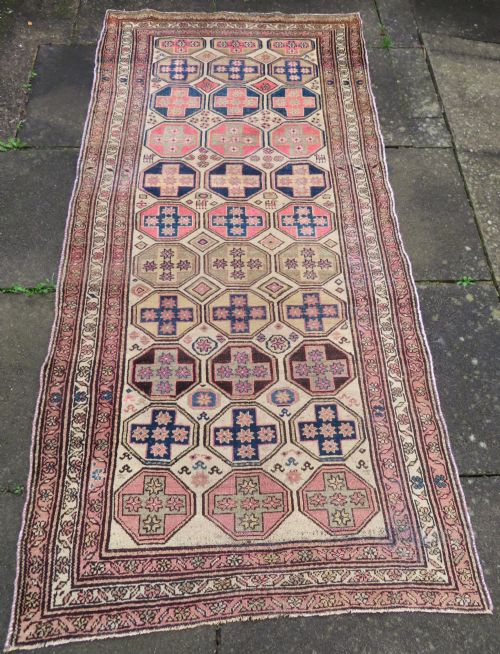
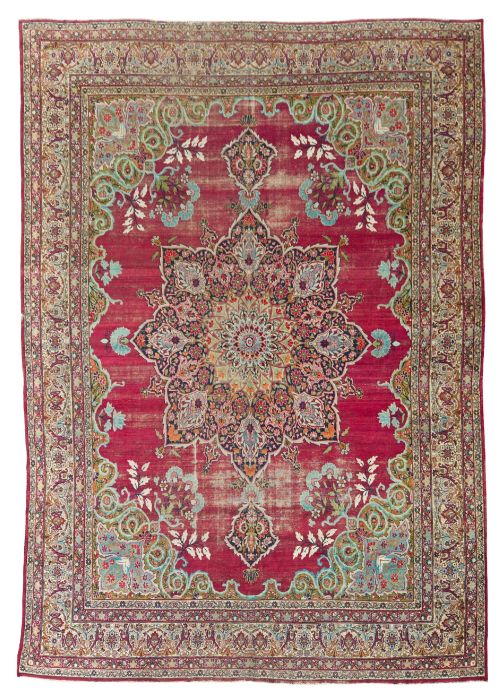
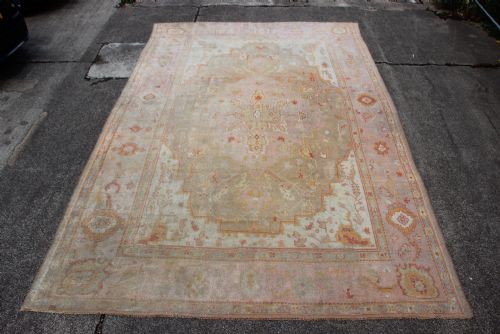
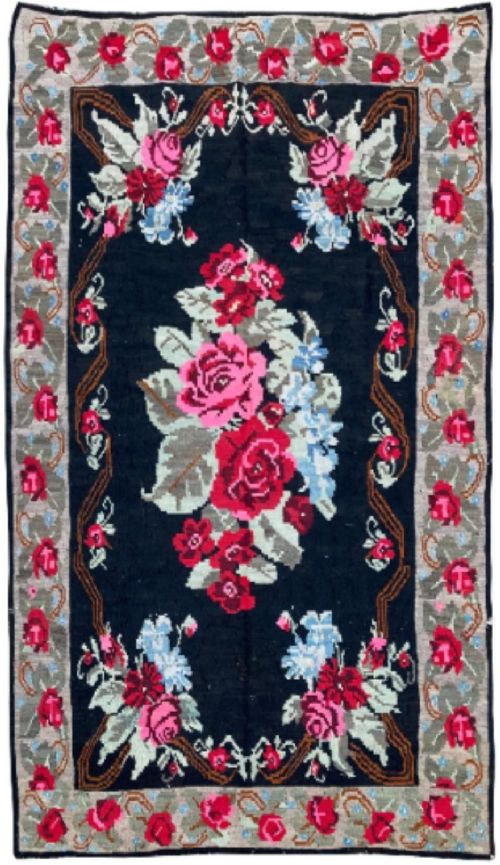
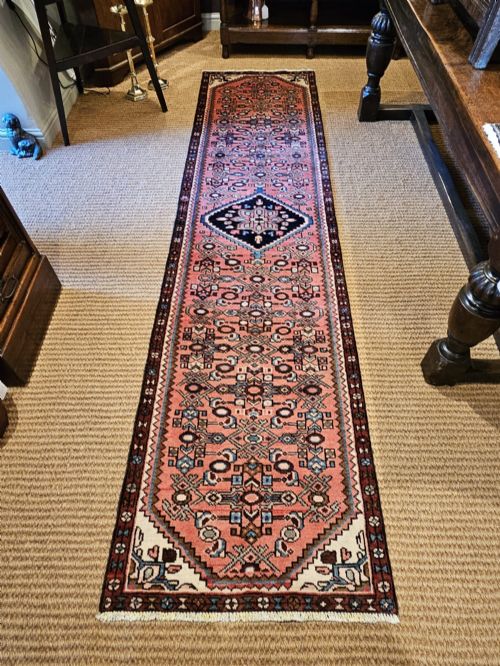
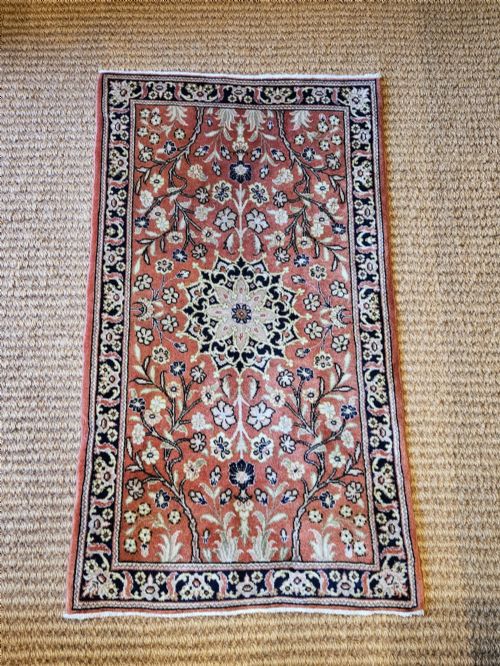
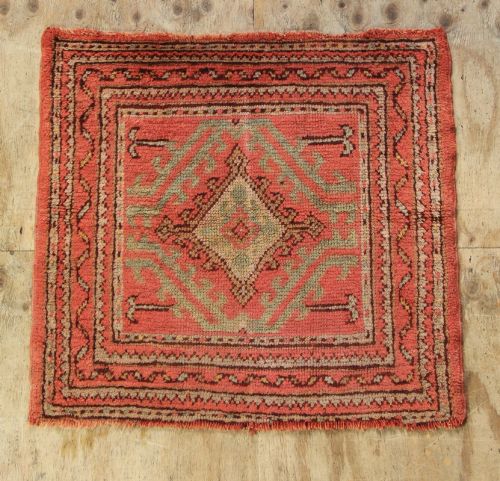
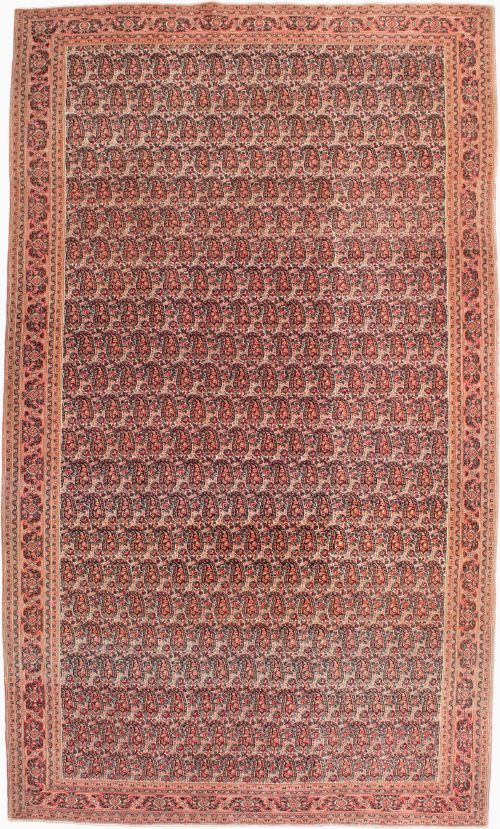
An antique pink rug encompasses hand-woven floor coverings and textiles featuring distinct rose, madder, and faded pink tones produced across the Middle East, Asia, and Europe. When searching for an antique pink rug, buyers encounter diverse regional styles including Persian Kirman and Heriz pieces, Turkish Oushak and Kurdish carpets, alongside Central Asian flatweaves.
The selection ranges from large reception carpets spanning several metres to smaller village rugs, mats, runners, and meditation pieces. Production dates span the nineteenth century through the early decades of the twentieth century, with numerous examples originating around eighteen-eighty to nineteen-thirty.
Makers utilised wool, cotton, silk, and Tibetan wool, often employing natural dyes that softened over generations into gentle, muted shades. Buyers find both finely knotted city workshop carpets with intricate floral motifs and sturdier tribal or village pieces displaying geometric patterns.
How they were made
Weavers constructed these textiles predominantly using hand-knotted pile or flatweave techniques on cotton or wool foundations. Artisans tied symmetrical or asymmetrical knots by hand, building up dense structures designed to endure heavy daily use in homes.
Craftspeople relied on natural dyes extracted from plants, roots, and insects to colour the wool and silk yarns. Madder root frequently provided the basis for the red and pink hues, which mellowed gradually through decades of exposure to light and wear.
Antique Pink Rug Retail Price Guide 2026
Typical asking prices for pink rug among the pieces listed under this phrase on Sellingantiques today, from the lower quarter to the upper quarter. They describe what is for sale here now, not the wider market.
Some nomadic bread spreads doubling as rugs spent their early lives wrapped around dough rather than resting on parlour floors.
What varies in quality
Knot density and structural integrity separate fine city workshop carpets from simpler village or tribal pieces. Higher knot counts permitted greater detail in complex floral and medallion designs, whereas coarser weaves lent themselves to bold, geometric compositions.
The choice of materials and the quality of the dye work heavily influence the character of each piece. Superior wool retained its lustre and handled natural dyeing processes evenly, producing the nuanced, faded patina prized by collectors.
The Antique Pink Rug Glossary
- Kilim
- A flat-woven carpet or rug produced without a pile, created by tightly interlocking warp and weft threads.
- Oushak
- A traditional style of carpet originating from the town of Ushak in western Anatolia, known for large-scale floral designs and soft colour palettes.
- Kirman
- A Persian city carpet style originating from Kerman province, celebrated for intricate floral compositions and fine wool.
- Sofreh
- A traditional woven cloth or spread used historically for preparing and serving food in nomadic households.
Antique Pink Rug: Frequently Asked Questions
How do I clean an antique pink rug?
Gentle surface cleaning and regular light vacuuming without a rotating brush help maintain the wool and natural dyes safely.
Professional specialist washing is recommended for deeper cleaning to protect the delicate antique foundation fibres.
Where were these rugs made?
Production centres span traditional weaving regions including Persia, Anatolia, the Caucasus, and Central Asia.
Specific towns and nomadic groups such as Oushak, Kirman, Kurdish tribes, and Uzbek workshops each developed distinct regional styles.
How can I tell the age of a rug?
Examining the type of dyes, the wear patterns, and the construction materials provides clues to the period of manufacture.
Natural dye variations and hand-spun wool structures generally point towards nineteenth or early twentieth-century production.
Are these rugs suitable for high traffic areas?
Sturdier village and tribal weaves handle moderate daily footfall well due to their robust wool construction and dense knotting.
Finer silk or delicate antique pieces benefit from placement in lower-traffic rooms to preserve their condition.