





Antique Pink Ceramic Jar
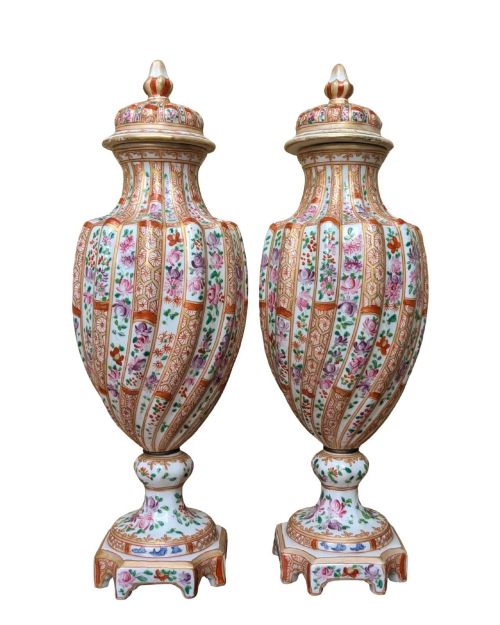
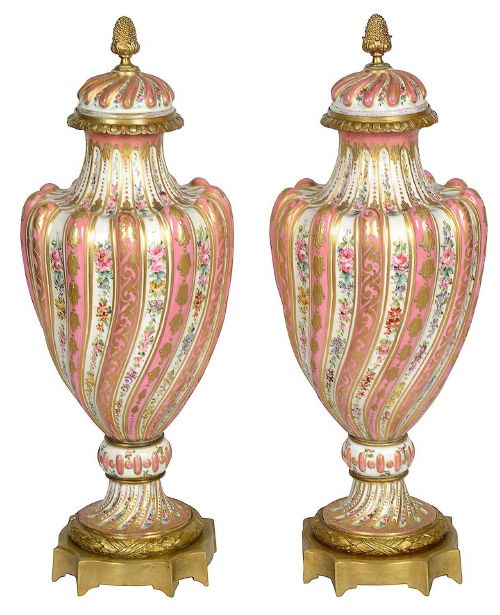
These antique pink ceramic jar pieces bring vibrant colour and historic craftsmanship to a room.
Antique Pink Ceramic Jar
When searching for an antique pink ceramic jar, buyers encounter an eclectic mix of European and Asian traditions ranging from the mid 1700s to the Art Deco period.
The selections span functional lidded vessels, ginger jars, sugar bowls, and monumental floor vases created in stylistic movements such as Qing Dynasty, French Rococo Revival, and Victorian.
Most pieces appearing on this page belong to the 19th Century, encompassing Chinese export wares alongside European porcelain manufacturers.
Materials and construction
Artisans utilised porcelain and earthenware as the primary base materials, shaping vessels by hand or mould before applying intricate surface treatments.
Decoration relied heavily on overglaze enamel techniques, often supplemented by hand painted details and gilt highlights upon coloured ground ceramics.
Antique Pink Ceramic Jar Retail Price Guide 2026
Typical asking prices for pink ceramic jar among the pieces listed under this phrase on Sellingantiques today, from the lower quarter to the upper quarter. They describe what is for sale here now, not the wider market.
A cheerful porcelain jester grins from an Art Deco powder box, keeping watch over stray hairpins.
Evaluating craftsmanship and artistry
The standard of execution in hand painted motifs separates ordinary utility items from finer cabinet pieces and monumental floor vases.
Complexity of surface design, particularly in multi figure compositions and intricate floral borders, distinguishes superior artistic output.
The Antique Pink Ceramic Jar Glossary
- Famille rose
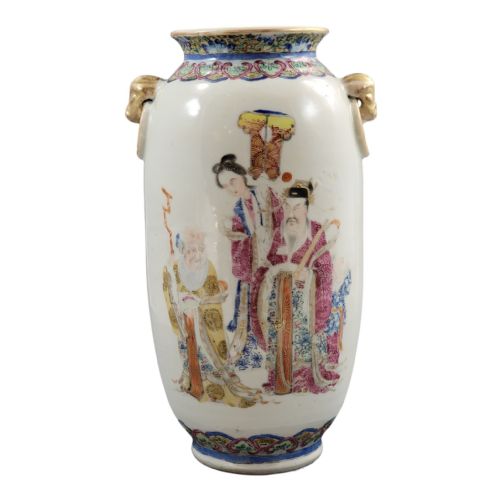
- A major palette of Chinese ceramic glazes introduced in the Qing dynasty, characterised by opaque pink enamel derived from colloidal gold. This distinctive hue defines many pieces grouped under pink ceramic categories.
- Overglaze enamel
- A decorative technique where coloured pigments are applied over a previously fired and glazed ceramic surface before a low temperature second firing. It permits vivid pictorial scenes on porcelain.
- Pot pourri
- A vessel designed with a pierced or perforated lid to diffuse fragrance from dried floral materials into a room. These containers often feature elaborate painted decoration.
- Ginger jar
- A high shoulder ceramic container originally used to store spices and preserves in China, later adapted in the West purely for decorative display.
- Gilt
- A thin layer of gold applied to the surface of porcelain or metal mounts for ornamentation. This finish accentuates rims, handles, and painted panel borders.
Antique Pink Ceramic Jar: Frequently Asked Questions
How were ginger jars originally used?
Originally, these covered containers transported spices, ginger, and other valuable commodities along trade routes from Asia to Europe.
Over time, Western households repurposed them as purely ornamental furnishings, often displayed in matched pairs on mantelpieces or side tables.
What periods do these ceramics cover?
The inventory spans several centuries, starting from mid 1700s European earthenware through to 19th century Chinese export porcelain and early 20th century Art Deco vanity items.
Victorian and Qing Dynasty aesthetics dominate the selection, reflecting distinct global trade and decorative movements.
How do I identify Chinese export pieces?
Chinese export ceramics destined for Western markets frequently utilise the famille rose palette, depicting traditional figures such as Magu and Shoulao amidst detailed floral borders.
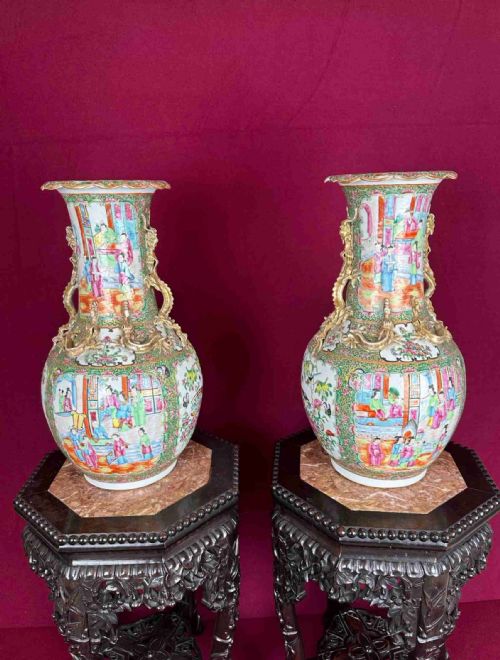
Canton and Jingdezhen workshops produced many of these distinctively large vases and lidded jars during the nineteenth century.
Where can I display a lidded pail?
Lidded pails and pot pourri vessels work well on sturdy occasional tables, pedestals, or within dedicated display cabinets where their hand painted surfaces remain protected.
Their robust porcelain or earthenware construction allows them to anchor larger decorative arrangements in a room.