




Antique Lidded Sugar Pot
An antique lidded sugar pot holds the sweetness of past centuries, combining small domestic ceremony with fine craftsmanship across silver, glass and porcelain.
Antique Lidded Sugar Pot
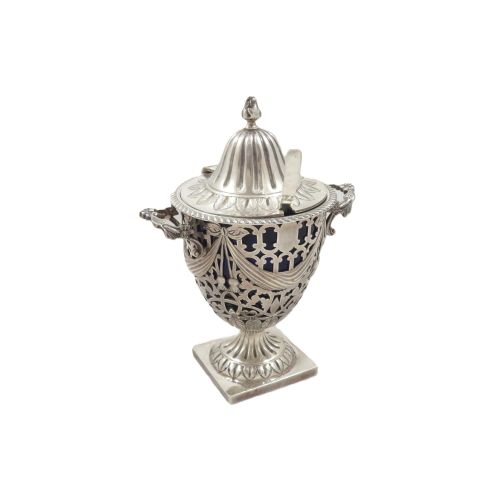
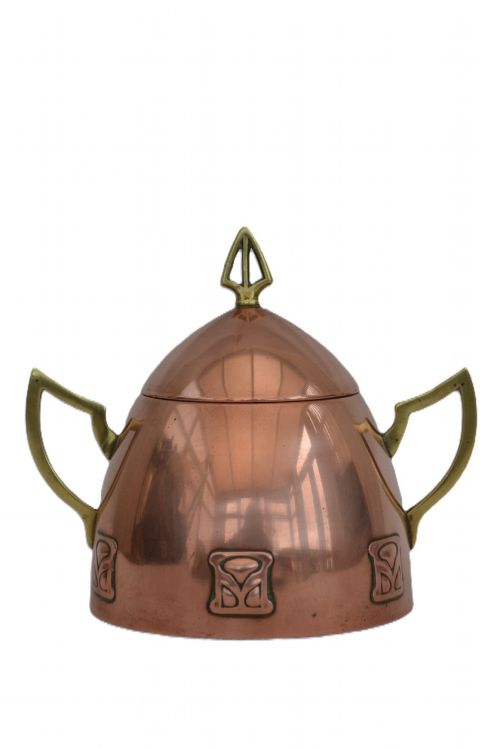
An antique lidded sugar pot is a covered vessel designed for the tea table, appearing in forms such as sugar bowls, baskets, urns, and bonbonnières. The pieces gathered under this search span multiple periods, from mid-eighteenth-century European pieces to Edwardian sterling silver and Art Nouveau copper.
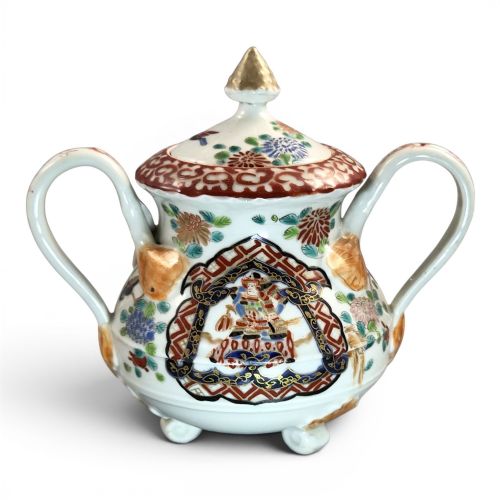
Buyers are most likely to encounter nineteenth-century examples and Edwardian tableware on this page, reflecting the wider availability of porcelain and silver from those eras. These vessels range from delicate glass preserve pots to robust Japanese Imari porcelain and English silver baskets with lids.
The styles shift from Rococo Revival and Georgian formality to Meiji period Japanese design and Secessionist Art Nouveau. Each form serves the same domestic function while displaying the distinct aesthetic priorities of its origin and decade.
How they were made
Makers shaped these pots from sterling silver, copper, and brass, alongside ceramic bodies of porcelain and earthenware. Glass versions utilise cranberry glass, cobalt glass, and white latticinio techniques with blue cane rims.
Decoration relied on hand-painted enamels, gilding with gold leaf, and intricate cutting of glass. Metalwork involved plating, piercing, and silversmithing techniques to form baskets, urns, and fitted lids.
Antique Lidded Sugar Pot Retail Price Guide 2026
Typical asking prices for lidded sugar pot among the pieces listed under this phrase on Sellingantiques today, from the lower quarter to the upper quarter. They describe what is for sale here now, not the wider market.
Samurai warriors stand guard on nineteenth-century Japanese Imari porcelain, keeping watch over the sugar.
What varies in quality
The standard of a pot depends upon the crispness of its hand-painted decoration, the weight and purity of its silver or metal, and the precision of its lid fit. Superior porcelain shows refined translucency and hand-applied detail rather than transfer printing.
Artisanal execution dictates value, seen in the depth of glass cutting, the clarity of enamel work, and the fidelity of historical style execution by established makers and studios.
WMF·Asprey and Co·Baccarat·Richard Ginori·Meissen
The Antique Lidded Sugar Pot Glossary
- Sucrier
- A French term for a sugar bowl, often featuring a fitted lid and matching saucer or stand. It forms a central component of antique tea services.
- Bonbonniere
- A small decorative container designed to hold sweets or bonbons. These lidded vessels often employ fine porcelain or glass.
- Latticinio
- A glassblowing technique involving opaque white or coloured glass threads embedded within clear glass. It creates delicate net-like patterns across the body of the pot.
- Imari
- A style of Japanese porcelain decorated in underglaze blue, iron red, gold, and auxiliary colours. It gained immense popularity in Europe during the export periods.
- Pot Pourri Basket
- A pierced or openwork vessel with a lid, designed to hold dried flowers and spices for scenting a room. They share structural similarities with covered sugar containers.
Antique Lidded Sugar Pot: Frequently Asked Questions
What is the difference between a sugar bowl and a sucrose pot?
A sucrose pot or sucrier specifically denotes a covered vessel used for storing and serving refined sugar during formal tea services. Many examples include matching lids to keep the contents clean.
General sugar bowls span open basins and lidded forms alike, depending on the period and regional dining customs.
How were lidded sugar pots used historically?
These vessels sat upon the tea table or sideboard during formal gatherings to dispense sugar into cups. The lid protected the contents from dust and moisture.
In wealthier households, they formed part of a matched silver or porcelain tea service that demonstrated the host's social standing.
Can I use an antique sugar pot for daily dining?
Many silver and porcelain pots remain structurally sound for gentle everyday use, provided they receive careful hand washing. Historic metal and enamel finishes require protection from harsh detergents.
Fragile glass and delicate nineteenth-century porcelain are often better suited for display or occasional festive use.
How do I identify an Edwardian silver sugar basket?
Edwardian silver pieces typically bear hallmarks indicating Birmingham or Sheffield assay offices alongside date letters from the early nineteen hundreds. They frequently feature pierced metalwork and swing handles.
Matching lids on these baskets complete the urn or basket silhouette popular during that era.