

Antique Pine Wooden Furniture
Antique pine wooden furniture brings honest utility and warm domestic character into a room through honest timber surfaces and straightforward vernacular forms.
Antique Pine Wooden Furniture
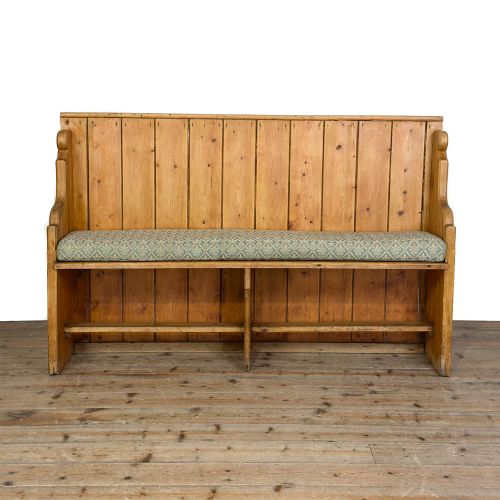
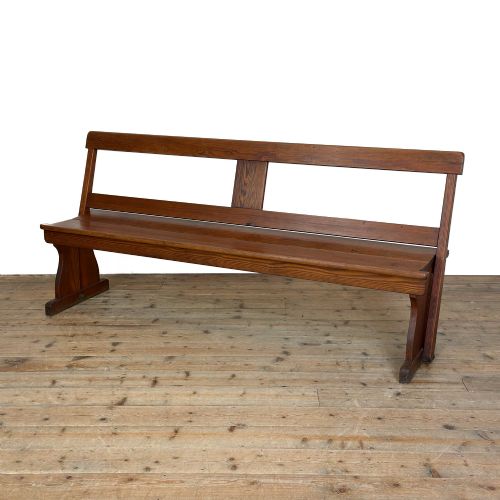
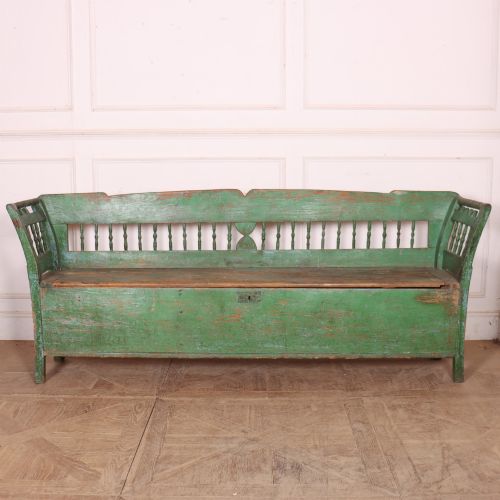
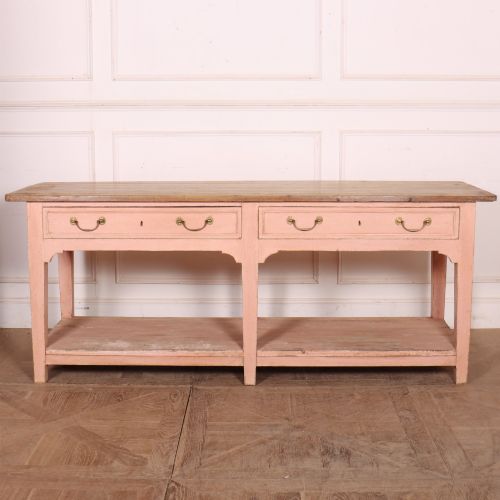
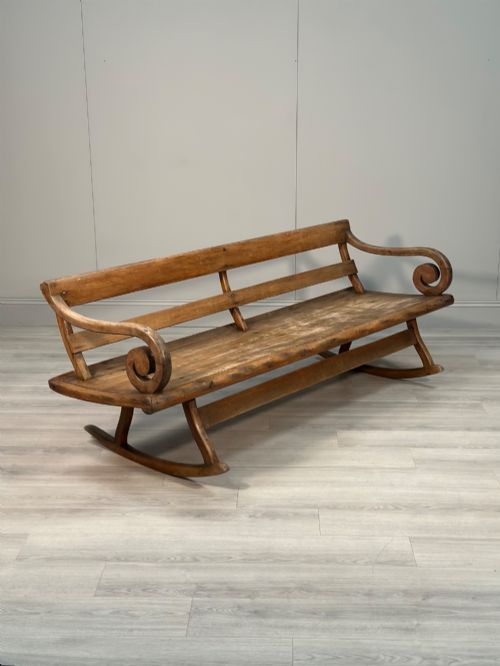
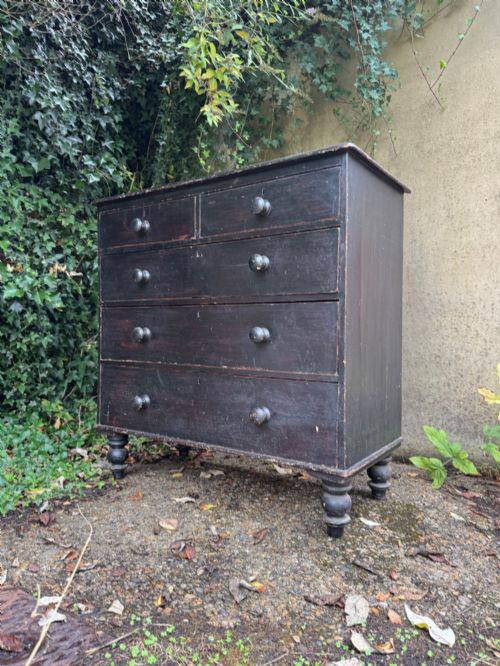
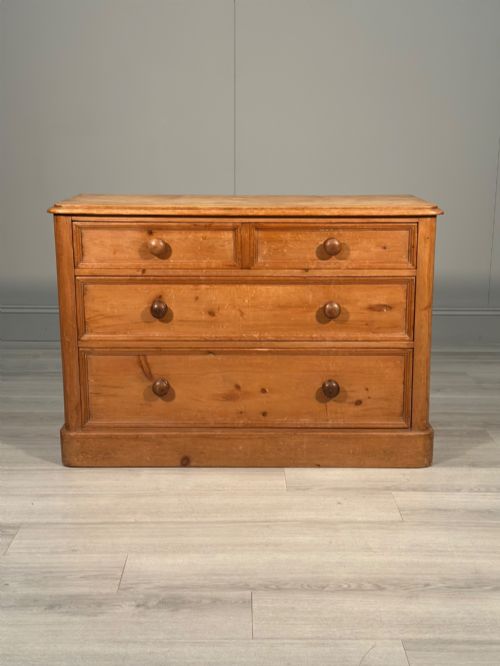
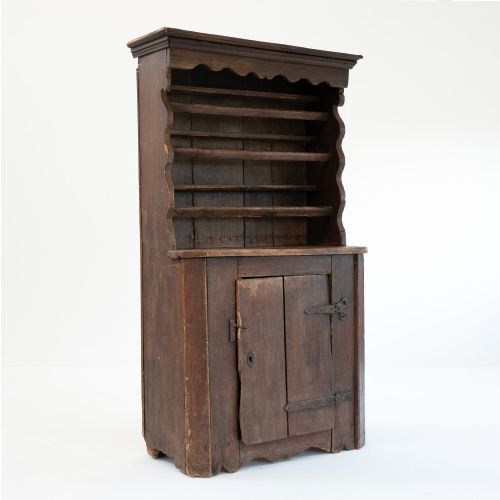
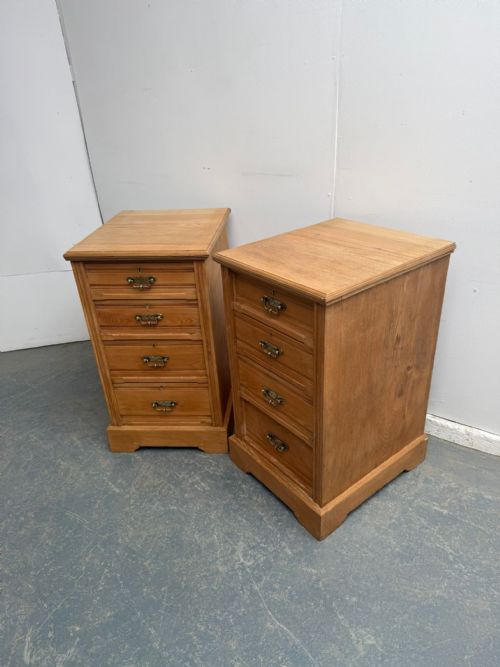
When you search for antique pine wooden furniture, you encounter practical domestic pieces built primarily for storage and seating in rural and household settings. The selection ranges from nineteenth-century chests of drawers and kitchen dresser bases to settles, benches, and washstands originating from British, Irish, and continental workshops.
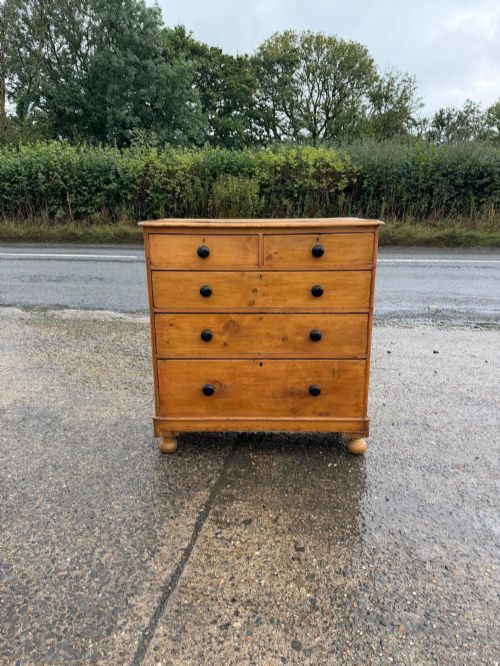
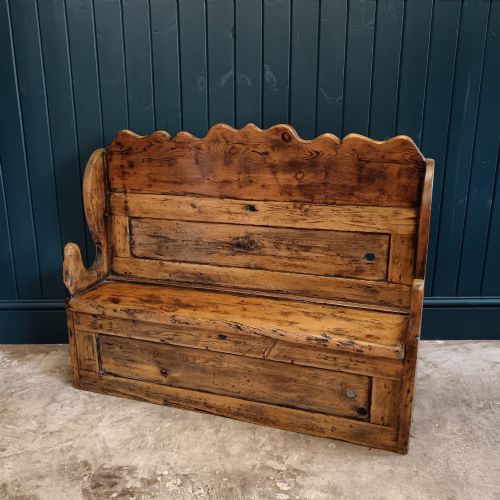
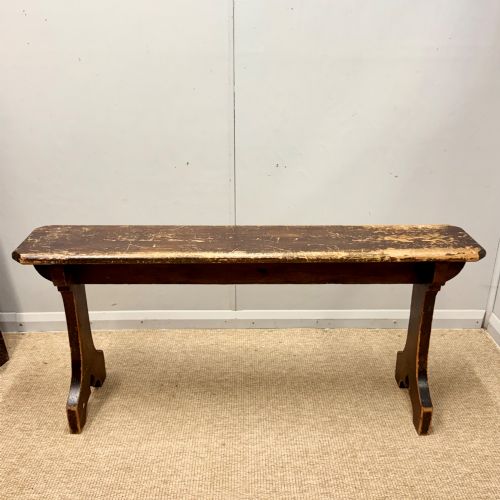
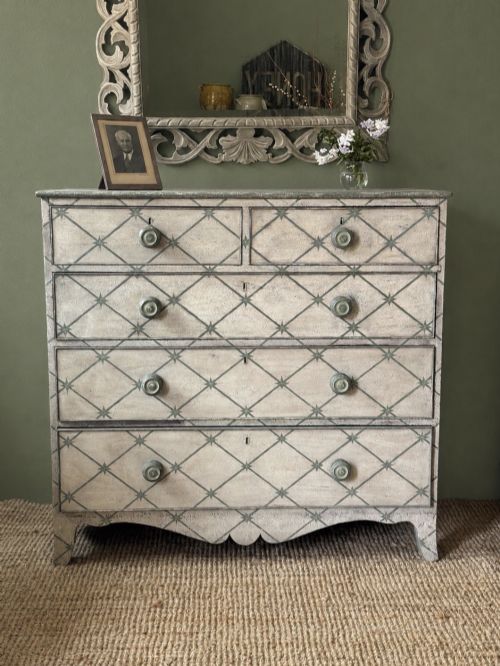
The most common items on this page are nineteenth-century chests of drawers and rustic farmhouse benches, alongside painted cupboards and work tables. These items reflect the utilitarian needs of domestic spaces before the advent of mass industrial production.
Pieces span several periods, with eighteenth-century examples appearing alongside Victorian and early twentieth-century items. Regional variations emerge clearly, from Welsh and Scottish vernacular work to Scandinavian and Austrian country pieces.
Materials and construction methods
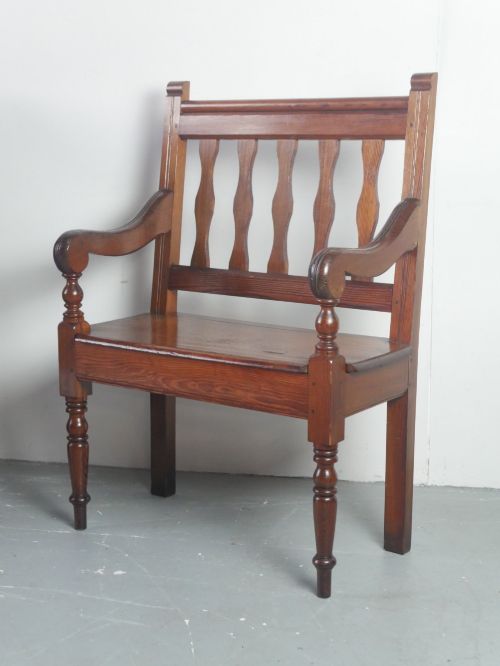
Makers utilised native softwoods, predominantly pine and pitch pine, often supplementing the timber with harder woods like elm or ash for structural elements and seating. Surfaces were typically finished with wax to nourish the grain or coated in original paintwork that has survived through generations.
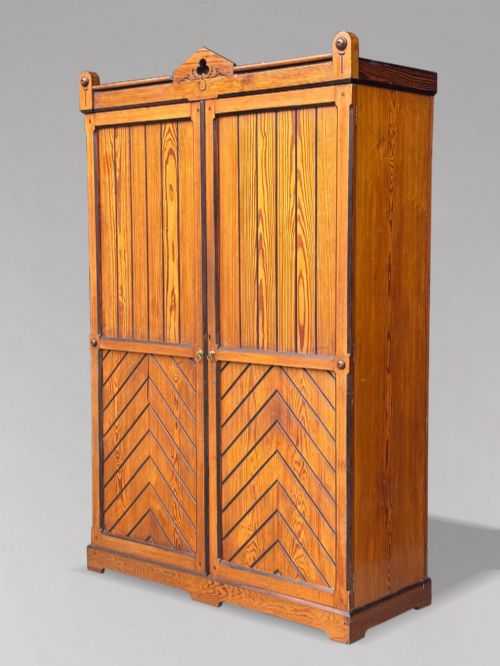
Joinery techniques relied on straightforward dovetailed drawers, mortise and tenon frames, and pegged joints designed for daily service rather than decorative display. Iron and brass fittings, including drop handles and hinges, provided functional reinforcement to heavy storage chests and wardrobes.
One nineteenth-century Eastern European milking stool arrives coated in its original green paint.
Evaluating quality and authenticity
Quality rests primarily on the integrity of the timber surfaces and the survival of original finishes, whether through unpolished honey-brown patination or untouched historic paint. Pieces retaining their original backboards, drawer linings, and hardware command greater respect than those heavily altered or stripped down to raw wood.
Proportion and utility also separate everyday utility items from finer vernacular examples. A well-proportioned chest of drawers with balanced drawer configurations or a bench with undisturbed structural joints demonstrates superior regional craftsmanship.
Johnston’s of London·Howard and Sons
The Antique Pine Wooden Furniture Glossary
- Vernacular furniture
- Domestic pieces made by local jobbing carpenters for everyday use rather than high-style urban workshops. These items follow regional traditions rather than prevailing fashion.
- Patina
- The surface sheen and colour acquired by wood through decades of handling, polishing, and exposure to light. A warm patina indicates genuine age and continuous use.
- Dovetail
- A joint used to secure drawer corners, formed by interlocking wedge-shaped fingers. Hand-cut dovetails are irregular and signal earlier manufacture.
- Pitch pine
- A heavy, resinous variety of pine noted for its prominent grain pattern and durability. It was frequently utilised for robust furniture like washstands and desks.
- Settle
- A wooden bench featuring a high back to block draughts and solid arms. Many examples include storage compartments beneath the seat.
Antique Pine Wooden Furniture: Frequently Asked Questions
How do I date antique pine furniture?
Dating relies on examining construction methods, tool marks, and hardware. Hand-cut dovetails, handmade screws, and timber shrinkage point towards earlier periods.
Changes in handles and hinges over time also provide clues, alongside any recorded maker stamps or regional stylistic traits.
Should I wax or paint pine furniture?
Preserving existing finishes is standard practice for retaining historic character. If a piece has a dry wax surface, regular waxing maintains the timber.
Original paint layers should be left untouched, as stripping historic pigment destroys the piece's historical context and value.
How do I care for antique pine surfaces?
Keep wooden furniture away from direct heat sources and strong sunlight to prevent the timber from drying out and splitting. Apply natural beeswax sparingly and buff gently with a soft cloth to maintain the lustre.
Avoid using modern silicone-based polishes, which can damage historic finishes over time.