


Antique Picture Print
An antique picture print brings centuries of graphic art, engraving, and hand-finished illustration into domestic spaces.
Antique Picture Print
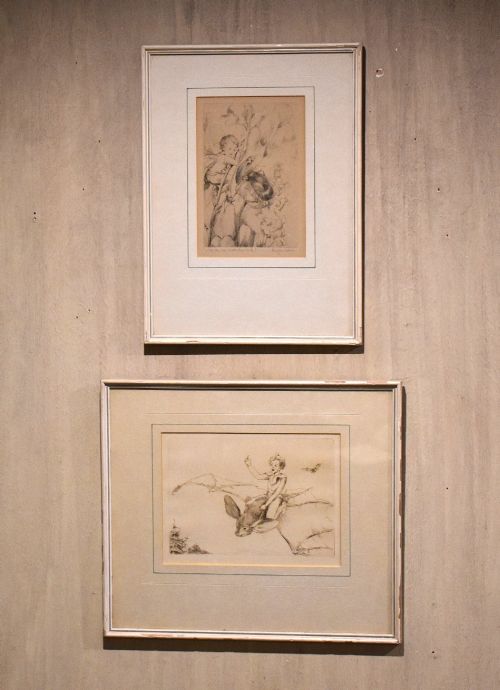
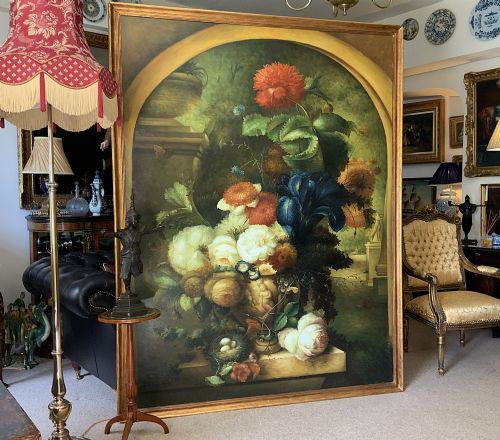
When searching for an antique picture print, buyers encounter an array of wall art spanning from the seventeenth century through to the mid-twentieth century. The selection encompasses framed prints, etchings, engravings, and mezzotints alongside related watercolours and oil paintings.
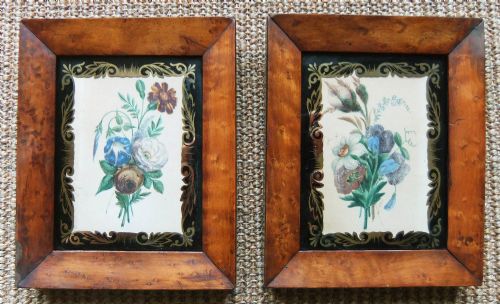
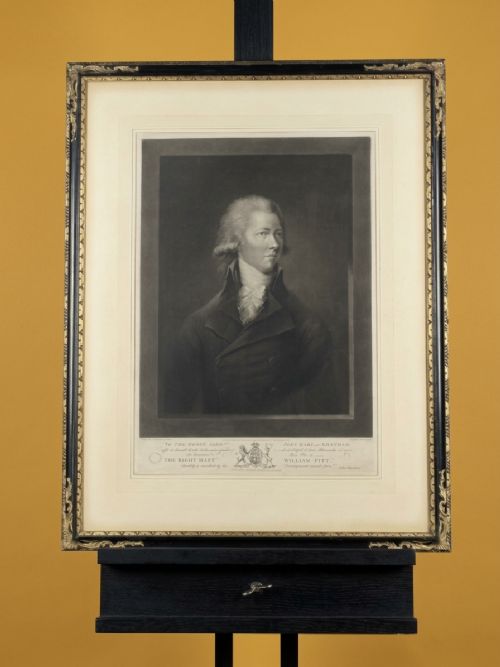
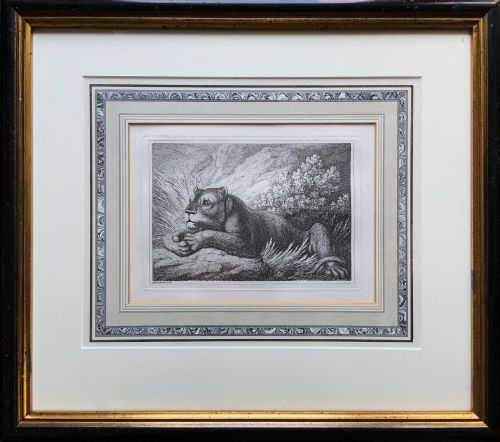
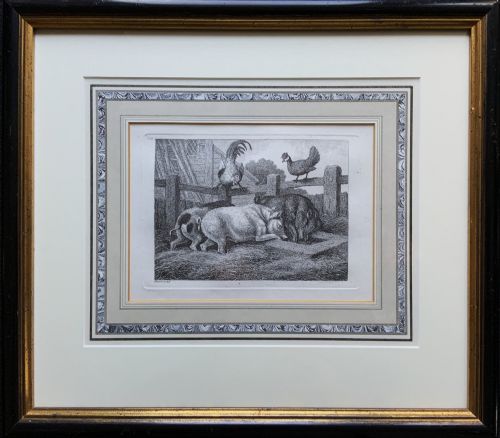
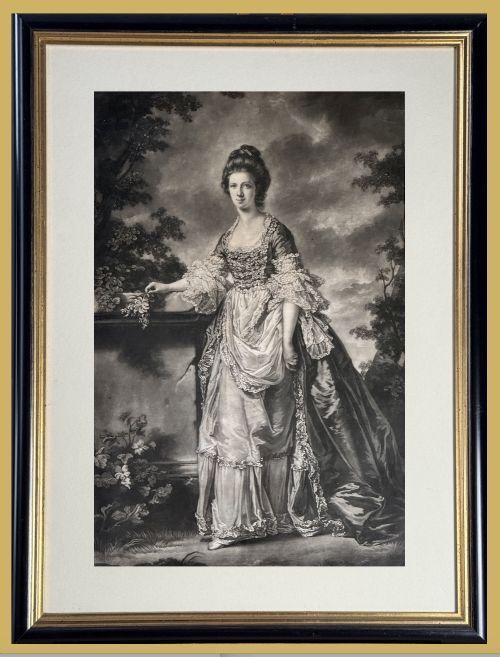
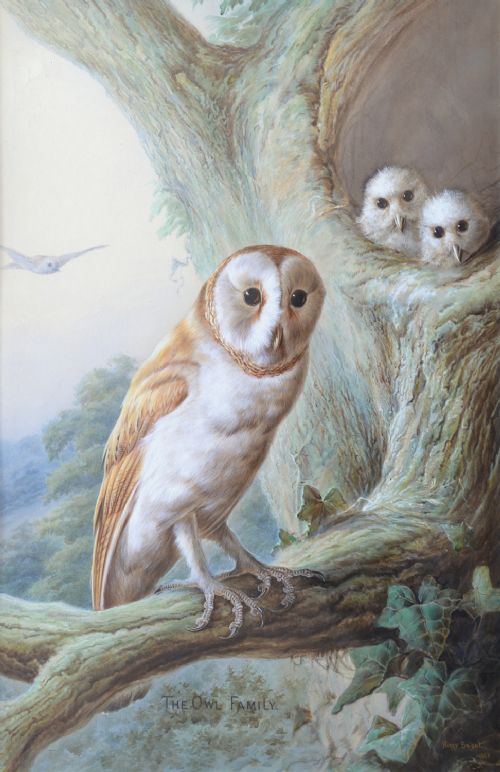
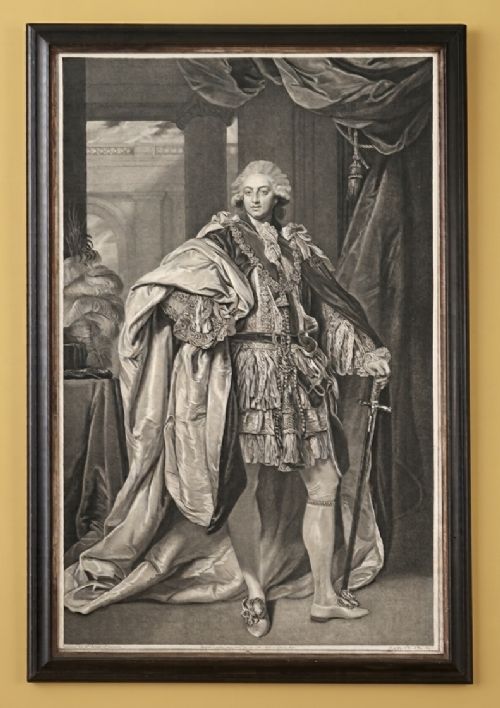
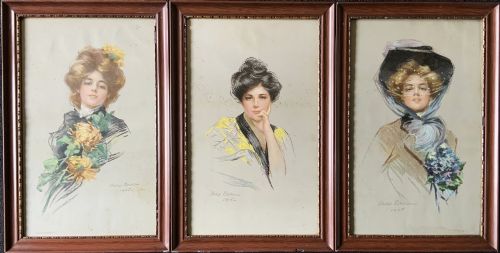
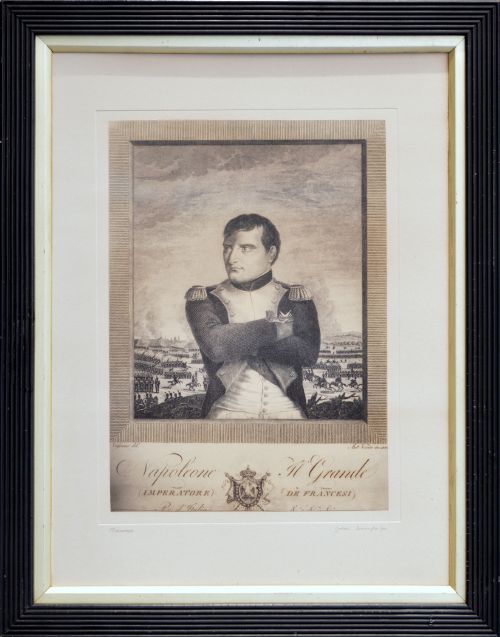
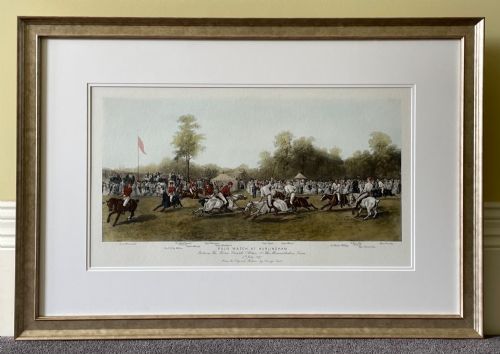
The most common iterations on this page include nineteenth-century lithographs and eighteenth-century engravings, often housed within period timber frames. Subjects range from sporting scenes and landscapes to botanical studies and portraiture.
The objects originate from diverse European and British traditions, capturing historical aesthetics from the Baroque and Neoclassical periods to Victorian and Edwardian sensibilities.
Materials and methods of production
Printmakers and artists utilised paper, ink, and occasionally oil paint or pastel, supported by wooden frames finished with gold leaf, giltwood, or rosewood. Glass glazing protected fragile paper surfaces from environmental damage.
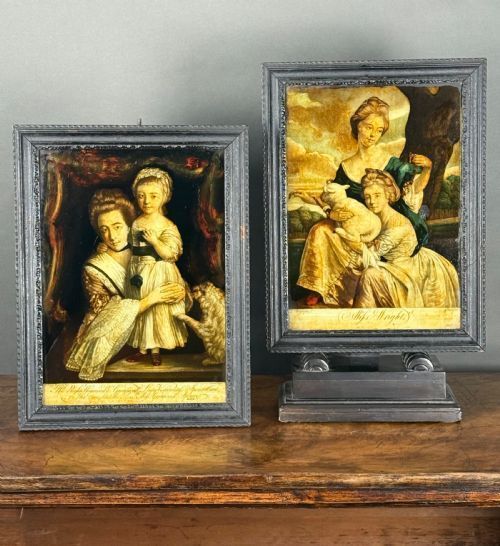
Techniques relied on meticulous hand-colouring applied to engraved, etched, or mezzotint plates, alongside lithography and reverse glass painting where images were fixed directly beneath glass panels.
Listings feature works executed on paper, glass, and wood, spanning periods from the 17th century through the Victorian era and into the 1960s.
Factors of distinction
Quality rests upon the crispness of the original impression, the subtlety of any hand-applied pigment, and the integrity of the surface condition across paper or glass. Early pulls from engraved plates retain sharper line work than later impressions.
The housing contributes significantly to overall merit, with original period frames matching the era of the artwork holding greater visual and historical cohesion than modern replacements.
Herbert Dicksee·Sir William Nicholson·David Bates·David Roberts·Samuel Dixon
The Antique Picture Print Glossary
- Mezzotint
- A printmaking process of the intaglio family where the surface is roughened uniformly to produce tones in dark and light. It allows for rich, velvety dark areas and smooth gradations of tone.
- Lithography
- A planographic printing method based on the mutual antipathy of oil and water. The image is drawn on limestone or a metal plate and transferred directly to paper.
- Engraving
- A technique where an artist cuts lines directly into a metal plate with a burin to hold ink. This produces precise, clean lines that define intricate illustrative details.
- Giltwood
- Wood carved and coated with gold leaf or a gold-coloured finish. It frames numerous fine works from the eighteenth and nineteenth centuries.
- Aquatint
- A variant of etching that produces tonal effects resembling watercolour washes through acid-resistant resin applied to a plate. It was frequently utilised for sporting prints and landscapes.
Antique Picture Print: Frequently Asked Questions
What is an antique picture print?
An antique picture print is an original graphic work produced via historical printmaking techniques such as engraving, etching, or lithography during earlier centuries.
These pieces capture historical subjects, portraits, and landscapes, offering a direct link to past visual cultures and traditional craftsmanship.
How should I hang these prints?
These works require placement away from direct sunlight to prevent fading of fragile paper, ink, and hand-applied watercolours.
Secure wall fixings suited to the weight of period timber and giltwood frames ensure safe display in domestic environments.
Are original frames important?
Period frames matching the era of the artwork preserve the historical integrity and visual harmony of the piece.
Original rosewood, oak, or Hogarth frames demonstrate how the artwork was historically presented and valued by contemporary owners.
How do I identify the period?
Period identification relies on observing paper characteristics, printing techniques, subject matter, and stylistic markers associated with eras like the Georgian or Victorian periods.
Accompanying framing materials and framing construction methods often provide additional chronological indicators.