



Antique Picture Pendant
An antique picture pendant holds a miniature portrait or personal photograph close, merging fine goldsmithing with intimate remembrance.
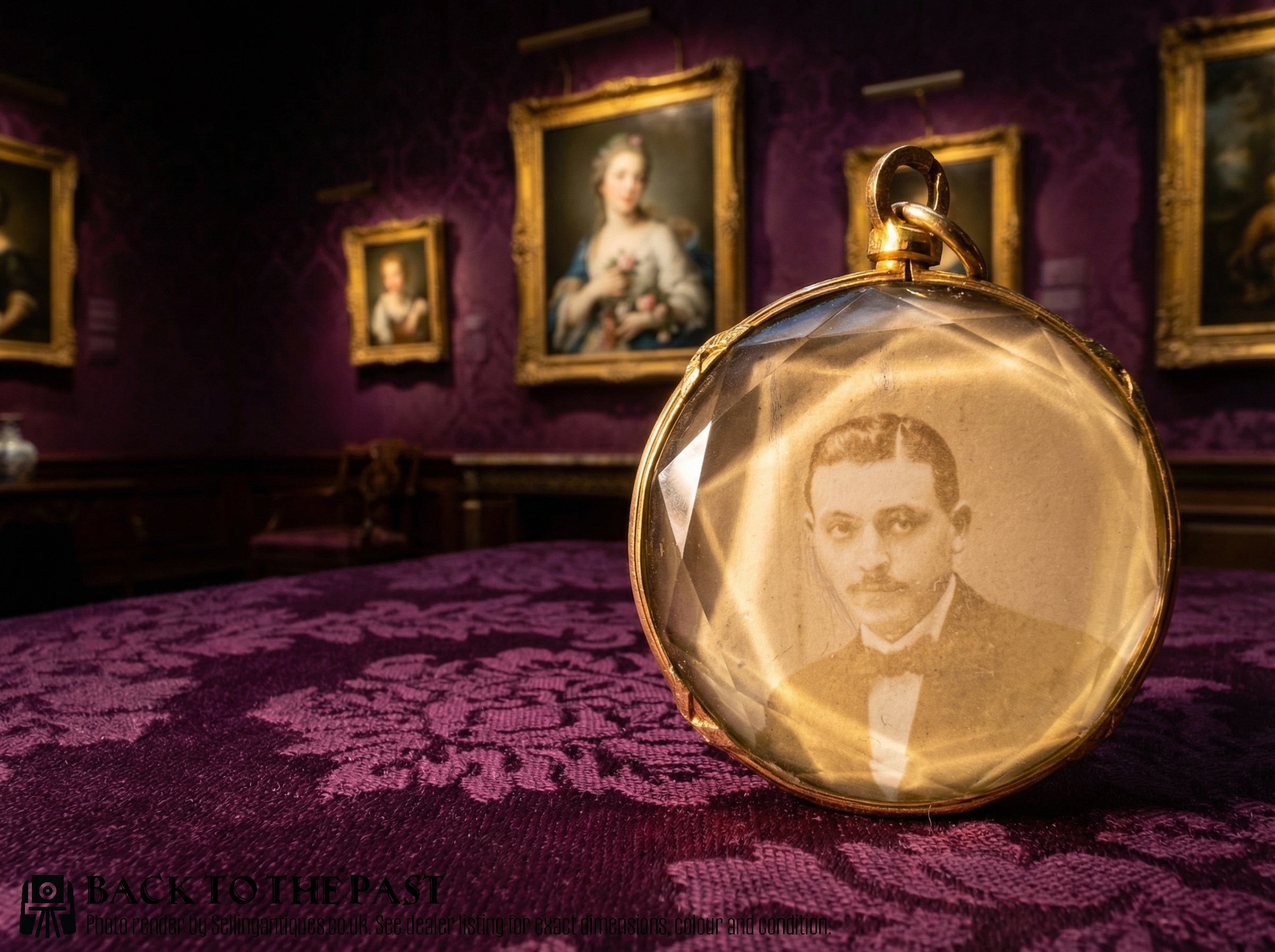
Antique Picture Pendant
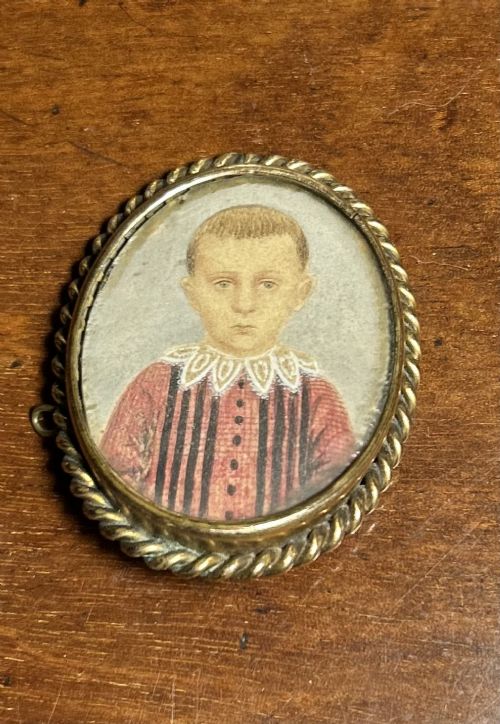
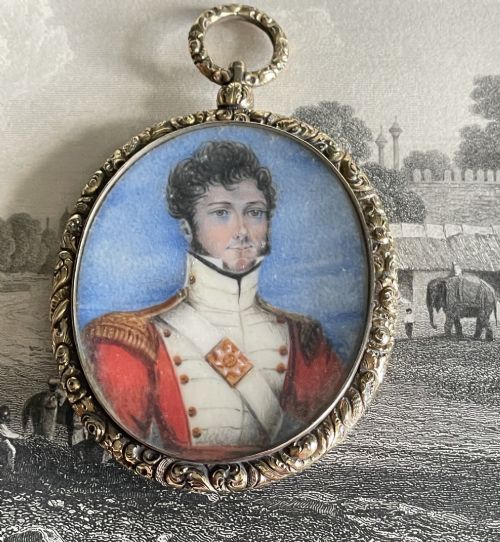
When you search for an antique picture pendant, you examine small portable frames designed to hold portraits, hair work, or photographs against the skin. These pieces span portrait miniatures painted on ivory or paper, alongside hinged lockets intended for holding photographic portraits.
You will most frequently meet Victorian examples on this page, alongside Georgian, Edwardian, and mid-twentieth-century iterations. The forms range from simple round lockets and oval photo holders to book-style pendants and ornate French frames.
Many of these objects serve dual purposes as brooches and necklaces, incorporating glazed compartments or secret photograph reveals. Their origins stretch from British workshops to French ateliers and Anglo-Indian studios.
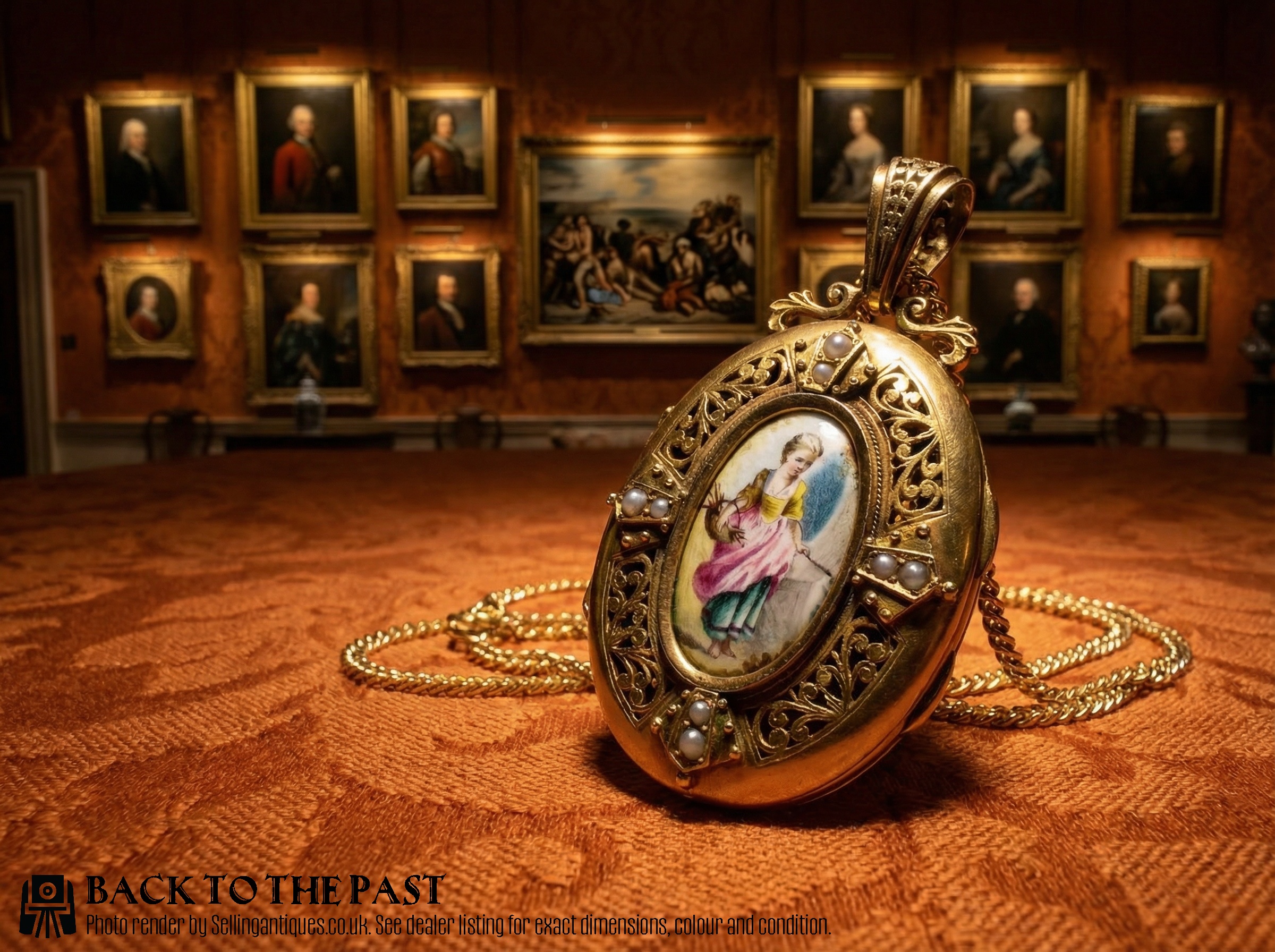
Materials and construction methods
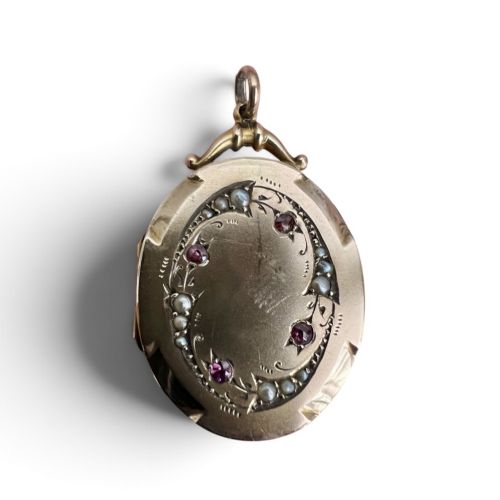
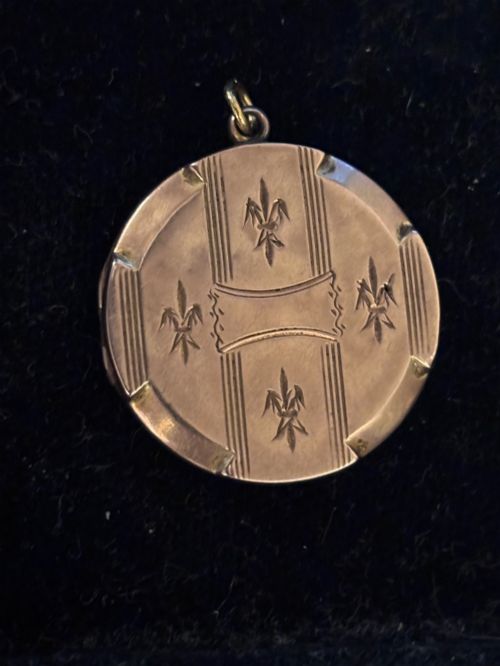
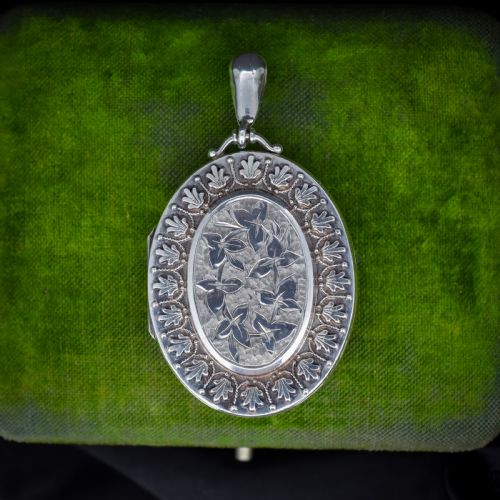
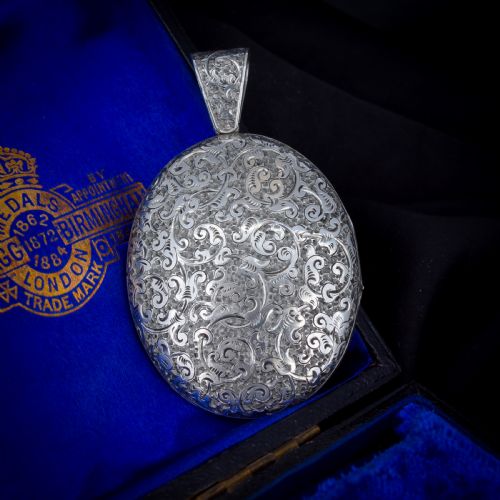
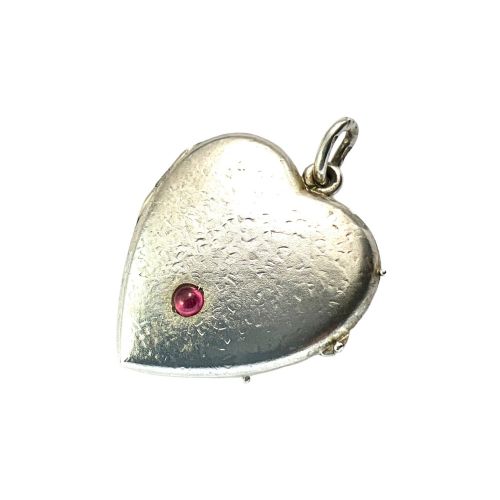
Goldsmiths constructed these pendants using 9ct gold, 18ct gold, rolled gold, and sterling silver, often enhancing surfaces with engine-turned detail, fine engravings, or filigree work. Gemstones such as pearls, rubies, garnets, diamonds, turquoise, and emeralds frequently accent the metalwork.
Makers integrated glass covers to protect delicate watercolours, painted miniatures, and photographic images housed within the casing. Enamel work in blue and other shades provides colour, while hinges and clasps secure the opening mechanisms.
Antique Picture Pendant Retail Price Guide 2026
Typical asking prices for picture pendant among the pieces listed under this phrase on Sellingantiques today, from the lower quarter to the upper quarter. They describe what is for sale here now, not the wider market.
Quality differences in antique picture pendants
The sophistication of the hand engraving and the precision of the gold or silver work dictate the standing of the piece. Superior examples display crisp foliate motifs, clean engine-turning, and well-executed bezels that hold the glass firmly without distortion.
The artistry within also governs the tier, separating standard commercial photograph holders from finely rendered painted miniatures attributed to known portraitists. Heavier gold weight and robust structural integrity mark out the better productions.
Charles Hayter
The Antique Picture Pendant Glossary
- Portrait Miniature
- A small, highly detailed painting executed on ivory, vellum, or paper. These portable artworks often depict family members or notable figures.
- Engine-Turned
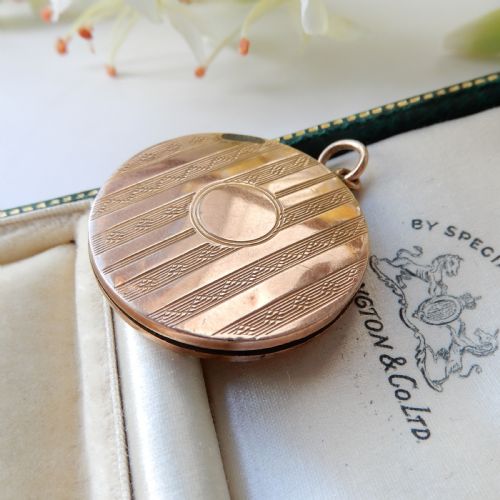
- A surface decoration created by a lathe that cuts geometric patterns into the metal. This technique adds texture and catches the light.
- Glazed Locket
- A locket featuring a transparent glass cover to protect a photograph, hair work, or miniature painting beneath. It allows the contents to remain visible while shielded.
- Filigree
- Delicate wirework formed into open, lace-like patterns using gold or silver. Craftsmen solder these threads together to create ornate decorative frames.
- Back and Front
- A construction method where the exterior plates are made of precious gold while the internal core consists of base metal. This provided the appearance of solid gold at a lower cost.
Antique Picture Pendant: Frequently Asked Questions
How do I open an antique locket?
Many picture pendants feature a small side hinge or a fingernail notch near the edge of the frame. You should apply gentle pressure to release the catch without straining the hinge.
Older pieces can become stiff over time due to accumulated dirt or old polish. If a locket resists opening, avoid forcing it with metal tools to prevent scratching the gold or cracking the glass.
Can I wear an antique picture pendant daily?
You can wear these pendants regularly provided you treat them with appropriate care. Because many incorporate antique glass, delicate hinges, or soft stones like pearls, they require gentle handling during daily activities.
It is wise to remove your pendant before swimming, exercising, or sleeping to protect the delicate metalwork and internal portraiture from moisture and physical impact.
How do I date an antique picture pendant?
Dating relies on stylistic clues, materials, and the type of image contained inside the pendant. Georgian and Victorian pieces often feature hand-painted miniatures, engine-turned patterns, and chased foliate designs, while later Edwardian and twentieth-century examples frequently house early photographs.
Examining the construction of the hinge, the carat mark of the gold, and any accompanying hallmarks helps narrow down the period of production.
What is the difference between a locket and a picture pendant?
A locket is a specific type of hinged pendant designed to open and conceal photographs, hair, or small mementos inside. The broader term picture pendant encompasses lockets as well as open frames and brooches that display a portrait outwardly.
Some pieces blur this distinction by combining an external glazed portrait frame with an internal compartment for hidden photographs.