




Antique Picture of London
An antique picture of London captures the changing capital through watercolours, oils, and engravings spanning Georgian, Regency, and Victorian eras.
Antique Picture of London
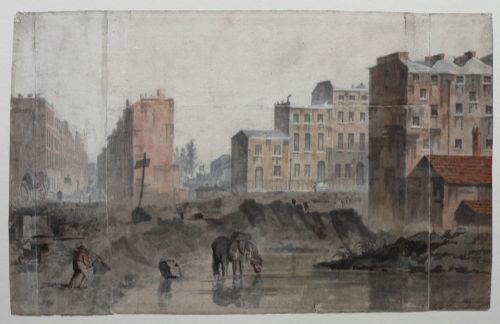
An antique picture of London brings together depictions of the capital across centuries, recorded through watercolours, oil paintings, engravings, and silver frames. Buyers look for these works to own a specific view of the city's historic architecture, river scenes, and parks.
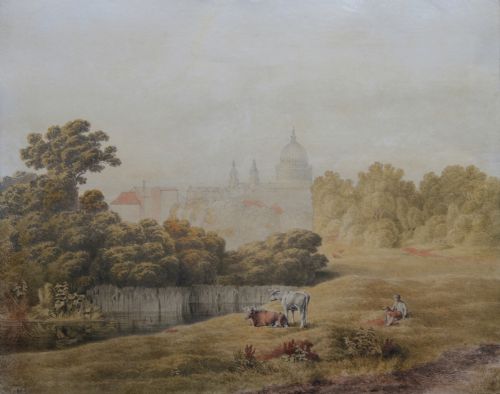
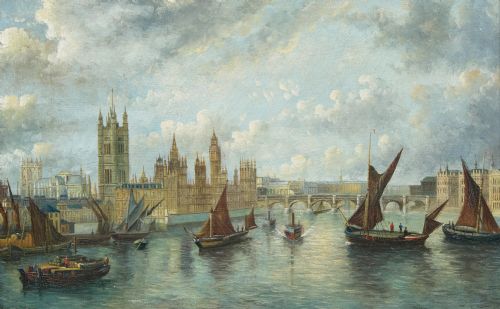
The selection most frequently offers 19th-century watercolours and oils alongside Georgian and Victorian engravings. Subjects range from the River Thames and St. Paul's Cathedral to Regency terraces and London street scenes.
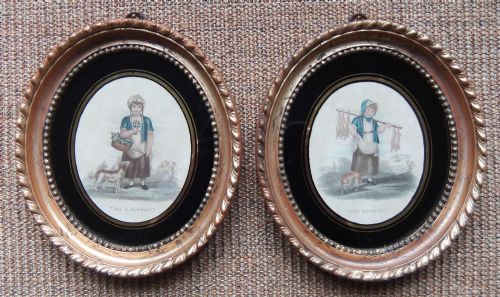
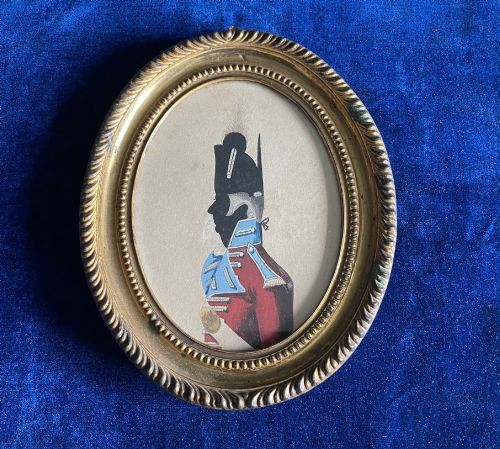
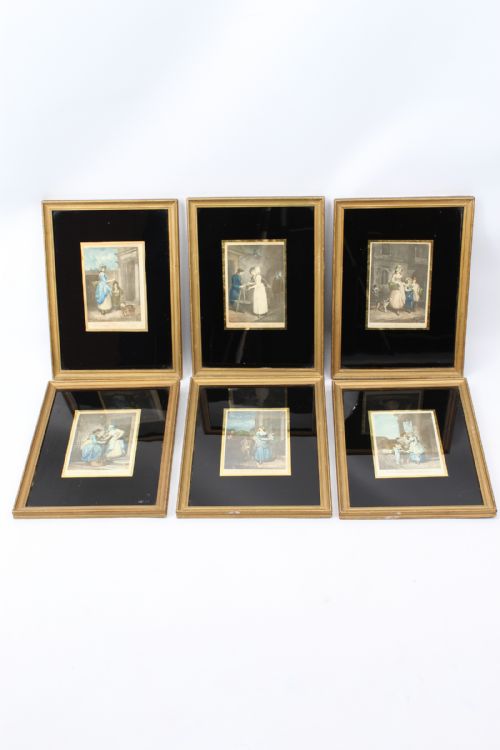
Pieces from this category include framed prints, panoramic views, and portrait miniatures tied to the city. Each item preserves a fragment of London's topography and social history through the eyes of contemporary artists.
How they were made
Artworks in this group utilise watercolour pigment on paper, oil on canvas, and stipple or mezzotint engraving. Artists applied pigments by hand to capture atmospheric cityscapes, while printmakers produced multiple impressions from engraved plates.
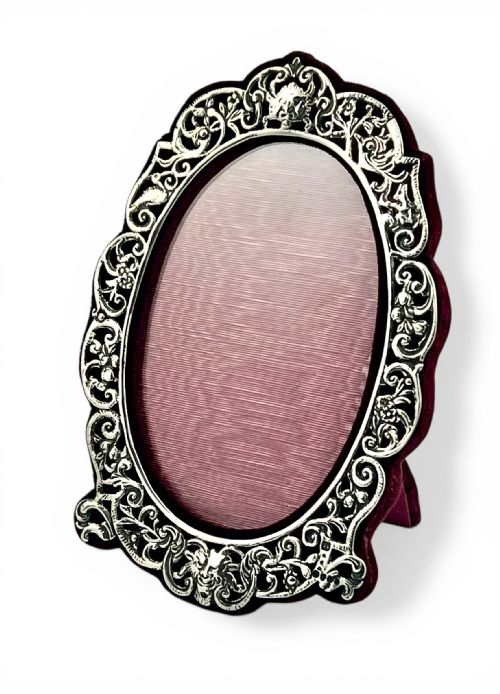
Framing materials reflect the periods of creation, featuring wood, giltwood, maple, and sterling silver. Silversmiths and frame makers shaped these enclosures around the central artwork, often incorporating hallmarks for city and date.
Antique Picture of London Retail Price Guide 2026
Typical asking prices for picture of london among the pieces listed under this phrase on Sellingantiques today, from the lower quarter to the upper quarter. They describe what is for sale here now, not the wider market.
Materials recorded across the selection include sterling silver, giltwood, glass, and wood alongside traditional watercolour pigments.
What varies in quality
Quality in these works rests on the execution of the draughtsmanship and the artist's ability to render topographical detail accurately. Finer paintings and watercolours display sharper control of light, perspective, and composition.
The preservation of the paper, canvas, and framing elements influences the standing of a piece. Original mounts, untouched oils, and clearly hallmarked silver frames distinguish superior examples.
S & J Fuller·Richard Purcell·William Daniell·Samuel Henry Alken·William Comyns
The Antique Picture of London Glossary
- Stipple engraving
- A printmaking technique using dots to create tonal gradations and shadow. This method was often employed for portraits and reproductive prints.
- Mezzotint
- A printmaking process where the copper plate is roughened to achieve rich dark tones and subtle shifts in light. It was frequently used for portraits and historical scenes.
- Giltwood
- Wood carved and coated with a thin layer of gold leaf. It appears commonly on ornate antique picture frames.
- Watercolour pigment
- Ground colour mixed with a water-soluble binder, applied to paper. It allows for translucent washes and delicate detail in landscape painting.
- Panoramic engraving
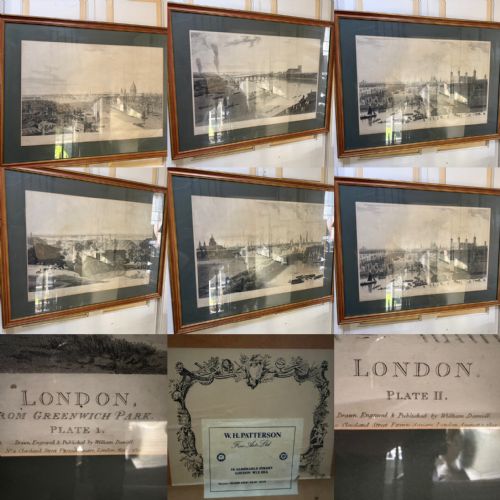
- A wide-angle printed view designed to capture extensive cityscapes or landscapes. These large formats document urban sprawl across the nineteenth century.
Antique Picture of London: Frequently Asked Questions
What periods do London pictures cover?
The works span from the eighteenth century through the Regency, Victorian, and Edwardian eras. They record the visual evolution of the capital across successive generations of artists.
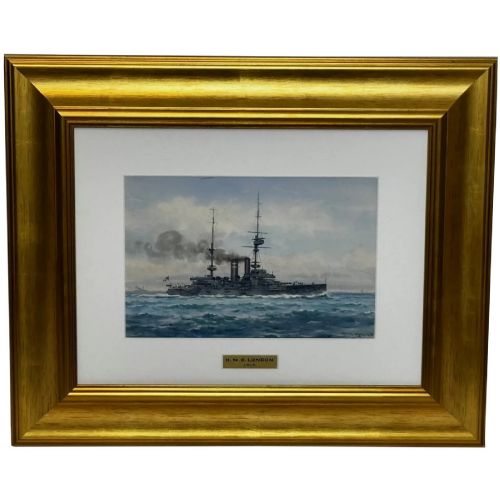
Earlier pieces often show Georgian street life and river views, while later Victorian and Edwardian works capture denser urban development and maritime traffic on the Thames.
Are these pictures always original works?
The selection includes both unique hand-painted works and historical print editions. Original watercolours and oil paintings sit alongside period engravings and mezzotints.
Each listing specifies the medium, allowing buyers to distinguish between a one-off painted scene and a published antique print.
How should I display antique frames?
Antique frames require stable indoor environments away from direct sunlight and excessive moisture. Proper placement protects both the wooden or silver frame and the artwork within.
Heavier oil paintings and framed silver pieces need secure wall fixings or stable tabletop placement suited to their weight.
How do I identify the date of a piece?
Dates are determined through artistic style, recorded artist lifespans, and, in the case of silver frames, official hallmarking. Paper and canvas types also offer clues to the period of creation.
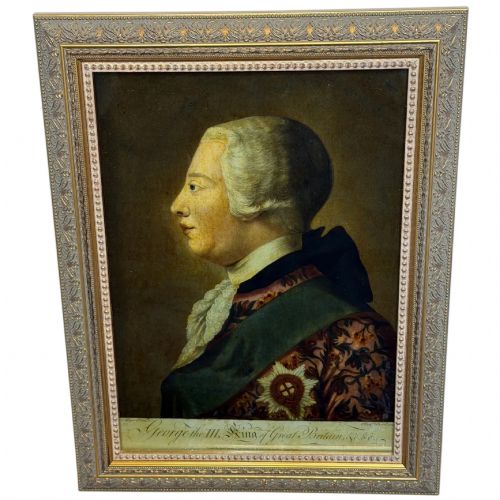
Engravings often carry publication dates or printer details inscribed directly onto the margin or plate.