




Antique Pictorial Embroidery
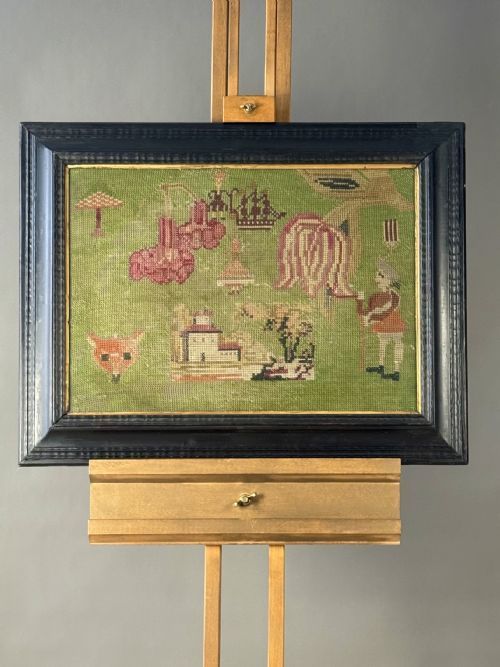
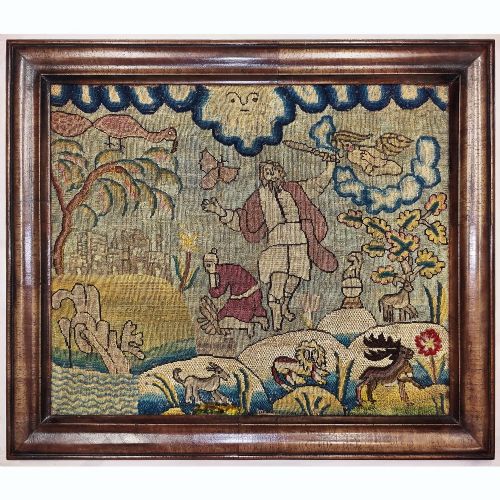
These antique pictorial embroidery pieces are framed textile works worked in silk, wool, and metal thread, offering a tangible window into centuries of hand-stitched artistry.
Antique Pictorial Embroidery
When you search for antique pictorial embroidery, you encounter framed textile art, wall art, needlework pictures, and samplers created across the seventeenth, eighteenth, and nineteenth centuries. These works include figures like a girl feeding a swan, royal hunting scenes, and cobbler and prince portraits.
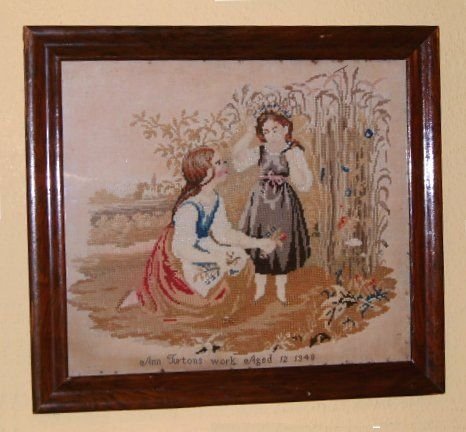
The most common examples on this page span the Victorian and Georgian eras, alongside seventeenth-century Stuart works and eighteenth-century Dutch pieces. Materials range from linen grounds worked in silk, wool, and metal thread to beadwork fragments housed in wood and gilt wood frames.
Forms vary from detailed needlepoint tapestries and framed tapestries to traditional samplers bearing names and dates like Sarah Anne Hudson 1855. Italian and English origins appear alongside Dutch and general European styles such as Baroque and Jacobean.
How they were made
Makers stitched these pictorial works using wool, silk, and metal thread onto linen foundations. Many incorporate glass beads to highlight specific details within the composition.
Finished textiles were typically mounted behind glass and housed within wooden frames, including rosewood and gilt wood surrounds, to protect the delicate needlework from damage.
The listings span from the seventeenth century through the Georgian and Victorian periods, utilising linen, silk, wool, and metal thread.
What varies in quality
Quality depends upon the intricacy of the stitching and the complexity of the pictorial scene, ranging from simple samplers to detailed multi-figure needlepoint tapestries and silk and metal thread compositions.
The preservation of the materials, the survival of the original wooden or gilt wood frames, and the clarity of the imagery distinguish the finest examples from simpler student pieces.
The Antique Pictorial Embroidery Glossary
- Needlework picture
- A pictorial textile work stitched by hand, often framed as wall art. These pieces depict figures, animals, or narrative scenes rather than abstract patterns.
- Metal thread
- A fine thread made from or coated in metal, utilised in embroidery to add shimmering detail and status to seventeenth and eighteenth-century pieces.
- Gros point
- A coarse needlepoint stitch executed on canvas or linen, frequently employed in Victorian tapestries for bold textures and figures.
- Sampler
- A piece of needlework demonstrating a maker's proficiency in various stitches, alphabets, or pictorial motifs, sometimes bearing a name and date.
- Beadwork fragment
- A surviving portion of textile art decorated primarily with small glass beads, often depicting historical or mythological scenes from the seventeenth century.
Antique Pictorial Embroidery: Frequently Asked Questions
How should I hang antique needlework pictures?
Protect the silk, wool, and linen threads by hanging the framed textile art away from direct sunlight and sources of heat or dampness.
Ensure the wooden or gilt wood frame is securely hung from structural wall fixings to support the weight of the glass and backing.
What is a needlework sampler?
A sampler is a piece of cloth worked with various stitches, letters, numbers, and pictorial motifs to demonstrate the maker's skill.
Examples often record the maker's name and a date, such as Sarah Anne Hudson 1855 or Victorian tapestry samplers.
How do I identify seventeenth-century embroidery?
Seventeenth-century pieces often utilise Stuart styles, incorporating metal thread, silk, and raised work techniques depicting historical or royal scenes.
Look for evidence of early linen grounds and period-appropriate framing materials like wood or gilt wood.
Are these pieces framed?
The majority of listings on this page are framed textile works, featuring original or period-appropriate wood, rosewood, or gilt wood frames.
The glass helps shield the delicate wool, silk, and beadwork fragments from environmental damage.