


Antique Piano Stool Mahogany
These antique piano stool mahogany pieces span Georgian elegance to Edwardian practicality, offering height-adjustable seats and rich timber tones for the modern music room.
Antique Piano Stool Mahogany
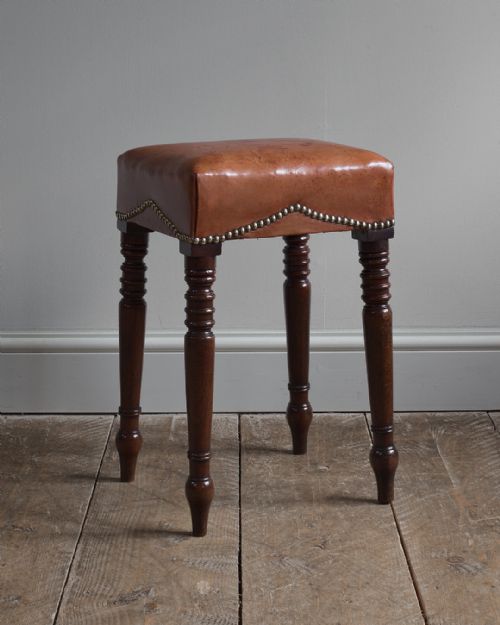
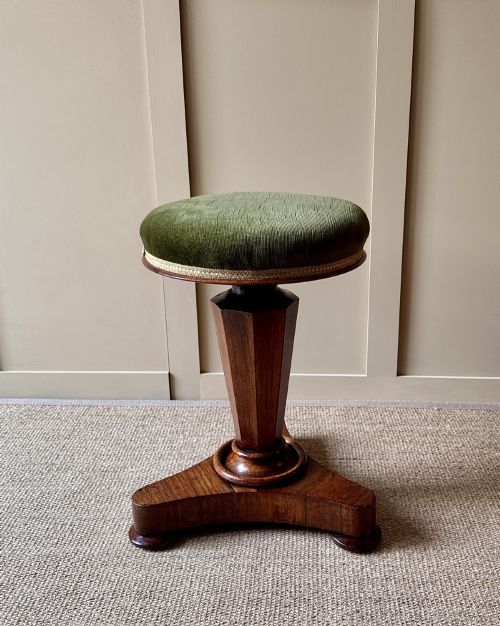
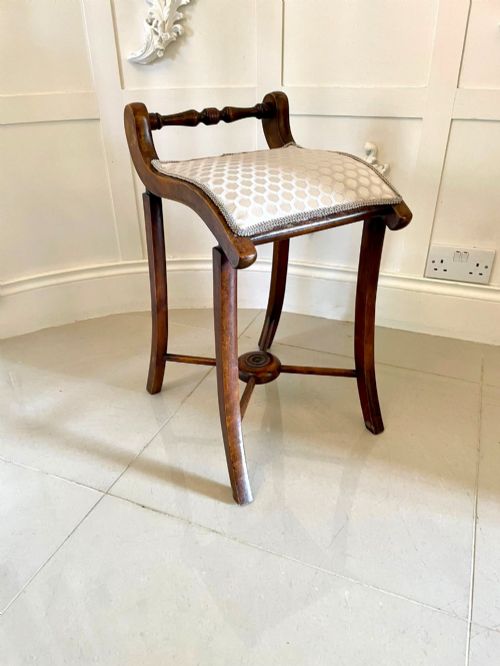
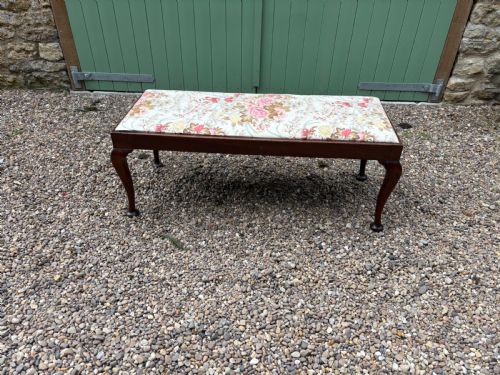
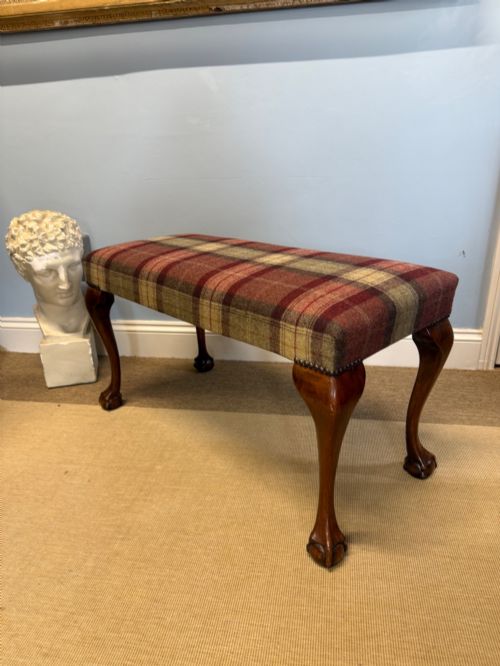
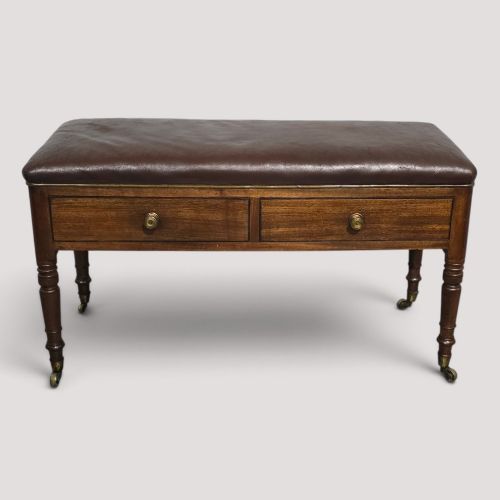
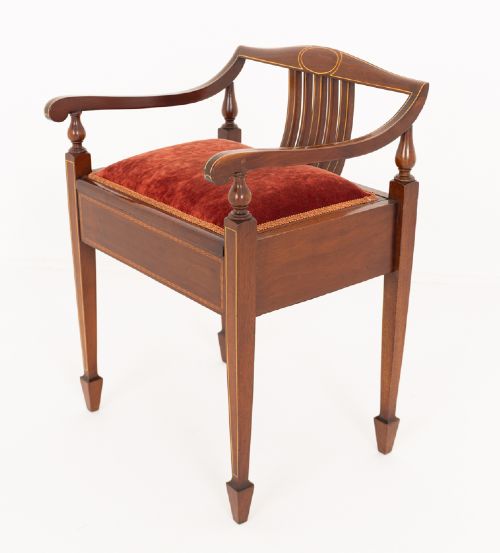
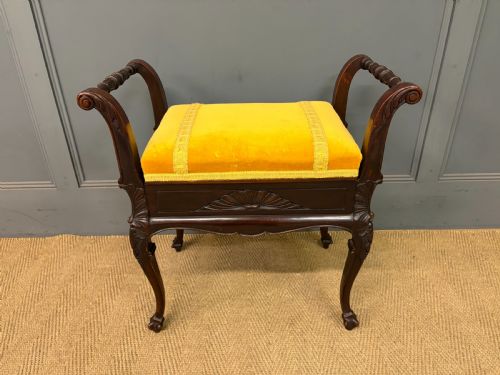
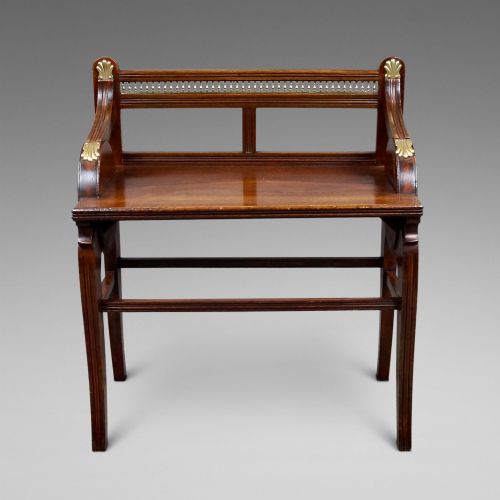
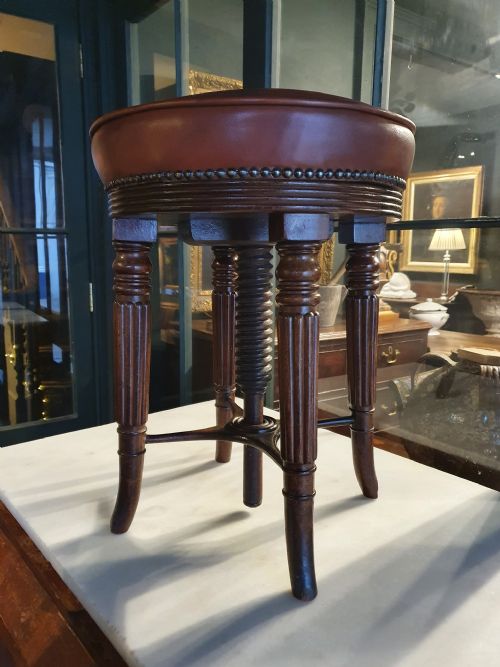
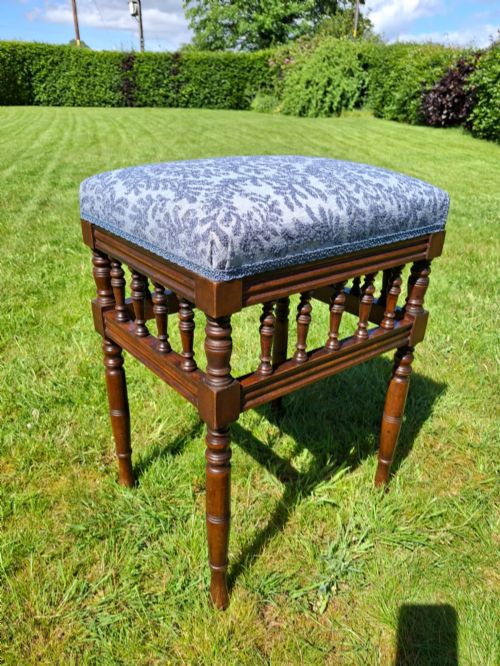
When you search for antique piano stool mahogany, you encounter a range of seating designed specifically for keyboard players, encompassing single stools, duet benches, and revolving music chairs. The pieces on this page originate from the Georgian, Regency, William IV, Victorian, and Edwardian periods.
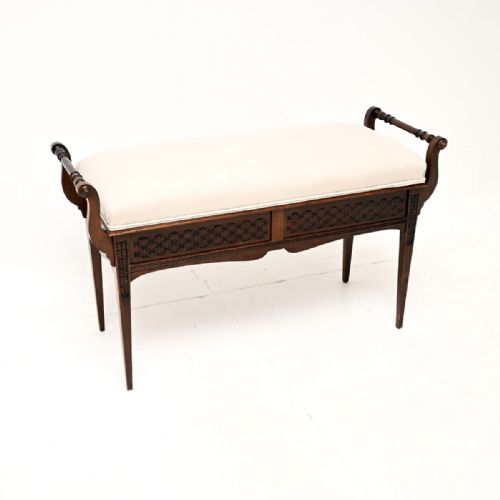
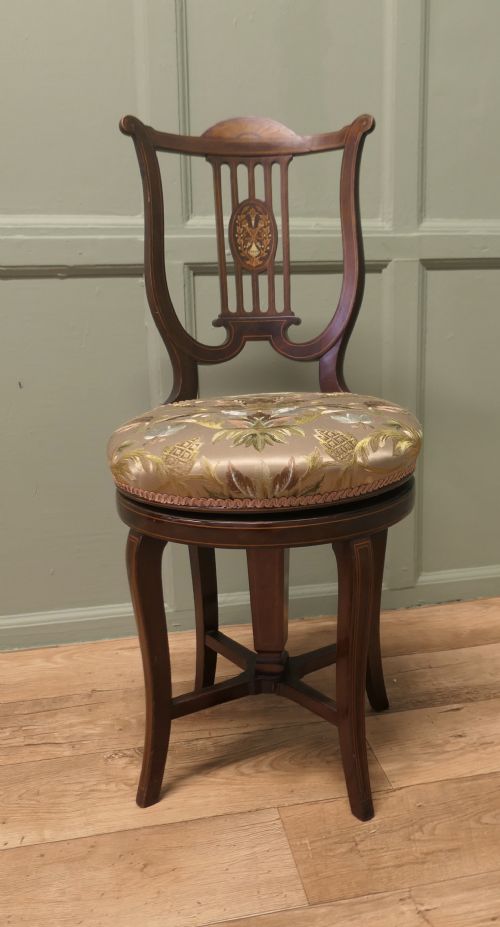
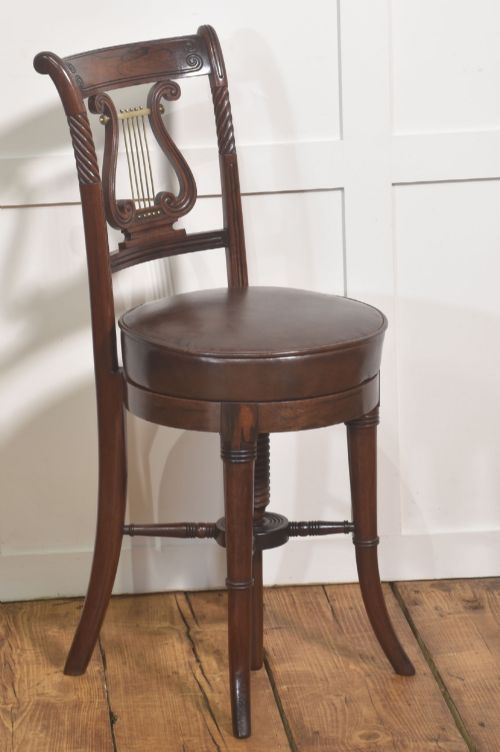
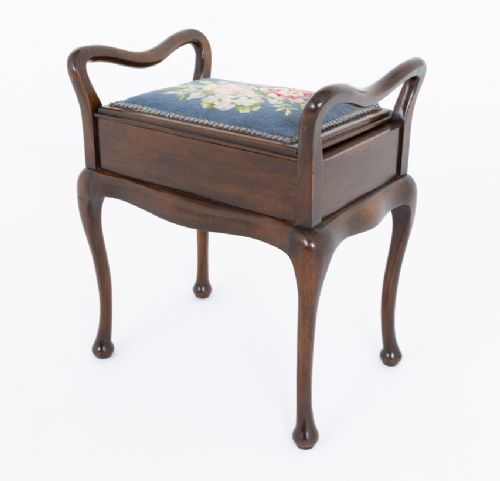
Single revolving stools with screw-adjust mechanisms sit alongside long duet benches fitted with hinged seats for sheet music storage. Music chairs with backs, including lyre-back and swivel designs, also appear frequently among the listings.
Makers such as James Shoolbred and Gillows contribute high-profile examples to the corpus, while Irish Georgian pieces introduce distinct cabriole leg forms. Stools in the Sheraton Revival and Chippendale styles reflect later revivals of earlier taste.
Judging Quality
The sophistication of the turning, the carving on the legs, and the weight of the mahogany timber dictate the standing of an individual stool. Pieces bearing maker stamps from established firms like Gillows or James Shoolbred command greater attention.
The smoothness and stability of the mechanical height adjustment reveal the precision of the original maker's engineering. Finer examples integrate thoughtful proportions, crisp hand-carved details, and high-grade upholstery fabrics that complement the warmth of the polished wood.
Antique Piano Stool Mahogany Retail Price Guide 2026
Typical asking prices for piano stool mahogany among the pieces listed under this phrase on Sellingantiques today, from the lower quarter to the upper quarter. They describe what is for sale here now, not the wider market.
Several revolving stools still spin smoothly after more than a century of enthusiastic musicians practicing their scales.
James Shoolbred·Gillows
The Antique Piano Stool Mahogany Glossary
- Duet stool
- A wider bench designed to seat two players simultaneously during piano duets. These often feature hinged lids that open to reveal storage compartments for music scores.
- Revolving piano stool
- A seat mounted on a central threaded screw or swivel mechanism allowing the pianist to alter their height or orientation by turning the top.
- Lyre-back
- A chair back designed in the open symmetrical shape of an ancient Greek lyre. This motif recurs frequently on music chairs and seating intended for instrumentalists.
- William IV
- A British design period spanning the 1830s characterised by robust proportions and restrained classical revival motifs. Pieces from this era often utilise heavy mahogany solids.
- Sheraton Revival
- A late nineteenth and early twentieth century style drawing inspiration from the lighter, neoclassical furniture designs of Thomas Sheraton. These pieces often incorporate delicate mahogany framing and subtle inlay.
Antique Piano Stool Mahogany: Frequently Asked Questions
How do adjustable piano stools work?
Most adjustable examples use a central wooden or metal screw mechanism hidden beneath the upholstered seat. Turning the seat clockwise or anti-clockwise raises or lowers the height to suit the player.
Finer versions include side levers or internal ratchets that lock the seat securely into position once the desired height is achieved.
What is the difference between a duet stool and a regular piano stool?
A standard piano stool accommodates a single musician, featuring a compact square or circular top. A duet stool is significantly wider to allow two people to sit side by side.
Duet versions very often incorporate a hinged seat top that opens upwards, providing a convenient internal compartment for storing sheet music.
How can I date a mahogany piano stool?
Dating relies on combining the overarching style, timber characteristics, and mechanical hardware. Georgian and Regency pieces display crisp hand-carved details and heavy solid mahogany, while Edwardian examples often show lighter frames and simpler turned legs.
Maker stamps or patent marks stamped into the wood or ironwork provide the most direct confirmation of an exact period.
Are music chairs different from piano stools?
Music chairs include a supportive backrest, whereas traditional piano stools consist solely of an independent seat atop a base. Chairs frequently feature open back designs, such as the lyre motif, to allow freedom of movement for the arms.
Cellists, harpists, and pianists all utilised these specialised chairs for posture support during long performances.