


Antique Pewter Dishes
These antique pewter dishes bring centuries of domestic metalwork and decorative design directly to the table.
Antique Pewter Dishes
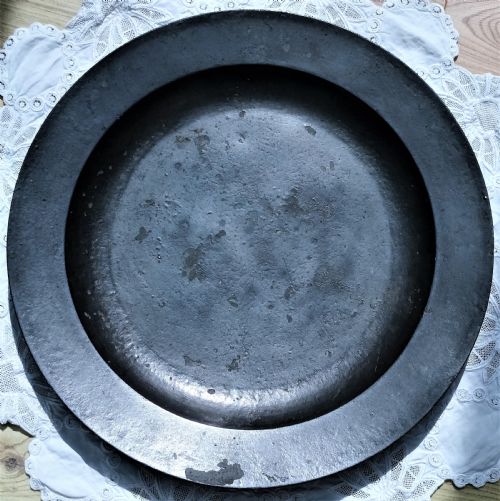
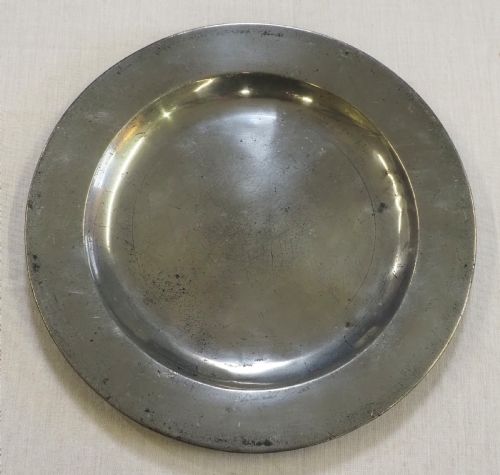
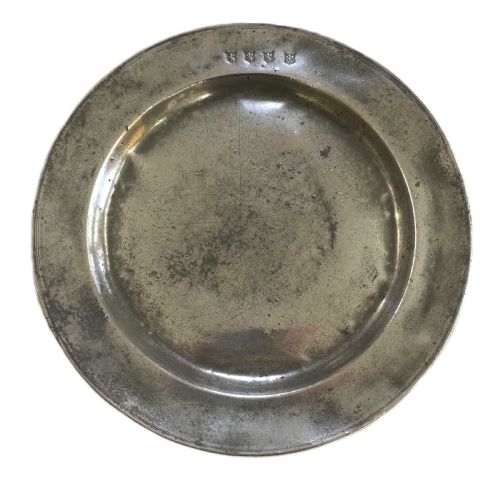
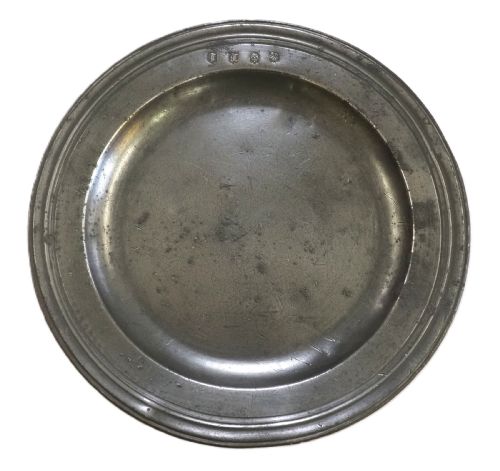
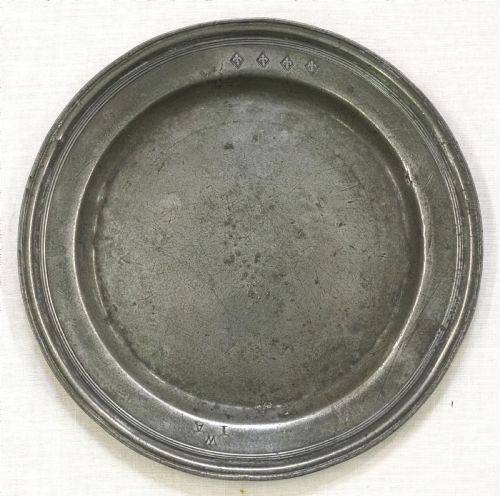
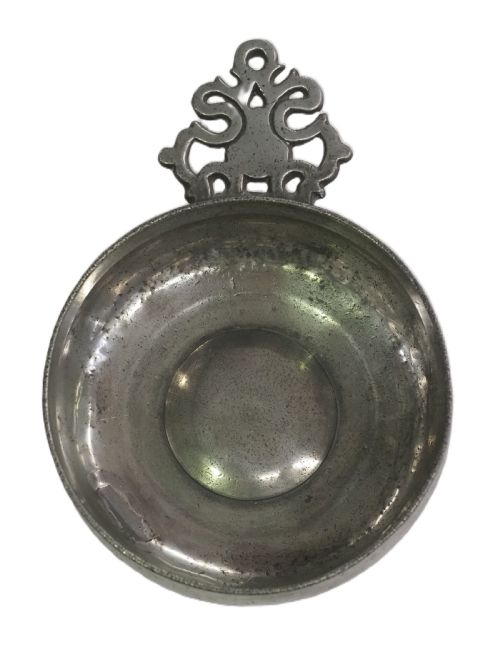
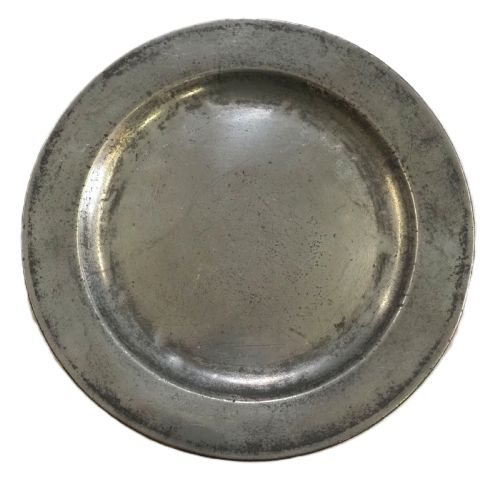
When searching for antique pewter dishes, collectors encounter domestic serving vessels spanning from the seventeenth century through the Georgian era to the early twentieth century. The selection ranges from broad rim chargers and plain rim plates to decorative bowls, porringers, and card trays.
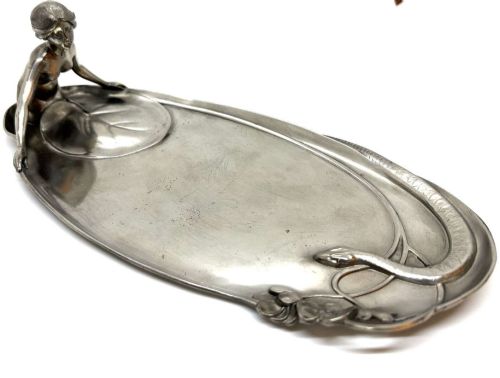
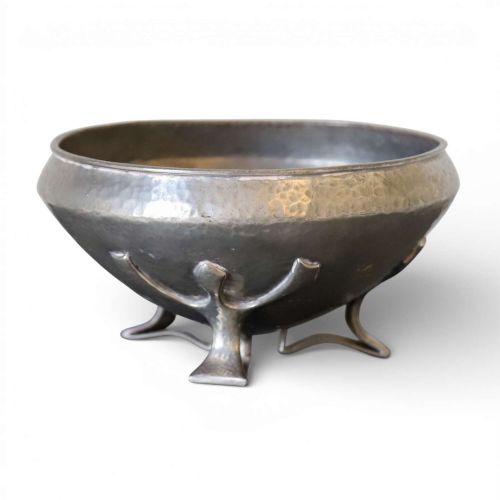
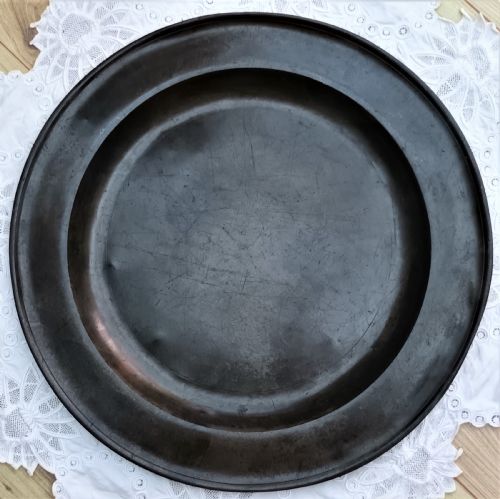
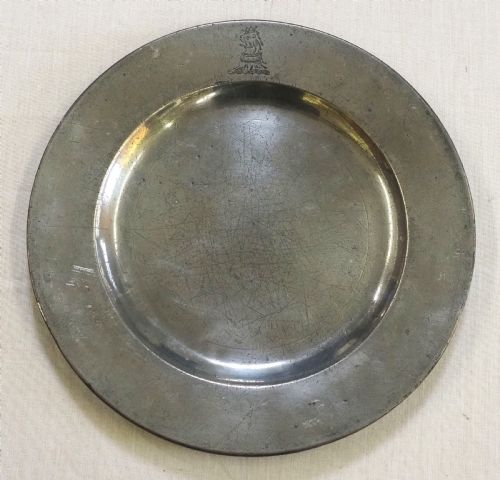
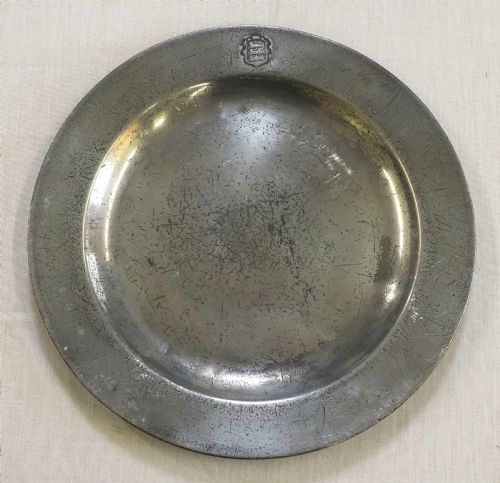
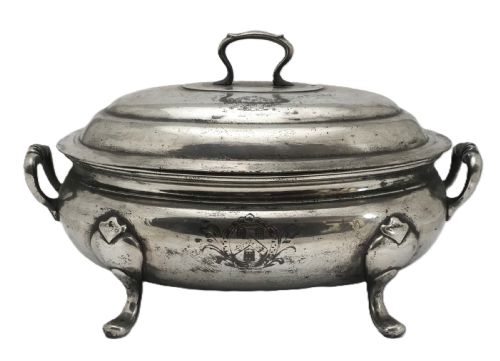
The earlier English examples showcase substantial seventeenth-century plates and wide chargers bearing makers' touchmarks, while later pieces drift into Arts and Crafts beaten designs and Art Nouveau metalwork. Domestic forms like toilet basins and tureens sit alongside decorative fruit stands and trays.
Materials and construction
Traditional examples are cast from pewter alloys, which consist principally of tin combined with lead, copper, or antimony to give the metal workable strength. Makers shaped these plates and chargers by hammering the alloy over wooden or metal stakes to achieve the desired thickness and rigidity.
Twentieth-century variations introduce Britannia metal and silvered pewter, utilised by factories such as WMF and Liberty & Co. These later items often combine the base metal with inserted ruby glass or cut glass liners to form centrepieces and baskets.
Materials recorded across the selection include traditional pewter, Britannia metal, silvered pewter, and inserted cut or ruby glass.
Assessing quality and craftsmanship
Quality rests in the weight of the metal and the crispness of the border details, such as triple reeded edges or incised rims. Heavier seventeenth and eighteenth-century chargers retain their structural integrity better than thin domestic items worn down by centuries of scouring.
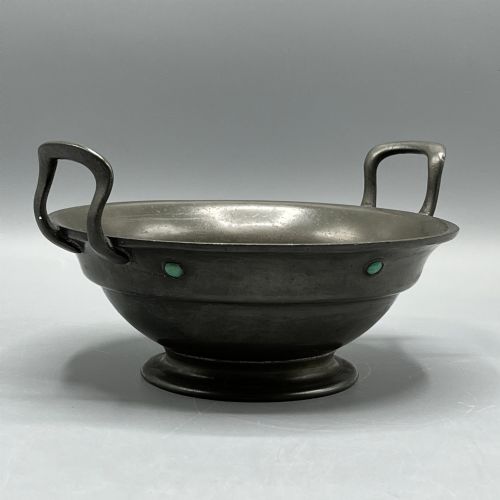
Artistic execution dictates value in the later decorative ranges, where hand-beaten surfaces, applied cabochons, and cast figural mounts separate standard production items from master-designed studio pieces. Clear maker touchmarks and engraved family crests or coats of arms elevate the historical importance of individual vessels.
John Duncomb·Samuel Smith·T & H Compton·James Spackman·Richard King·Wood & Michell·John Trapp II·John Tubb·Robert Moulins II·Humphrey Evans II·Thomas Alderson·Thomas Templeman·Lawrence Dyer·Thomas Haward·Thomas Powell·Edward Leapidge I·Oliver Baker
The Antique Pewter Dishes Glossary
- Charger
- A large ornamental or serving plate, often measuring over sixteen inches across, used on dining tables or displayed on sideboards.
- Porringer
- A small, deep bowl with one or two horizontal flat handles, traditionally used for broths, porridges, or as a sugar basin.
- Touchmark
- An official stamp pressed into the pewter by the maker or workshop to certify quality and register ownership within a guild or company.
- Britannia metal
- A specific type of tin-based alloy containing antimony and copper, known for its bright finish and suitability for spinning or stamping into shape.
- Broad rim
- A wide, flat outer border characteristic of seventeenth-century chargers, offering ample space for engraved family crests or armorial bearings.
Antique Pewter Dishes: Frequently Asked Questions
How do I date an antique pewter plate?
Dating relies heavily on the style of the rim, the presence of maker touchmarks, and historical records of the workshop periods. Plain rims and broad borders usually point to seventeenth and eighteenth-century origins, while hammered surfaces often indicate later revival movements.
Matching touchmarks against historical pewterers' indices narrows down the exact decade of manufacture. The transition from heavy cast plates to lighter stamped Britannia metal in the twentieth century also provides a clear chronological marker.
Can I use antique pewter dishes for serving food?
Historic pewter dishes contain varying amounts of lead depending on the period of production, which makes modern culinary use inadvisable. Acidic foods can react with the metal and leach harmful elements into the meal.
These pieces serve best as decorative display items, wall plates, or card trays rather than active tableware. Enjoying them visually preserves both the surface patina and the historical integrity of the metal.
What is the difference between pewter and Britannia metal?
Traditional pewter is an alloy of tin combined with lead, copper, or bismuth, resulting in a heavier material with a soft, matte grey lustre. It was widely cast and hammered by traditional tradesmen from the seventeenth century onwards.
Britannia metal is a harder, high-tin alloy developed later, containing antimony and copper without lead. Manufacturers like WMF utilised it for Art Nouveau and Arts and Crafts designs because it could be easily spun or stamped into complex shapes.
How should I clean and care for old pewter?
Old pewter requires minimal intervention to maintain its stable surface and desirable dark oxidation. Regular dusting with a soft cloth is usually sufficient for pieces kept on open display.
Harsh commercial metal polishes should be avoided because they strip away the historic patina and erase subtle touchmarks. Gentle washing with mild soap and warm water, followed by immediate drying, keeps the metal safe from moisture damage.