


Antique Pet Portrait Artwork
These antique pet portrait artwork pieces capture beloved animals through oil, canvas, and pastel from the Regency era to the mid-twentieth century.
Antique Pet Portrait Artwork
When you search for antique pet portrait artwork, you encounter painted and drawn studies of dogs, cats, rabbits, and birds spanning the nineteenth and twentieth centuries. The selection on this page leans heavily toward nineteenth-century oil paintings, alongside mid-century pastels and early twentieth-century board works.
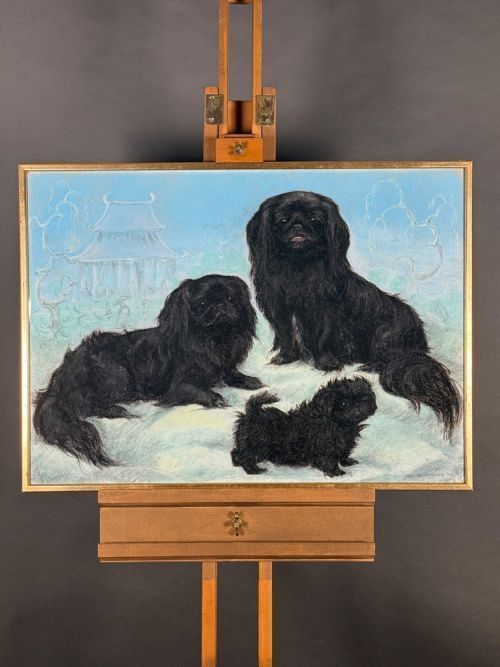
Subjects range from individual champions like greyhounds and Pekingese to domestic cats, kittens at play, and dogs resting by firesides. These pieces reflect historical bonds between owners and their animals, rendered through academic realism and provincial British styles.
Materials and methods
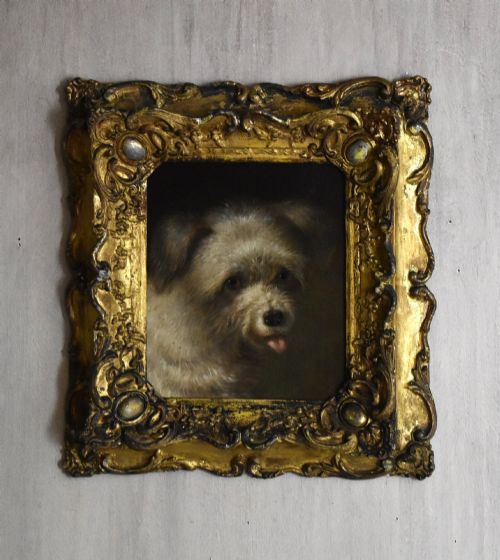
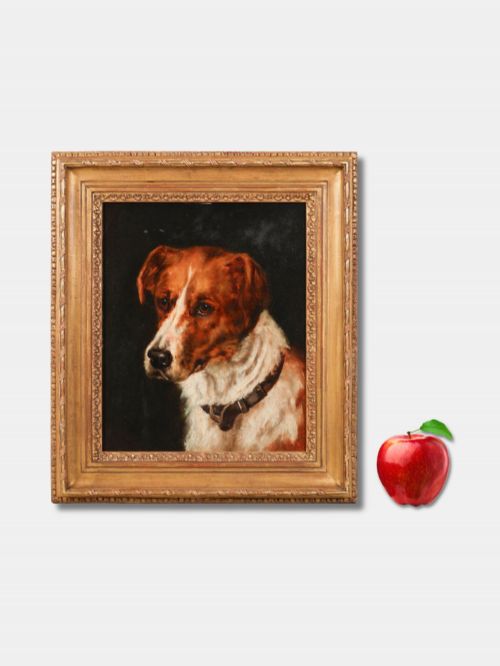
Paintings in this selection utilise oil paint applied to canvas, wood panels, or board, often retained in original giltwood or burr maple frames. Artists also employed pastel on paper for softer studies of domestic cats and dogs.
Execution spans detailed nineteenth-century realism to mid-century board compositions, occasionally incorporating glass protection and gold leaf details within the framing.
Several Victorian dogs immortalised on canvas were noted as particular favourites of nobility, preserving pampered hounds for posterity.
Judging quality in animal studies
Quality rests upon the artist's ability to render the anatomy, texture, and distinct expression of the animal rather than relying on formulaic background details. Superior works demonstrate confident brushwork in capturing fur, light, and posture.
The survival of original framing, such as burr maple or period giltwood, enhances the integrity of the piece. Attribution to a recorded artist or a clearly defined school further distinguishes fine examples from provincial work.
Martin Theodore Ward·William Barraud·Agnes Augusta Talboys·Christian Lindner·John Henry Dell·Valentine Thomas Garland·Florence Mabel Hollams·Philip Eustace Stretton·Charles Burton Barber·Samuel John Carter·Frank Owen Salisbury
The Antique Pet Portrait Artwork Glossary
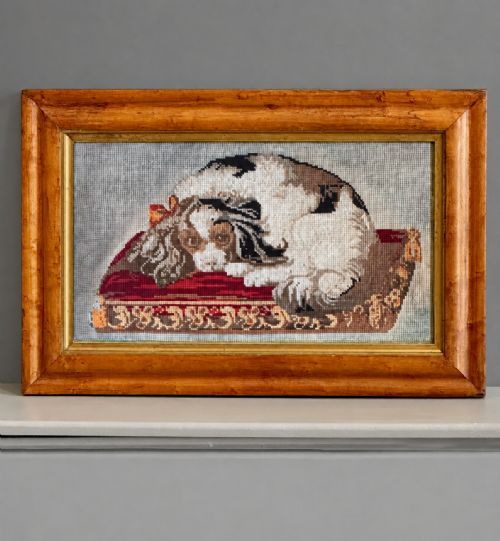
- Berlin work
- A type of nineteenth-century needlework using wool on canvas, often depicting animals following charted designs.
- Chromolithograph
- A multicoloured print produced through lithographic techniques, popular for reproducing popular animal paintings in the Victorian period.
- Oil on board
- A painting technique where oil pigments are applied directly to a rigid wooden or composition board rather than stretched canvas.
- Provincial school
- Art produced by regional or less formally documented artists outside metropolitan centres, often showing charmingly direct observation.
- Genre painting
- Artwork depicting scenes from everyday life, which in animal art often includes pets interacting within domestic interiors.
Antique Pet Portrait Artwork: Frequently Asked Questions
How do I date an animal painting?
Dating relies on costume, framing materials, stretcher construction, and signatures recorded on the reverse or front. Nineteenth-century works often utilise specific canvas stamps and heavy gilt frames.
Mid-century pieces frequently appear on modern board or utilise lighter pastel papers without historical canvas preparations.
Where were these pet portraits displayed?
Victorian and Edwardian owners hung pet portraits in drawing rooms, studies, and hallways to honour prized hunting dogs or household companions. Many depicted specific animals belonging to nobility or respected families.
Mid-century domestic spaces continued this tradition with smaller pastel drawings and panels of cats and terriers.
Are these works original or reproductions?
The inventory consists of original hand-painted oils, watercolours, and pastels created directly by artists across the nineteenth and twentieth centuries. Each piece reflects distinct brushwork or drawing techniques unique to its creator.
Items such as chromolithographs represent period printed reproductions rather than unique paintings.
How should I care for antique canvas paintings?
Keep oil paintings away from direct sunlight and fluctuating humidity to prevent canvas slackening and paint cracking. Dust frames gently with a dry cloth and avoid chemical cleaning agents on the painted surface.
Consult a professional conservator if the canvas requires tension adjustment or surface cleaning.