





Antique Persians Flat Weave
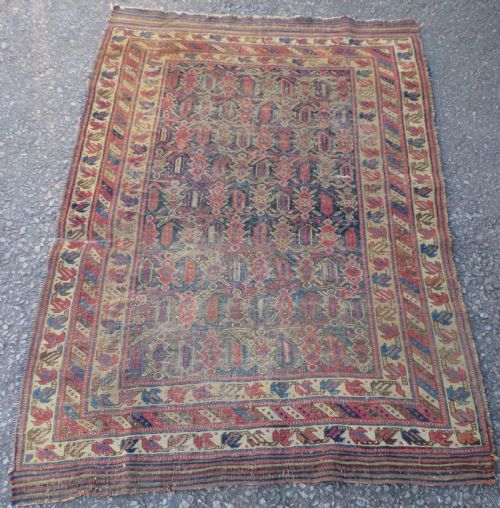
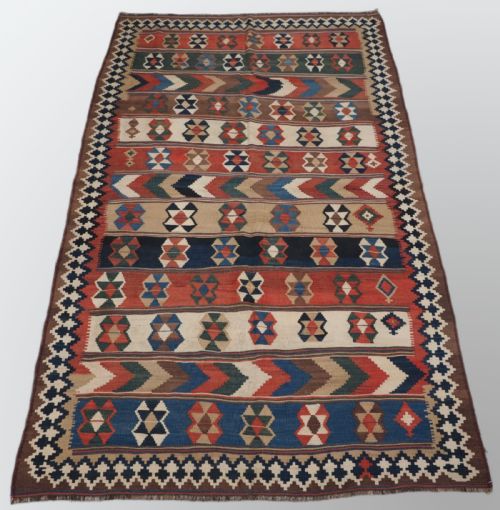
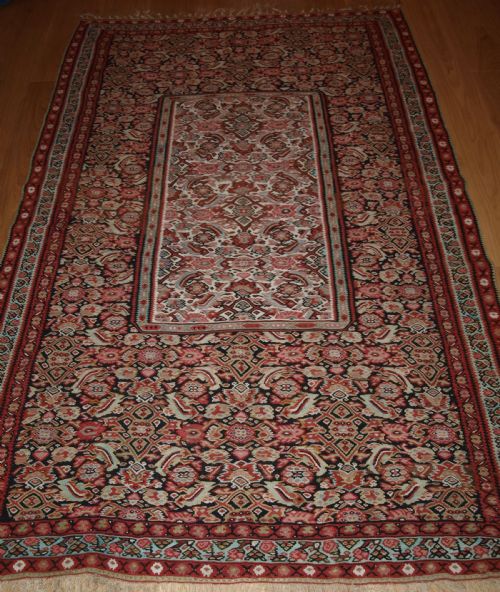
These antique persians flat weave pieces are tribal textiles and rugs made by nomadic groups, offering graphic patterns and rich textures for modern interiors.
Antique Persians Flat Weave
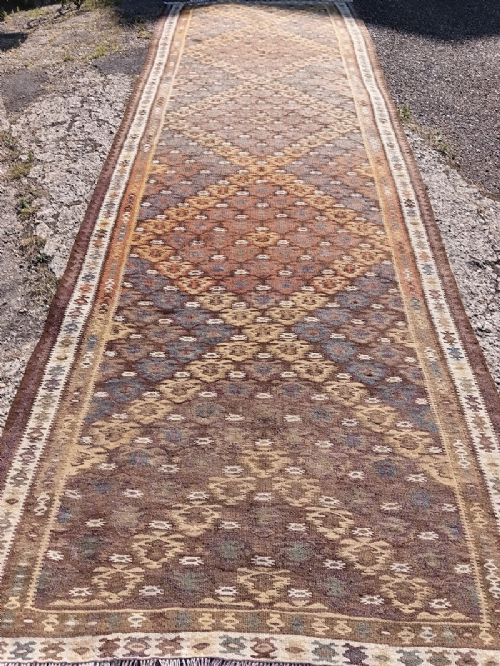
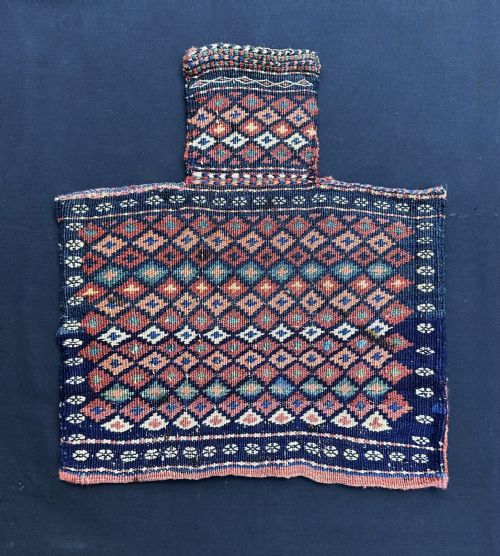
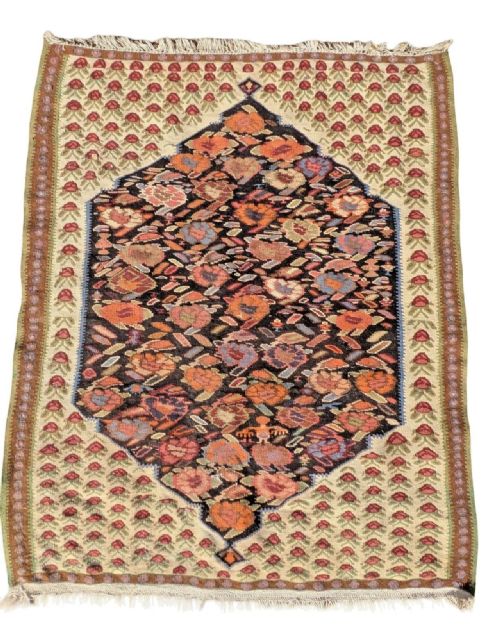
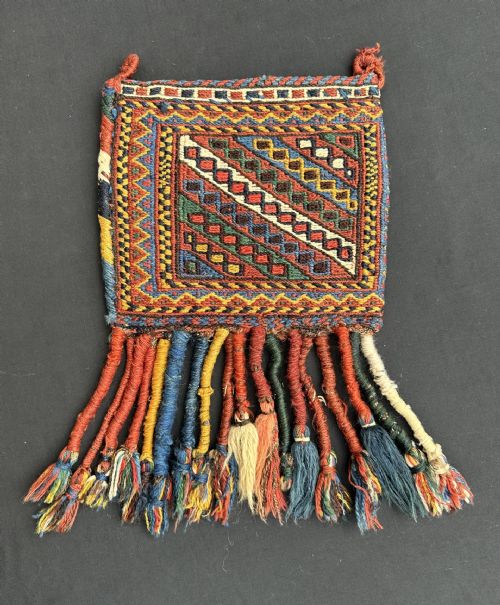
The pieces on this page span several decades from the mid-nineteenth century through to the early twentieth century. Common formats range from large carpets and runners down to smaller utilitarian objects like saddle bag faces and bread sofreh.
Nomadic weavers produced these flat weaves for practical household use rather than export markets. Their distinct tribal identities manifest through specific regional motifs and weaving structures passed down across generations.
What varies in quality
Quality depends upon the tightness of the weave and the precision of the geometric design execution. Finer pieces demonstrate careful handling of proportion and scale within medallions and border bands.
The integrity of the wool and the depth of the dyes dictate the visual strength of a textile over time. Superior examples maintain structural firmness and crisp colour distinction despite decades of historical use.
Antique Persians Flat Weave Retail Price Guide 2026
Typical asking prices for persians flat weave among the pieces listed under this phrase on Sellingantiques today, from the lower quarter to the upper quarter. They describe what is for sale here now, not the wider market.
Current listings feature pieces dated across the nineteenth and early twentieth centuries, constructed from wool and cotton.
The Antique Persians Flat Weave Glossary
- Kilim
- A flat-woven carpet or rug produced without a pile by tightly interweaving warp and weft strands. This technique creates a smooth surface on both sides of the textile.
- Soumak
- A decorative flat-weave technique where coloured weft threads wrap over and under the warp threads in a herringbone pattern. It adds substantial weight and durability to bags and rugs.
- Sofreh
- A flat-woven cloth traditionally used for spreading meals or handling dough in nomadic households. These textiles frequently feature strong geometric compositions.
- Khorjin
- A paired saddle bag designed for transport on animal back during seasonal migrations. Surviving bag faces are often displayed as individual wall hangings or small rugs.
- Warp
- The stationary vertical threads stretched onto a loom before weaving begins. The weft threads pass horizontally through these structural lines.
Antique Persians Flat Weave: Frequently Asked Questions
How were flat weave bags used?
Nomadic tribes utilised these woven pouches for storing salt, bread, and personal possessions during seasonal migrations.
Their sturdy construction protected contents from dust and moisture while serving functional roles within portable household setups.
Where do these tribal pieces originate?
The pieces come from various nomadic and village groups residing in regions such as Kerman, Luristan, and the Bakhtiari territories.
Each tribe developed distinct aesthetic traditions and weaving methods reflecting their specific geography and lifestyle.
How do I care for an antique flat weave?
Protect the textile by placing a suitable underlay beneath it to prevent slipping and reduce friction during regular foot traffic.
Vacuum gently using suction attachments without rotating brushes, and consult a specialist for professional cleaning when necessary.
How can I tell different tribal designs apart?
Tribal styles display distinct colour palettes and geometric motifs characteristic of specific weaving communities like the Shahsavan or Qashqai.
Examining the structural technique, such as soumak wrapping or slit-tapery, also points towards a particular regional origin.