



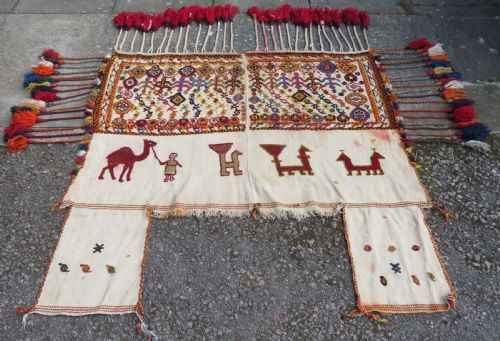


Tribal Woven Blanket
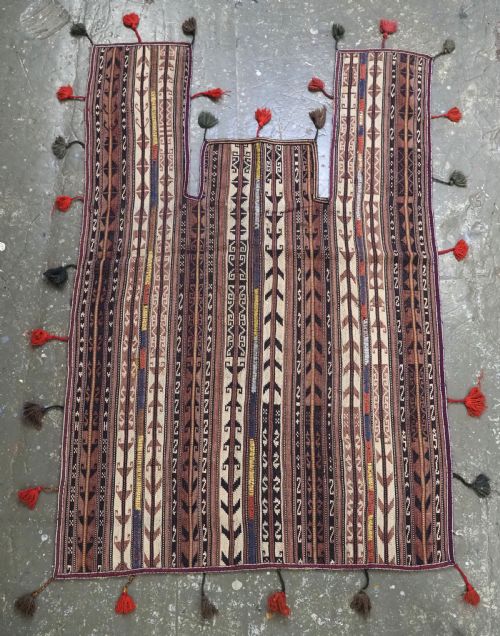
These tribal woven blanket textiles are striking flatweave coverings and horse covers rich in wool and cotton from nomadic traditions.
Tribal Woven Blanket
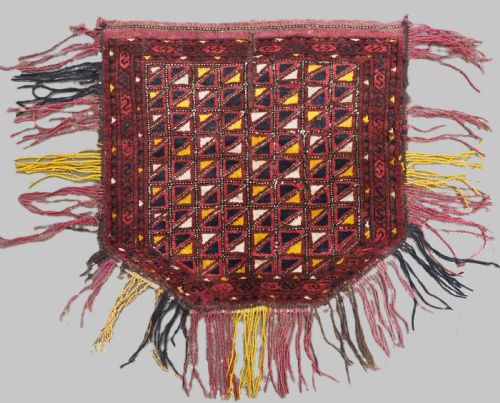
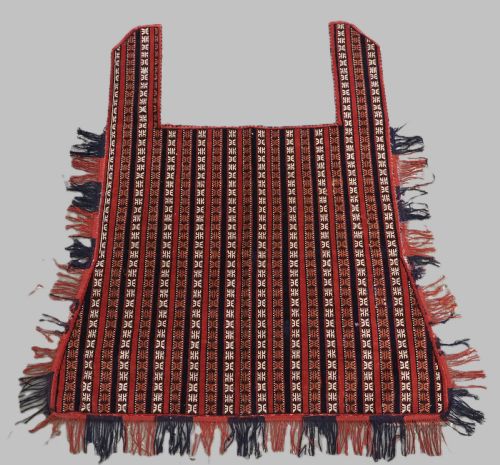
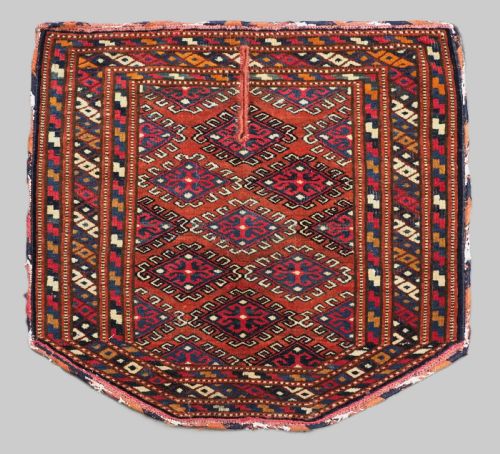
A tribal woven blanket encompasses flatweave rugs, horse covers, and textile panels originating from Central Asian, Persian, and Anatolian traditions. These pieces include ceremonial horse blankets and Yomut Turkmen saddle covers dating across the nineteenth and early twentieth centuries.
The physical presence of a tribal woven blanket derives from wool and cotton structures designed for practical nomadic use or ceremonial display. Each piece reflects the distinct weaving heritage of groups like the Teke, Yomut, and Ersari tribes.
Materials and construction
Weavers utilised wool and cotton fibres to produce durable flatweave surfaces. Many larger textiles and panels are constructed by joining two or four separate woven strips together.
Details such as original tassels survive on specific pieces, demonstrating traditional finishing techniques. The structural integrity relies on tight flatweave methods suited for saddle covers and floor spreads.
Tribal Woven Blanket Retail Price Guide 2026
Typical asking prices for tribal woven blanket among the pieces listed under this phrase on Sellingantiques today, from the lower quarter to the upper quarter. They describe what is for sale here now, not the wider market.
Several horse blankets managed to survive rigorous nomadic journeys while retaining their original tassels and ceremonial status.
Variations in quality
Quality rests upon the precision of the flatweave structure and the intact nature of original elements like tassels and joined panel seams. Pieces displaying distinct tribal motifs and careful multi-strip construction hold greater distinction.
The execution of classic designs across Yomut Turkmen, Qashqai, and Baluch examples determines the visual strength of the textile. Condition and structural completeness define the standing of each woven blanket.
The Tribal Woven Blanket Glossary
- Kilim
- A flatweave textile produced without a pile, commonly utilised for rugs, covers, and wall hangings. These pieces are constructed using interlocking weft techniques.
- Moj
- A traditional flatweave textile or floor spread originating from Persian nomadic tribes such as the Bakhtiar and Qashqai. These items function as heavy covers or spreads.
- Flatweave
- A textile method where weft yarns are tightly beaten down against the warp, creating a smooth surface without raised pile. This technique defines kilims and horse covers.
- Saddle cover
- A smaller woven textile designed to fit over a horse saddle or pack animal, often featuring traditional tribal symbols. Yomut and Ersari examples are prominent.
- Chuval
- A large Turkmen storage bag face or tent hanging, woven by tribal groups such as the Teke. These pieces exhibit intricate traditional gul motifs.
Tribal Woven Blanket: Frequently Asked Questions
How were these blankets used?
Nomadic communities utilised these textiles as horse covers, saddle blankets, floor spreads, and wall hangings. Ceremonial pieces played specific roles in tribal rituals and daily transport.
Sturdier flatweaves served functional roles within tents and camps, while finer panels and horse covers held decorative or ritual significance.
How do I care for a flatweave textile?
Protect antique wool and cotton textiles from direct sunlight to prevent fading. Gentle vacuuming through a mesh screen helps remove dust without damaging the flatweave structure.
Avoid excessive moisture and consult a specialist textile conservator for professional cleaning when necessary.
How do I identify different tribal styles?
Tribal styles are distinguished by specific regional patterns, construction methods, and material choices. Turkmen pieces often feature distinct guls and rich wools, while Persian examples like Qashqai moj display alternative palette traditions.
Construction details, such as multi-strip joining or the presence of original tassels, further assist in identifying specific groups like the Uzbek or Baluch.