



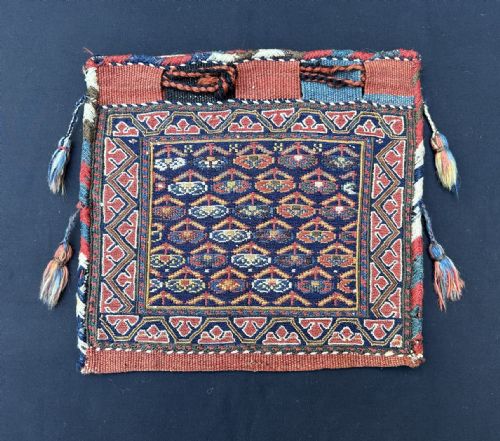
Antique Persia Woven Rug
An antique persia woven rug brings centuries of nomadic and village weaving traditions into a modern room through rich natural dyes and geometric motifs.

Antique Persia Woven Rug
When searching for an antique persia woven rug, a buyer encounters a diverse group of floor coverings and tribal textiles originating from various regions of Persia. These pieces span production from the mid-nineteenth century through the early twentieth century.
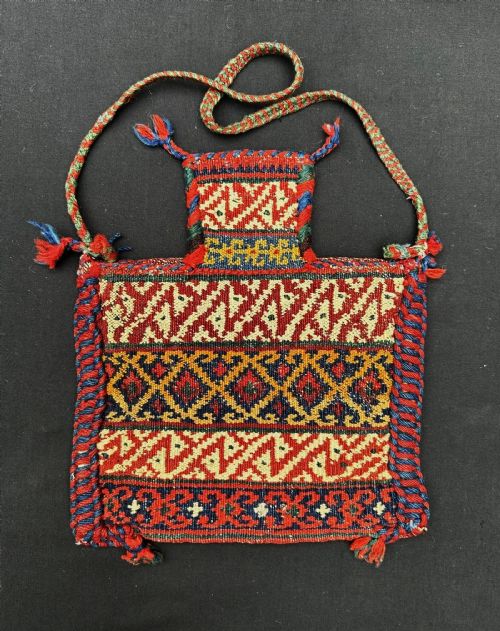
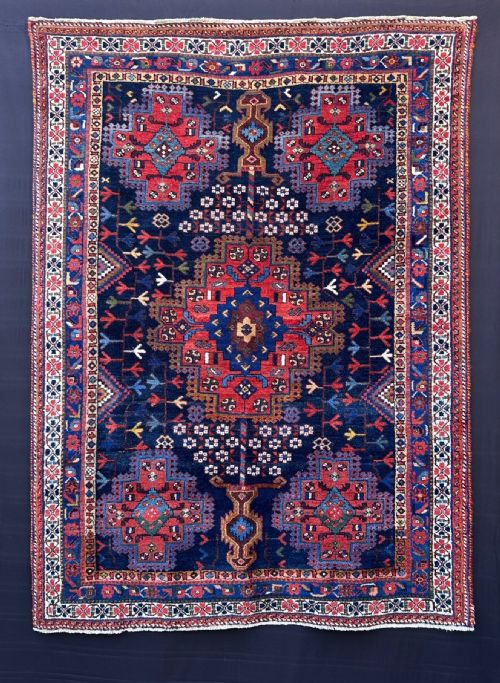
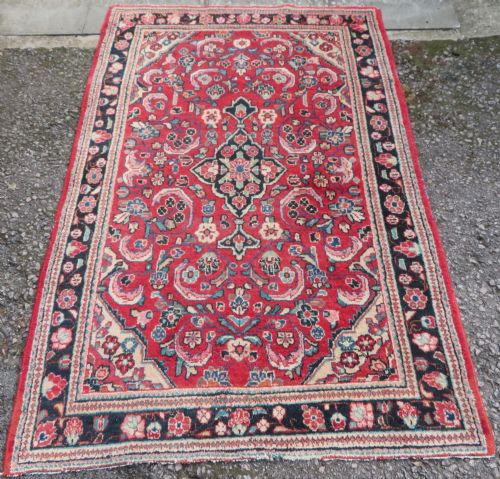
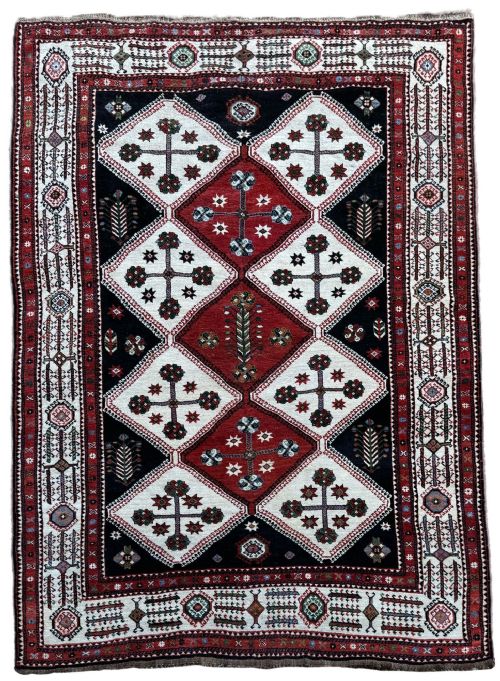
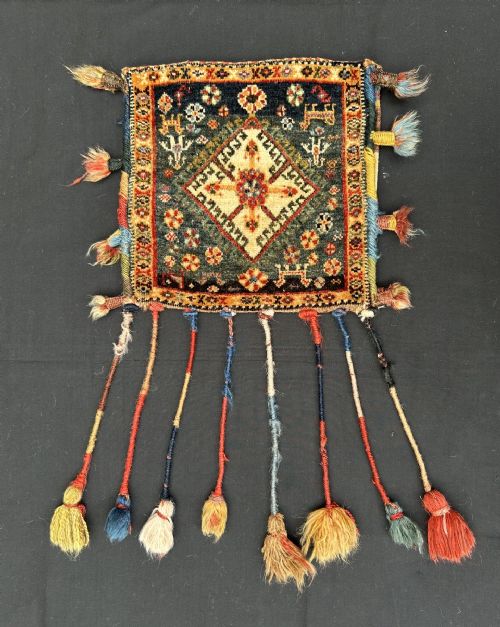
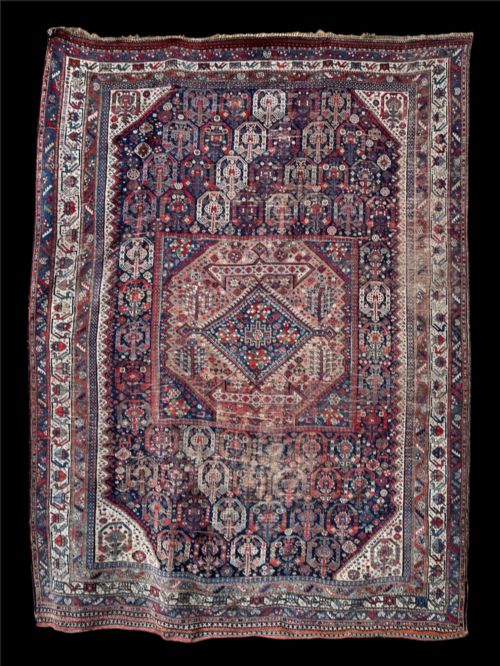
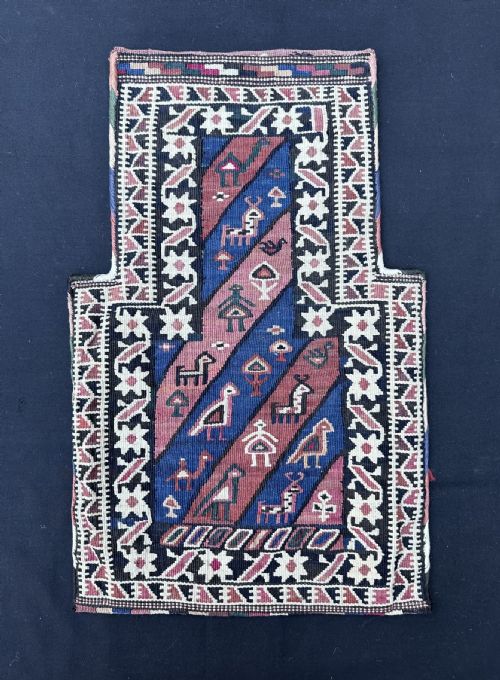
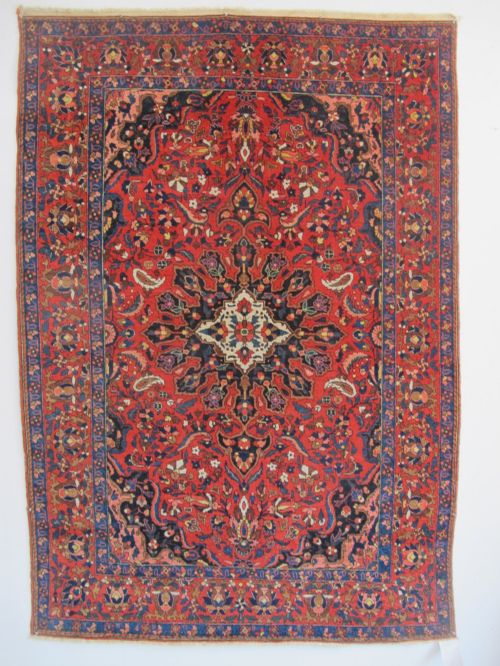
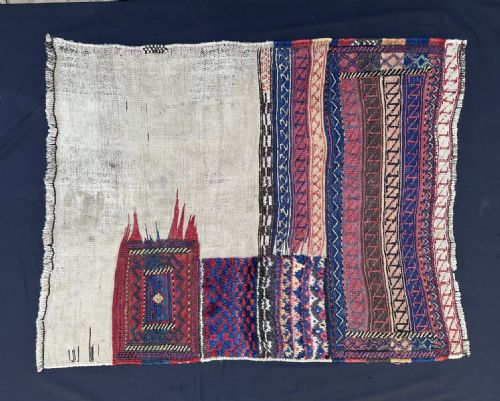
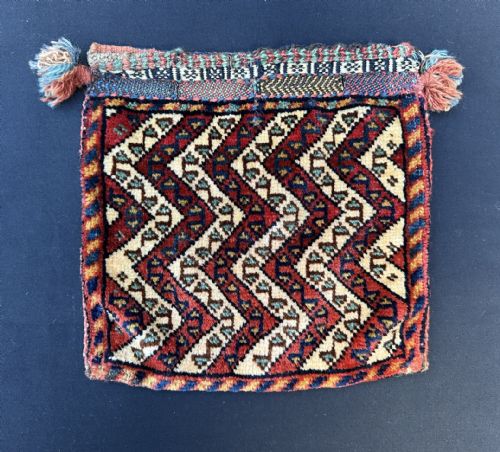
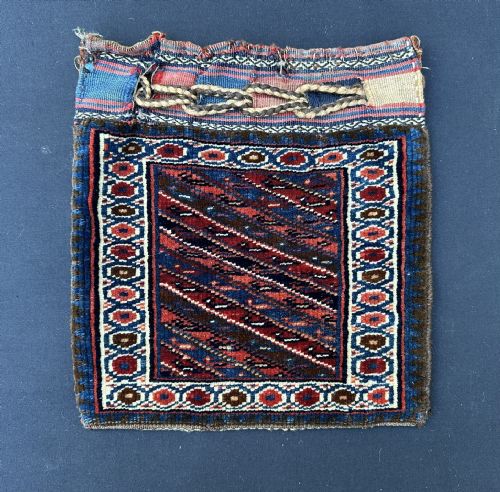
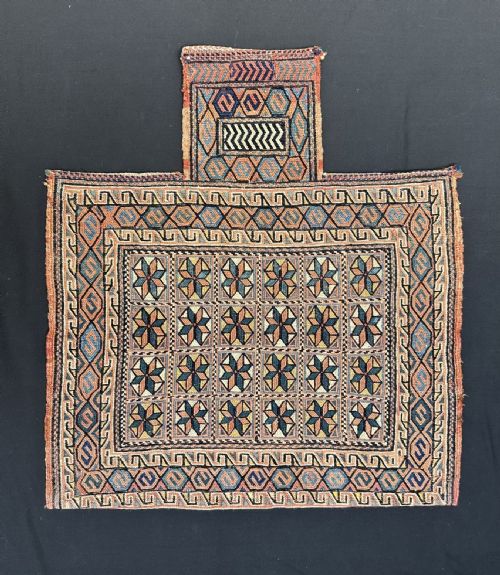
The selection frequently includes practical domestic items and tribal bags alongside larger carpets. Pieces range from village weaves originating in Mahal and Heriz to specific tribal works by the Afshar, Qashqa'i, and Baluch groups.
Buyers often meet regional formats such as the long runner, the square village rug, and the specialised nomadic container face. Each piece reflects the specific aesthetic vocabulary of the tribe or workshop that produced it.
What Varies in Quality
The standard of a piece depends heavily on the fineness of the knotting and the handling of the wool. Tighter structures allow for crisper geometric delineation and greater resilience under foot.
Colour variation stems from the depth and saturation of the natural dyes employed in the yarn. Pieces displaying harmonious palette shifts and complex, well-balanced tribal motifs represent the upper echelon of these textiles.
A surprising number of surviving nomadic bags still retain decorative cowrie shells intended to ward off bad luck.
Benlian Tabriz
The Antique Persia Woven Rug Glossary
- Sofreh
- A flatwoven spread or cloth used for dining or handling bread dough. These textiles often feature striking striped or geometric field patterns.
- Khorjin
- A double saddlebag used by nomadic tribes for transport and storage. The face panels frequently survive as independent collector items after the connecting web separates.
- Gabbeh
- A thick, coarsely knotted pile rug traditionally woven for household use rather than trade. They are celebrated for their minimalist fields and broad expanses of open colour.
- Tacheh
- A square storage bag or grain cover produced by western nomadic groups. They typically display intricate checkered or banded geometric layouts.
- Selvage
- The reinforced outer edge of a rug that protects the structure from fraying. Artisans often bind these borders using durable wool or goat hair.
Antique Persia Woven Rug: Frequently Asked Questions
How were tribal bags used?
Nomadic groups utilised these woven containers for storing household goods, salt, or personal items during seasonal migrations. They functioned as both practical storage and decorative elements within the tent.
Over decades, many of these utilitarian bags were separated from their original backing, leaving the decorative face panels intact for collectors.
What distinguishes village rugs from nomadic pieces?
Village rugs generally display more formalized geometric or medallion layouts due to settled production in specific regional centres. They frequently feature cotton foundations alongside wool pile.
Nomadic weavings often exhibit asymmetrical designs and portable formats reflecting the mobile lifestyle of smaller tribal confederacies.
How do natural dyes age?
Natural dyes mellow gradually through exposure to light and air, developing subtle tonal shifts known as abrash. This organic variation adds depth and visual texture to the wool.
Synthetic dyes introduced later in the period tend to age with less nuance, retaining a sharper uniformity across the field.
How should I care for an antique rug?
Protect the textile by vacuuming gently without a rotating brush roll to prevent snagging the hand-spun wool pile. Using a quality underlay prevents slippage and reduces friction against hard flooring.
Professional cleaning tailored to antique vegetable-dyed wool ensures the structural integrity remains undisturbed over years of use.