




Antique Persia Floor Carpet
An antique persia floor carpet anchors a room with generations of artistry woven into wool, cotton and silk.
Antique Persia Floor Carpet
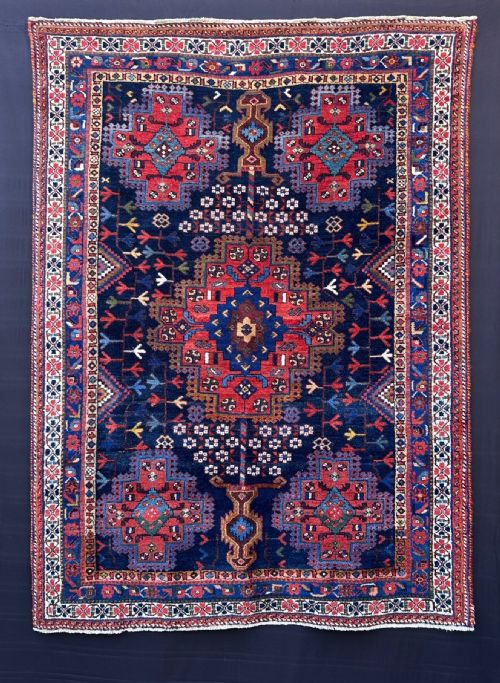
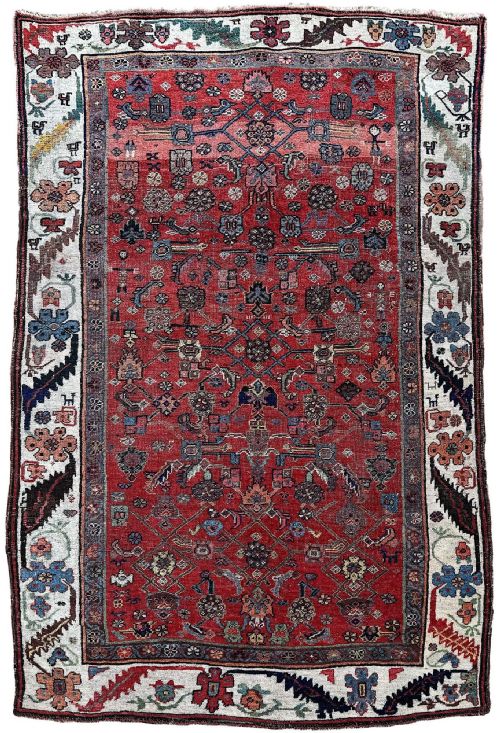
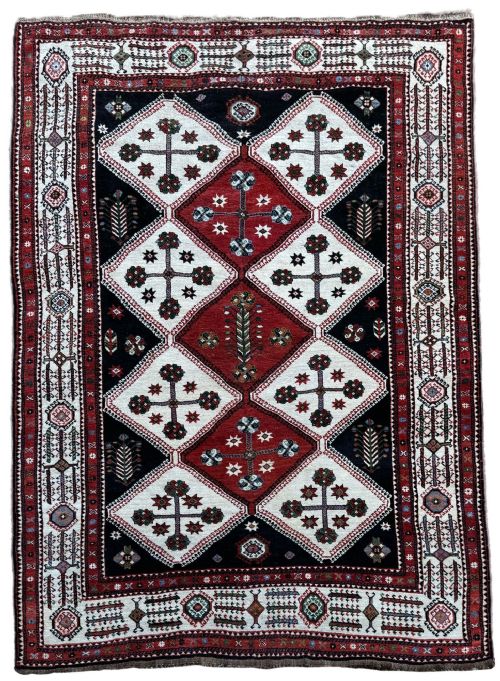
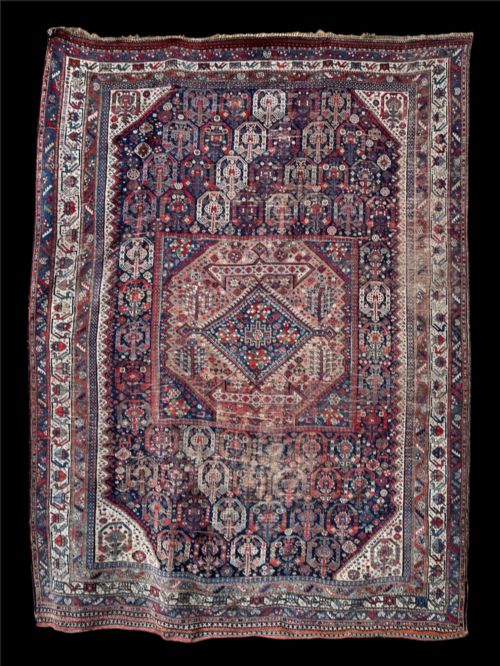
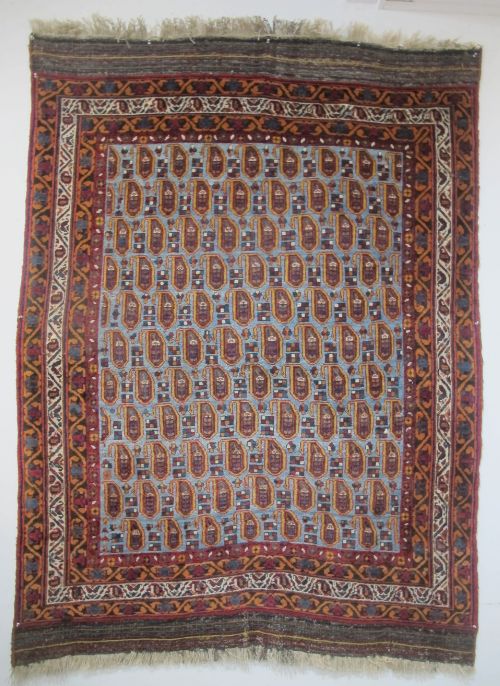
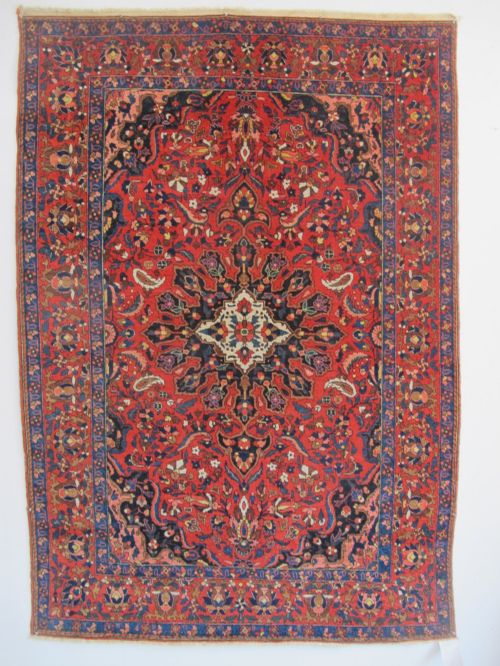
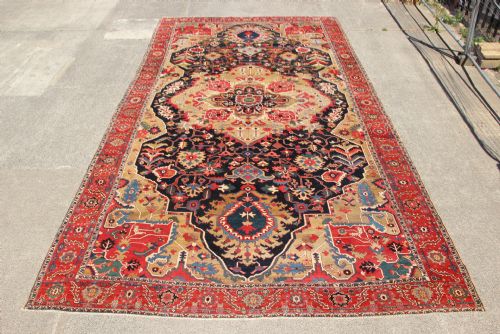
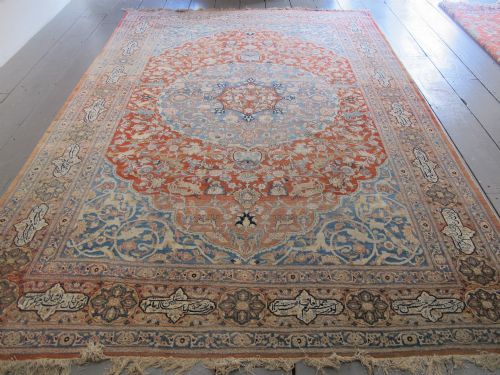
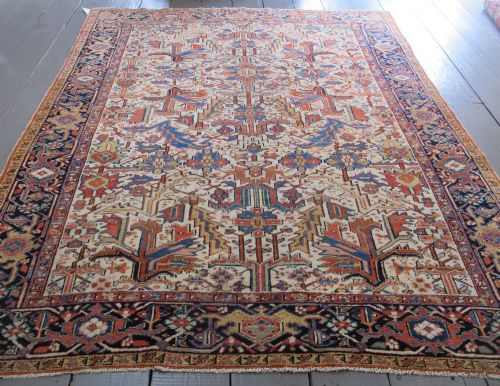
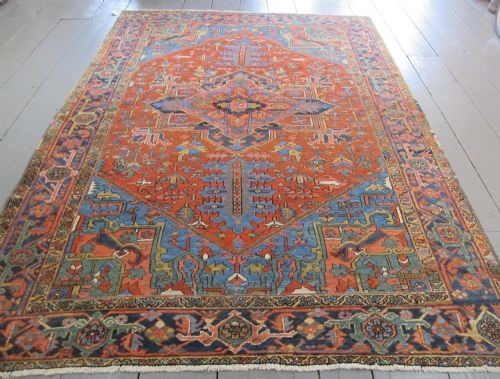
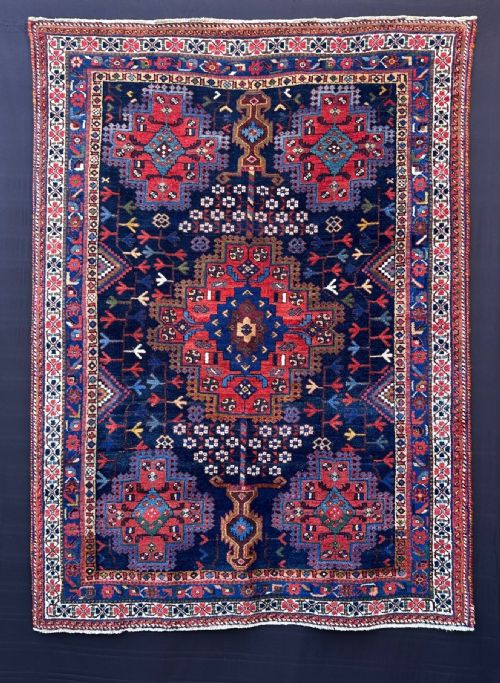
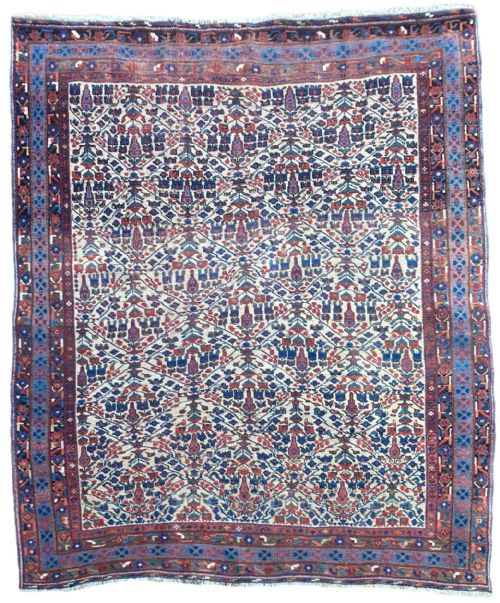
An antique persia floor carpet embodies centuries of regional weaving traditions, spanning urban workshops, village looms and nomadic tribal camps. The selection encountered here ranges from large nineteenth-century room-size pieces to smaller hallway runners and area rugs.
Makers across regions such as Heriz, Tabriz, Bidjar and Kerman developed distinct geometric and floral vocabularies. These floor coverings served practical domestic functions while reflecting the specific cultural heritage of their weavers.
The nineteenth and early twentieth centuries produced durable formats designed to withstand heavy foot traffic. Regional identifiers such as Serapi, Bakhtiari, Afshar and Kashan define the specific character of these traditional textiles.
How They Were Made
Weavers constructed these carpets predominantly using wool pile knotted onto cotton or wool foundations, with occasional silk examples originating from central weaving centres. Natural dyes derived from plants and minerals provided the foundational palette for the intricate field designs and borders.
Nomadic and village pieces often utilised sturdy, coarse wool suited to tribal life, whereas city workshops employed finer spinning techniques to achieve detailed curvilinear medallions. Hand-knotting density varied according to the origin, balancing structural resilience with visual complexity.
Materials recorded across current inventory include wool, cotton and silk.
What Varies in Quality
The visual strength of a piece depends on the depth and saturation of its natural dyes, which age gracefully over decades. Harmony between the primary field and the guard borders indicates a master weaver's careful proportioning.
Structural integrity relies upon knot density and the evenness of the foundation weave across the entire span. Fineness of execution distinguishes high-status urban workshop carpets from robust rural tribal counterparts.
Haji Jalili·Benlian
The Antique Persia Floor Carpet Glossary
- Medallion
- A central ornamental motif dominating the field of the carpet. Most traditional Persian designs centre around this focal geometry.
- Warp
- The vertical threads stretched lengthwise on the loom before knotting begins. Foundation strength largely depends on these parallel tension lines.
- Weft
- The horizontal threads passed through the warps after each row of knots is tied. This process secures the pile and firms the structure.
- Pile
- The upright cut ends of the knotted yarn forming the soft surface. Wool, cotton and silk constitute the primary fibres used for this layer.
- Field
- The main central background area enclosed by the outer borders. Regional patterns and medallion placements define this primary space.
Antique Persia Floor Carpet: Frequently Asked Questions
How do I identify regional styles?
Regional styles appear through distinct colour palettes, specific medallion geometries and characteristic border designs. Village weavers favoured bold geometric motifs, whereas city workshops produced intricate floral curves.
Examining the structural materials and knotting density further clarifies whether a piece originated from a tribal encampment or an urban workshop.
Where were these carpets woven?
Weaving took place across diverse landscapes throughout Persia, encompassing nomadic tribal territories, rural agricultural villages and established metropolitan centres. Major hubs included Tabriz in the north-west, Kerman in the south and Isfahan in central regions.
Each locality imparted unique characteristics through local dyeing traditions and specific loom techniques passed down through generations.
How should I care for an antique carpet?
Gentle, regular vacuuming without a rotating power brush helps remove embedded grit without straining the ancient wool pile. Professional specialist cleaning maintains the integrity of natural dyes and delicate cotton or wool foundations.
Rotating the rug periodically ensures even exposure to light and distributes foot traffic symmetrically across the surface.
What materials were used?
Hand-spun wool served as the primary material for the durable surface pile across both tribal and urban pieces. Cotton foundations provided sturdy structural support for the warps and wefts in most village and city formats.
Selected fine urban workshop pieces incorporated silk to achieve intricate detail and a luminous surface sheen.