




Vintage Caucasian Style Carpet
When you want a vintage caucasian style carpet, you are looking at hand-knotted tribal floor coverings defined by geometric motifs and rich wool.
Vintage Caucasian Style Carpet
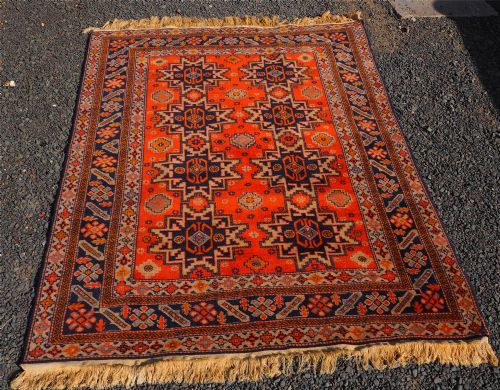
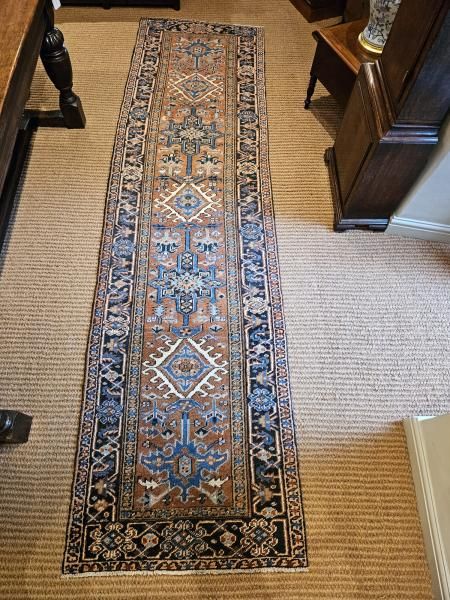
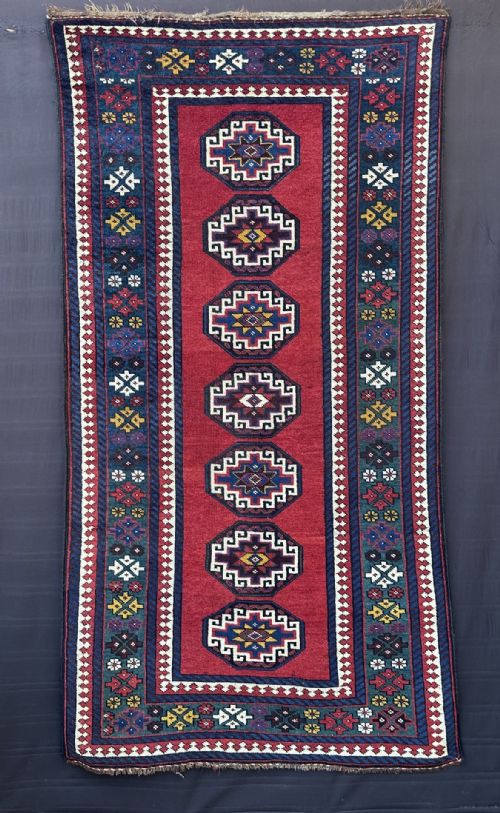
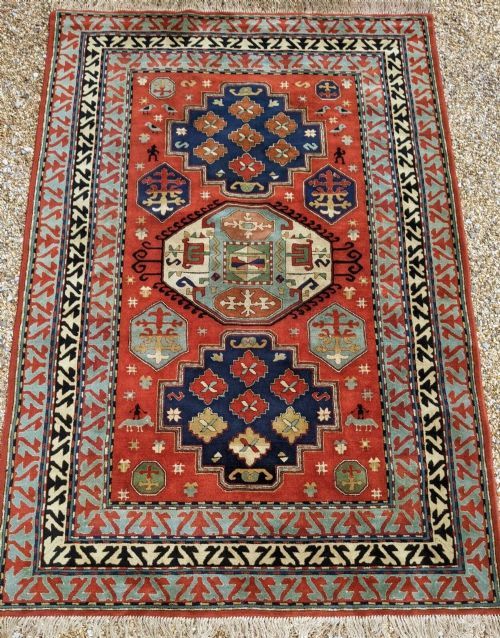
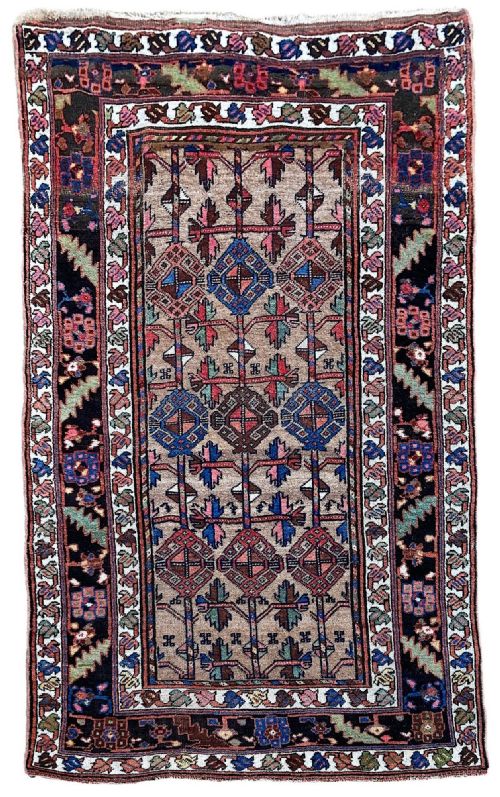
A vintage caucasian style carpet brings bold geometric patterns and striking tribal designs into a room, drawing on traditions from the Caucasus and North-West Persia. These pieces include runners, prayer rugs and larger area formats originating from the nineteenth and early twentieth centuries.
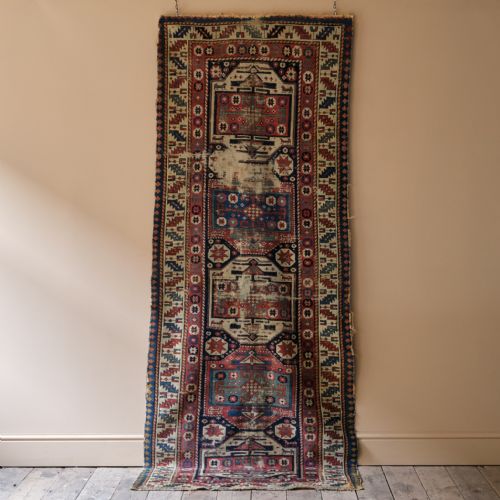
The version you are most likely to meet on this page is a village or tribal weave from periods spanning the late nineteenth century to the 1930s. Common examples take the form of village rugs and long runners featuring structured medallions, repeating boteh motifs and strong border guards.
How They Were Made
Weavers constructed these carpets using wool and hand-spun wool for the pile, often set against cotton foundations. Camel hair also appears in the mix, providing natural brown and golden tones without dyeing.
The construction relies on hand-knotting techniques executed on upright looms. Artisans tied dense knots by hand, creating resilient floor coverings intended to withstand daily use while retaining crisp graphic details.
One notably crooked Kazak runner proves that village weavers embraced happy asymmetries rather than strict geometry.
What Varies in Quality
Quality rests on the precision of the knotting and the handling of the wool. Superior examples display tightly packed knots that keep geometric lines sharp and defined.
The grade of the wool determines the handle and resilience of the pile. Finer fleeces take dyes evenly and age with a rich patina, while simpler village weaves show more rustic charm and varied pile depths.
The Vintage Caucasian Style Carpet Glossary
- Boteh
- A stylised almond or paisley motif representing a bush or floral spray. It appears frequently in repeating rows across Caucasian and Persian runners.
- Kazak
- A style of rug associated with the Caucasus known for bold primary colours and large geometric medallions. These pieces demonstrate strong tribal character.
- Runner
- A long, narrow carpet format designed for hallways, corridors and narrow spaces. They preserve repeating patterns along an extended axis.
- Prayer Rug
- A smaller rug featuring a central mihrab or niche design used historically for daily prayers. The niche points toward Mecca during use.
- Medallion
- A central ornamental motif set into the middle of the carpet field. It acts as the visual anchor for the surrounding geometric composition.
Vintage Caucasian Style Carpet: Frequently Asked Questions
How do I clean a wool rug?
Vacuum gently without using a rotating brush roll to protect the hand-knotted pile from damage.
Professional specialist cleaning is recommended for deeper maintenance to preserve the natural wool fibres.
Where should I place a runner?
Place runners in hallways, corridors or narrow transition spaces where long floor coverings soften hard surfaces.
They also work effectively alongside kitchen islands or beside beds to add warmth underfoot.
Are these carpets handmade?
Yes, these pieces are hand-knotted using traditional artisanal methods passed down through generations of weavers.
Each rug reflects individual maker choices in colour arrangement and geometric layout.
How do I identify village rugs?
Village rugs display less rigid symmetry than city workshop carpets, featuring spontaneous tribal motifs and charming irregularities.
They often incorporate locally sourced wool and distinctive regional colour palettes unique to specific weaving communities.