


Antique Period Bed
An antique period bed brings centuries of craftsmanship into a bedroom, offering substantial timber frames and striking metal designs that anchor a room.
Antique Period Bed
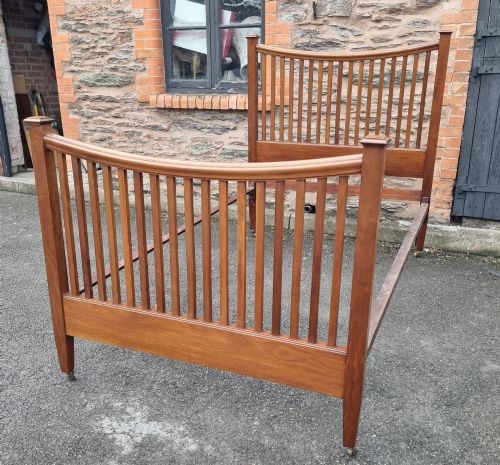
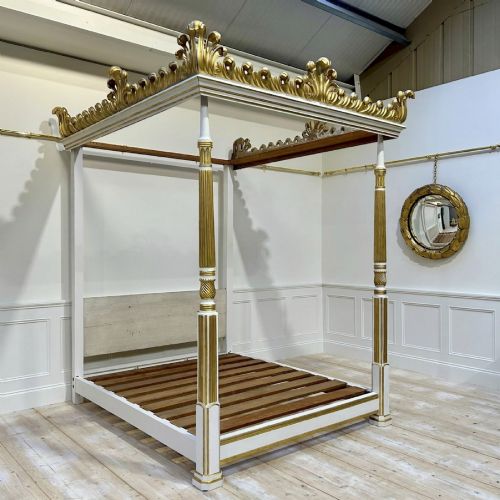
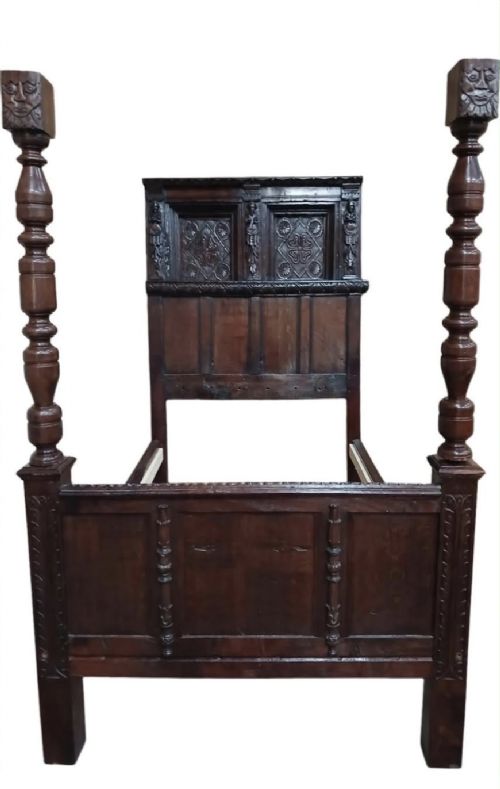
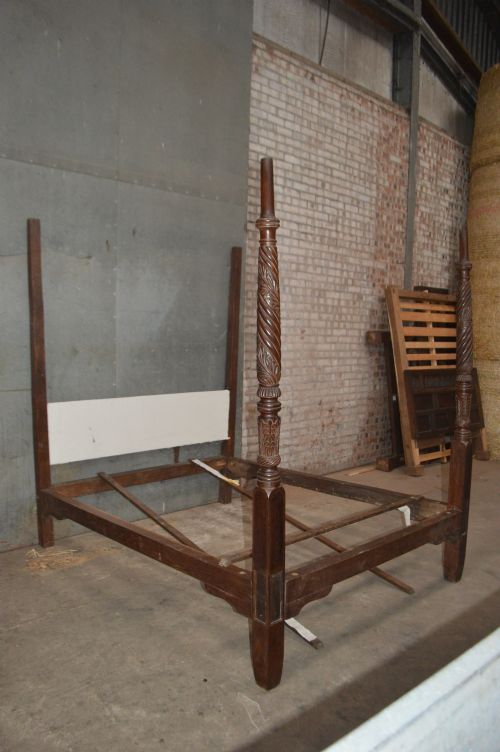
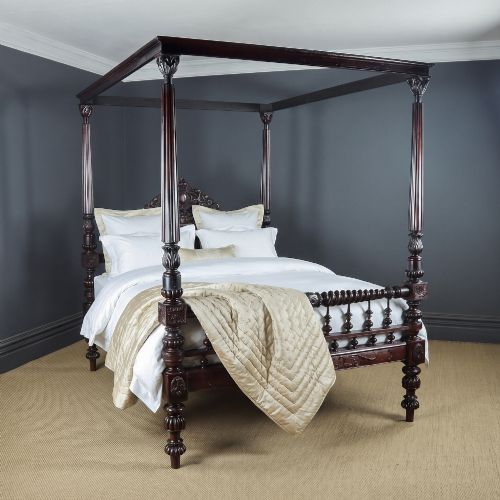
An antique period bed encompasses large wooden frames, four poster tester structures, and metal bedsteads originating from eras like the seventeenth century, the Georgian period, and the Victorian age. Buyers searching for an antique period bed often encounter substantial oak structures alongside lighter mahogany, iron, and brass designs.
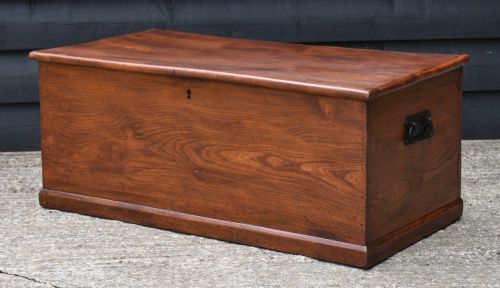
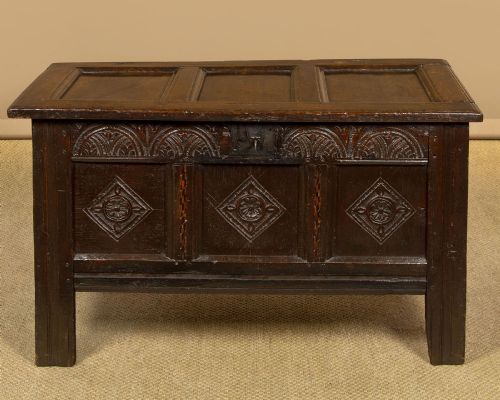
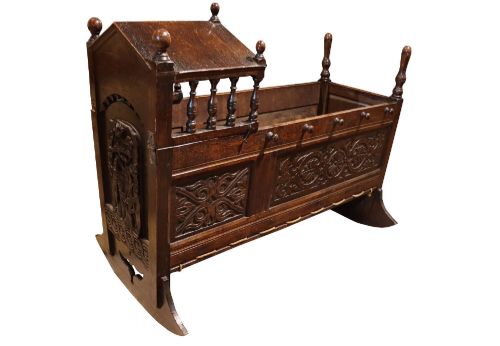
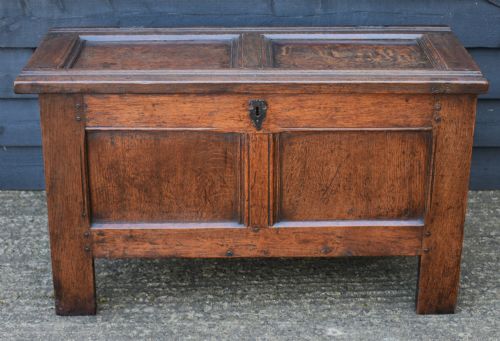
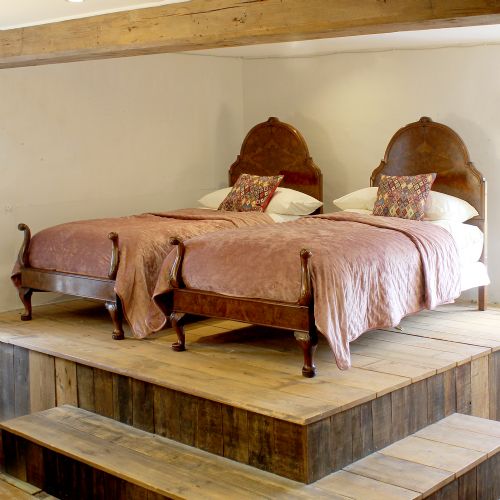
The selection ranges from seventeenth-century carved oak tester beds to nineteenth-century iron and brass bedsteads and Edwardian mahogany frames. Alongside full-size sleeping frames, the category frequently includes related storage and bedside items such as coffers, mule chests, and bedside cupboards.
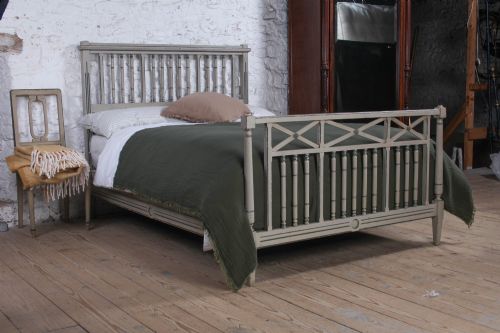
Origin details span English cabinetmaking traditions, Welsh oak pieces, Anglo-Indian colonial workshops, and French stylistic influences like Louis XVI painted cane day beds. This diversity allows buyers to match a bed directly to historical interior schemes.
Materials and construction methods
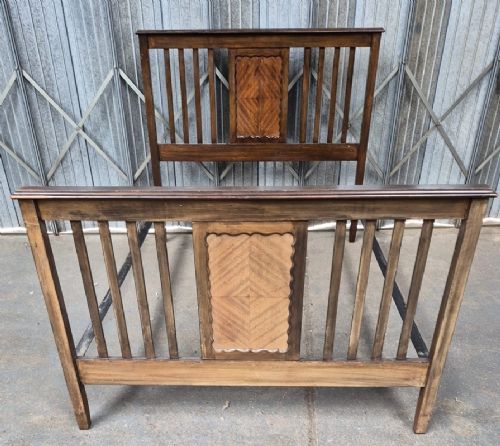
Timbers form the foundation of wooden examples, with solid oak utilised extensively for seventeenth-century coffers and tester beds, while later pieces employ flame mahogany, burr walnut, and birds-eye maple. Carpenters joined these structural elements using traditional techniques, incorporating panelled construction and detailed surface carving.
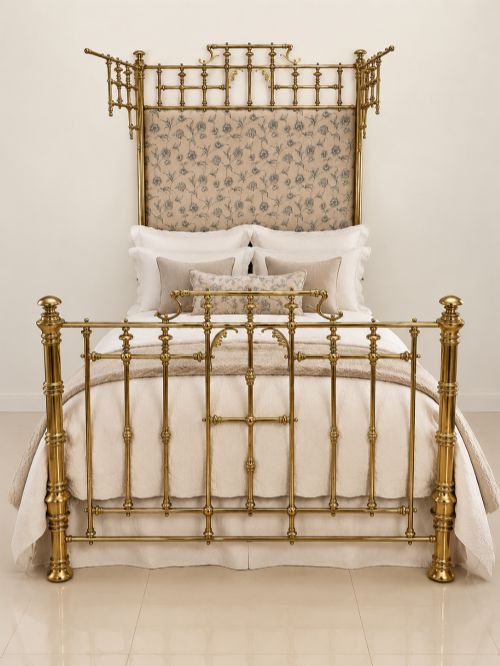
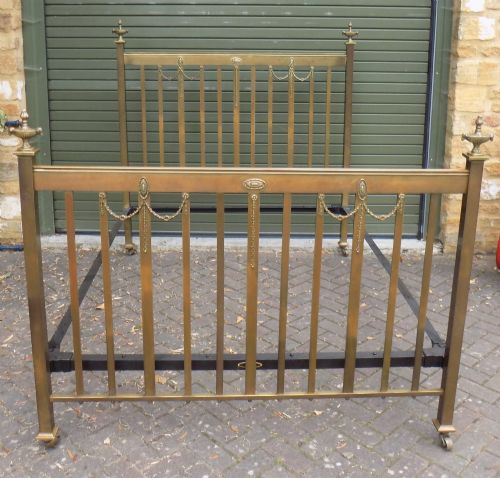
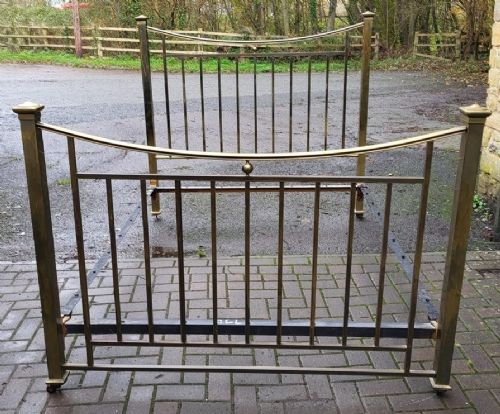
Metal frames combine cast iron and wrought iron with brass elements, often enhanced through decorative painted finishes or inlaid details such as mother of pearl. These combined metals allowed makers to construct sturdy iron and brass bedsteads with intricate scrollwork and decorative tubing.
Surface treatments range from waxed and polished hardwoods to painted and cane-panelled frames, preserving the natural grain or applying decorative colour schemes according to the prevailing style of the period.
Antique Period Bed Retail Price Guide 2026
Typical asking prices for period bed among the pieces listed under this phrase on Sellingantiques today, from the lower quarter to the upper quarter. They describe what is for sale here now, not the wider market.
The listings span eight distinct historical periods, running from the seventeenth century through to the Art Deco era of the 1930s.
Evaluating construction and design standards
Quality rests upon the integrity of the original timber and metalwork, distinguishing robustly constructed frames from those with compromised structural members or extensive later alterations. Superior examples retain their original proportions and authentic surface patination without excessive replacement parts.
The refinement of the carving and decorative detailing separates standard production from exceptional pieces. Finely executed mouldings, crisp panel carving, and integrated brass enrichments demonstrate the skill of the original workshop.
Stanley Webb Davies·RW Winfield
The Antique Period Bed Glossary
- Tester bed
- A bed featuring a wooden canopy or ceiling supported by four vertical posts. These imposing frames often date from the seventeenth century and earlier.
- Bedstead
- A framework of wood or metal designed to support a mattress. This term typically applies to metal or simpler wooden frames rather than large tester structures.
- Coffer
- A large wooden chest with a hinged lid used originally for storage. Seventeenth-century examples often display intricate carved panelling on the front.
- Mule chest
- A storage chest featuring one or more drawers at the base beneath the main compartment. Eighteenth-century versions in oak are frequently associated with Welsh workshops.
- Day bed
- A couch or resting piece designed for reclining during daylight hours. French examples often incorporate painted frames and cane panels.
Antique Period Bed: Frequently Asked Questions
Will an antique bed fit a modern mattress?
Many older beds were constructed before standard mattress dimensions were established. Buyers often verify the internal dimensions of the frame to ensure a modern mattress can be accommodated safely.
Some bed frames require bespoke mattresses or minor adjustments to fit contemporary sizes comfortably while preserving the historic structure.
How do I assemble a four poster bed?
Four poster and tester beds typically dismantle into separate headboards, footboards, side rails, and canopy sections. Assembly requires multiple people to align the mortise and tenon joints or threaded bolts carefully.
Keeping the original timber components aligned prevents strain on the antique joints during the construction process.
What is the difference between an iron bed and a brass bed?
Iron beds utilise cast and wrought iron for the primary structural framework, sometimes finished with painted surfaces. Brass beds incorporate brass tubing and decorative cast brass fittings for a brighter appearance.
Many Victorian designs combine both metals, using an iron frame for strength alongside polished brass rails and finials.
How do I care for antique wood furniture?
Maintaining wooden frames involves keeping them away from direct heat sources and sudden humidity changes that can cause timber to split. Regular dusting with a soft cloth preserves the polished surface.
Applying occasional appropriate wax feeds the timber and protects the historic finish without building up heavy residues.