



Antique Perfume Flacon
An antique perfume flacon is a small vessel designed to hold precious scent, combining decorative glass or porcelain with precious metal mounts.
Antique Perfume Flacon
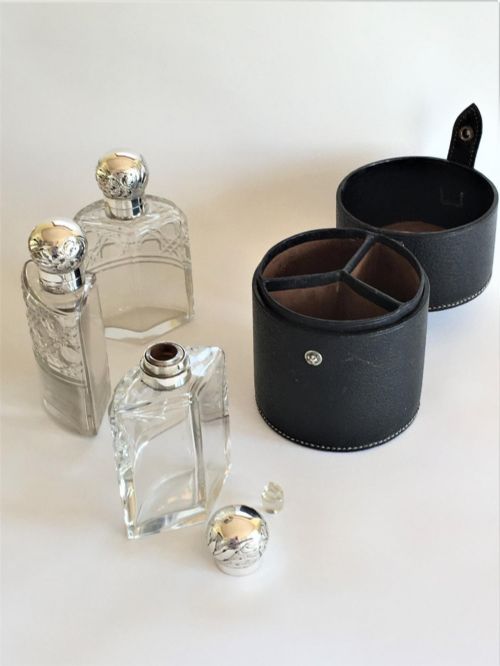
When searching for an antique perfume flacon, collectors encounter a diverse array of small portable vessels used for holding liquid fragrances and smelling salts. These items span multiple periods from the eighteenth century through the art deco era, reflecting changing fashions in personal grooming and dressing table accessories.
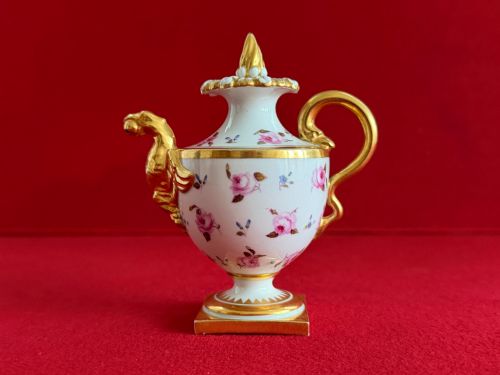
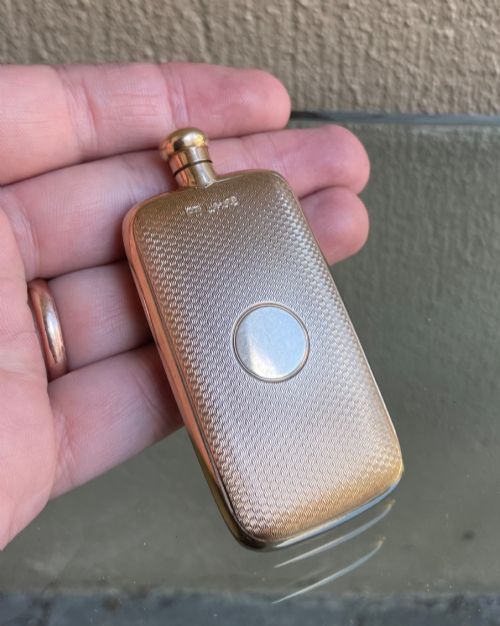
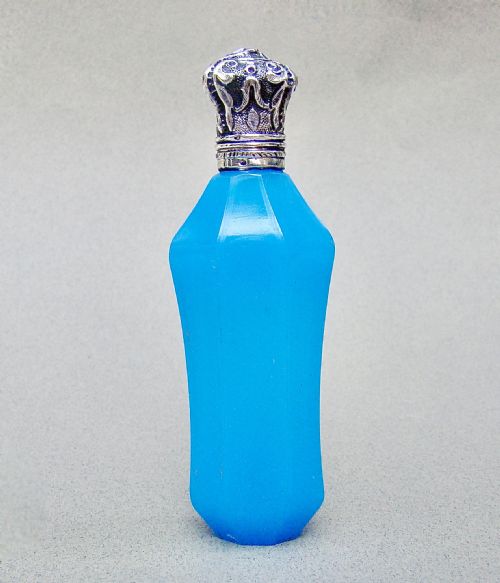
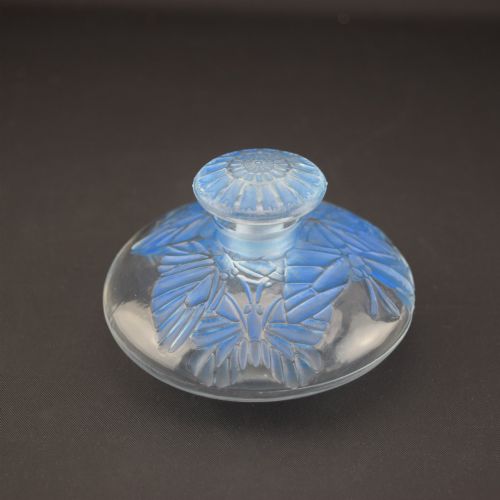
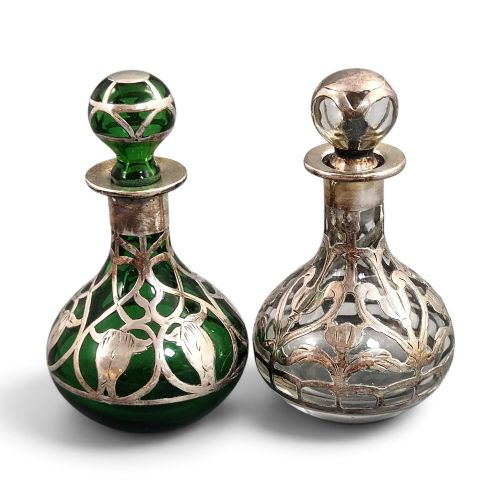
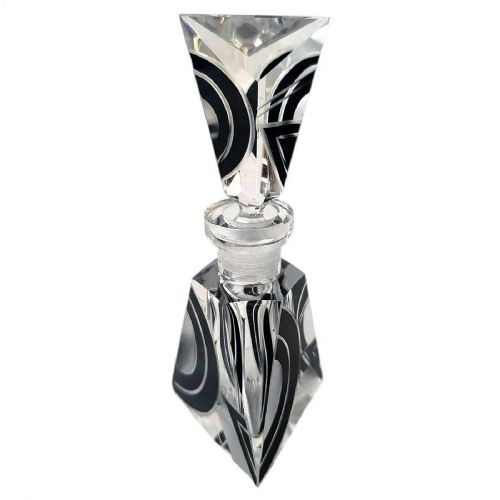
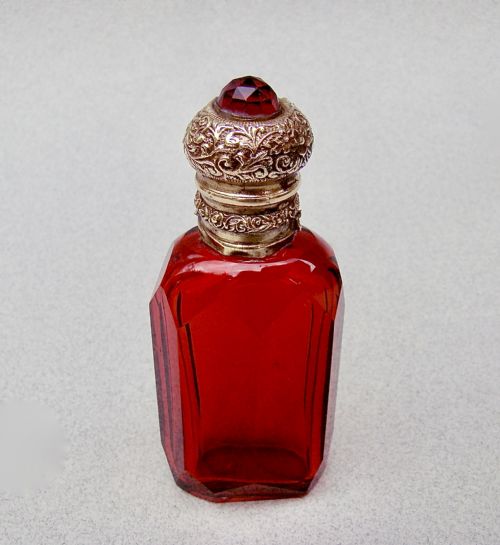
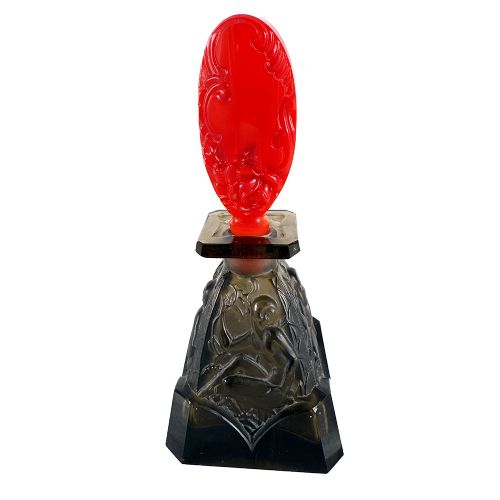
The pieces appearing most frequently on this page originate from nineteenth-century France and Britain, alongside twentieth-century examples from makers in Bohemia and workshops associated with modernist design. Forms range from simple pocket flasks fitted with silver collars to elaborate moulded glass bottles and hand-painted porcelain rose water sprinklers.
Makers and manufacturers utilised various materials to house scents securely, combining glass bodies with hinged caps, stoppers, and outer overlays. These objects served both a practical purpose for daily use and a decorative function within domestic interiors and travel cases.
How they were made
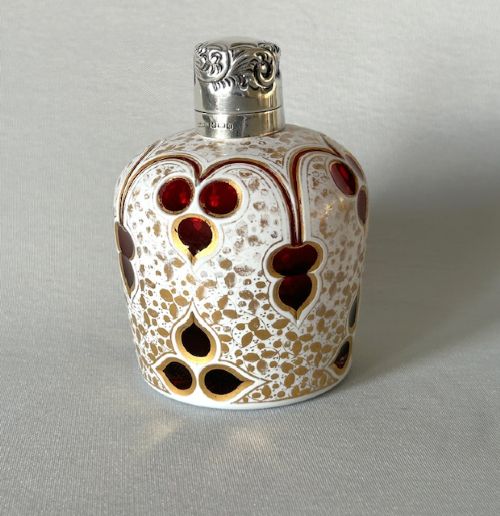
Makers formed the bodies of these vessels using glass-blowing techniques, including mould-blowing, cased glass layering, and crystal cutting to achieve geometric or floral surface patterns. Porcelain examples involved slip casting or hand modelling, often embellished with applied enamel work, hand-painted scenes, or encrusted floral details.
Metal mounts in sterling silver, gold, or ormolu were fabricated to secure the tops, frequently incorporating hinged lids and internal stoppers to prevent evaporation. Decorative finishes such as guilloche enamel, gold leaf, and silver overlays were applied by hand to enhance the visual appeal of the exterior surfaces.
Antique Perfume Flacon Retail Price Guide 2026
Typical asking prices for perfume flacon among the pieces listed under this phrase on Sellingantiques today, from the lower quarter to the upper quarter. They describe what is for sale here now, not the wider market.
Listings feature items spanning the nineteenth and twentieth centuries, encompassing Victorian, Edwardian, and Art Deco design movements.
What varies in quality
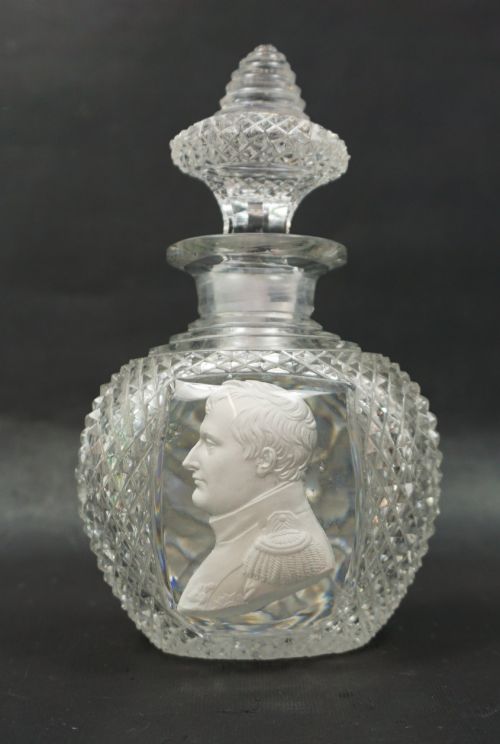
The standard of an antique perfume flacon depends heavily on the precision of the glass cutting, the clarity of the material, and the artistry present in any hand-painted or enamelled decoration. Pieces featuring complex layered glass overlays or detailed sulphide portraits demonstrate higher levels of artisanal skill than standard moulded production wares.
The craftsmanship of the metal mounts also determines overall excellence, with well-fitting silver collars, intact guilloche enamel work, and secure original stoppers elevating the standing of the piece. Maker attribution, such as signed works by known glass houses or silversmith firms, distinguishes finer studio output from general factory manufacturing.
Flight Barr And Barr·Rene Lalique·Karl Palda·Royal Worcester·Jacob Petit·Minton·Mappin And Webb
The Antique Perfume Flacon Glossary
- Flacon
- A small stoppered bottle or flask intended for perfume. These vessels often feature decorative glass or porcelain bodies paired with precious metal mounts.
- Guilloche
- A decorative engraving technique producing precise, intricate geometric patterns upon metal surfaces. This method frequently provides a foundation for translucent coloured enamel finishes.
- Cased glass
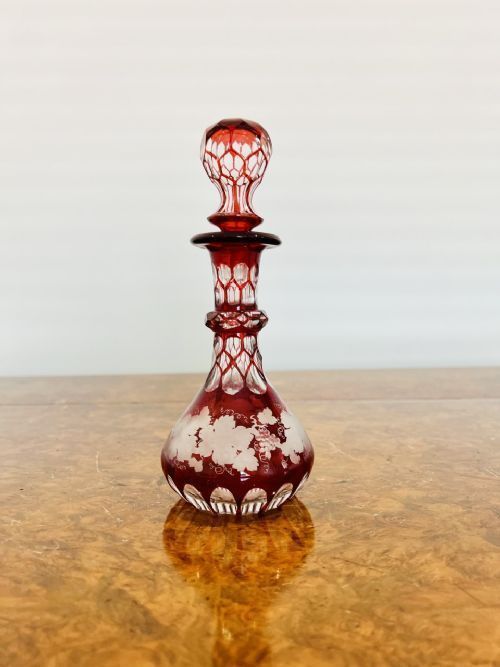
- A method of fusing two or more layers of different coloured glass together while hot. Artisans then cut through the outer layer to expose the contrasting colour beneath.
- Sulphide
- A small white ceramic cameo embedded within clear crystal glass during manufacture. This technique creates a detailed portrait effect resembling carved stone.
- Ormolu
- Finely chopped high-karat gold applied to a bronze base using a mercury amalgamation process. The resulting finish provides a bright golden decorative mount.
Antique Perfume Flacon: Frequently Asked Questions
How were scent bottles used?
These vessels were utilised for holding personal fragrances, colognes, and smelling salts during a period when hygiene and personal scenting were prominent social customs. Smaller versions were fitted into fitted travel cases or carried in pockets and handbags for daily freshness.
Larger decorative examples remained stationary on boudoir dressing tables as part of matching vanity sets alongside brushes and powder boxes.
How do I identify the period?
Dating relies on observing stylistic markers, manufacturing techniques, and hallmarks stamped onto silver or gold mounts. For instance, geometric motifs and moulded glass point towards the twentieth century, while hand-painted porcelain and ormolu mounts typically suggest earlier centuries.
Examining the closure mechanism and the type of glass, such as cased overlay or cut crystal, provides further clues regarding the decade of production.
How do I care for antique glass?
Maintaining these items involves keeping them away from direct sunlight and extreme temperature changes to protect delicate enamel and metalwork. Cleaning should be done gently with a dry or slightly damp cloth, avoiding harsh chemical immersion that might damage historic glass surfaces or adhesives.
Stoppers should be handled with care, as ground glass necks and fitted collars require gentle alignment to prevent chipping or binding.