

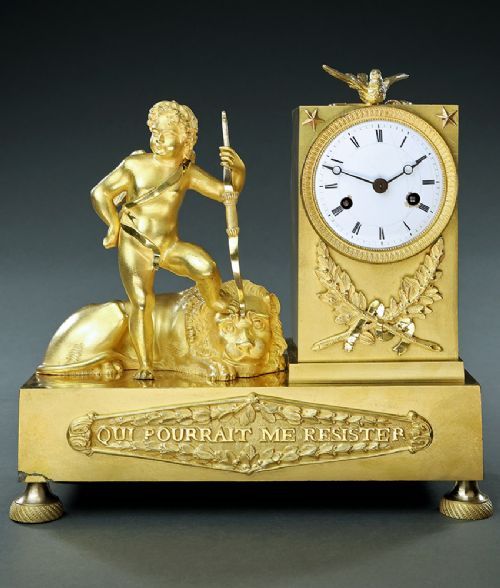
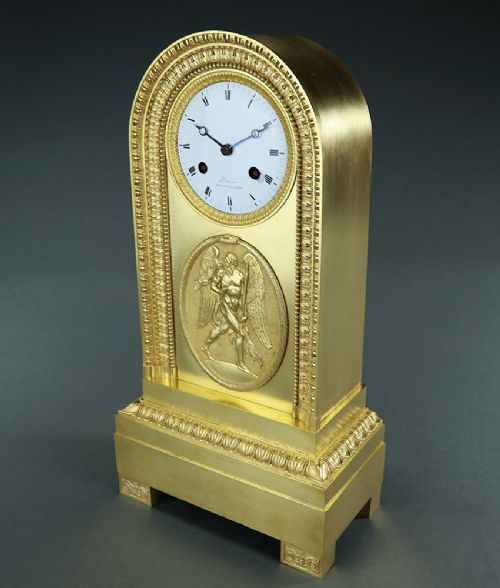


Antique Pendulum Desk Clock
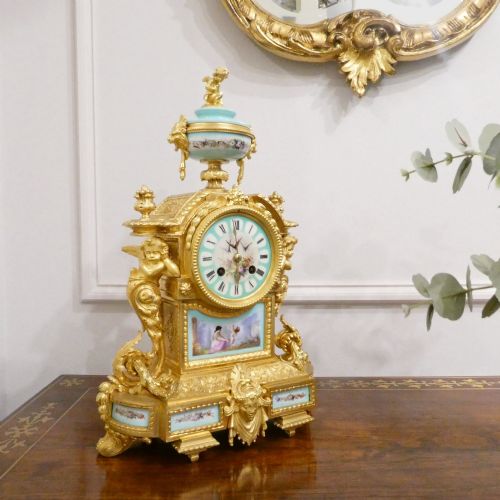
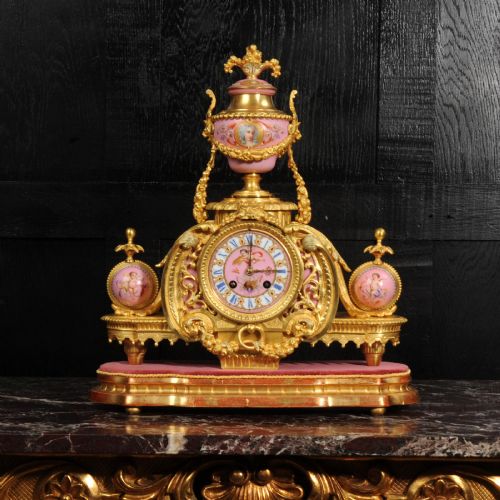
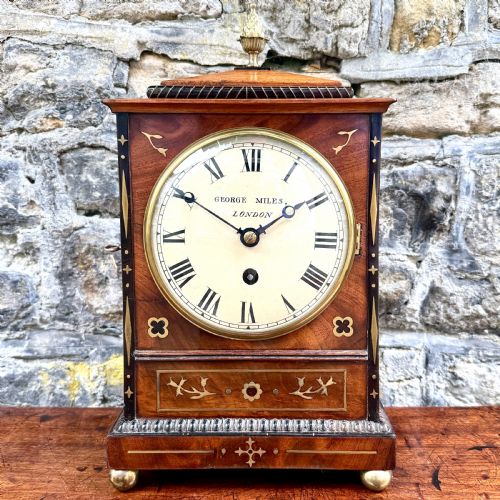
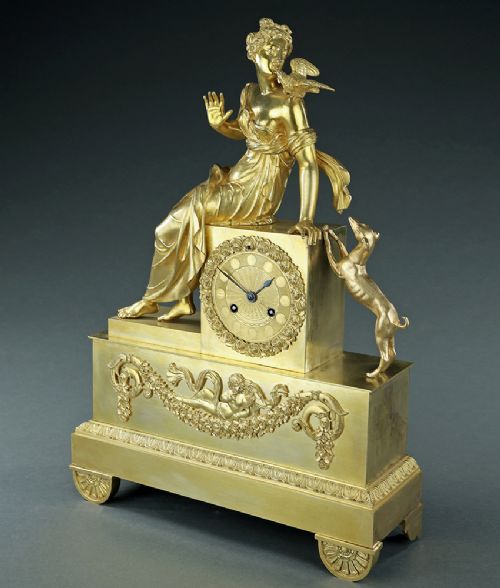
These antique pendulum desk clock pieces combine timekeeping with decorative brass, marble, and wood, offering a functional centrepiece for a desk or shelf.
Antique Pendulum Desk Clock
An antique pendulum desk clock brings mechanical timekeeping together with period cabinetmaking and metalwork. These pieces sit comfortably on a library table, mantel, or desk, serving both utility and decoration.
You will most frequently encounter nineteenth-century French and English examples on this page. Common forms range from mahogany and walnut cases to glass-panelled four-glass models and marble garnitures.
The selection draws on periods spanning the Victorian and Edwardian eras back through the nineteenth century. Styles vary from French Empire and Rococo Revival to simpler Edwardian wood cases.
How they were made
Cases combine timbers such as mahogany, walnut, and oak with cabinet brasses, or rely entirely on cast metals like ormolu, gilt bronze, and brass. Marble and porcelain plates frequently form structural parts or decorative panels.
Clockmakers housed mechanical movements within these housings, pairing brass gear trains with pendulum regulation. Enamel dials, often featuring delicate numerals and fine hands, face behind glass bezels.
Some models feature glass panels on all four sides, letting you watch the pendulum swing from across the room.
What varies in quality
The refinement of the casting and chiselling separates standard metal cases from exceptional ones. Gilt bronze and ormolu demonstrate the carver's skill through crisp relief and deep, even gilding.
Wood cases rely on the grain of the timber and the subtlety of any marquetry or inlay. A well-proportioned case with harmonious dial furniture holds greater appeal than a plain or heavy-handed execution.
Achille Brocot·Maurice and Marcel Moulin Favre-Bulle·Le Roy Paris·Tiffany·Samuel Marti
The Antique Pendulum Desk Clock Glossary
- Ormolu
- Gilded bronze produced by applying a mercury and gold amalgam to cast bronze. This technique creates a durable golden finish seen on nineteenth-century French clock cases.
- Four glass clock
- A mantel or desk clock enclosed by glass panels on all four sides. This design reveals the movement clearly within a brass frame.
- Garniture
- A set consisting of a central clock flanked by matching decorative objects such as urns or vases. These sets were designed to sit together on a mantelpiece.
- Portico clock
- A clock whose movement is suspended within a classical architectural frame resembling a portico. They often feature crystal columns and ornate pendulums.
- Movement
- The internal mechanical assembly of gears, springs, and escapements that drives the clock hands. Quality varies according to the precision of the brass cutting and finishing.
Antique Pendulum Desk Clock: Frequently Asked Questions
How do I wind an antique pendulum desk clock?
Most mechanical desk clocks require a key inserted into the dial holes to tension the mainspring or pull up the weights. Turn the key gently until you feel resistance, taking care not to overwind the mechanism.
Keep the winding key in a safe place away from the clock. Consistent, gentle winding helps maintain the longevity of the brass gear train.
How should I set the time on my clock?
Move the minute hand forward slowly until it reaches the correct time, allowing the strike train to complete its sequence at each hour. Avoid turning the hands backwards unless the manufacturer instructions specifically permit it.
Allow the pendulum to settle into an even beat after adjusting the hands. If the clock runs fast or slow, adjust the small regulating nut on the pendulum rod.
Where should I place a pendulum desk clock?
Position the clock on a stable, level surface such as a heavy desk, sideboard, or mantelpiece. Vibrations from busy floors or heavy doors can disrupt the delicate balance of the pendulum.
Ensure the piece is protected from direct sunlight and sudden temperature changes. Stable indoor conditions prevent the wood casing from warping and protect delicate enamel dials.
How do I identify the period of a clock?
Examine the materials, stylistic motifs, and construction methods used in the case. Nineteenth-century French pieces often feature ormolu and classical revival styling, whereas Edwardian examples favour simpler timber cases.
Signatures or maker marks stamped on the movement backplate can also provide a reliable date or origin. Compare these details with the stylistic traits typical of Victorian or Regency design.