




Antique Pendule De Cheminee
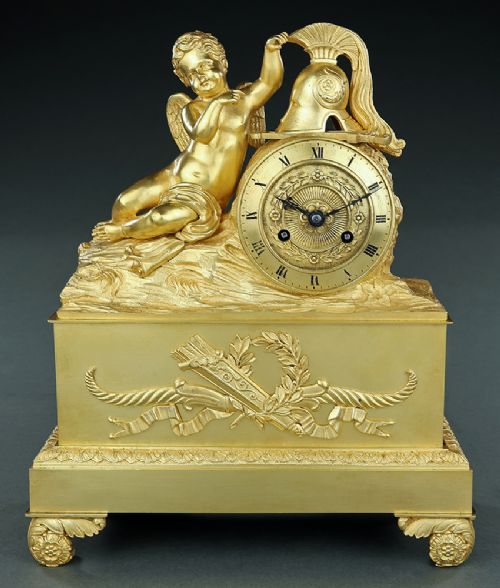
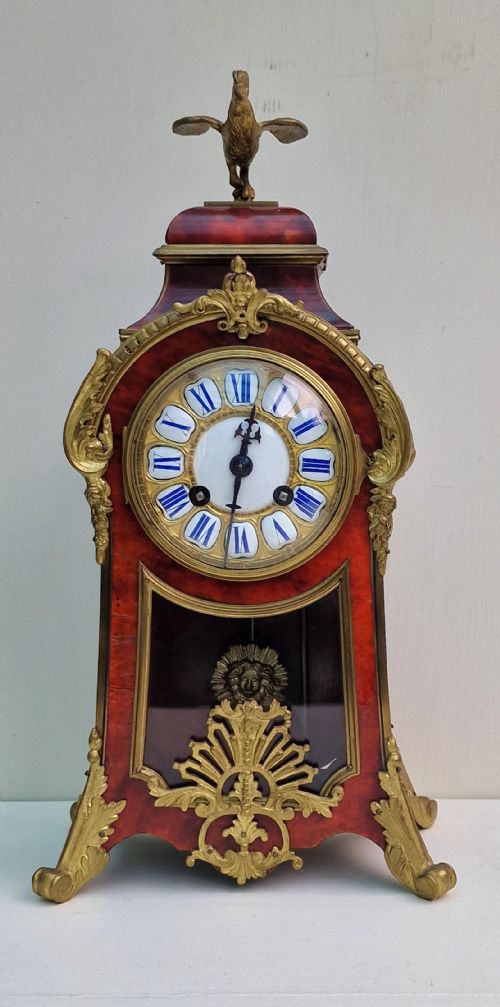
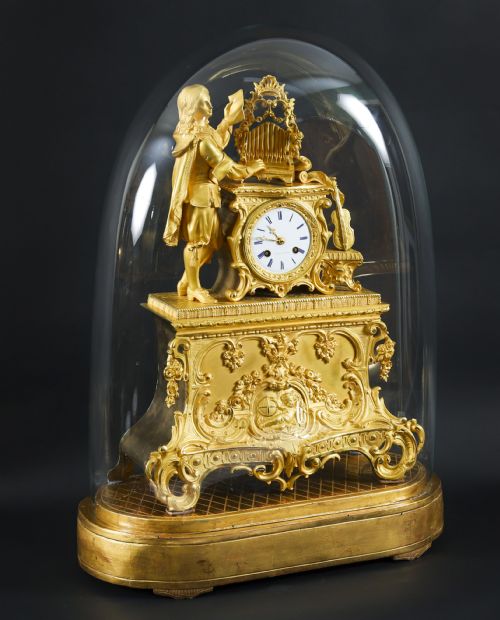
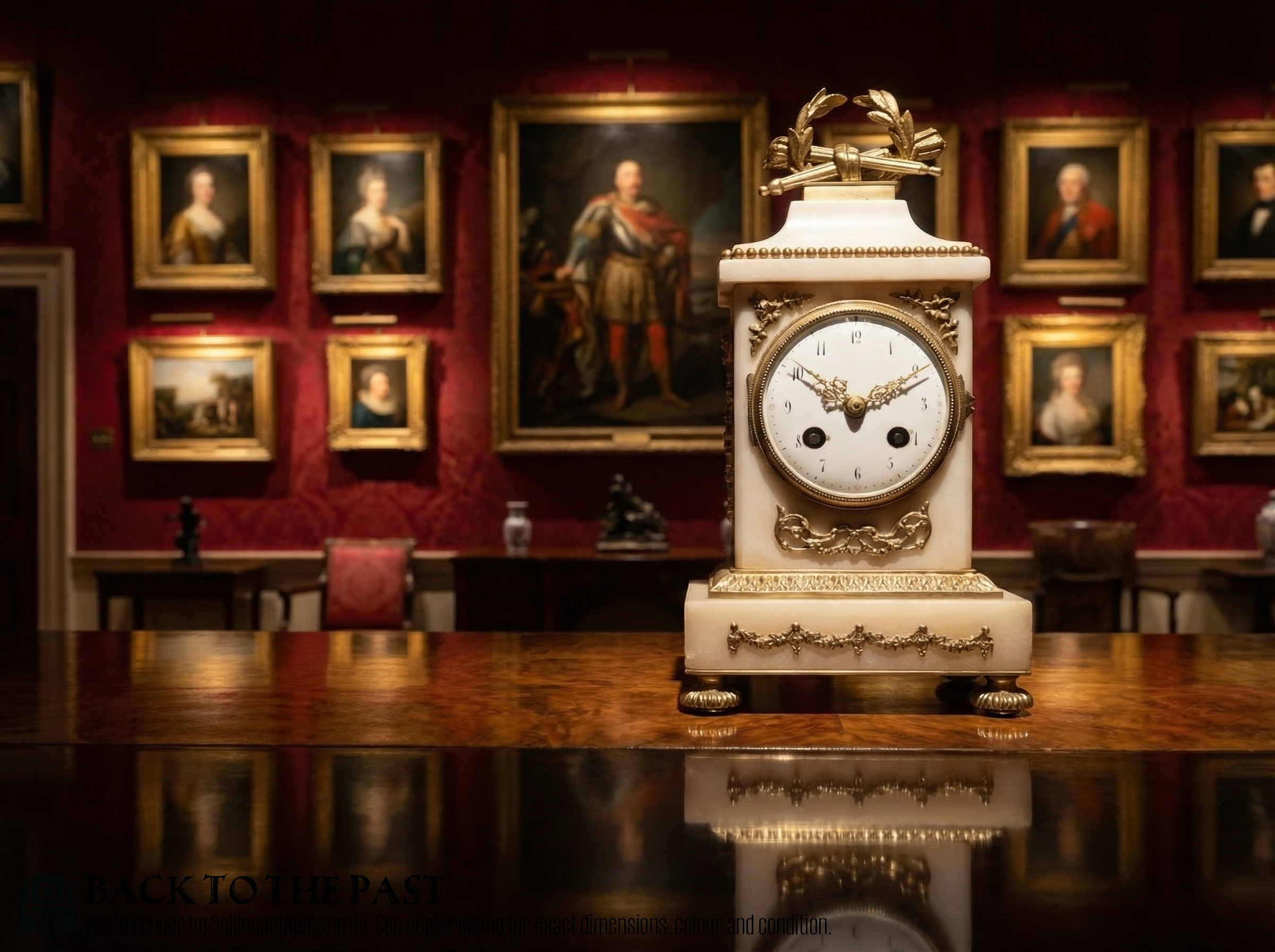
These antique pendule de cheminee mantel clocks bring French decorative artistry and functional timekeeping into a room.
Identifying antique pendule de cheminee
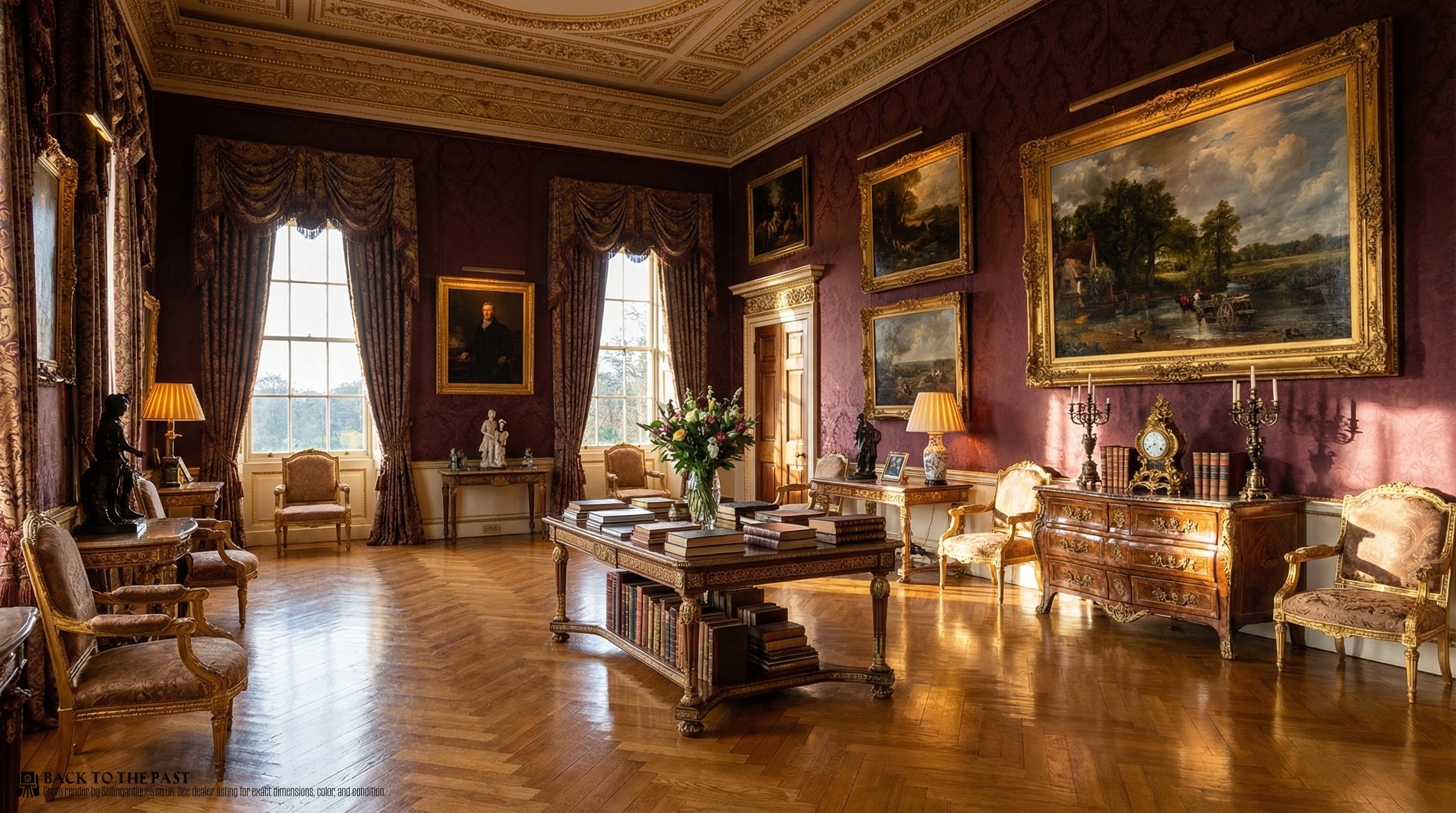
An antique pendule de cheminee is a decorative mantel clock designed to sit on a fireplace mantel or shelf. These pieces originate from French traditions and display varied stylistic influences.
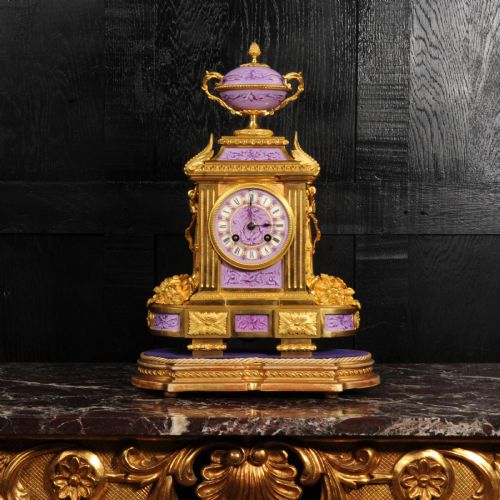
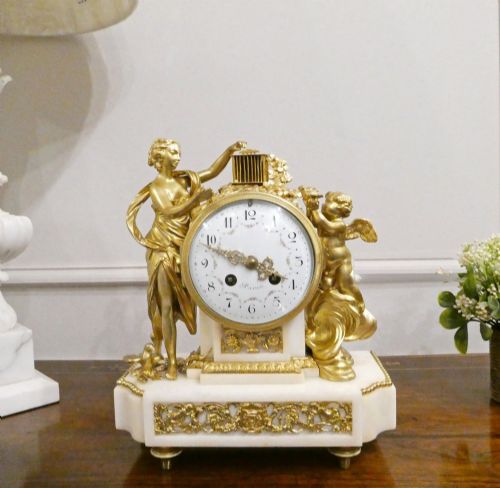
The selections available here span the nineteenth century, including the Victorian era and the year 1880. Forms range from ornate gilded French examples to white marble and gilt designs of small proportions.
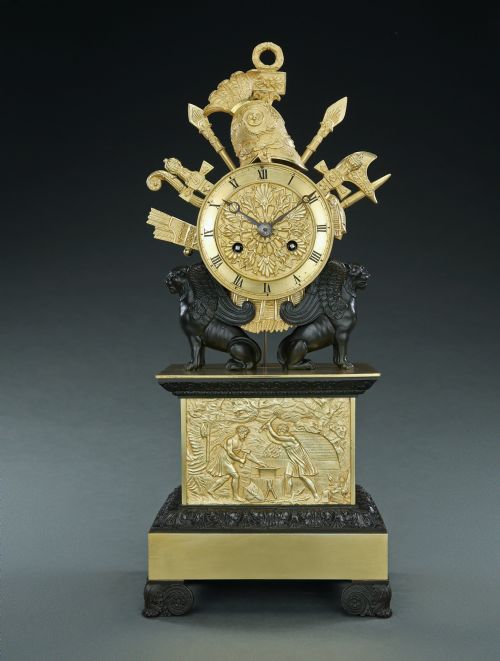
Makers represented in the evidence include Leroy Paris and Dehné of Paris. Common stylistic categories involve French Empire, French Rococo Revival, Louis XVI style, and Louis XVI neoclassical.
Materials and construction
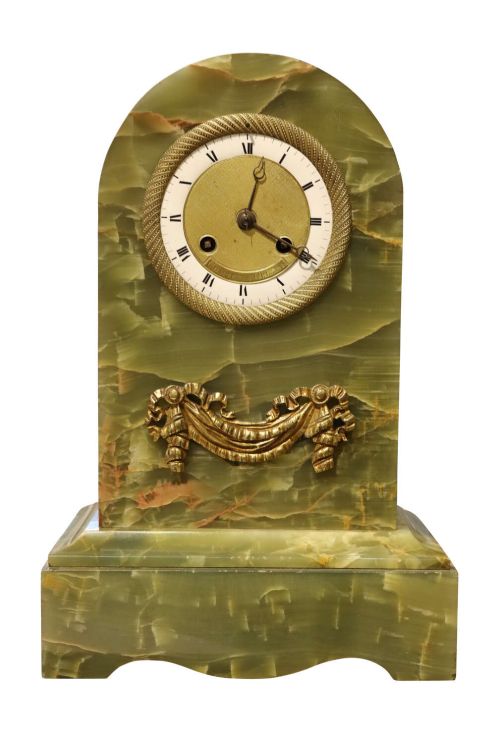
The construction utilises a combination of metals and decorative minerals as recorded in the listings. Materials include gilt bronze, ormolu, gilded bronze, gilt metal, brass, bronze, porcelain, enamel, glass, and white marble.
Metal components undergo gilding and casting processes to achieve ornate surface detail and substantial weight. Porcelain and enamel elements provide contrasting textures and white marble supplies a solid foundation for smaller proportions.
Retail Price Guide 2026
Typical UK retail prices for pendule de cheminee, calculated from the Sellingantiques database of over a million retail prices indexed since 2003. This retail price guide relies exclusively on Sellingantiques data; no external sources or auction records are used, so the figures do not describe the wider market.
Listings exclusively feature nineteenth-century and Victorian pieces, incorporating white marble, ormolu, and porcelain.
Assessing quality
Quality separates simple timepieces from masterworks through the crispness of the cast bronze or ormolu mounts. Finer examples display deeply chased surface ornamentation and harmonious integration of porcelain panels.
Attribution to known makers such as Leroy Paris or Dehné of Paris elevates a piece above anonymous workshop production. The structural balance between marble bases and metalwork also dictates the overall elegance of the clock.
Leroy Paris·Dehné of Paris
The Antique Pendule De Cheminee Glossary
- Ormolu
- Gilded bronze, where a finely ground high-carat gold-mercury amalgam is applied to a bronze base. This technique creates a rich golden finish characteristic of French decorative pieces.
- Mantel clock
- A clock designed to sit on a mantelpiece above a fireplace. These domestic timepieces serve both a practical function and a decorative role in interior design.
- French Empire
- A neoclassical design style spanning the early nineteenth century. It draws inspiration from the archaeology of ancient Greece and Rome.
- Louis XVI style
- An architectural and decorative style characterised by straight lines, symmetry, and classical motifs. It precedes the more extravagant nineteenth-century revivals.
Frequently Asked Questions
What is a pendule de cheminee?
A pendule de cheminee is a French mantel clock intended for placement on a fireplace mantel. These objects combine timekeeping mechanisms with decorative sculpture.
They reflect historical design periods such as the nineteenth century and the Victorian era. The form serves as both a clock and an ornamental centrepiece.
How do I identify the style?
Stylistic identification relies on ornamental details and architectural motifs. Pieces draw from French Empire, Louis XVI, and Rococo Revival traditions.
Examining the bronze mounts, marble shapes, and porcelain elements helps determine the specific design influence.
What materials are used?
Makers utilised a variety of materials including ormolu, gilt bronze, brass, and bronze. White marble frequently provides the structural base for smaller proportions.
Enamel dials and porcelain plaques add contrasting colour and texture to the metallic framework.
Who made these clocks?
Production occurred in French workshops and studios during the nineteenth century. Specific pieces bear the signatures of makers such as Leroy Paris and Dehné of Paris.
Many examples remain attributed to general periods rather than individual craftsmen.