
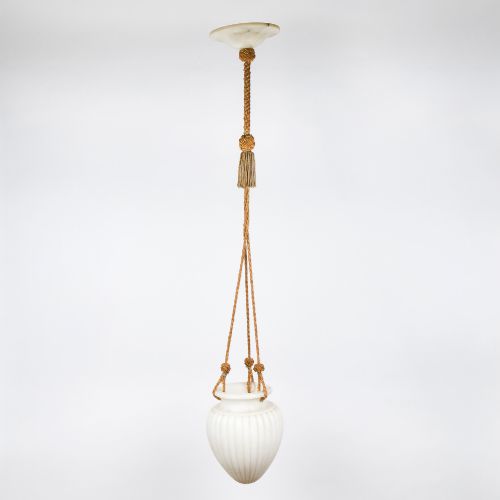
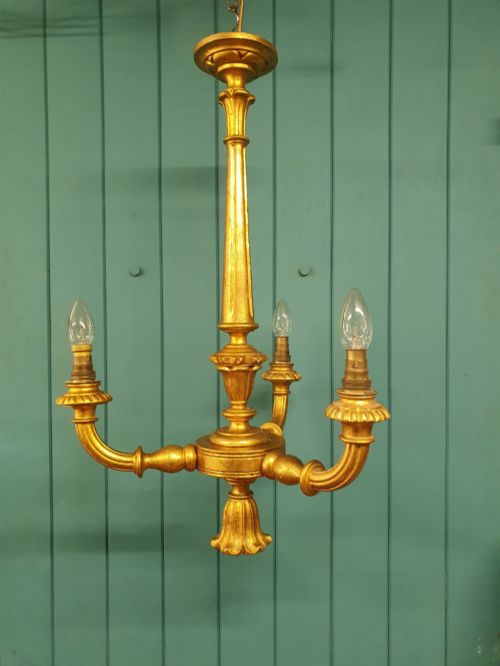

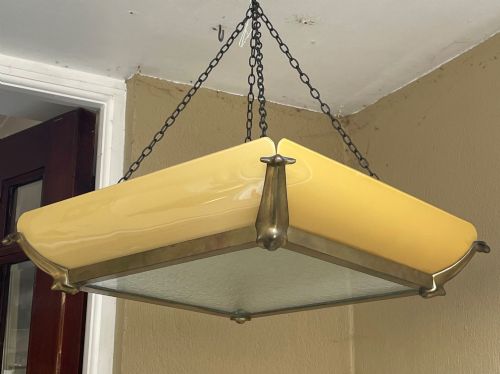
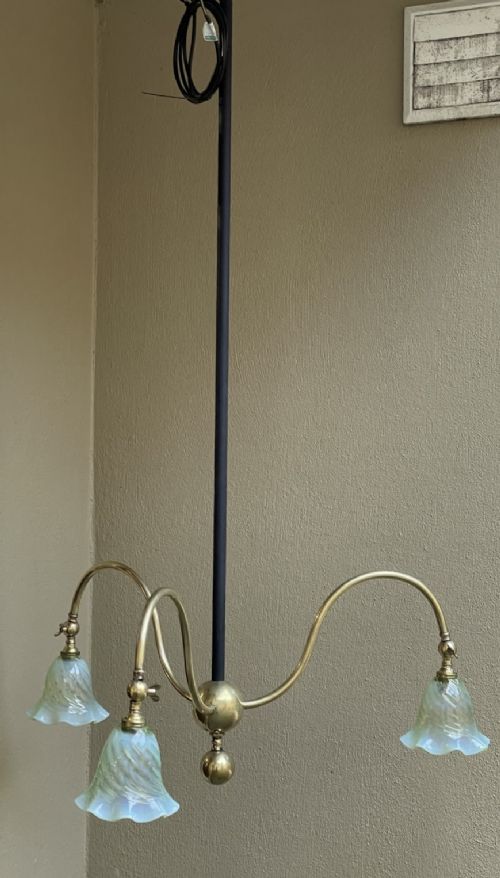
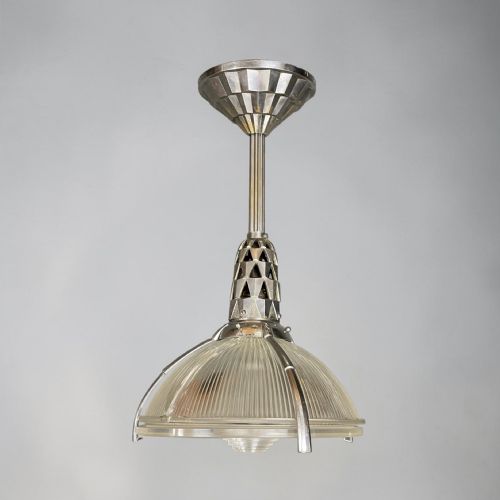
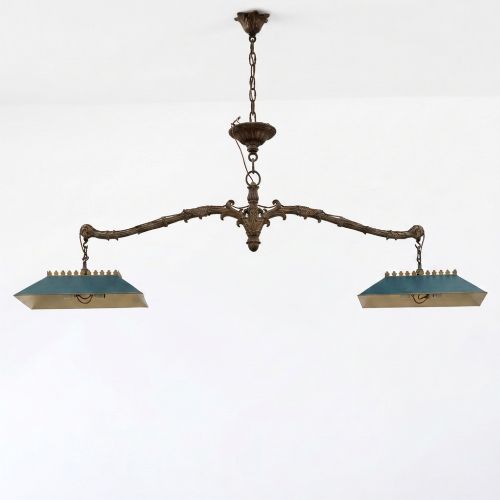
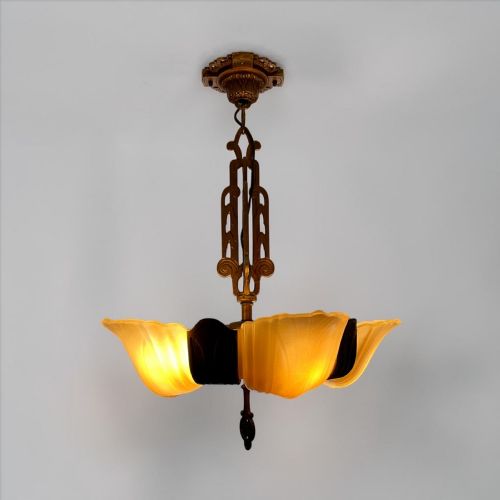
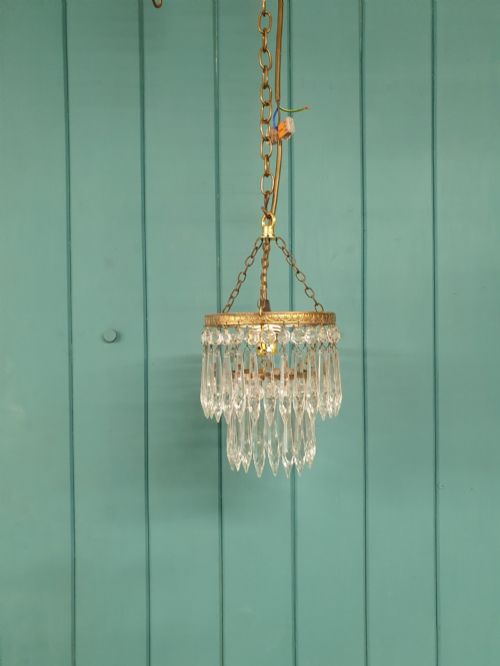
Antique Pendant Light Shade
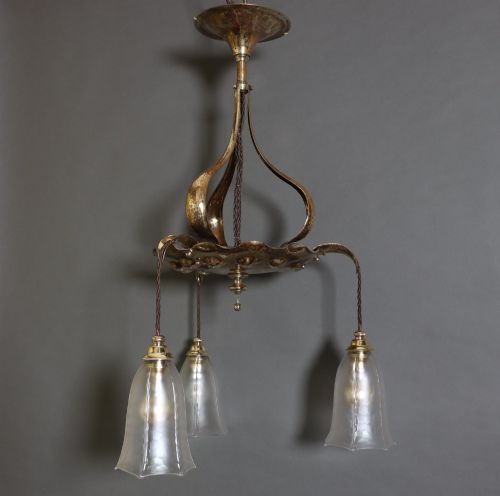
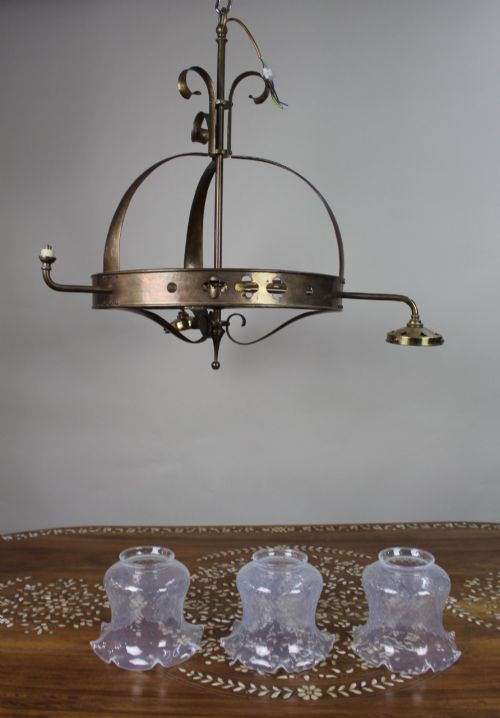
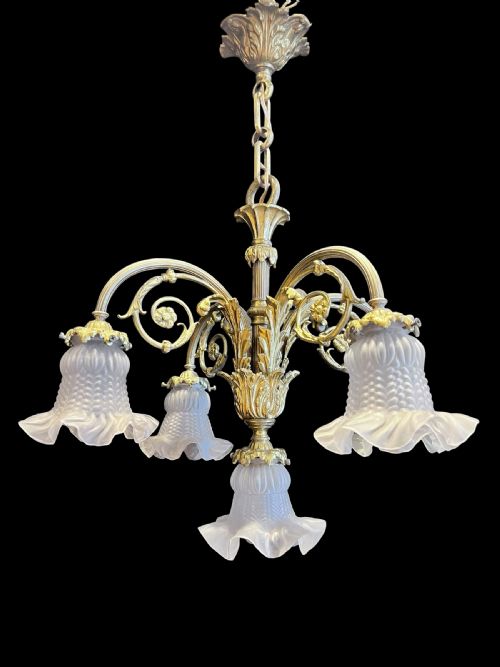
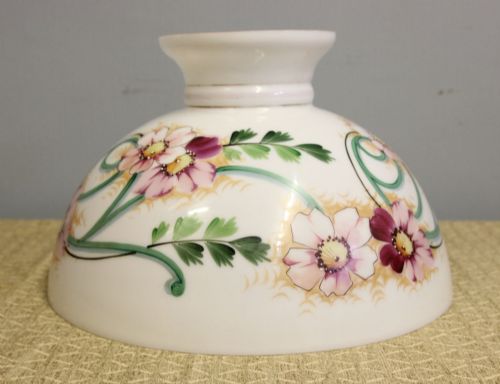
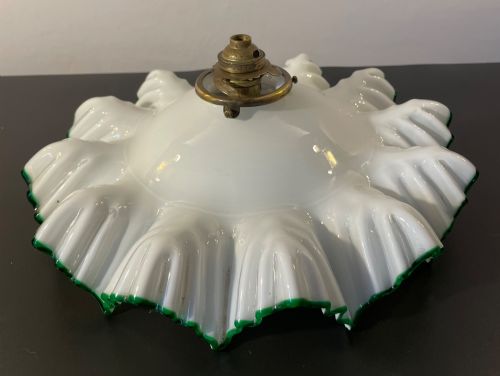
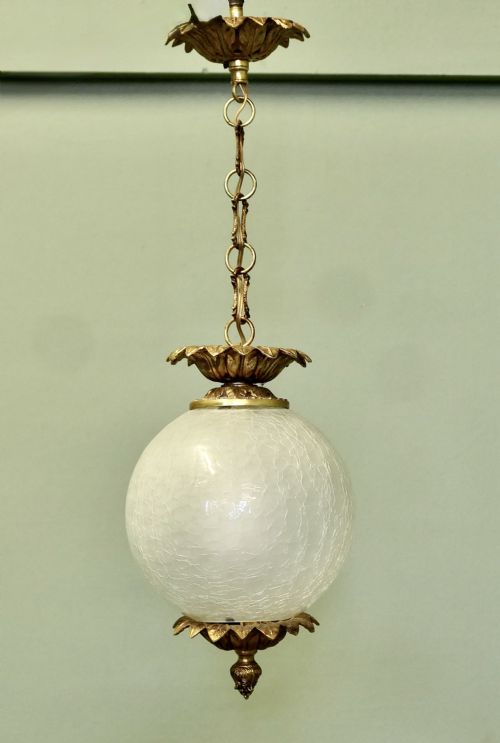
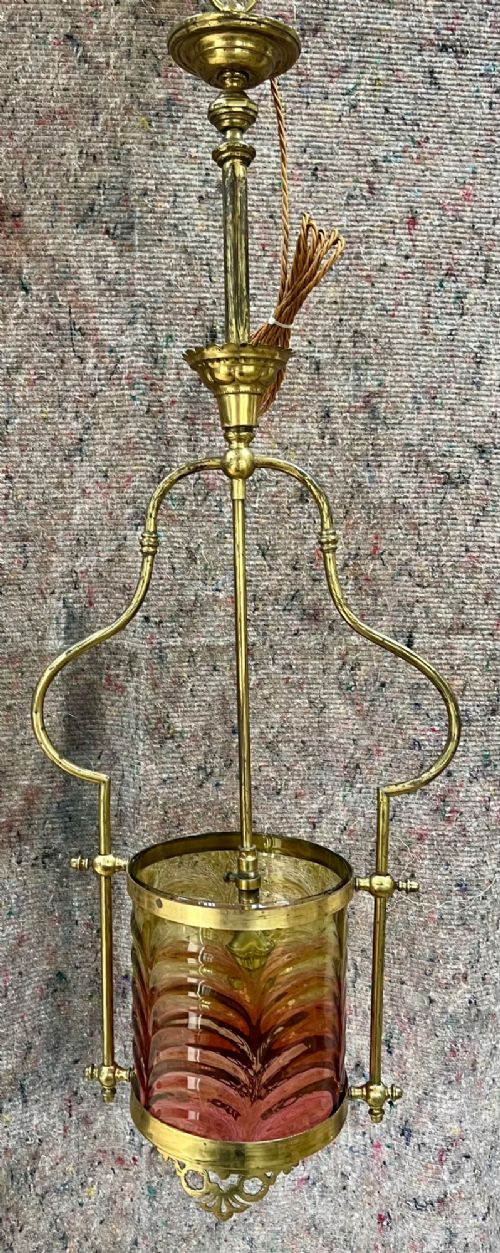
An antique pendant light shade illuminates a room with period character, offering genuine historic glass and metalwork designed to hang from above.
Antique Pendant Light Shade
An antique pendant light shade covers the bulb of a suspended ceiling fixture, directing or diffusing the illumination downwards. When searching for this phrase, buyers encounter hanging fittings from the Victorian, Edwardian, and Art Deco eras, alongside industrial and Arts and Crafts examples.
The selections range from simple glass domes and frilled lampshades to substantial brass chandeliers and leaded glass lanterns. Formats vary from single drop pendants to multi-armed ceiling lights utilised in domestic and public spaces.
Origins span British, French, and American workshops, incorporating styles such as Classical Revival, Gothic Revival, and early twentieth-century modernism. Buyers frequently meet glass globes, opaline shades, and prismatic designs intended for suspension.
How they were made
Glass production relied on moulding, pressing, and cutting techniques to create opaline, frosted, cut glass, and moonstone components. Metal elements utilised cast or spun brass, copper, and giltwood to build secure frames and galleries.
Artisans combined metalwork and glassblowing, securing shades with brass screws or galleries designed to support the weight of the hanging fixture. Soldered lead came held together stained and leaded glass lanterns intended for porch or interior use.
Listings feature brass, copper, and iron holding glass in frosted, opaline, crystal, and smoked finishes across Victorian, Edwardian, and Art Deco periods.
What varies in quality
The distinction between tiers rests upon the depth of hand-cutting in crystal, the thickness and clarity of moulded glass, and the heaviness of the brass or copper mounts. Superior examples exhibit crisper casting details on metal galleries and finer hand-painting on decorated glass shades.
Originality defines the upper range, particularly where signed glass, matching sets of industrial shades, or intact period brass mechanisms survive unaltered. The presence of specialised prismatic glass or documented provenance elevates specific pieces above standard domestic utility items.
Émile-Jacques Ruhlmann·Jefferson
The Antique Pendant Light Shade Glossary
- Opaline glass
- A milky, semi-translucent glass that diffuses light softly without glare. It gained wide popularity during the Victorian and Edwardian periods for domestic lighting.
- Holophane
- A brand of scientific glass shade characterised by external prisms designed to direct and distribute light evenly. These pieces are collected for their industrial efficiency and optical precision.
- Plafonnier
- A ceiling-mounted or close-hanging glass bowl fixture that sits near the ceiling rather than hanging on a long cord. French makers produced these extensively during the early twentieth century.
- Slip shade
- A type of shade where individual moulded glass panels slip into a metal frame or basket. They appear frequently in American Art Deco lighting designs.
- Rise and fall
- A mechanical pulley system using weights or springs that allows the pendant height to be adjusted manually. This arrangement was common over dining tables and billiard rooms.
Antique Pendant Light Shade: Frequently Asked Questions
How do I hang a heavy antique pendant shade safely?
Heavy chandeliers and glass lanterns require a structural ceiling joist and a metal hook capable of supporting the combined weight of the metal and glass. Independent ceiling anchors ensure the electrical cord bears no tension.
Professional installation by a qualified electrician guarantees that older brass wiring systems or conversions meet current safety standards while protecting the original structure.
Can I clean opaline and cut glass shades safely?
Wash glass shades in lukewarm water with mild soap, removing them from the metal fittings to prevent moisture damage to aged brass or copper. Avoid harsh abrasives that scratch historical glass surfaces.
Dry the glass completely with a soft cloth before reattaching it to the brass gallery. Metal parts require dry dusting or specialised metal cleaner used sparingly.
How do I distinguish Edwardian lighting from Victorian pieces?
Victorian pendant shades often display heavier brass castings, opalescent glass, and ornate Gothic or botanical motifs. Gasoliers converted to electricity frequently date from this earlier phase.
Edwardian lighting tends toward lighter brass frames, crystal spikes, cut glass domes, and refined neoclassical influences. The overall visual weight is generally less imposing than mid-Victorian designs.
What is a slip shade light used for?
Slip shade ceiling lights provided direct and ambient illumination in domestic and commercial interiors during the Art Deco period. The thick pressed glass panels created a warm, diffused glow.
Dining rooms, halls, and principal reception rooms typically accommodated these fixtures as central statement pieces. Their geometric forms suited the modern architecture of the 1930s.