

Antique Pendant Light Fitting
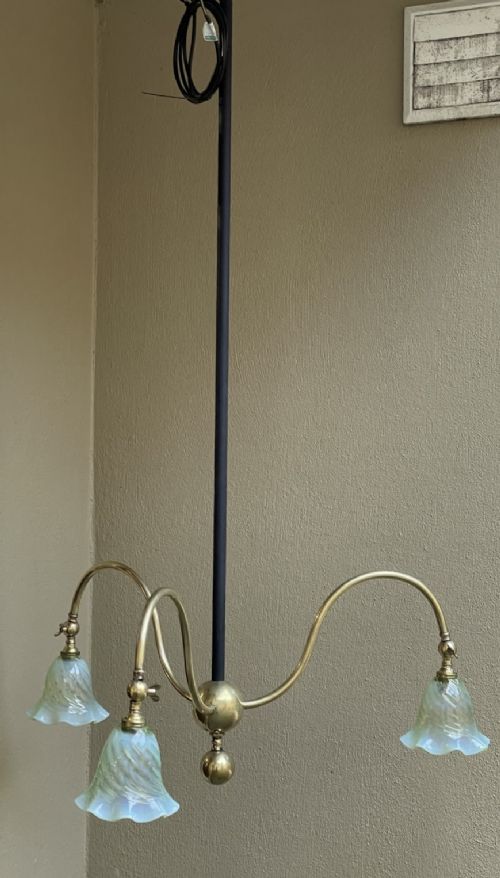
These antique pendant light fitting options bring historic illumination to a room, spanning Edwardian designs and ornate French styles.
Antique Pendant Light Fitting
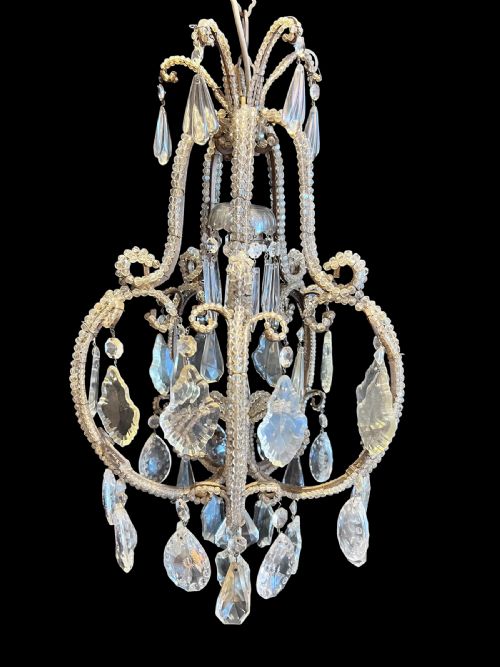
An antique pendant light fitting encompasses ceiling lights, chandeliers, and hall lanterns sourced from the nineteenth and twentieth centuries. Buyers searching this phrase encounter brass, bronze, and glass fixtures designed to hang centrally from a room.
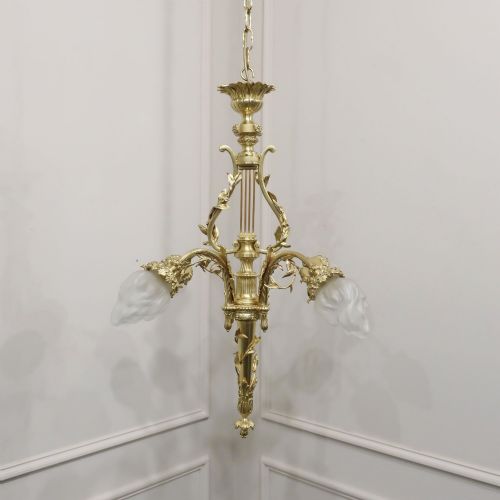
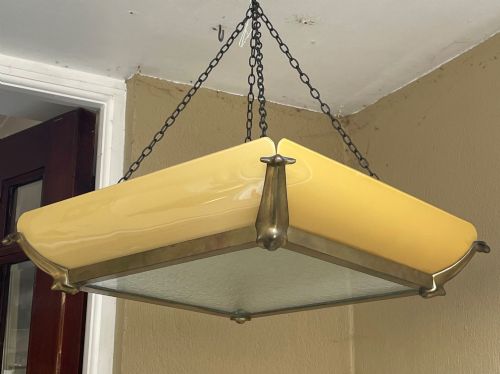
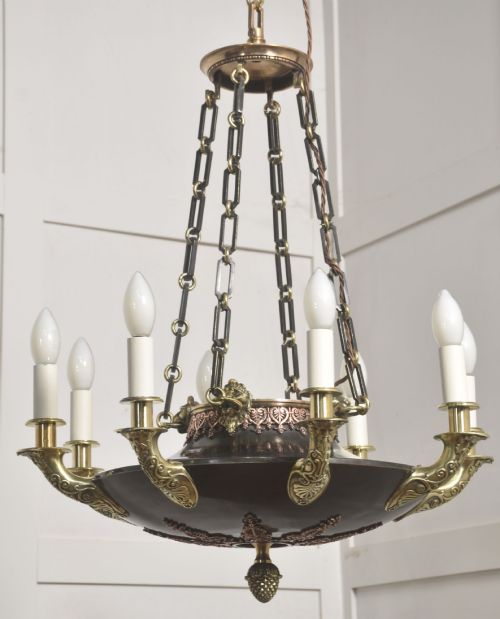
The selection ranges from early twentieth-century industrial designs to elaborate French empire and rococo styles. Many examples originate from the 1920s and 1930s, alongside Edwardian and nineteenth-century pieces.
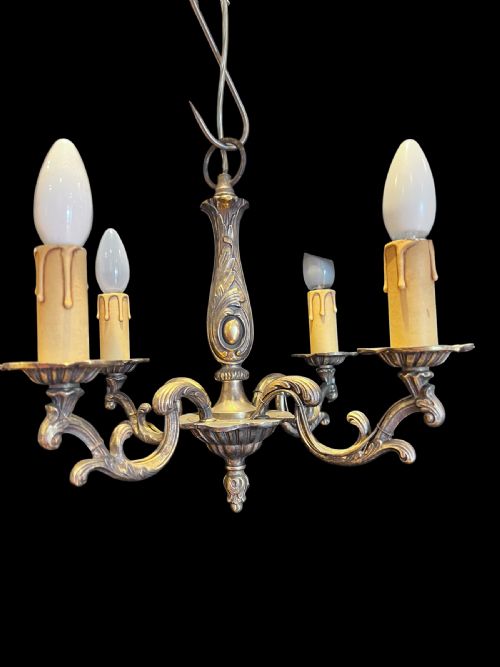
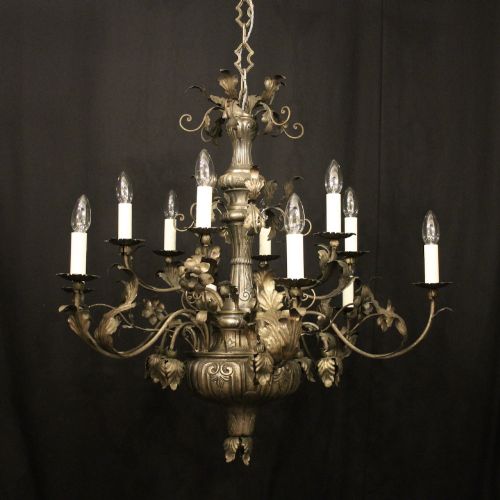
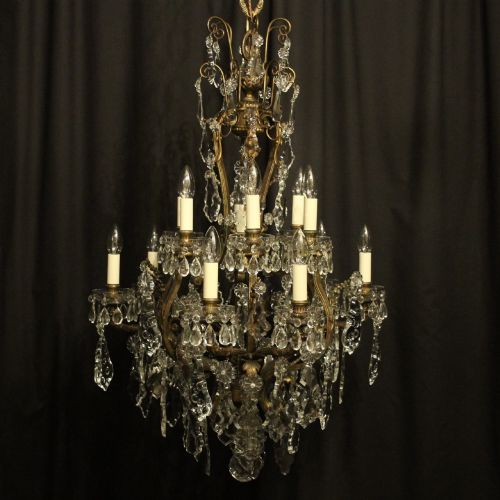
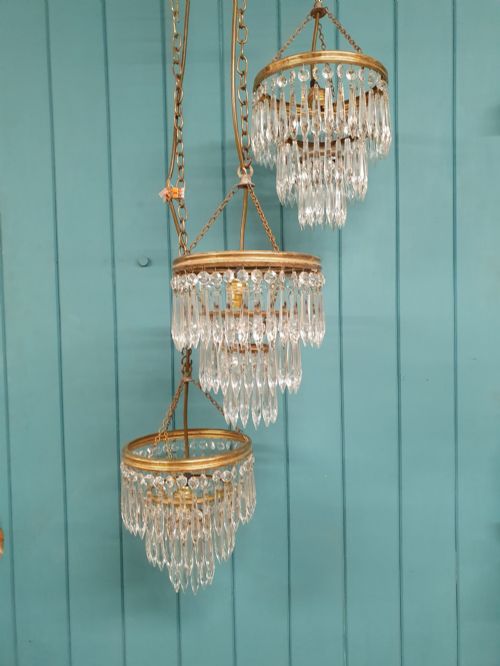
Common forms include multi-light chandeliers, tent and waterfall crystal configurations, and single-bulb pendant fixtures. Italian, English, and French workshops dominate the origins of these hanging lights.
How they were made
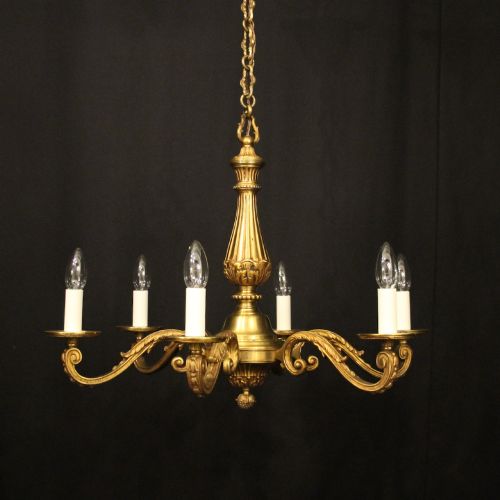
Metalwork forms the structural backbone of these fixtures, utilising cast brass, gilt bronze, copper, and spelter. Artisans shaped these metals into arms, frames, and decorative mounts often finished with gilding.
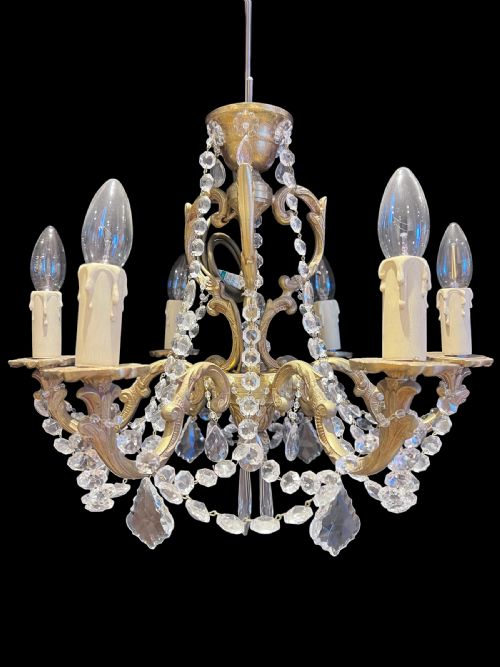
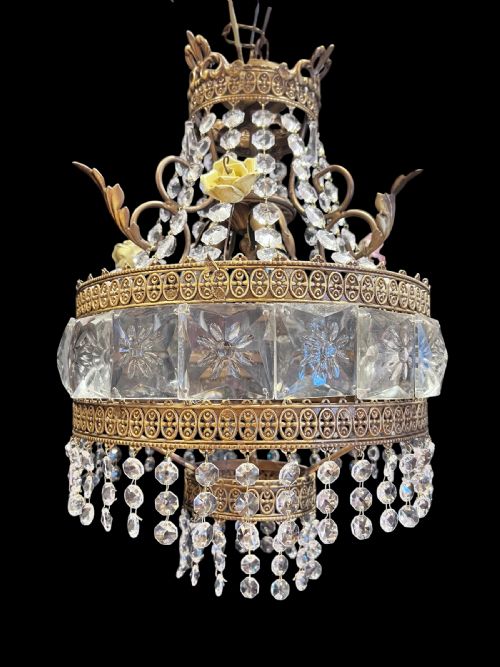
Glass and crystal components are integrated extensively through cutting, moulding, and beading techniques. Prisms, drops, and spikes refract the light, while ceramic elements and porcelain flowers occasionally provide coloured detail.
Listings feature periods spanning from the 19th Century through the Edwardian era to the 1940s.
What varies in quality
The depth of detail in the metal casting and the clarity of the cut glass separate standard examples from superior pieces. Hand-gilding, intricate bronze work, and substantial crystal weight indicate high-grade production.
Design complexity also defines the range, moving from simple brass frames to elaborate multi-tiered tent and waterfall configurations with extensive crystal drops.
The Antique Pendant Light Fitting Glossary
- Pendant light
- A hanging light fixture suspended from the ceiling by a chain, cord, or metal rod. These fixtures serve as primary illumination sources in domestic and public spaces.
- Tent and waterfall
- A chandelier configuration where strings of crystal beads form an upper triangular tent shape, flowing down into a cascading waterfall of further crystals.
- Spelter
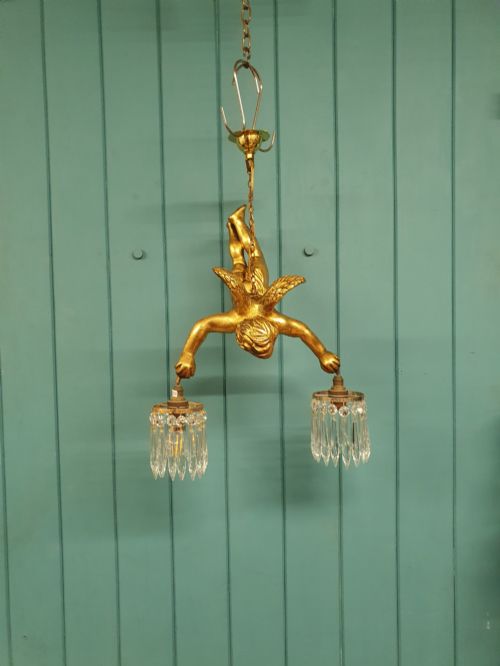
- A zinc alloy frequently used as a substitute for bronze or brass in decorative figures and mounts, often given a metallic finish.
- Plafoniere
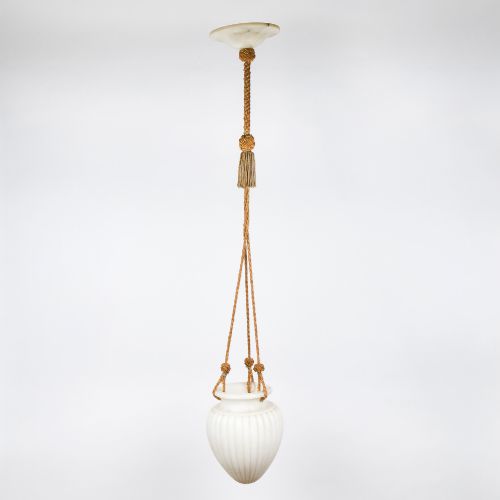
- A ceiling-mounted bowl light or shallow dome fixture, typically made of glass held within a metal frame or mount.
- Toleware
- Enamelled and painted sheet metal items, sometimes incorporated into floral or decorative chandelier elements.
Antique Pendant Light Fitting: Frequently Asked Questions
How do I choose the right size hanging light?
Consider the scale of the room and the height of the ceiling. Large multi-light chandeliers suit expansive spaces, while compact lanterns fit smaller hallways.
Ensure adequate clearance beneath the fixture for foot traffic.
What periods do these pendant lights cover?
The lighting options span the nineteenth century through the Edwardian era and into the 1920s, 1930s, and 1940s. Styles range from industrial metalwork to ornate French revival designs.
Each period utilises distinct materials and decorative motifs.
How are antique ceiling lights wired for modern use?
Most antique fixtures require professional rewiring to meet current electrical standards. Electricians can adapt internal components while preserving the historic exterior metalwork.
Ensure your installer checks the load-bearing capacity of the ceiling.
Can I hang a chandelier in a low room?
Pendant fixtures with shorter drops, such as ceiling lanterns or close-fitting plafonieres, suit rooms with restricted height. Adjusting the suspension chain length also helps achieve proper placement.
Positioning the light over a table prevents clearance issues.