

Antique Pediment
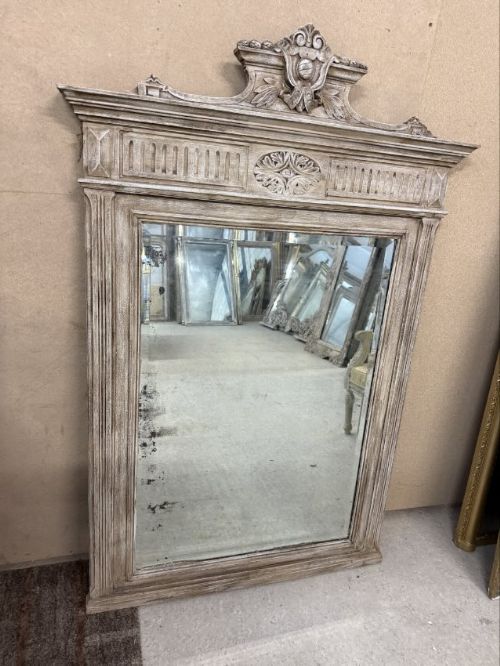
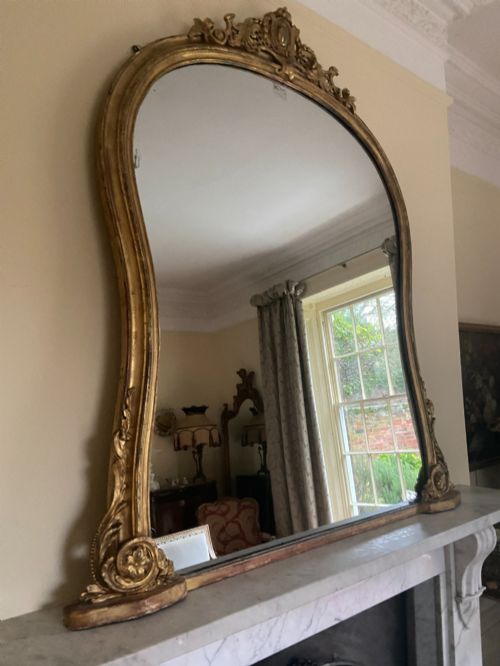
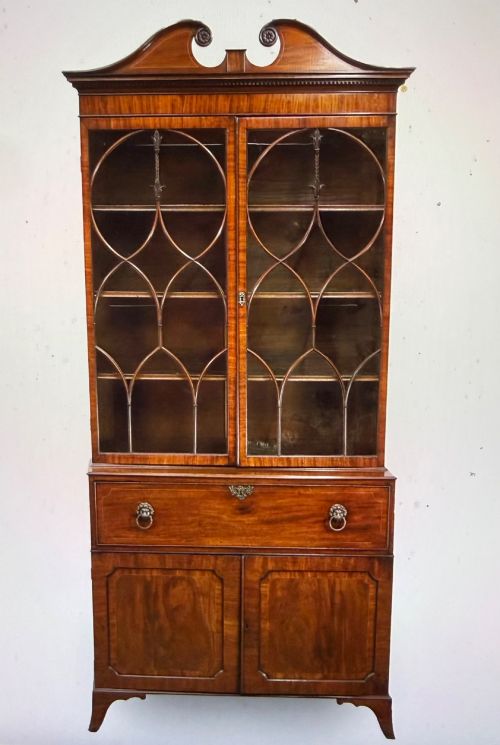
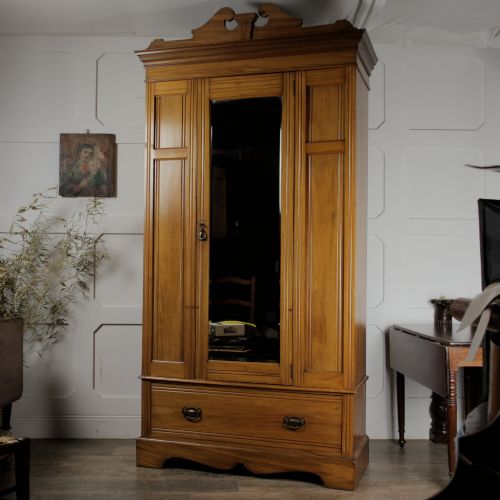
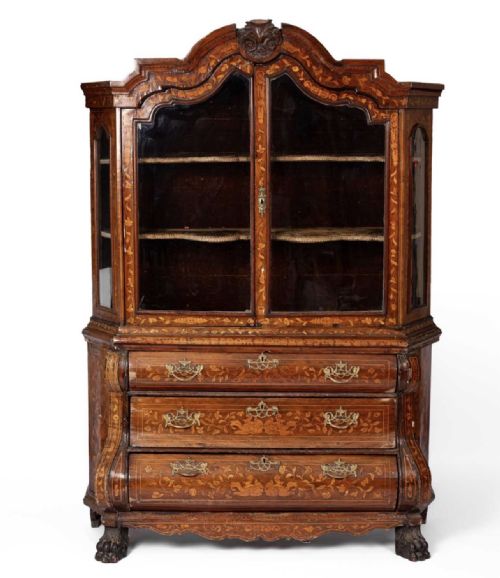
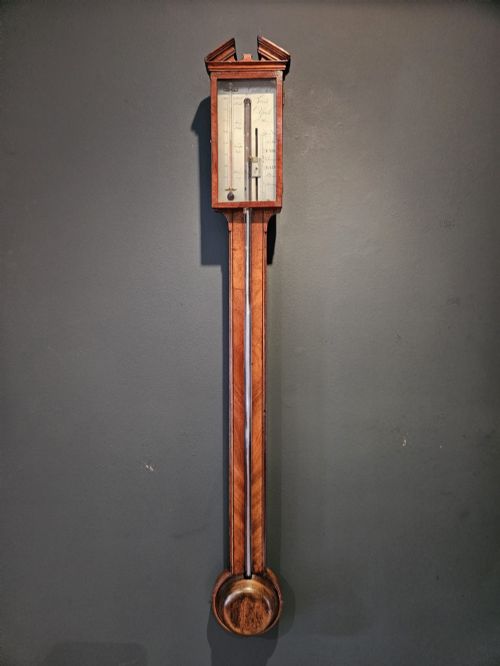
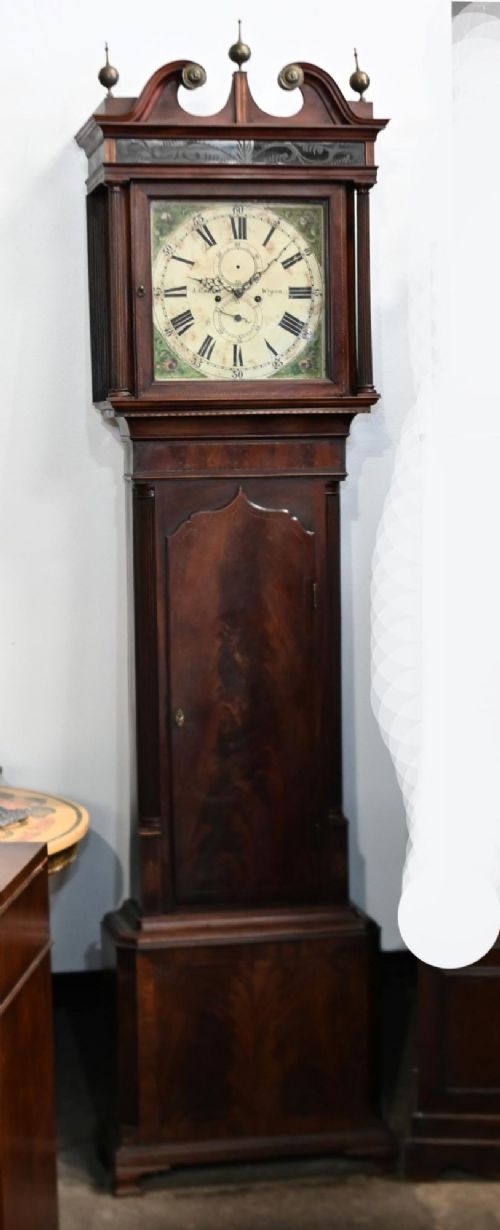
An antique pediment crowns a bookcase, mirror, or longcase clock, lending architectural gravity to tall timber furniture.
Antique Pediment
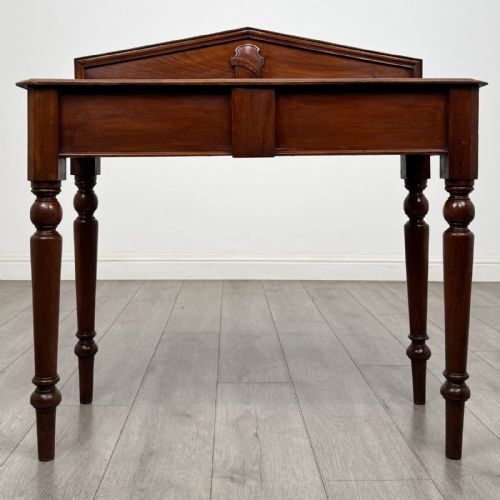
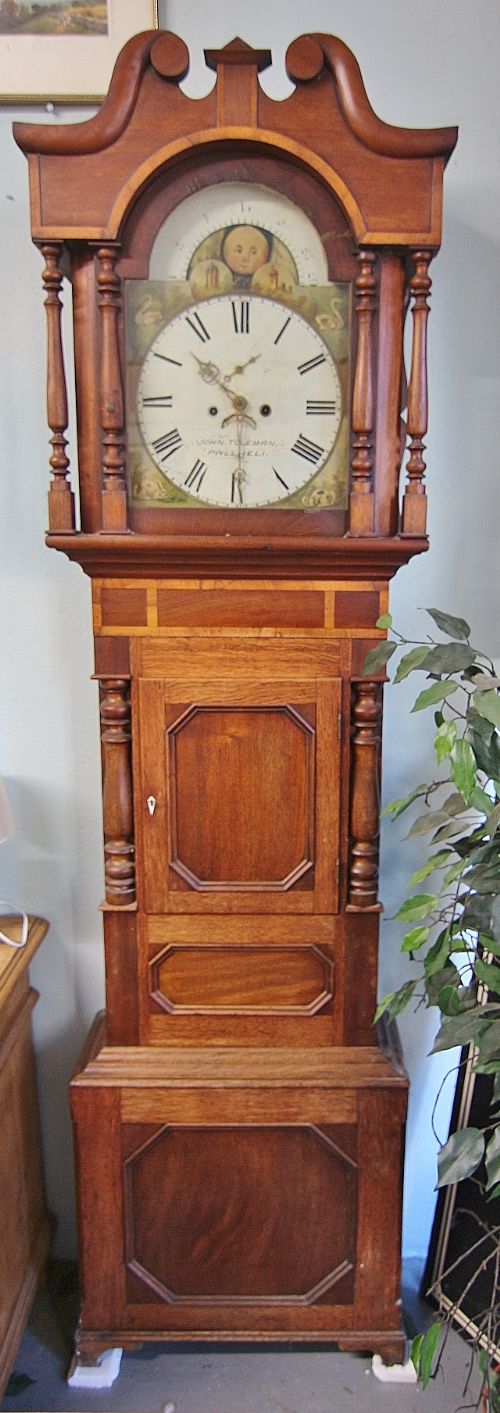
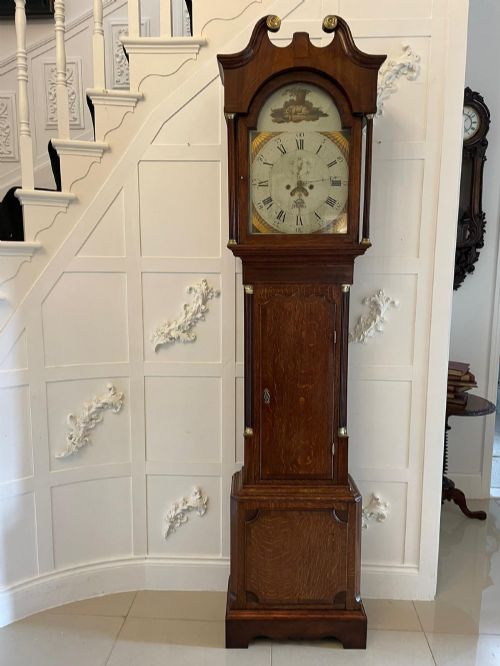
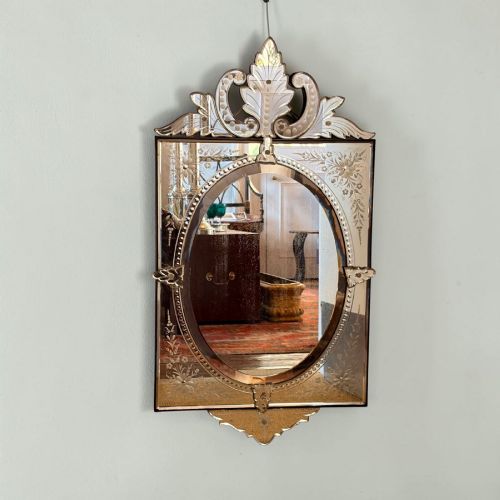
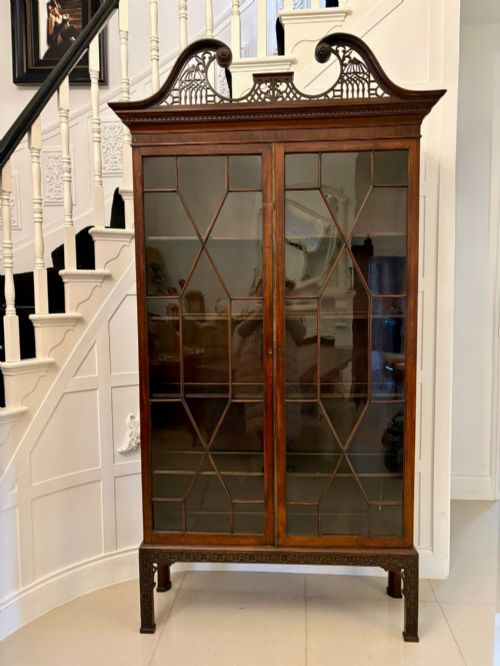
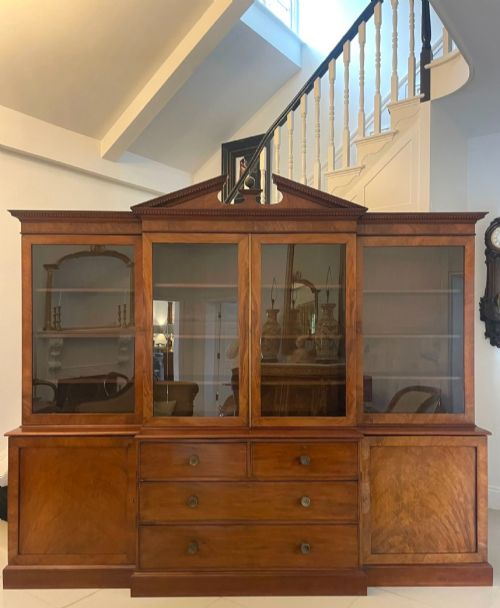
When you search for an antique pediment, you encounter architectural crowns integrated into bookcases, wall mirrors, and longcase clocks. These architectural toppings originate predominantly from the eighteenth and nineteenth centuries, spanning Georgian, Victorian, and Edwardian periods.
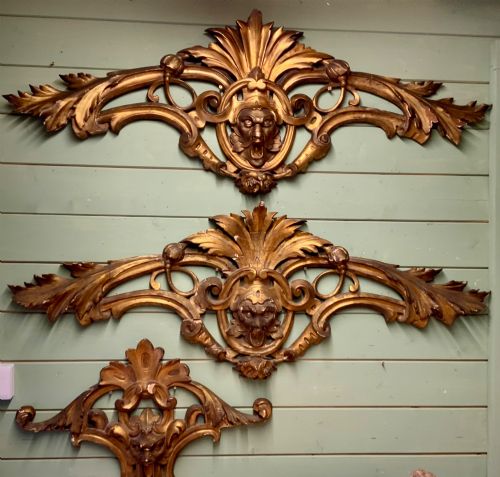
The regional variety on this page stretches from Welsh and English provincial longcase clocks to French wall carvings and Venetian glass mirrors. Each piece demonstrates how cabinet makers applied architectural theory to domestic furniture.
Materials and construction methods
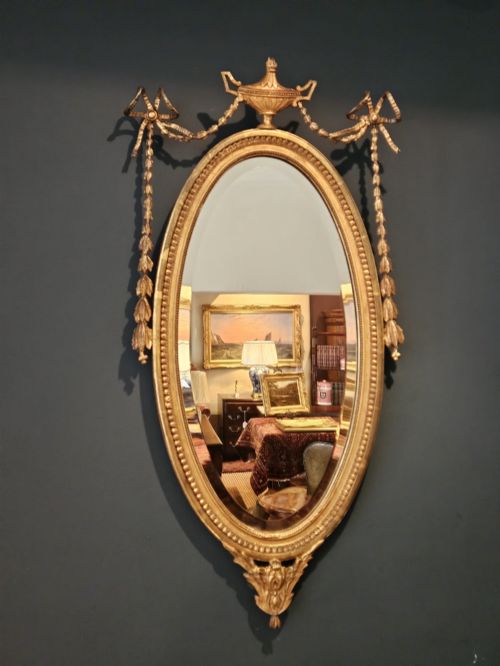
Makers shaped these architectural crowns from dense timbers such as mahogany, oak, and walnut, often applying veneers of satinwood or adding giltwood and gesso enrichment. Craftsmen carved floral motifs, cherubs, and urns directly into the wood or built up relief decoration using gesso.
Structural integrity relied on solid timber framing and precise joinery to support the weight of the projecting cornice above tall doors and mirror plates. Glass components, including astral glazing bars, were carefully fitted into the upper sections to complement the pediment design.
Antique Pediment Retail Price Guide 2026
Typical asking prices for pediment among the pieces listed under this phrase on Sellingantiques today, from the lower quarter to the upper quarter. They describe what is for sale here now, not the wider market.
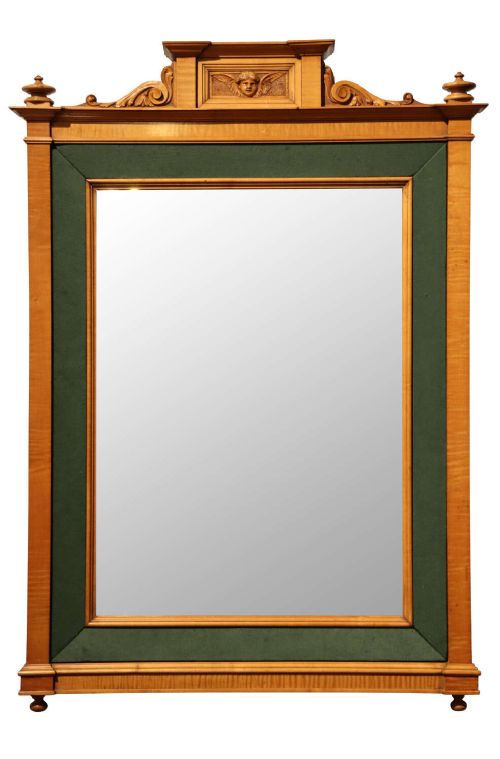
Several mirrors and bookcases on this page keep watch over rooms by mounting carved wooden cherubs right at the very top.
Distinctions in craftsmanship
The distinction between ordinary and superior pieces lies in the crispness of the carved detail and the selection of figured timber veneers. Superior examples exhibit deeply undercut carving on elements like cherubs, swags, and scroll terminals rather than shallow, mechanical moulding.
Proportion dictates the architectural success of the pediment, where the height and projection balance the mass of the bookcase or clock body below. Original surfaces and untouched patination elevate pieces above those stripped or heavily restored in later workshops.
Walker of Nantwich·Edward White Birmingham·James Hendrie Falkirk·Thomas Chippendale
The Antique Pediment Glossary
- Pediment
- An architectural crowning element placed above doors, windows, bookcases, and mirrors. It takes triangular, curved, or broken forms.
- Swan neck
- A pediment moulding that curves upwards and inwards from each side, typically terminating in a scroll or rosette with a central plinth or urn. This graceful shape appears frequently on eighteenth-century clocks and bookcases.
- Astral glazing
- Cabinet door construction using fine wooden bars to divide glass panes into geometric patterns. It lightens the appearance of tall bookcase doors.
- Gesso
- A plaster-like mixture applied to wood surfaces as a base for gilding or painting. It allows intricate relief modelling on mirrors and picture frames.
- Breakfront
- A piece of furniture where the central section projects forward from the flanking wings. This layout creates dynamic shadow lines beneath the upper pediment.
Antique Pediment: Frequently Asked Questions
How do I date an antique pediment?
Dating relies on examining the underlying wood, secondary timbers, construction joints, and stylistic cues of the parent piece. Eighteenth-century examples often display hand-cut joinery and dense mahogany or oak.
Later Victorian and Edwardian revivals frequently incorporate machine-sawn elements and distinct revival styling, such as Chinese Chippendale or Sheraton motifs.
Were pediments made separately from furniture?
Most pediments on this page were constructed as an integral part of the main cabinet, mirror, or clock case. They formed the terminal architectural statement of the piece.
Some surviving decorative carvings and overdoor elements do exist as standalone architectural items, designed specifically to mount above room doorways.
How do I care for carved wood pediments?
Carved wooden pediments require stable indoor humidity away from direct heat sources to prevent timber shrinkage and veneer lifting. Dusting gently with a dry, soft cloth preserves the historic patination.
Avoid liquid furniture polishes that build up in the recessed crevices of hand-carved details like leaves, cherubs, and scrolls.