

Antique Pedestal Bureau
An antique pedestal bureau brings architectural presence and practical writing space into a room, uniting disciplined storage with a solid timber surface.
Antique Pedestal Bureau
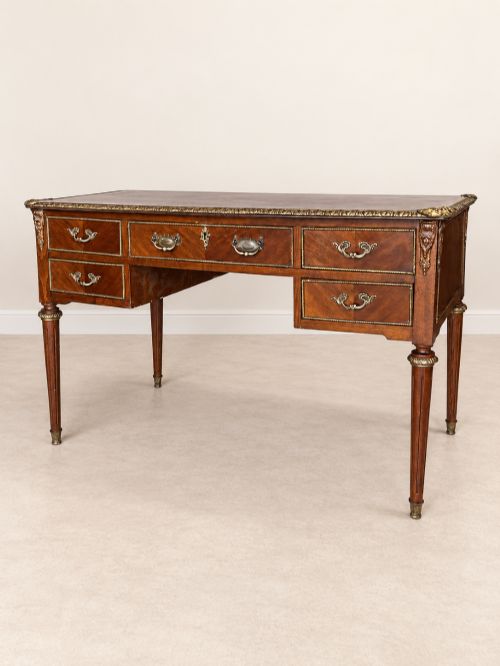
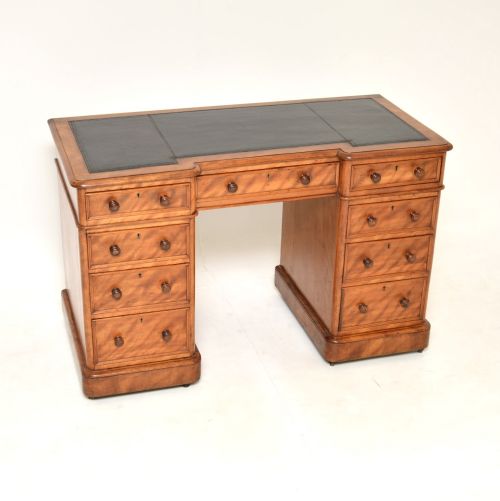
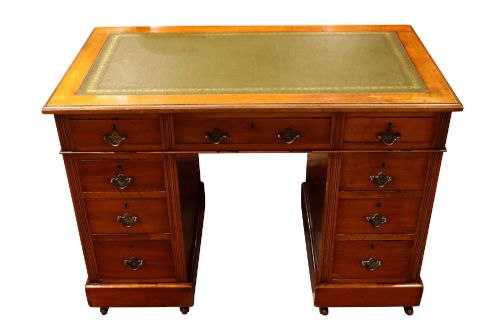
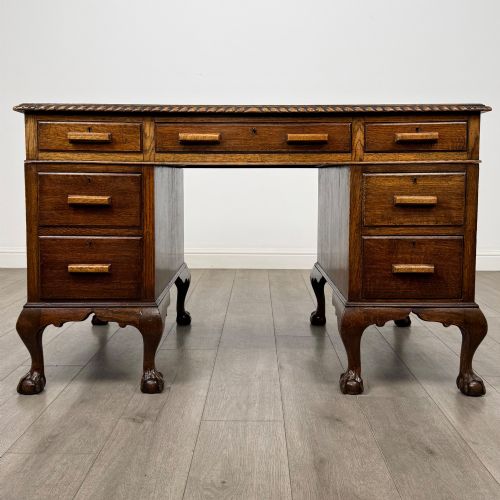
An antique pedestal bureau comprises a central writing surface flanked by banks of drawers, forming a substantial twin-pedestal footprint designed for serious correspondence.
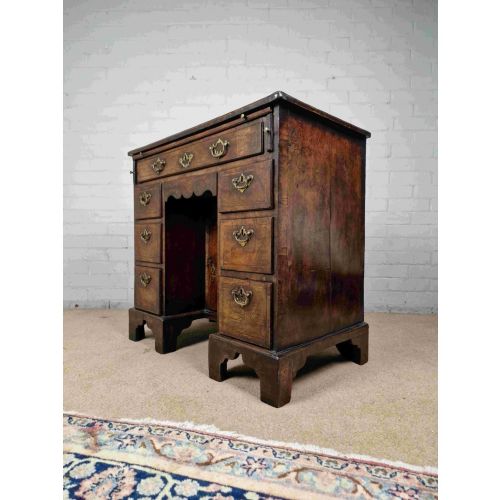
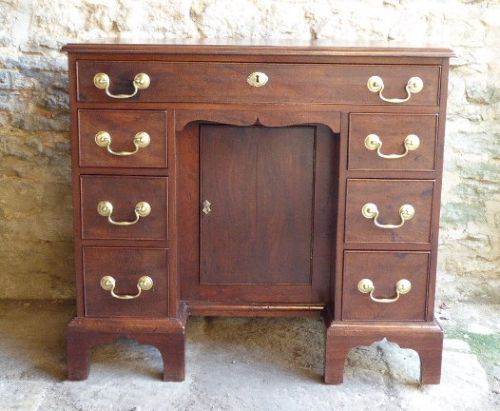
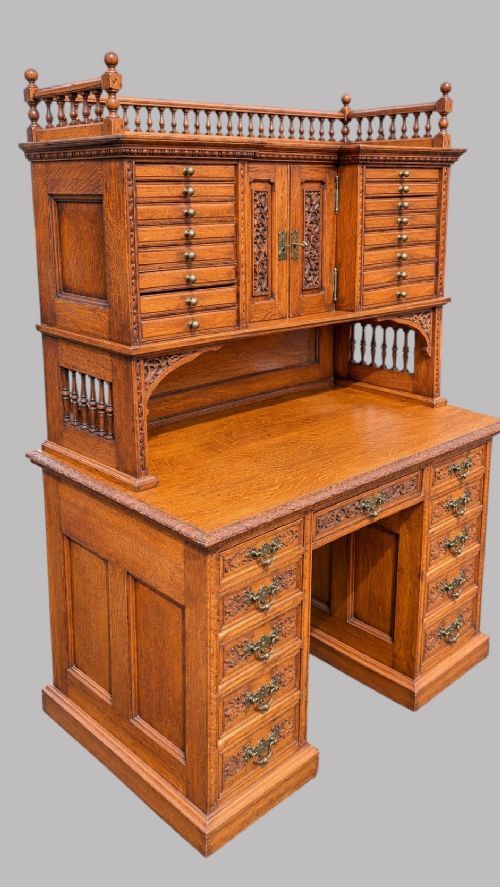
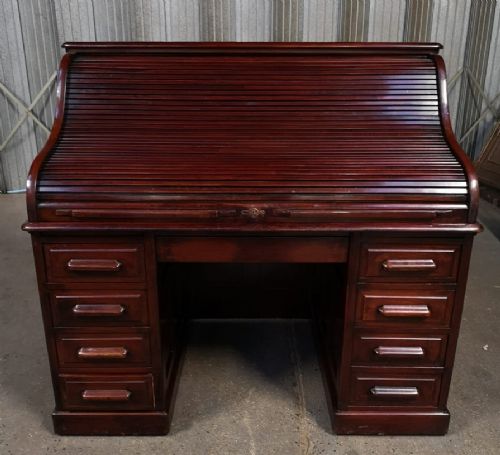
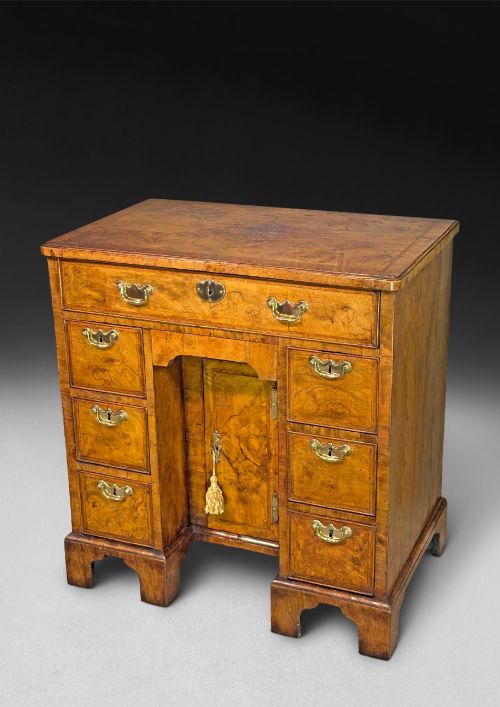
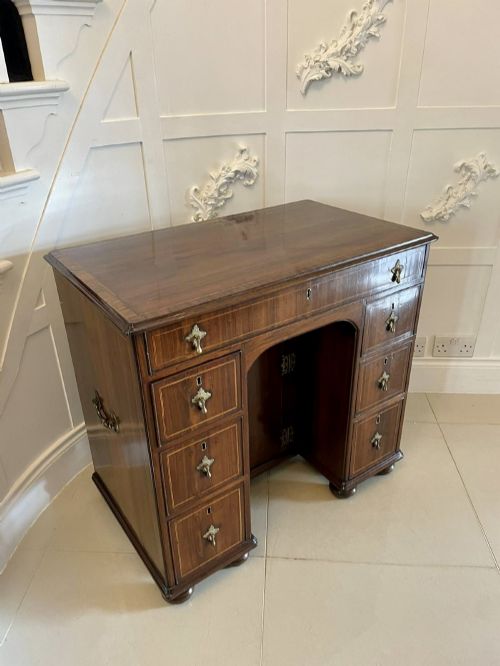
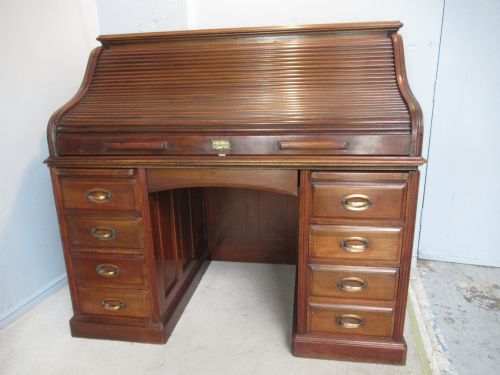
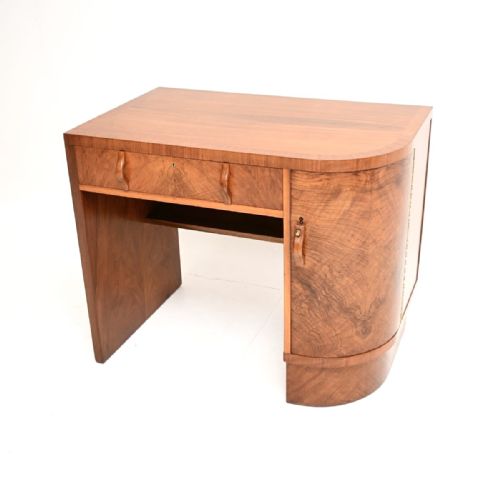
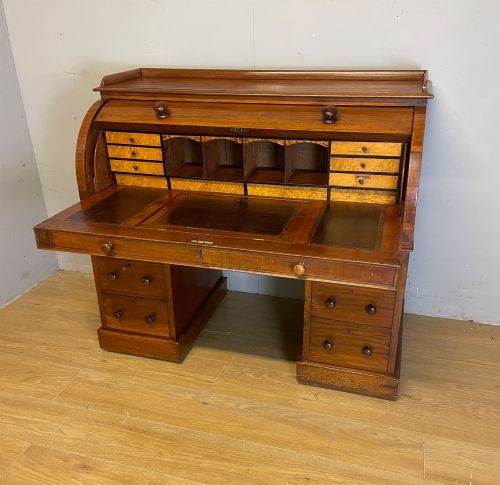
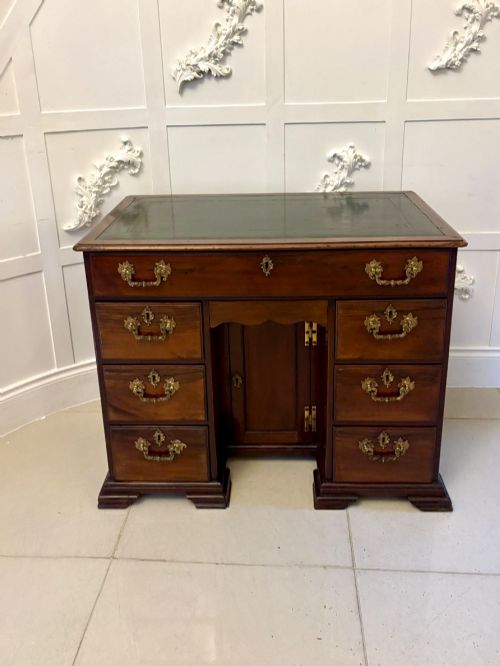
The pieces seen here range from early Georgian kneehole desks in figured timber to expansive Victorian roll-top versions and streamlined Art Deco office desks.
Buyers encounter walnut, mahogany, and oak constructions spanning the eighteenth century through to the early twentieth century, with Edwardian and Victorian examples forming a large share of the selection.
Materials and Construction Methods
Cabinetmakers utilised dense native and imported timbers, pairing solid carcases of mahogany, oak, and walnut with decorative veneers such as burr walnut, satinwood, and burr elm.
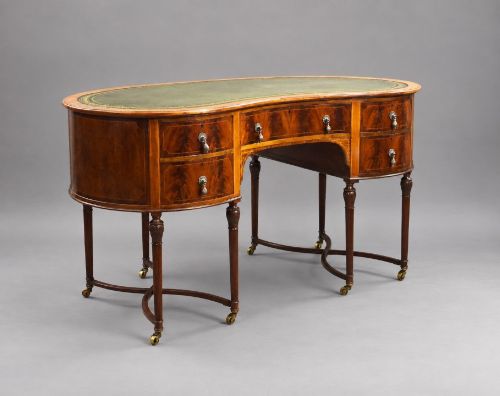
Writing surfaces frequently incorporate inset tooled leather panels, providing a durable and tactile writing plane framed by crossbanded timber borders.
Brass hardware, from drop handles to key escutcheons, secures the drawers, while specialised mechanisms govern cylinder tops, roll tops, and complex kneehole compartments.
The listings demonstrate a strong presence of walnut and mahogany timbers, stretching from George II kneeholes to Edwardian satinwood writing desks.
Judging Quality in Pedestal Bureaus
Quality rests in the selection of timber figures, where symmetrical burr walnut or heavily flamed mahogany veneers demonstrate superior cabinetmaking ambition.
Internal construction reveals the maker's hand through secondary timbers in drawer linings, precision dovetail joints, and smooth sliding mechanisms across multi-drawer pedestals.
Proportion and architectural cohesion separate utilitarian office furniture from finer domestic pieces, particularly in the handling of kneehole recesses and plinth bases.
Maple and Co·Edwards and Roberts
The Antique Pedestal Bureau Glossary
- Kneehole desk
- A form of pedestal desk featuring a central recessed space for the legs, flanked by two vertical banks of drawers.
- Pedestal desk
- A heavy freestanding writing table supported by two pedestals or columns of drawers resting on the floor.
- Cylinder desk
- A desk featuring a rolling curved wooden shutter that conceals the writing surface and interior pigeonholes when closed.
- Crossbanding
- A strip of veneer running perpendicular to the main grain along the border of a panel, enhancing the visual framing.
- Bureau Mazarin
- An elaborate cabinet-form kneehole desk originating in the late seventeenth century, supported by eight legs linked by stretchers.
Antique Pedestal Bureau: Frequently Asked Questions
What is an antique pedestal bureau?
An antique pedestal bureau is a substantial freestanding desk that combines a writing surface with twin columns of drawers beneath. These pieces evolved to provide secure document storage alongside a dedicated workspace.
Examples range from compact Georgian kneehole configurations to expansive Victorian cylinder and roll-top models designed for heavy daily use.
How do I date an antique pedestal bureau?
Dating relies on observing timber choices, construction techniques, and stylistic ornament. Georgian pieces often display restrained walnut or mahogany with hand-cut dovetails, while Victorian and Edwardian iterations introduce richer burr veneers and varied mechanical roll tops.
Hardware styles and secondary woods inside the drawers also offer reliable clues to the period of manufacture.
Are these desks suitable for daily office use?
Many pedestal bureaus serve effectively as functional workspaces, offering deep drawer storage and generous writing surfaces. Their solid timber construction ensures robust durability for modern writing and computing equipment.
Care should be taken to protect leather writing surfaces and polished veneer finishes from excessive moisture and direct heat.
What is the difference between a kneehole desk and a partner's desk?
A kneehole desk is designed to sit against a wall, featuring drawers on one side and a recessed knee space beneath the top. A partner's desk is built for two people to work face-to-face, carrying drawers and cupboards accessible from both sides.
Both forms utilise the twin pedestal arrangement seen across many nineteenth-century and earlier designs.