

Antique Pearl Diamond Jewellery
Antique pearl diamond jewellery combines lustrous organic spheres with brilliant stones in settings spanning the Victorian, Edwardian, and Art Deco periods.
Antique Pearl Diamond Jewellery
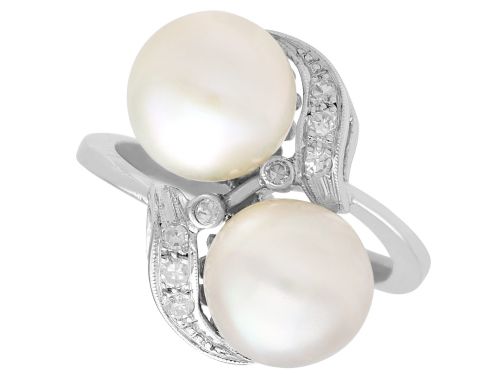
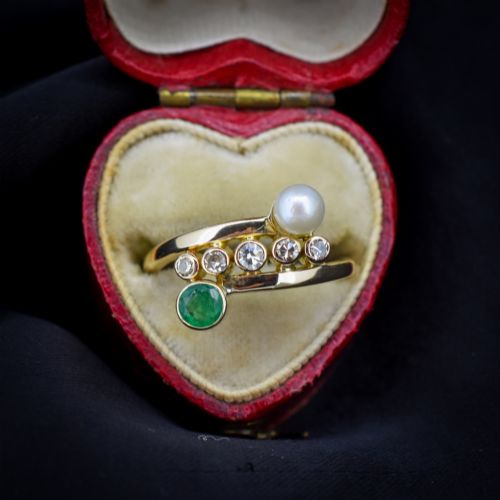
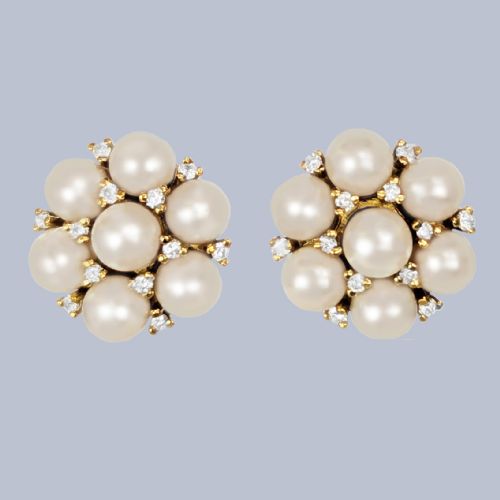
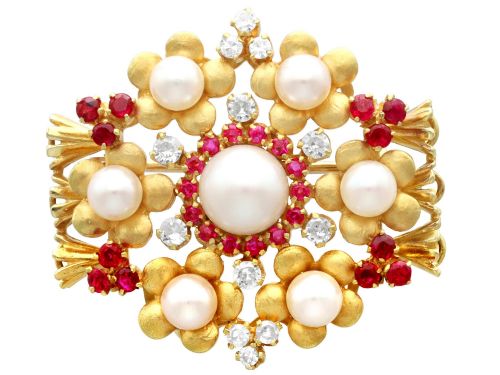
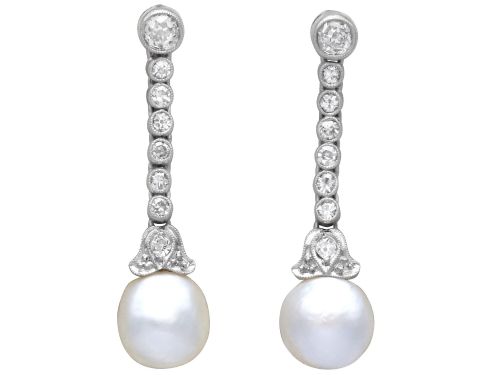
Edwardian and Victorian examples frequently utilise natural pearls paired with old-cut diamonds in yellow gold, platinum, or dual-metal settings. Later Art Deco and mid-century designs introduce white gold and platinum geometric structures alongside cultured pearls.
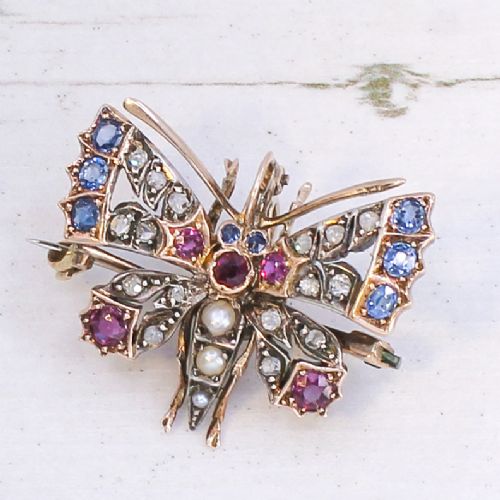
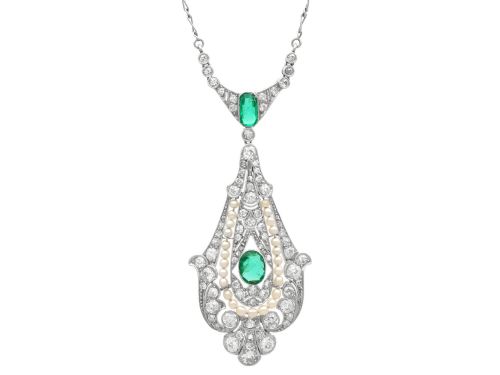
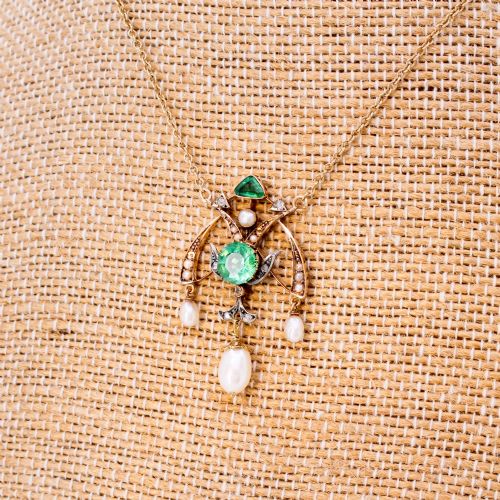
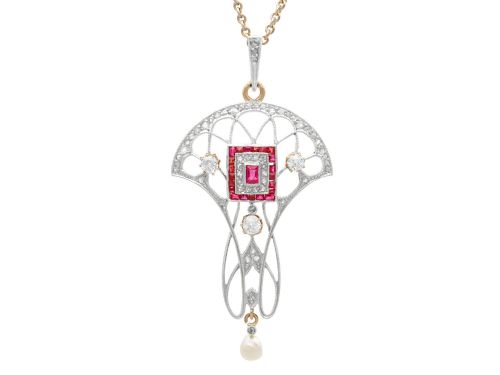
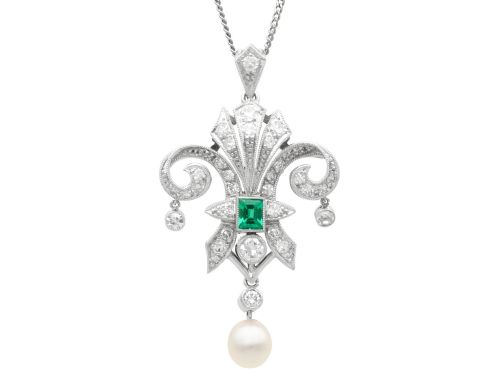
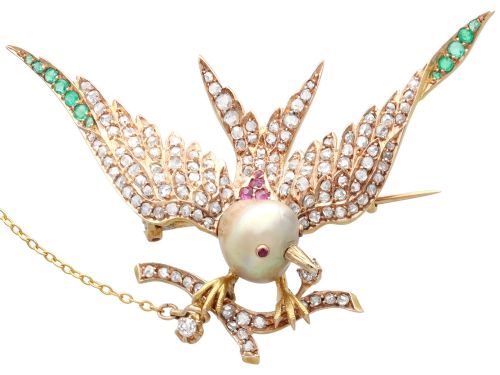
The category includes convertible pieces such as pendant brooches, alongside fitted necklaces and drop earrings incorporating supplementary gems like emeralds, rubies, sapphires, and enamel details.
How they were made
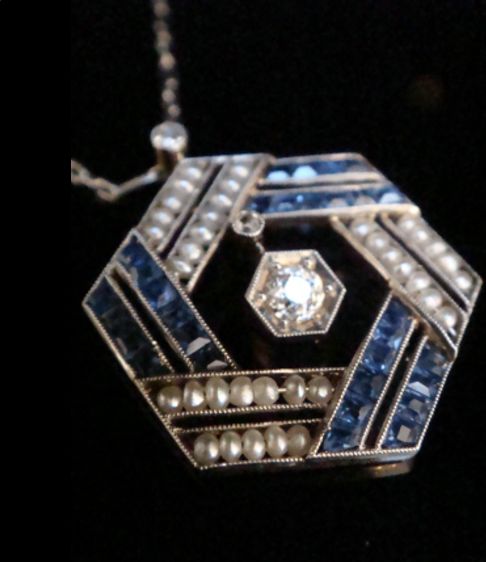
Goldsmiths utilised yellow gold, white gold, platinum, and silver to house pearls and diamonds, often combining metals like 18ct yellow gold and platinum in a single mount to highlight different gemstones. Gemstones are secured using traditional claw, bezel, and flush settings alongside delicate millegrain edging on Edwardian and Art Deco pieces.
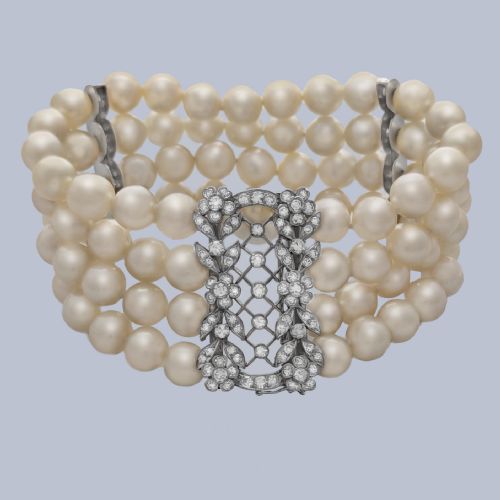
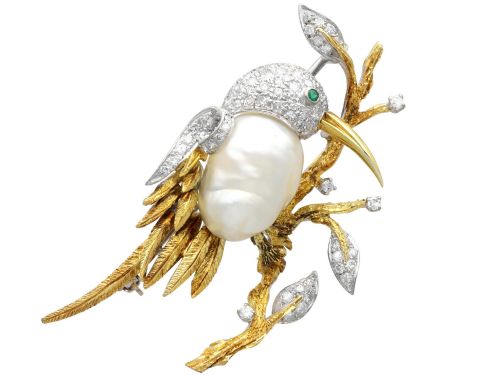
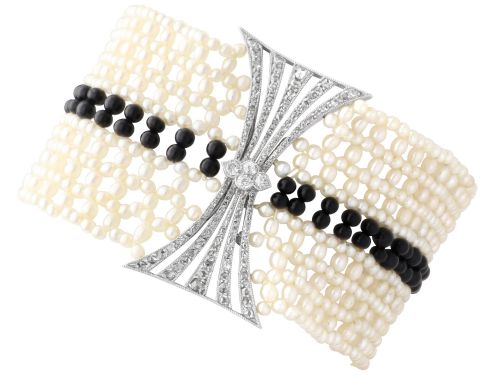
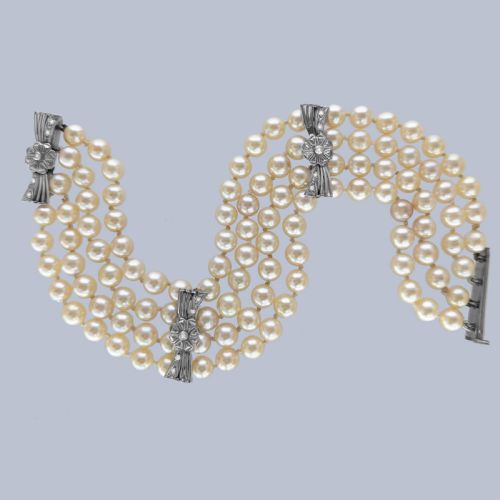
Pearls are integrated as single focal drops, seed pearl accents, blister pearls, or strung in multi-strand configurations with intricate diamond-set clasps in gold or platinum. Supplementary stones such as emeralds, rubies, and sapphires are incorporated alongside hand-cut old-cut and rose-cut diamonds.
Antique Pearl Diamond Jewellery Retail Price Guide 2026
Typical asking prices for pearl diamond jewellery among the pieces listed under this phrase on Sellingantiques today, from the lower quarter to the upper quarter. They describe what is for sale here now, not the wider market.
The selection includes rings, brooches, necklaces, pendants, bangles, and drop earrings set with diamonds, pearls, emeralds, and sapphires.
What varies in quality
The complexity of the metalwork, such as hand-engraved platinum settings, guilloche enamel details, and convertible mechanisms on pendants and brooches, marks the distinction between standard production and master craftsmanship.
The Antique Pearl Diamond Jewellery Glossary
- Natural pearl
- A pearl formed organically within a mollusc without human intervention. These stones are highly prized in antique pieces.
- Cultured pearl
- A pearl formed with human assistance by placing a nucleus into the mollusc. These became common in mid-century jewellery.
- Old-cut diamond
- A hand-faceted diamond cut before modern brilliant standards were established. They feature smaller tables and larger culets.
- Millegrain
- A decorative jewellery technique creating a raised border of tiny bead-like metal points. It is characteristic of Edwardian design.
- Guilloche enamel
- A decorative technique where enamel is applied over metal engine-turned with intricate geometric patterns. It appears frequently on Edwardian pieces.
Antique Pearl Diamond Jewellery: Frequently Asked Questions
How do I care for antique pearl jewellery?
Pearls are organic gems that are sensitive to acids, cosmetics, and perfumes. Wipe them gently with a soft cloth after wearing and store them separately to prevent scratching.
Avoid submerging pearl jewellery in liquid cleaners or ultrasonic baths, as these methods can damage the silk threads and weaken the adhesives used in setting.
Are the pearls natural or cultured?
Antique pieces from the Victorian and Edwardian eras typically feature natural pearls harvested from saltwater or freshwater sources. Later mid-century items often incorporate cultured pearls.
Certification documents accompanying specific pieces provide professional verification of pearl origins and treatment histories.
Can these necklaces be adjusted in length?
Many multi-strand pearl necklaces and bracelets feature original clasps that allow for secure fastening. Altering the length of a strung piece requires professional restringing.
Restringing ensures the silk cord between each pearl remains strong and secure during regular wear.
What metal is most common in Edwardian pieces?
Edwardian jewellery frequently combines yellow gold with platinum surfaces. This dual-metal technique allowed jewellers to mount diamonds in white platinum while retaining gold for structural support.
Platinum popularity grew during this era due to its strength, which enabled delicate, lace-like settings.