



Antique Pastoral Tapestry Panel
An antique pastoral tapestry panel brings rustic charm and classical idylls indoors, offering centuries of woven texture and rural scenes.
Antique Pastoral Tapestry Panel
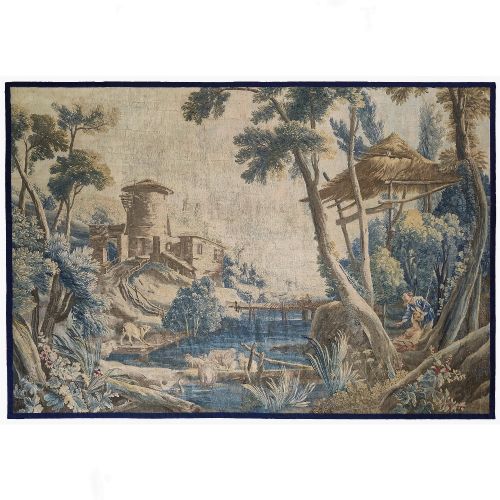
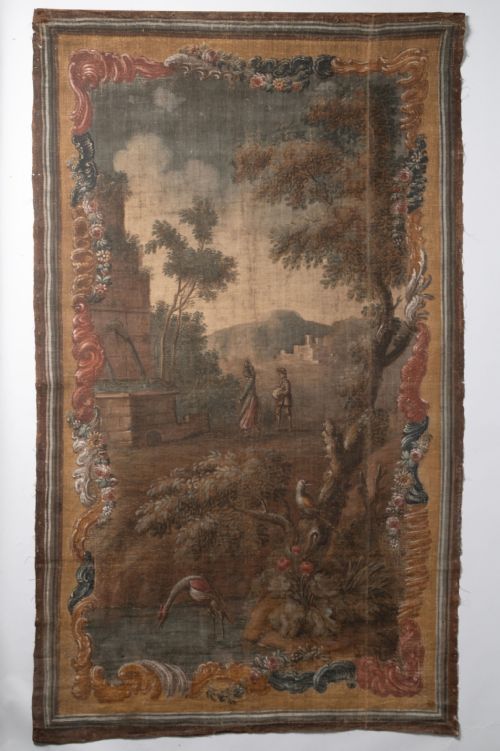
An antique pastoral tapestry panel represents woven or stitched depictions of rural scenes, shepherdesses, and classical landscapes. When you search for an antique pastoral tapestry panel, you will encounter pieces spanning from the seventeenth century through the Victorian era. These textiles range from large wall hangings framed in timber or giltwood to smaller needlework pictures and fire screens.
The selections available lean heavily toward French and Continental origins, including eighteenth-century woven panels and nineteenth-century needlepoint. Pieces often feature traditional pastoral motifs captured in wool, silk, and linen. You will find formats varying from expansive room-scale hangings down to intimate framed embroidery.
Each piece reflects the prevailing decorative tastes of its period, shifting from Baroque grandeur through French Rococo to Victorian revivals. Whether mounted in a timber frame or displayed as a wall tapestry, these works bring historical narrative and textile artistry into modern interiors.
Materials and construction methods
The construction of these works relies on durable natural fibres, principally wool and silk threaded across linen or canvas foundations. Artisans built up the intricate pastoral imagery using hand-woven techniques or detailed needlework and crewel embroidery. The interplay of wool and silk provided both structural strength and subtle shifts in texture for foliage and garments.
Many surviving examples are housed within period surrounds, utilising wood, timber frames, or giltwood to protect and display the textile. The physical mounting often involves stretching the canvas or woven panel securely to maintain tension and prevent sagging across the display surface.
Antique Pastoral Tapestry Panel Retail Price Guide 2026
Typical asking prices for pastoral tapestry panel among the pieces listed under this phrase on Sellingantiques today, from the lower quarter to the upper quarter. They describe what is for sale here now, not the wider market.
Many a Victorian needlework screen allowed diligent makers to practice their stitching while quietly shielding their faces from the blazing parlour fire.
Assessing quality and execution
The framing and preservation also dictate the standing of a piece, with original giltwood surrounds or well-maintained timber frames adding substantial character. The integrity of the linen or canvas backing and the stability of the fibres determine how successfully the panel has survived through the centuries.
The Antique Pastoral Tapestry Panel Glossary
- Needlepoint
- A type of embroidery stitched on a canvas mesh ground, often filling the entire surface to create a dense tapestry-like picture.
- Crewel work
- Embroidery executed using wool yarn on a linen or cotton twill fabric, known for its textured, flowing floral and pastoral designs.
- Giltwood
- Wood that has been treated with a thin layer of gold leaf or gold paint, frequently used for decorative antique picture frames.
- Fire screen
- A movable panel placed in front of a fireplace to block radiant heat when a fire was not burning, often featuring decorative needlework.
- Rococo
- An ornate artistic style characterised by asymmetrical curves, scrollwork, and lighthearted pastoral themes popular in the eighteenth century.
Antique Pastoral Tapestry Panel: Frequently Asked Questions
Where should I place these textiles at home?
Position these panels away from direct sunlight to protect delicate wool, silk, and linen threads from fading over time. Rooms with stable humidity levels help preserve the organic materials used in both the textiles and their wooden frames.
They work well as focal points above mantelpieces, along hallways, or as standalone wall art in living spaces. Smaller needlework screens suit quieter corners where they can be appreciated at close range.
What defines a pastoral scene in antiques?
Pastoral scenes depict idealized rural life, typically featuring shepherds, shepherdesses, livestock, and lush landscaped countryside. These motifs draw on classical literature and art, celebrating a peaceful and harmonious relationship with nature.
In these panels, the imagery often includes rolling hills, wooded groves, and rustic architectural ruins framed by foliage. This escapist theme dominated French and European decorative arts for centuries.
How can I tell an 18th-century piece from a Victorian one?
Eighteenth-century panels often display the softer palettes and flowing compositions typical of French Rococo or Baroque movements. The weave structure and hand-spun wool characteristics reflect the manufacturing techniques of that specific era.
Victorian pieces tend to show the heavier, more vibrant Berlin wool work styles popular during the nineteenth century. The framing materials and canvas preparation methods also offer clear clues to a piece's chronological origin.