




Victorian Wool Needlepoint
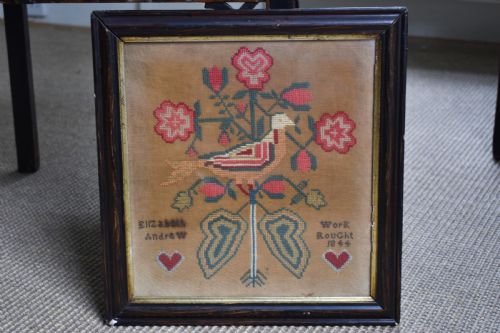
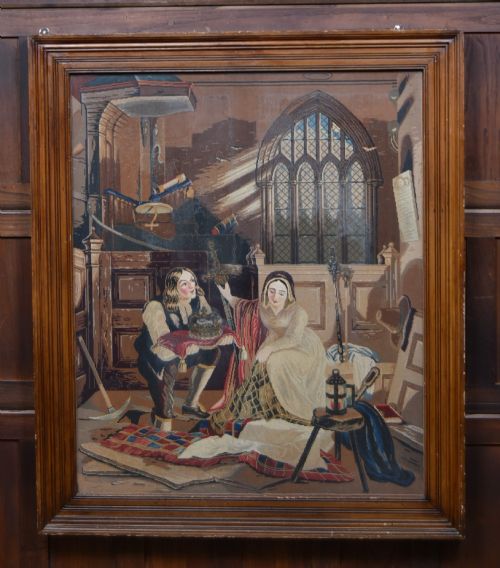
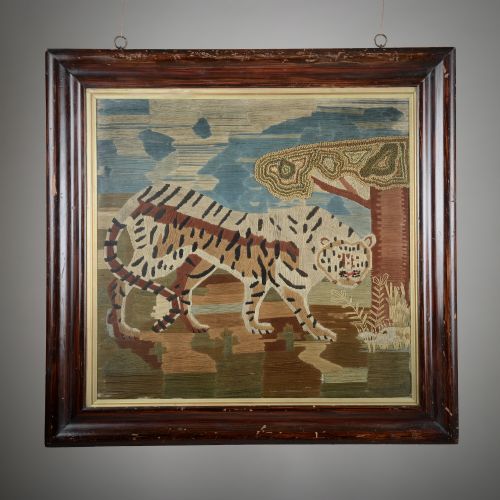
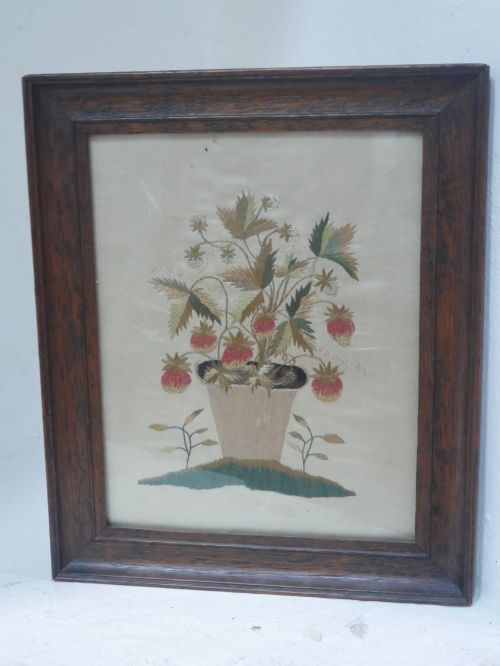
Victorian wool needlepoint brings rich textile art into a room, offering colourful portraits, animals and domestic scenes worked in wool on canvas.
Victorian Wool Needlepoint
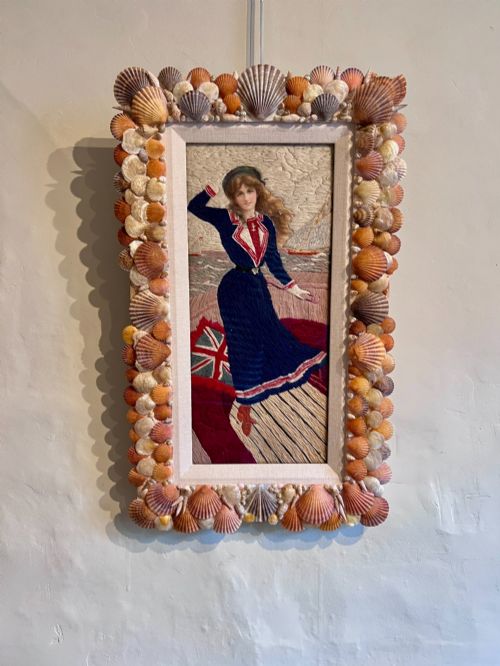
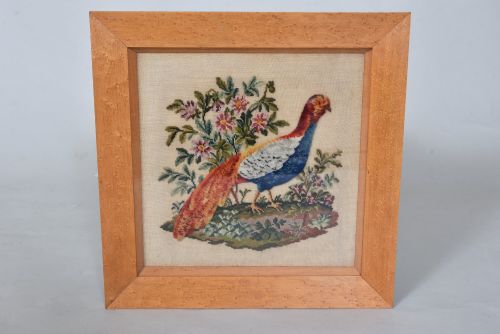
When you search for victorian wool needlepoint, you encounter a varied selection of nineteenth-century textile art, ranging from framed pictures and samplers to fire screens and footstools. These pieces encompass domestic items and wall art created across the Victorian era, utilising wool yarns on canvas.
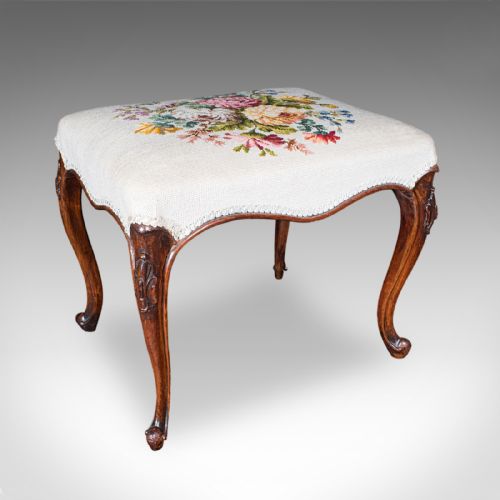
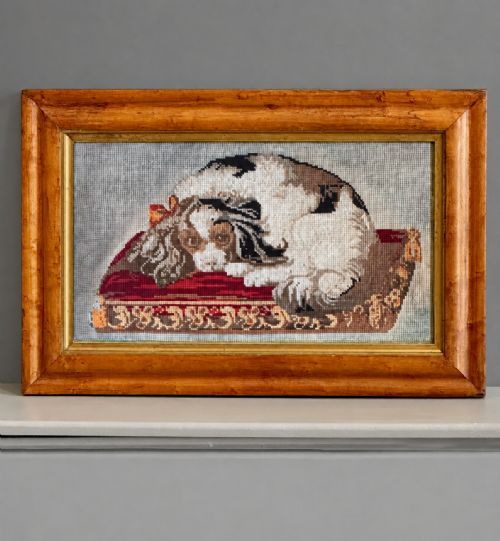
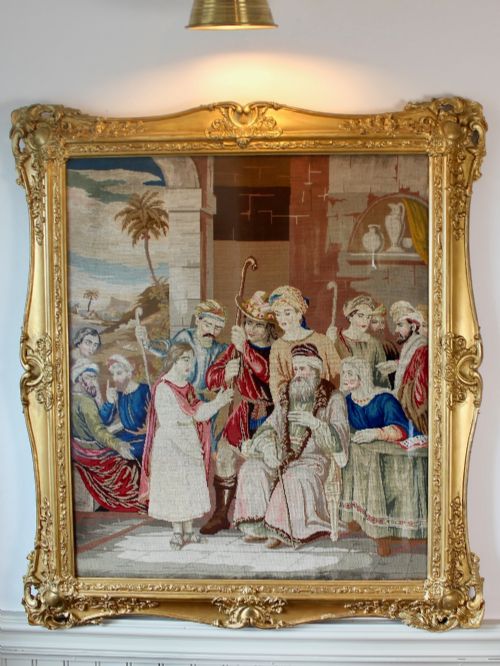
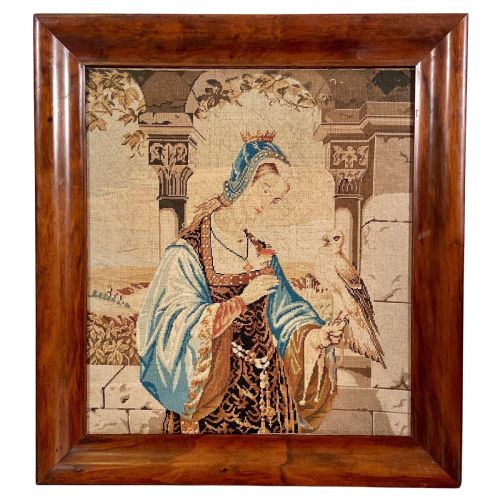
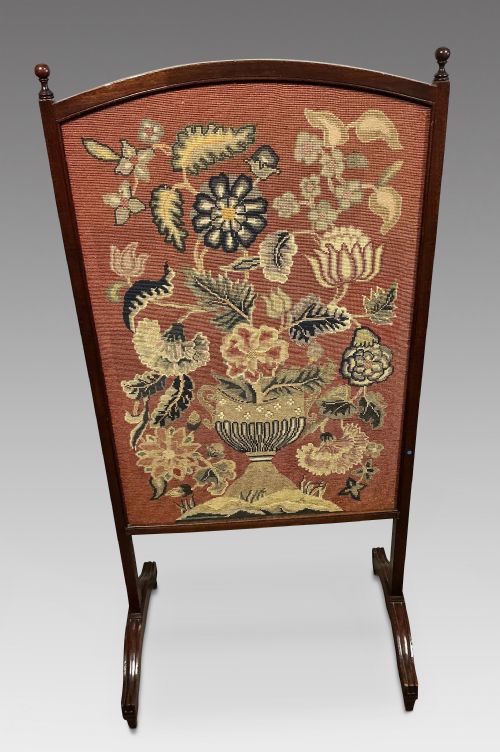
You are most likely to meet framed pictorial works depicting animals, literary figures, portraits or religious subjects, alongside functional items such as footstools, ottomans and fire screens retaining their original needlework panels. The selection also includes larger formats like needlepoint carpets and wall hangings.
The objects span different revival styles popular during the period, including Gothic Revival, Renaissance Revival and Rococo Revival, alongside folk art expressions. Many retain their period frames in burr maple, giltwood, mahogany, walnut or oak.
Materials and construction
The foundation of these works relies principally on a woven canvas or linen mesh, which served as the grid for stitching. Makers employed dyed wool yarns, sometimes incorporating silk, beads or metallic threads to add texture and catch the light.
Needlework techniques such as Berlin work and gros-point or petit-point stitching allowed makers to build dense, colourful patterns from printed paper charts. Plushwork introduced cut pile elements to give certain motifs, like animal coats, a raised, tactile quality.
Once completed, the textile panels were mounted into various supports, stretching over fire screen frames, upholstering wooden stools and ottomans, or secured inside glazed wooden frames often enhanced with gilt moulding.
The materials recorded in these works include wool, linen, canvas, glass, and wood, housed within mahogany, rosewood, walnut, and giltwood frames.
Judging the work
The standard of execution depends heavily on the precision of the stitching and the complexity of the colour shading used to create depth in figures and landscapes. Tightly worked petit-point areas allow for finer detail in facial expressions and hands compared to coarser stitches.
Material selection also distinguishes pieces, with the inclusion of supplementary elements like silk or glass beads marking more ambitious projects. The preservation of the wool pile and the integrity of the original framing, whether burr maple or carved rosewood, contribute to the standing of an individual piece.
The Victorian Wool Needlepoint Glossary
- Berlin work
- A type of needlepoint embroidered in wool on canvas using squared pattern charts printed in Germany. It became extremely popular during the nineteenth century for vibrant pictorial panels.
- Gros-point
- A coarse needlepoint stitch worked on canvas that covers several threads at once. It provides a durable surface often utilised for carpets, fire screens and upholstery.
- Petit-point
- A fine needlepoint stitch worked over a single thread of canvas. This technique permits intricate detail and subtle shading in portraits and narrative scenes.
- Woolie
- A colloquial term for embroidered pictures created by sailors at sea using wool yarns. They typically depict naval ships, portraits or domestic subjects.
- Plushwork
- An embroidery technique featuring looped or cut stitches that stand proud of the canvas surface. This method creates a soft, tactile pile resembling velvet or fur.
Victorian Wool Needlepoint: Frequently Asked Questions
How do I clean an antique needlepoint?
Wool needlepoint collects dust in the fibres over decades of display. Gentle surface cleaning with a soft brush or low-suction vacuum through a mesh screen is recommended.
Avoid liquid immersion or harsh detergents, as nineteenth-century dyes can run and wool fibres weaken when wet.
Where should I hang a wool picture?
These textiles require placement away from direct sunlight to prevent the coloured wool yarns from fading. Stable indoor humidity protects both the wool embroidery and the wooden or gilt frames.
Interior walls with indirect light suit these works best, preserving the canvas and backing materials.
What is a Berlin work picture?
Berlin work pictures are nineteenth-century needlepoint panels stitched from commercially printed paper charts that used squared grids. They allowed embroiderers to create complex, highly coloured pictorial scenes.
Subjects ranged from religious tableaus and classical portraits to animals and literary illustrations.
How are fire screens used today?
Victorian fire screens originally protected faces from the direct heat of open coal fires. Today, they function as decorative room dividers or static wall panels in living spaces.
The needlepoint panels remain protected within their original carved wood or gilt frames.