


Antique Paste Brooch
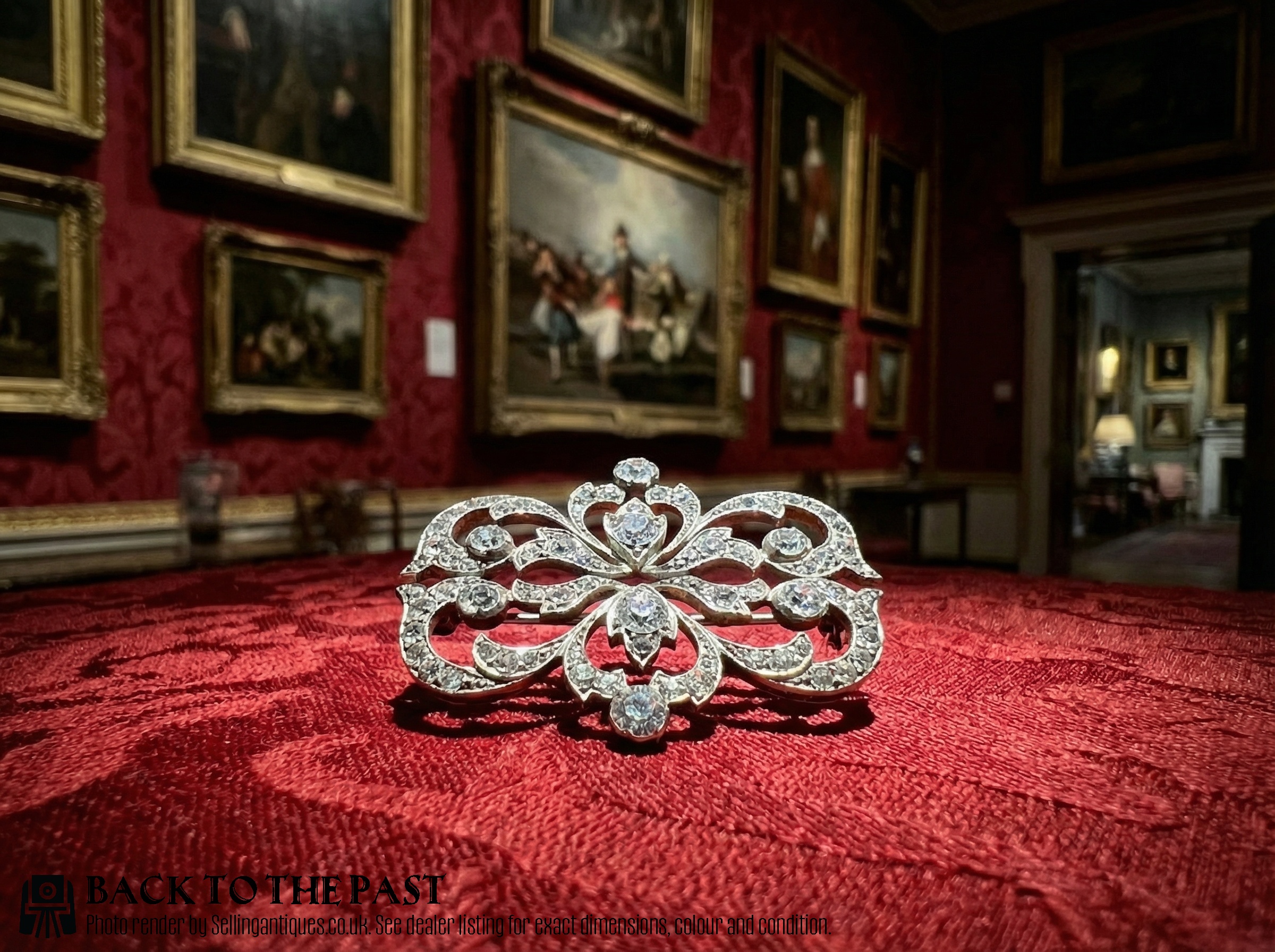
An antique paste brooch brings the brilliant flash of hand-cut glass into a metal setting, offering the theatrical sparkle of fine stones without the restraint.
Antique Paste Brooch
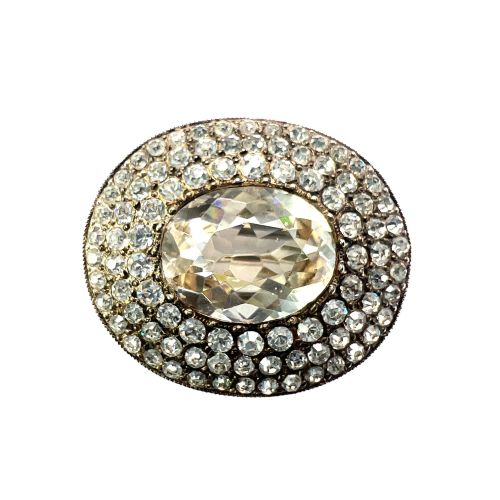
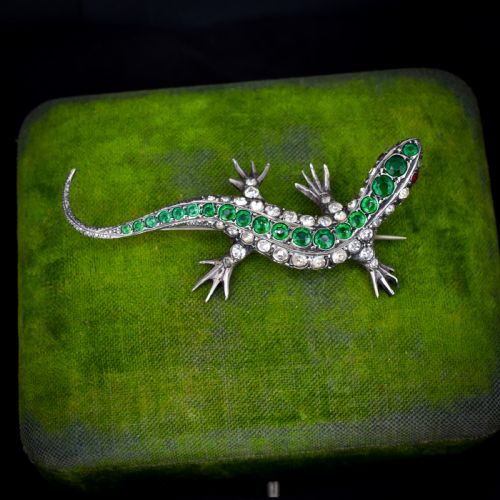
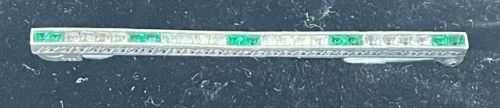
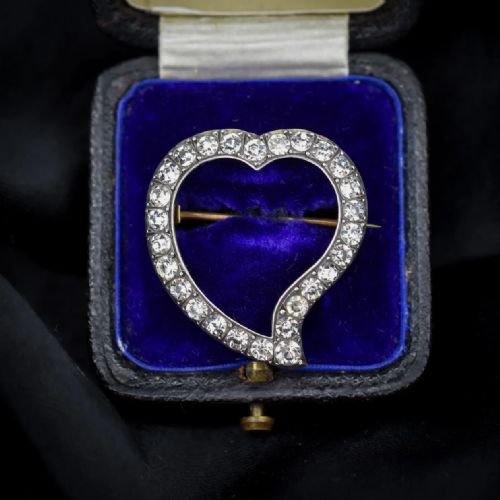
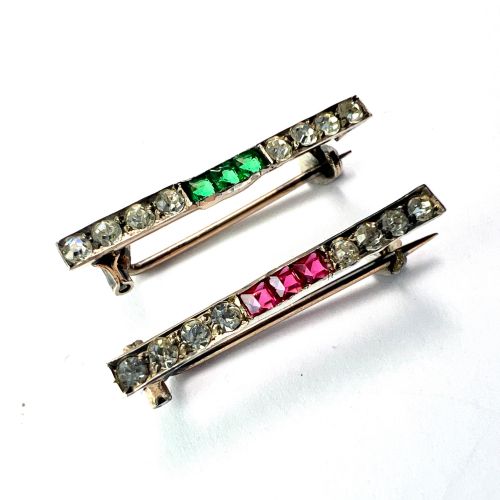
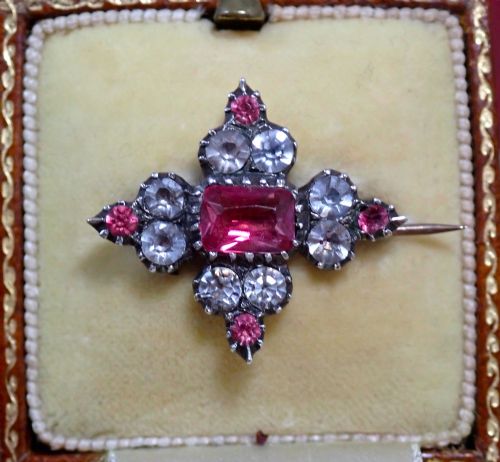
An antique paste brooch is a decorative pin set with lead glass cut and polished to imitate gemstones, appearing across periods from Georgian and Victorian eras through to Art Deco designs. Buyers searching for an antique paste brooch encounter items fashioned into floral baskets, insects like lizards, and geometric bar settings. The examples found here span from early Georgian pieces with closed-back foils up to the clean lines of 1930s Art Deco clips.
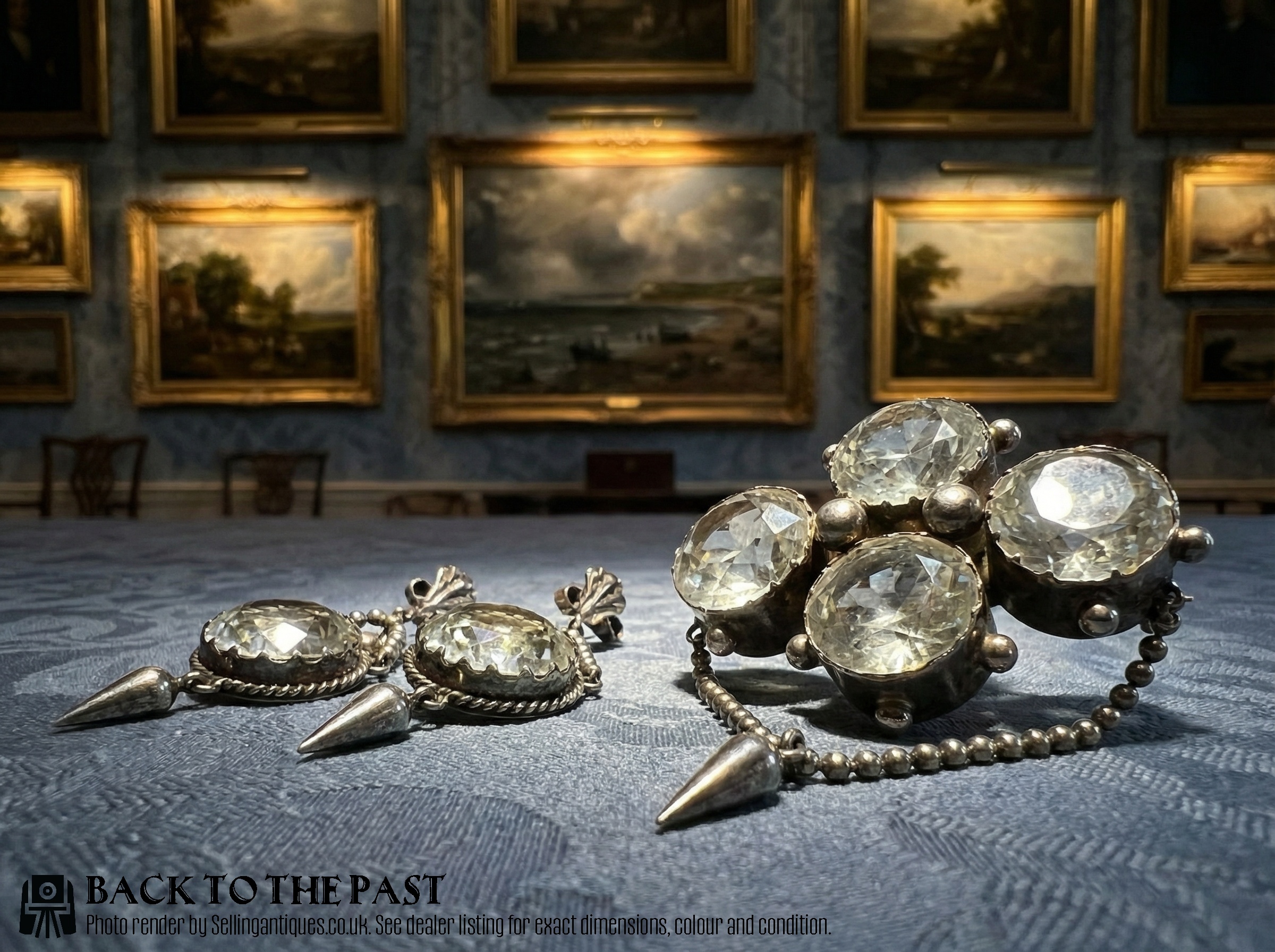
Materials and construction
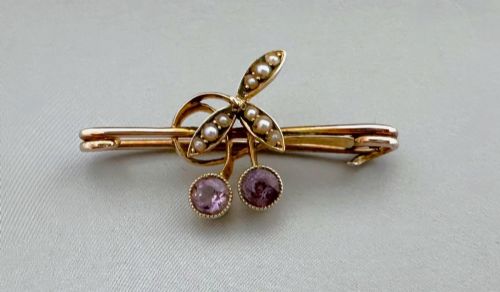
Makers set hand-cut glass stones into mounts of silver, sterling silver, gold, and 9ct gold, sometimes utilising silver-topped gold to provide a bright face over a warmer metal back. Many early pieces incorporate closed backs where coloured foil sits beneath the glass to intensify the brilliance and depth of the paste.
Stones receive old cuts or specialised facets designed to catch candlelight or daylight, held securely by claw settings or grain settings. Metalwork ranges from cast and chased gilt finishes to fine wirework characteristic of Etruscan Revival styles and structural channel mounts in Art Deco pieces.
Antique Paste Brooch Retail Price Guide 2026
Typical asking prices for paste brooch among the pieces listed under this phrase on Sellingantiques today, from the lower quarter to the upper quarter. They describe what is for sale here now, not the wider market.
The inventory records silver, sterling silver, and 9ct gold as the primary metals supporting glass paste stones across Victorian and Art Deco periods.
Distinguishing quality in paste jewellery
Mounts demonstrate quality through substantial weight in the silver or gold, detailed chasing, and clean soldered joints rather than hurried assembly. The retention of original stones without replacements indicates a well-preserved piece that has maintained its compositional harmony.
Charles Horner·John Barry
The Antique Paste Brooch Glossary
- Paste
- Hand-cut and polished lead glass used to imitate gemstones. It captures light differently than natural stones due to its high lead content.
- Giardinetti
- A small garden motif depicting flowers in a basket or vase. This style appears frequently in Georgian and Victorian jewellery designs.
- Foil back
- A thin sheet of reflective metal placed behind a paste stone inside a closed setting. This technique enhances the colour and sparkle of the glass.
- Witches heart
- A heart shape with a twisted tail at the tip, designed as a traditional token of affection. These pieces often feature coloured paste stones.
- Jabot pin
- A long ornamental pin originally used to secure folds of fabric on a jabot. They feature decorated terminals that sit prominently on clothing.
Antique Paste Brooch: Frequently Asked Questions
How do I care for an antique paste brooch?
Paste glass is softer than natural gemstones and susceptible to moisture, so it requires gentle treatment during cleaning and storage. Avoid immersing the brooch in water, as liquid can seep behind foiled stones and ruin the reflective backing.
Use a soft, dry cloth to remove dust from the metal and glass surfaces. Store the piece individually in a lined box to prevent the paste facets from scratching against other items.
Were paste brooches worn daily?
In the Georgian and Victorian periods, paste jewellery served as high-fashion evening wear rather than daytime adornment. The high-lead glass was cut to sparkle brightly under candlelight at balls and formal gatherings.
Later Edwardian and Art Deco pieces transitioned into daytime accessories, securing lapels, hats, and scarves. Their popularity stemmed from providing striking visual impact for various social occasions.
How can I tell a Georgian paste brooch from a Victorian one?
Georgian pieces frequently employ closed-back settings where metal encases the rear of the stone to hold a coloured foil underneath. This technique gives the paste a deep, saturated glow suited to artificial lighting.
Victorian examples often utilise open-back settings that allow light to pass straight through the glass. The mounting styles also shift, moving from heavy handmade silver-topped gold toward standardised sterling silver production.
What is a demi parure?
A demi parure is a matched set of jewellery containing a subset of pieces, usually a brooch accompanied by earrings. These coordinated sets allowed wearers to present a unified look without committing to a full parure that might include a necklace and tiara.
They share identical metalwork, stone cuts, and colour palettes, often utilising foiled paste or specific thematic motifs like flowers or ribbons.