




Antique Parlour Tables Set
An antique parlour tables set gathers the social furniture and tabletop pastimes that defined Victorian and Edwardian leisure rooms.
Antique Parlour Tables Set
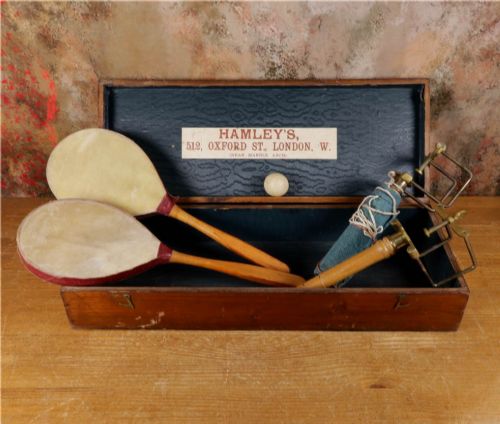
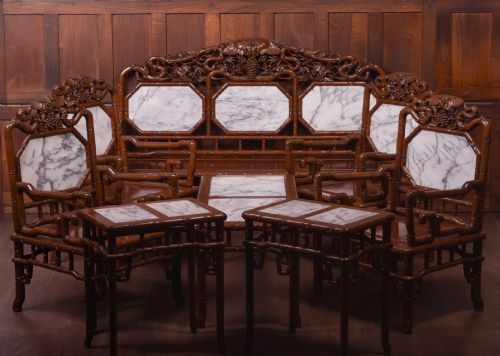
Buyers searching for an antique parlour tables set encounter a diverse array of social furniture and boxed pastimes rather than a single standardised grouping. The selection spans from nested mahogany coffee tables and carved hardwood suites to complete boxed table tennis and croquet sets from the turn of the twentieth century.
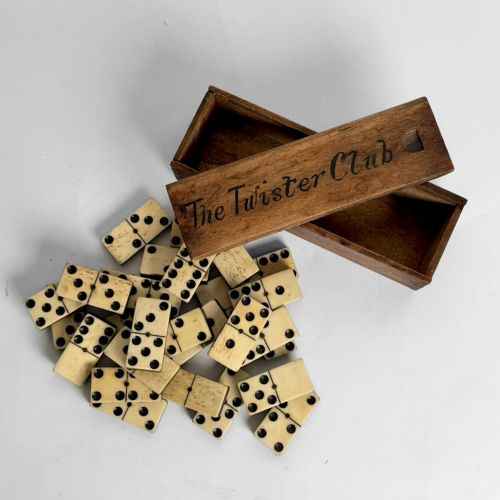
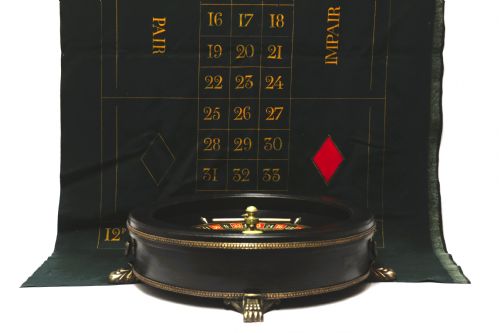
Most pieces date from the Victorian and Edwardian eras, reflecting the domestic entertainments of nineteenth and early twentieth-century households. These items range from large Alpine carved oak parlour suites and French roulette wheels with felt cloths to intimate sets of gaming dominoes and nesting tables.
Origins vary widely across the inventory, encompassing English makers, Chinese export workshops, French ateliers, and Swedish revival pieces. This mix captures both the formal reception room furniture and the portable parlour games that kept family and guests occupied.
Materials and construction methods
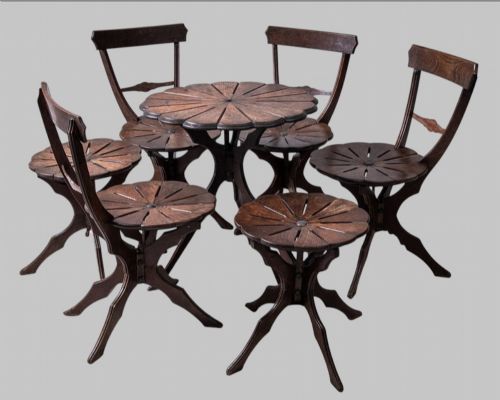
Makers utilised solid and figured timbers such as mahogany, oak, and pine to build sturdy parlour suites and nesting tables. Carved hardwood details and intricate joinery mark the construction of the larger seating groups and game furniture.
Portable pastimes and table sets incorporate diverse materials including brass, iron, bone, vellum, and cotton. Felt cloths feature on gaming equipment like roulette tables, while wooden boxes house table tennis and domino sets with printed paper or card components.
Squails pieces demand a steady finger and considerable patience to flick across the cloth without sliding off the edge.
Distinctions in quality
Quality rests on the depth of hand-carving and the choice of figured timber in the woodwork, distinguishing simple utilitarian items from master-carved Alpine oak or Chinese hardwood suites. The crispness of turning on nesting tables and the weight of cast brass components signal superior workshop standards.
Completeness dictates value in boxed games and sporting sets, where surviving original components like felt cloths, bone markers, and branded wooden boxes elevate an item above incomplete assemblies. Maker attribution through stamped signatures or original trade labels further separates standard productions from notable workshop output.
Jaques & Hamleys·F.H.Ayres Ltd
The Antique Parlour Tables Set Glossary
- Parlour suite
- A coordinated grouping of seating furniture designed for the formal reception rooms of nineteenth-century homes. These suites typically include multiple chairs and sometimes matching small tables.
- Nest of tables
- A set of graduated tables designed to stack neatly underneath one another when not in use. They emerged as a space-saving solution for entertaining guests with tea or games.
- Table croquet
- A miniature indoor adaptation of the lawn game played on tables using scaled mallets and hoops. Boxed sets often include wooden balls and arches packaged with instructions.
- Squails
- A traditional table disc-sliding game popular in the nineteenth century where players flick wooden disks across a surface towards a central target. Equipment usually involves sets of coloured turned pieces.
- French roulette wheel
- A gaming wheel engineered with pockets for ball rotation, frequently accompanied by its original felt table cloth. These items date to the late nineteenth century and served as focal points for evening entertainment.
Antique Parlour Tables Set: Frequently Asked Questions
What is included in an antique parlour games set?
These sets typically contain all the necessary wooden pieces, balls, bats, or markers required to play specific nineteenth-century indoor pastimes. Many survive in their original compartmented wooden boxes with sliding lids.
Items range from table tennis equipment and croquet sets to dominoes and squails boards, reflecting the popular domestic amusements of the period.
How were nest of tables used?
Nests of tables provided flexible surface space in Victorian and Edwardian sitting rooms. Servants or hosts could deploy the smaller tables individually for afternoon tea or card games.
When the gathering concluded, the tables stacked back into a single compact footprint beneath the largest table.
How do I care for antique mahogany tables?
Keep wooden surfaces away from direct sunlight and heat sources to prevent the mahogany from drying out or warping. Maintain a stable room temperature to protect the polished finish and joints.
Apply a gentle wax polish occasionally and buff with a soft cloth to nourish the grain without building up heavy residues.
How do I identify Edwardian parlour furniture?
Edwardian pieces often display lighter proportions and brighter timber tones compared to heavier Victorian designs. They frequently incorporate revival styles alongside practical nesting and occasional table forms.
Construction details, such as machine-assisted joinery alongside hand-finishing, help date these items to the period around nineteen hundred.