


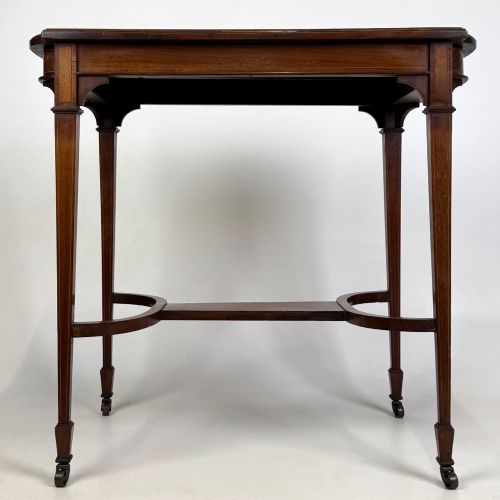
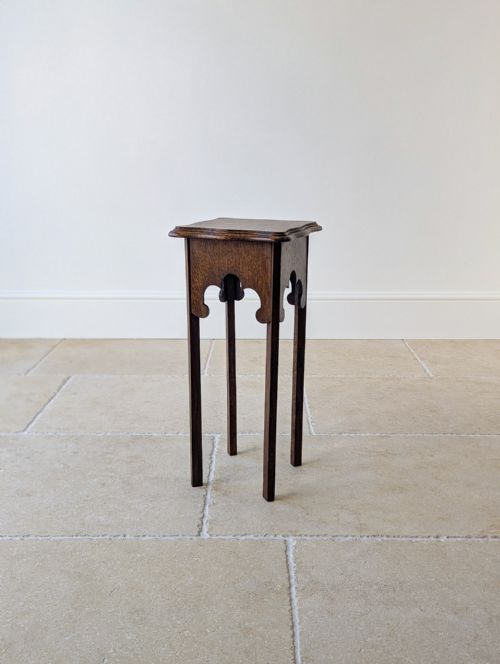
Edwardian Wooden Side Table
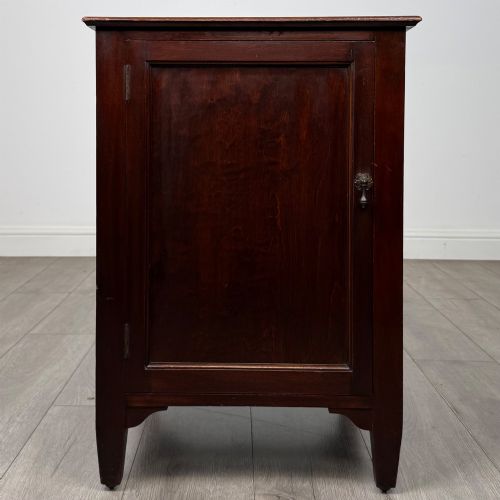
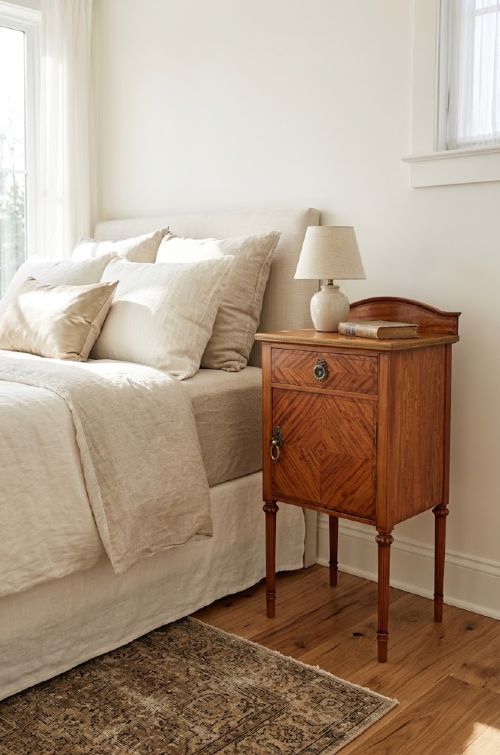
An edwardian wooden side table brings domestic utility and subtle timber grain into a room, serving as a reliable surface for lamps, books and cups.
Edwardian Wooden Side Table
When you search for an edwardian wooden side table, you encounter a variety of compact household furniture designed to stand beside chairs or beds. The examples found here span the Edwardian period alongside nineteenth-century Victorian antecedents and early twentieth-century interpretations.
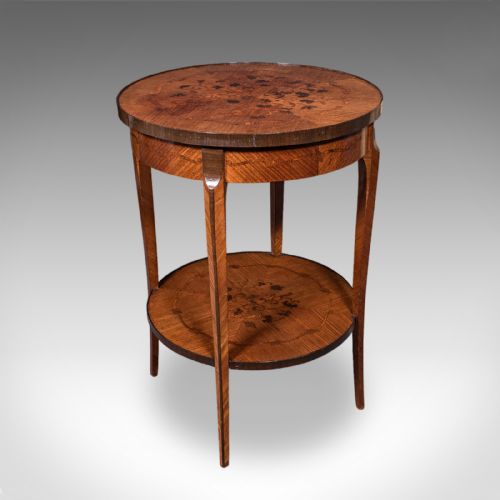
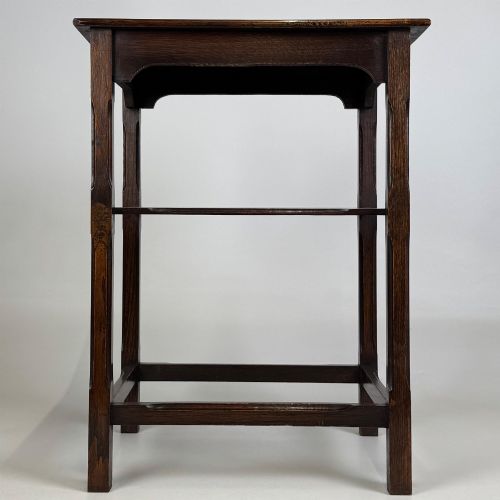
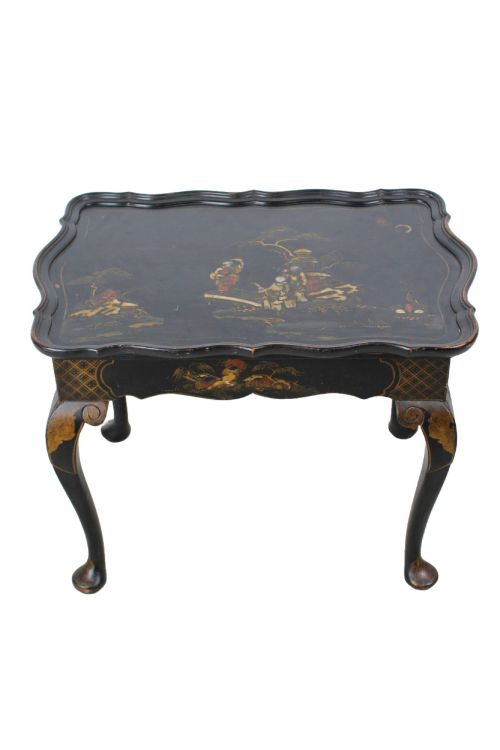
The assortment includes occasional tables, nests of tables, plant stands and tray top coffee tables. Mahogany and oak dominate the selection, often complemented by satinwood, walnut and rosewood veneers.
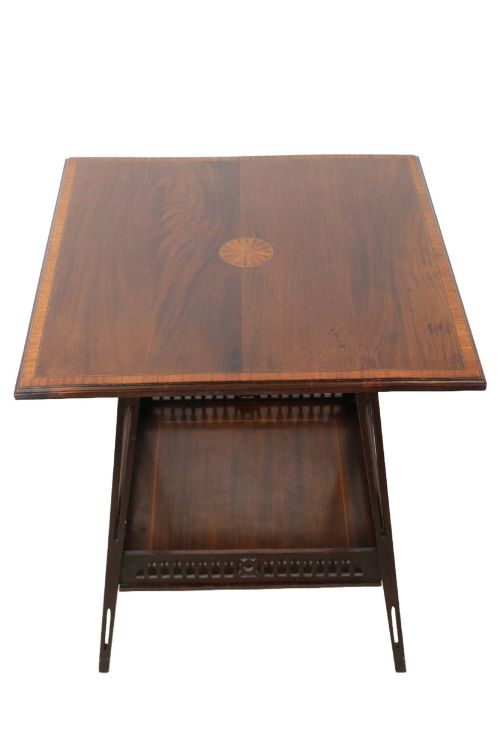
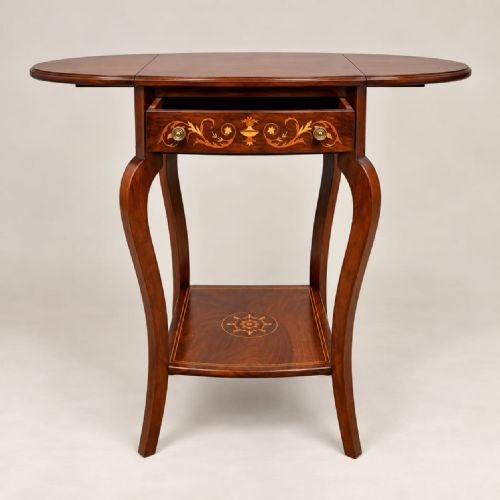
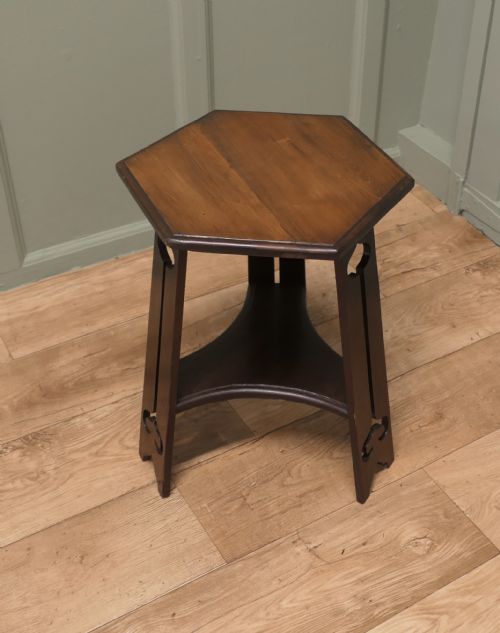
Makers utilised styles ranging from plain Arts and Crafts construction to Sheraton Revival inlay and Chinoiserie decoration. These pieces provide functional surfaces while displaying the domestic tastes of the early twentieth century.
Distinctions in Quality and Craftsmanship
The standard of a piece rests upon the selection of timber and the precision of its construction. Figured mahogany and carefully matched veneers indicate a higher grade of manufacture than plain, utility-grade deal or secondary woods.
Execution of decorative details separates standard workshop output from finer examples. Crisp carving, precise inlay work and stable, well-fitted joints demonstrate superior cabinetmaking skill.
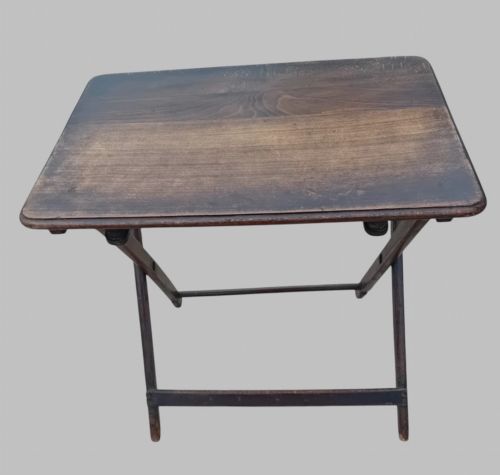
Some folding campaign tables include hidden brass hinges designed to pack flat for nineteenth-century military expeditions.
Trevor Page & Co·Liberty & Co·William Birch
The Edwardian Wooden Side Table Glossary
- Satinwood
- A durable hardwood from the tropics with a lustrous, golden sheen. It was frequently used as a veneer or for stringing lines on Edwardian tables.
- Tray Top
- A table top finished with a raised rim or gallery around the edge. This design prevented items from sliding off the surface during use.
- Nest of Tables
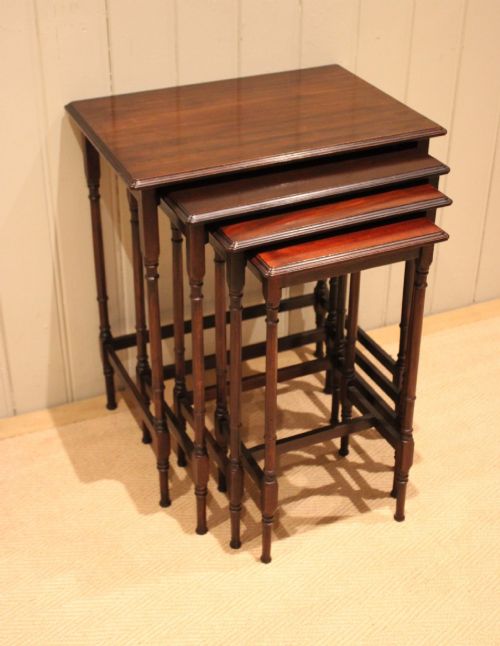
- A set of graduated tables designed to fit neatly one beneath another. They saved floor space in smaller Edwardian drawing rooms.
- Barley Twist
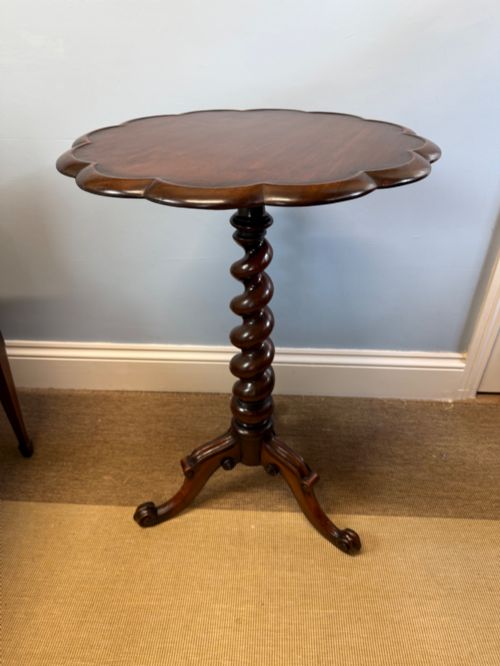
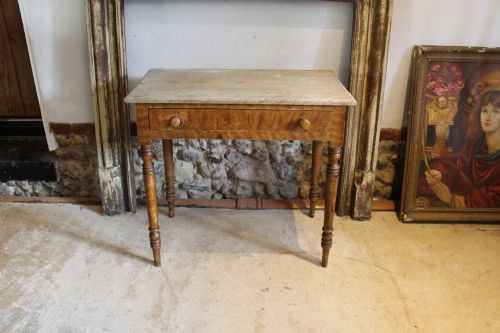
- A turned wooden furniture leg resembling a twisted rope. This decorative turning method appeared frequently on oak tables from the period.
- Campaign Style
- Portable furniture originally designed for military officers on travel. These pieces often feature folding frames and brass corners for durability.
Edwardian Wooden Side Table: Frequently Asked Questions
What is an edwardian wooden side table used for?
These tables served multiple functions in homes of the period, holding bedside lamps, tea trays or reading materials. Their compact proportions allowed them to move easily between rooms as needed.
Today, they perform similar roles in modern interiors, fitting neatly beside sofas, armchairs or beds where larger furniture would overwhelm the floor space.
How do I identify an Edwardian piece?
Edwardian furniture typically dates from the reign of King Edward VII between 1901 and 1910, though the broader Edwardian era encompasses the years from 1890 to 1920. Pieces often show lighter timber tones and Sheraton Revival influences.
Construction clues include machine-sawn timber combined with hand-finished details, lighter mahogany or oak frames, and delicate satinwood inlay rather than heavy Victorian carving.
Are nest of tables Edwardian?
Nests of tables were exceptionally popular during the Edwardian period as space-saving furniture for drawing rooms and parlours. Makers produced them in sets of three, four or five.
They allowed households to pull out extra surfaces when entertaining guests and stack them away compactly when not in use.
How should I care for a wood table?
Polished wooden surfaces benefit from occasional applications of natural beeswax to nourish the timber and protect the finish. Avoid placing tables near direct heat sources or strong sunlight.
Use coasters under glasses and damp cloths for cleaning to prevent water rings and preserve the antique polish over time.