




Antique Parlour Game Set
An antique parlour game set brings home the social past, offering wood boxes, bone pieces and table play from Victorian and Edwardian parlours.
Antique Parlour Game Set
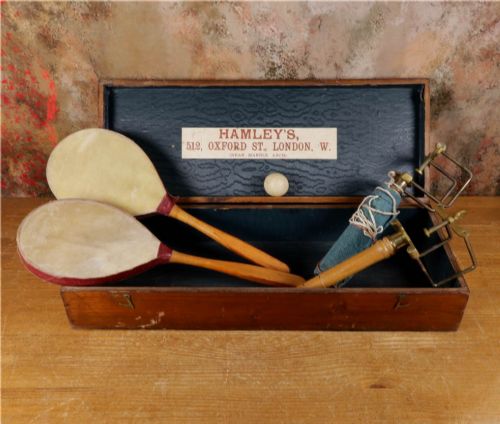
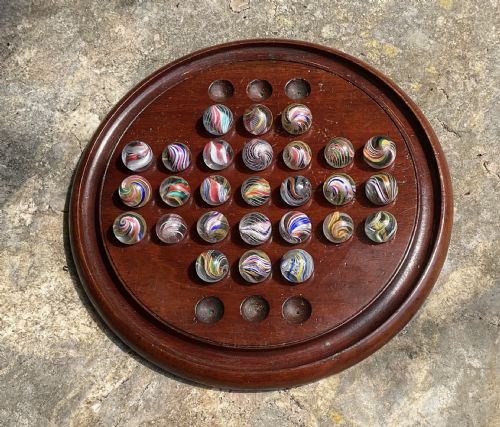
An antique parlour game set comprises indoor social pastimes housed in boxes, boards and travel containers, dating primarily from the Victorian and Edwardian eras. Buyers searching for an antique parlour game set encounter diverse pastimes ranging from table croquet and squails to chess, dominoes and carpet bowls.
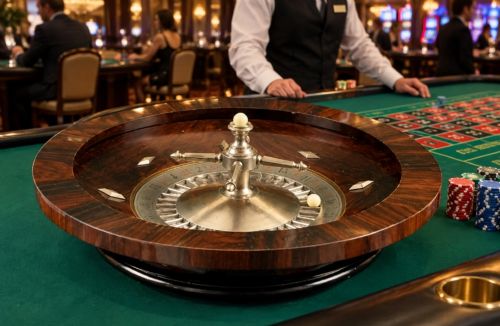
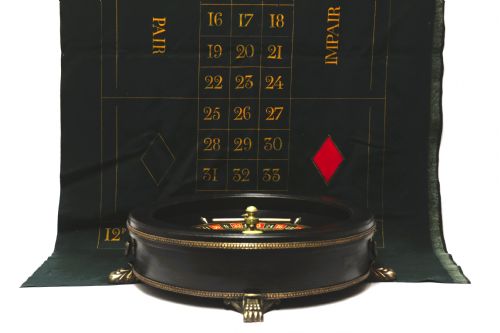
The selections span standard English pastimes alongside French roulette wheels and Chinese mahjong sets from the early twentieth century. Most examples date from the nineteenth century up to the nineteen twenties, reflecting the leisure habits of earlier households.
Companionship and entertainment drive the demand for these items, which range from compact travelling sets to substantial rosewood games compendiums. Each grouping preserves physical evidence of domestic recreation through surviving counters, boards and original containers.
Materials and construction methods
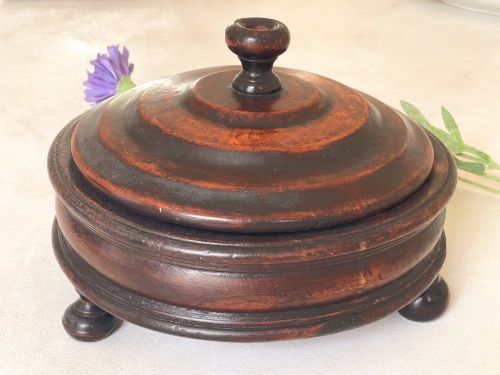
Wood forms the structural core of these pastimes, with rosewood, mahogany, pine, laburnum and boxwood shaped into compendiums, roulette wheels, solitaire boards and chess sets. Cabinetmakers utilised denser hardwoods to withstand frequent handling during evening entertainment.
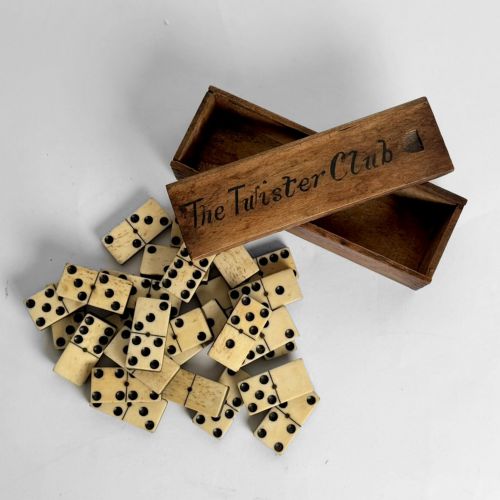
Bone and brass supplement the wooden elements, appearing in miniature dominoes, weighted chess sets, roulette components and gaming equipment fittings. Vellum, cotton and felt provide playing surfaces and interior linings for boxed sets and table cloths.
Antique Parlour Game Set Retail Price Guide 2026
Typical asking prices for parlour game set among the pieces listed under this phrase on Sellingantiques today, from the lower quarter to the upper quarter. They describe what is for sale here now, not the wider market.
The documented object types span parlour games, games sets, gaming equipment, carpet bowls, sporting memorabilia, games boards, games boxes and solitaire boards.
Distinctions in craftsmanship and survival
Quality separates mass production from finer cabinetmaking, visible in the selection of timbers such as solid rosewood or figured mahogany against plain pine. The precision of turned chess pieces, weighted Staunton designs and hand-carved bone elements determine the upper tier of execution.
Completeness dictates utility and interest, distinguishing sets retaining all original marbles, counters and matching bats from those with later replacements. The survival of maker stamps, original labels and designated wooden storage boxes preserves historical context.
Jaques & Hamleys Gossima·F.H.Ayres Ltd., London·British Chess Company
The Antique Parlour Game Set Glossary
- Compendium
- A comprehensive box containing multiple games, often featuring folding boards, cribbage pegs, chess pieces and dominoes in fitted tiers.
- Staunton
- The standard design for chess pieces created in the mid nineteenth century, featuring recognizable geometric proportions and a weighted base.
- Carpet bowls
- A indoor variation of outdoor lawn bowls, played on carpets using biased wooden or laburnum balls.
- Squails
- A Victorian table game where players flick flat wooden discs across a table towards a central target.
- Mahjong
- A tile-based game originating in China, played with sets of carved bone and bamboo tiles.
Antique Parlour Game Set: Frequently Asked Questions
How are antique games stored?
These pastimes typically reside in fitted wooden boxes, mahogany compendiums or original cardboard packaging designed to keep small pieces secure between uses.
Collectors keep sets in dry rooms away from direct sunlight to protect delicate vellum, paper labels and nineteenth century wooden surfaces.
Are these sets still playable?
Many surviving sets remain entirely functional for modern play, provided all original components like dominoes, marbles or chess pieces are present.
Careful handling is required for delicate bone items, antique felt cloths and eighteenth or nineteenth century wooden mechanisms.
What materials were used?
Craftmakers utilised dense timbers such as rosewood, mahogany, pine, laburnum and boxwood for boards, boxes and turned pieces.
Bone, brass, vellum, cotton and felt appear frequently in counters, chess pieces, roulette wheels and interior linings.
How do I identify periods?
Dating relies on construction styles, timber choices, typography on labels and recorded signatures from makers active during the Victorian and Edwardian eras.
Early Victorian items often feature heavier rosewood compendiums, while nineteen twenties pieces reflect shifts towards international travel and imported games like mahjong.