


Antique Paper Storage
Antique paper storage organises letters, documents and sheets using timber cabinets, brass racks and leather boxes from the Georgian, Victorian and Edwardian eras.
Antique Paper Storage
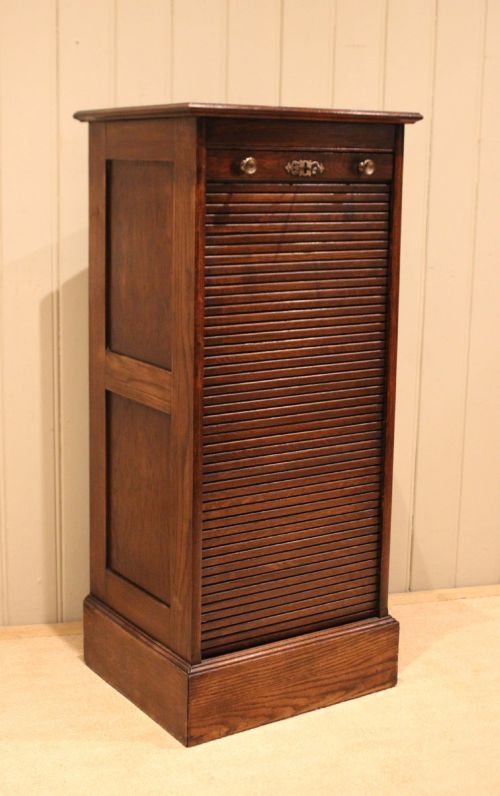
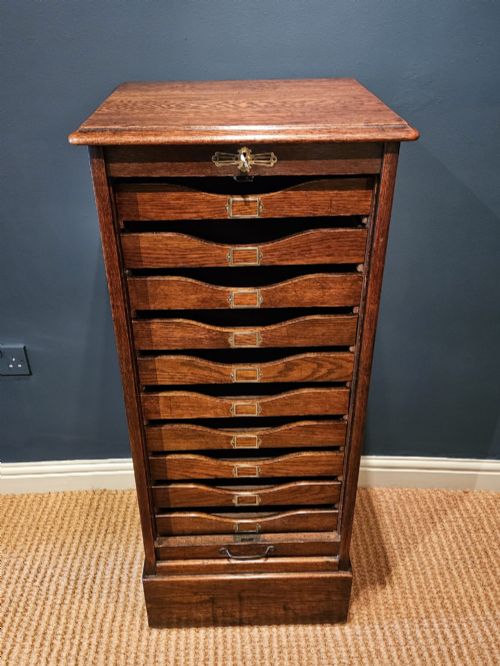
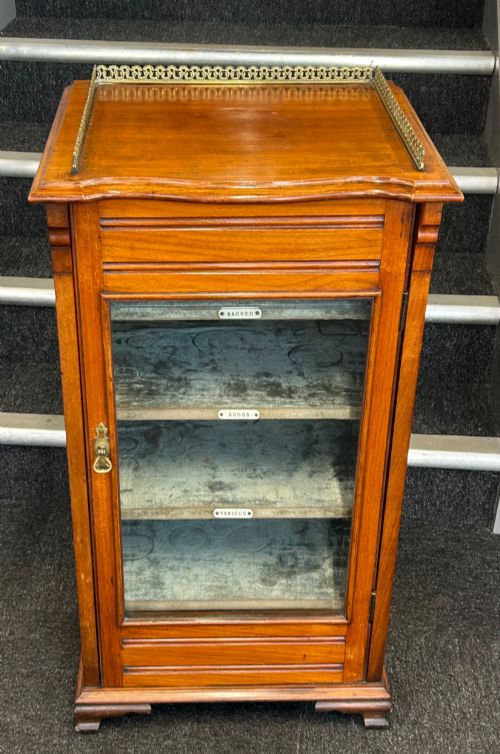
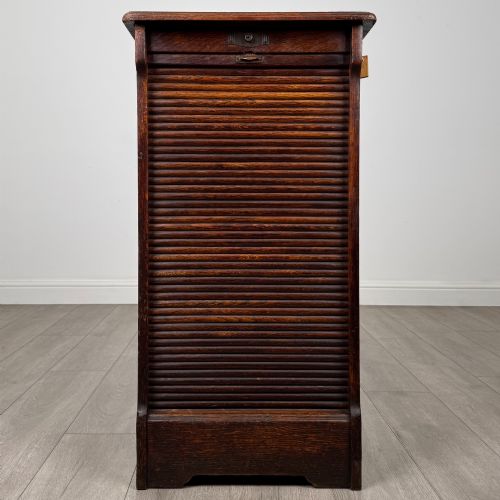
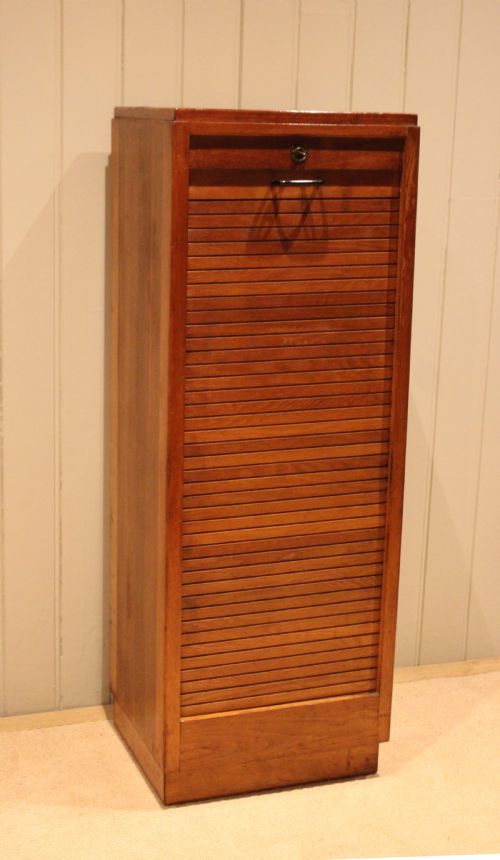
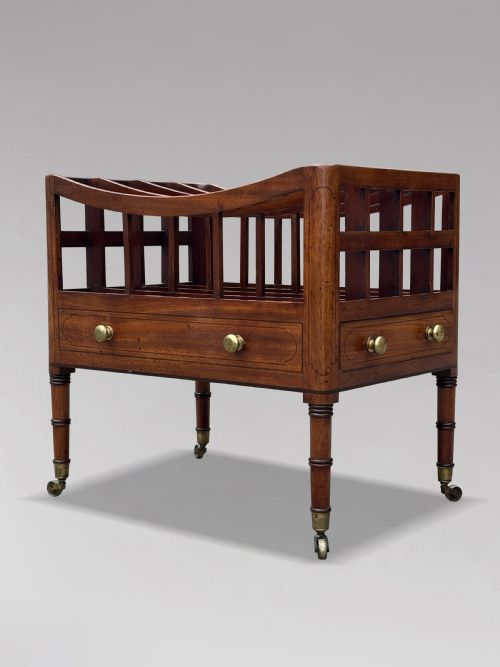
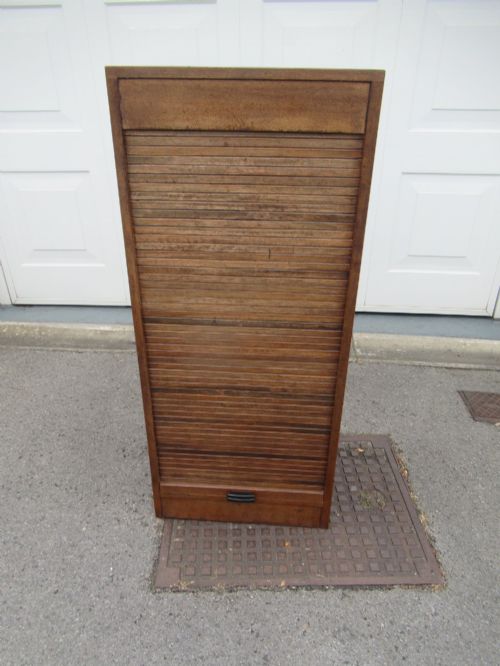
Antique paper storage encompasses cabinets, canterburys, boxes and racks designed to hold letters, documents, newspapers and music sheets. When exploring antique paper storage on this page, the most frequent discoveries are oak tambour front filing cabinets and mahogany or rosewood canterburys.
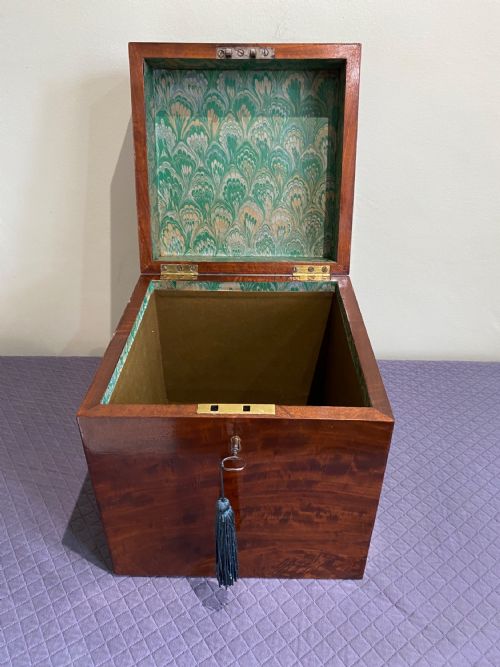
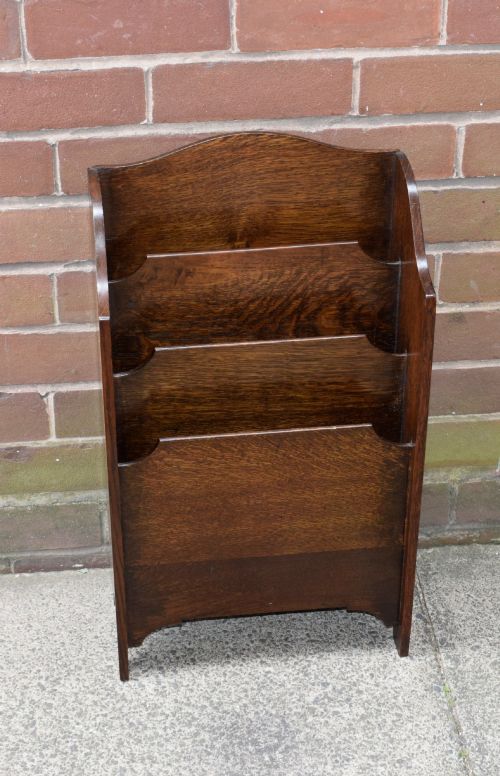
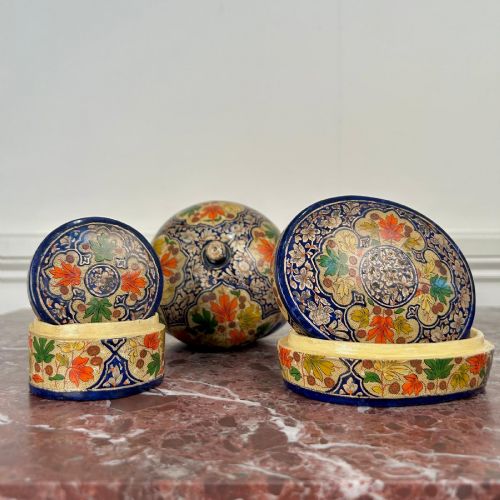
Makers across the eighteenth, nineteenth and early twentieth centuries produced these pieces in various regional styles, including Georgian, Regency, Edwardian, Arts and Crafts and French nineteenth-century designs. Forms range from compact desktop shelves and decorative boxes to multi-functional side cabinets and floor-standing magazine holders.
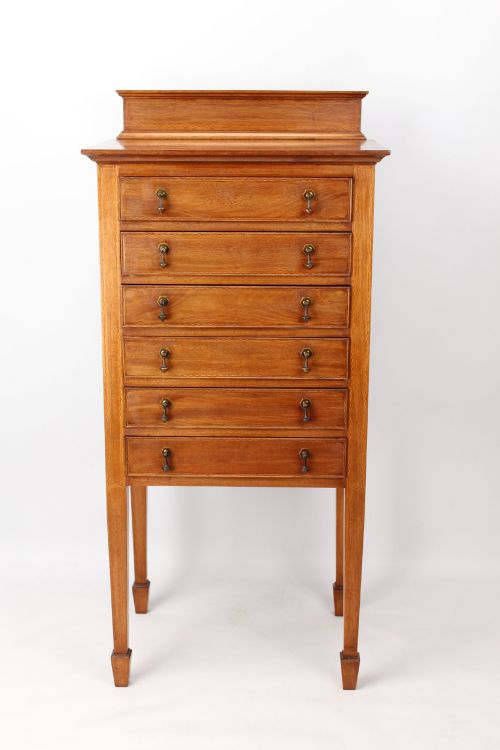
The selection reflects both domestic tidiness and office organisation through the decades. Walnut music cabinets and oak filing units sit alongside leather-lined cartonniere cabinets and brass-accented bins.
Materials and Construction
Craftsmen utilised solid hardwoods and selected veneers, predominantly oak, mahogany, walnut, rosewood, fruitwood and kingwood, often enhanced with brass hardware, leather panels or ormolu mounts. Tambour cabinets incorporate individual wooden slats running in tracks to conceal internal filing spaces.
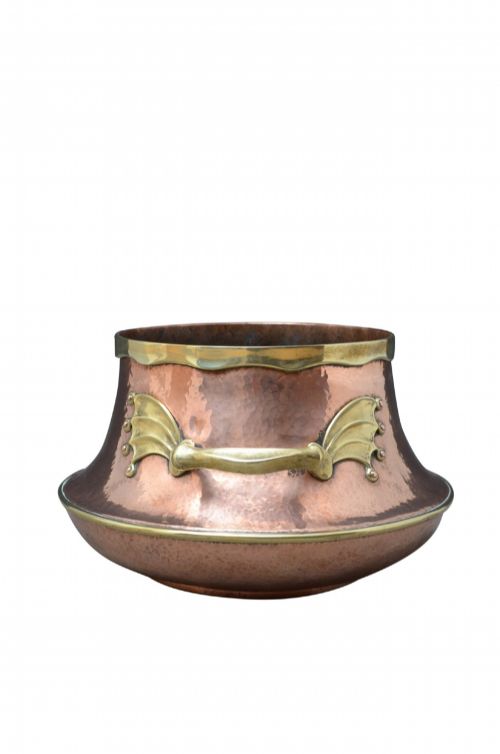
Joinery techniques combined traditional framing with specialised mechanisms for sliding doors, hinged partitions and compartmentalised drawers. Decorative touches such as inlay, ebony banding and hand-beaten copper surface treatments distinguished finer items from utilitarian office furniture.
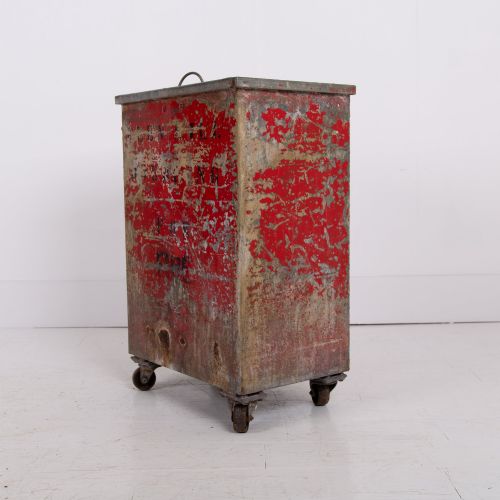
A vintage fire bin on wheels preserves an industrial past straight from the Richard Arkwright Masson Mills.
Assessing Quality
Quality rests upon the selection of timber figures, the precision of cabinet joinery and the integrity of moving mechanisms like tambour doors and drawer runners. Superior examples display carefully matched grain patterns, solid secondary woods and restrained decorative details such as fine stringing or quality brass mounts.
Coarser items sacrifice refinement in timber selection and rely on heavier, utilitarian construction intended strictly for office environments. The distinction between domestic refinement and commercial utility governs the character of each piece.
The Antique Paper Storage Glossary
- Canterbury
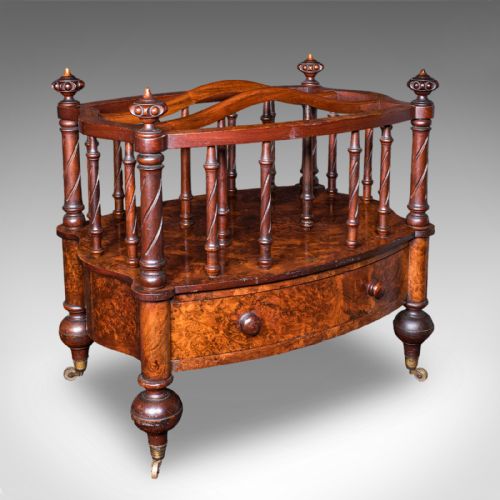
- A low stand featuring slatted divisions for holding newspapers, magazines or sheet music, often fitted with a drawer below and small castors. Originating in the eighteenth century, these pieces served sitting rooms and parlours.
- Tambour
- A flexible shutter door formed of narrow wooden strips glued to a canvas backing, allowing it to slide smoothly around a curved track. This mechanism conceals filing compartments efficiently in tight spaces.
- Cartonnier
- A stationary cabinet fitted with multiple horizontal compartments or pigeonholes designed to hold unbound papers and files. French examples frequently incorporate leather labels and decorative mounts.
- Folio Cabinet
- A specialised piece of furniture built to store large sheets of paper, prints or drawings flat. These cabinets protect delicate works from creases and light exposure.
- Inlay
- A decorative technique where contrasting woods, metals or shells are set flush into the primary surface of a cabinet. This method defines panel borders and top surfaces on finer furniture.
Antique Paper Storage: Frequently Asked Questions
What is a tambour cabinet?
A tambour cabinet uses flexible wooden slats running on concealed tracks to slide open and shut. This mechanism allows access to internal filing shelves without requiring clearance space for hinged doors.
Such designs became popular in offices and libraries during the late nineteenth and early twentieth centuries. They combine functional document storage with compact spatial efficiency.
How do I use a canterbury?
A canterbury holds current newspapers, magazines and sheet music upright in slatted divisions near seating areas. The lower drawer provides additional storage for smaller stationery items.
Placed beside a desk or armchair, it keeps daily reading material organised and accessible. Original castors allow easy repositioning across the room.
What fits in a cartonnier?
A cartonnier accommodates letters, unbound documents and files within its tiered pigeonholes or drop-front compartments. French variants often feature leather-trimmed shelves designed for correspondence.
These units suit tabletops or sideboards where paperwork requires sorting by category. They offer structured desktop organisation without bulky drawers.
How do I date a piece?
Dating relies on timber choices, construction methods, hardware styles and prevailing decorative motifs. Georgian and Regency pieces favour mahogany and rosewood with classical proportions, while Edwardian items frequently employ oak and walnut with simpler lines.
Examining secondary woods inside drawers and the style of hinges provides further chronological clues. Comparing these details against known period styles clarifies the manufacturing era.