


Antique Panel Design Rug
An antique panel design rug brings structured geometric and architectural motifs into a room, offering tactile warmth and centuries of weaving heritage.
Antique Panel Design Rug
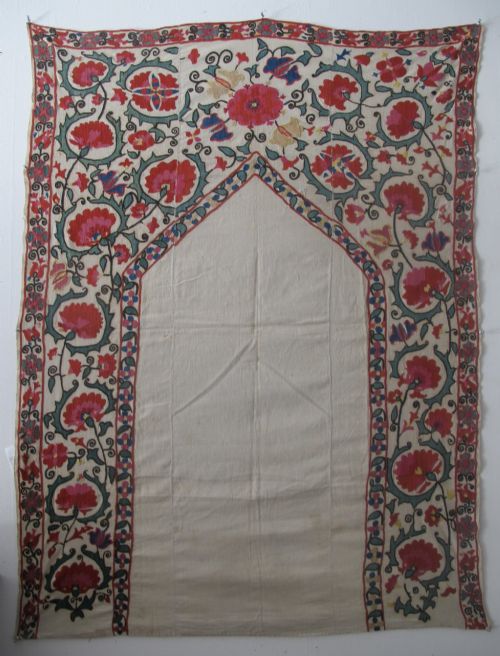
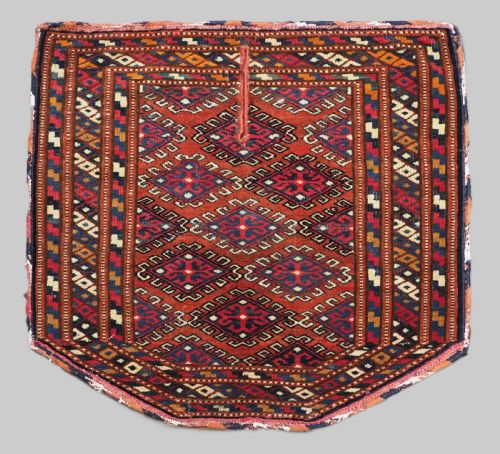
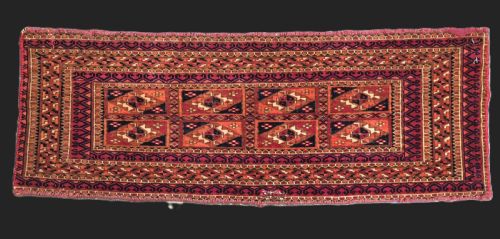
An antique panel design rug encompasses tribal textiles, storage bags, and wall hangings structured around geometric compartments, architectural layouts, and medallion grids. Buyers encountering this search phrase find Turkmen torbas, Uzbek suzanis, and Persian village rugs dating from the mid-nineteenth century through the early twentieth century. These pieces divide their surfaces into distinct compartments, such as repeating guls, tile patterns, or banded flatweave arrangements.
The regional origins span Central Asia, Persia, and Anatolia, featuring tribal traditions from Yomut, Tekke, Ersari, and Chodor weavers alongside urban workshops. Common formats include small saddlebags, torba faces, and larger carpets displaying compartmentalised garden layouts or architectural structures. Each piece reflects the specific decorative vocabulary of its maker and community, executed in wool, cotton, or silk.
The selection ranges from nomadic storage faces utilising banded flatweaves to finely embroidered Suzani panels from Uzbekistan. These textiles served functional roles in nomadic tents and settled homes alike, functioning as bedding bags, saddle covers, or decorative wall furnishings. Their enduring appeal lies in the rhythm of the repeated panels and the graphic strength of the compartmentalised designs.
Materials and construction methods
Weavers constructed these textiles primarily using hand-spun wool and cotton foundations, occasionally incorporating silk and felt applique work for detailed embroidery. Natural vegetable and mineral dyes provided the saturated reds, indigos, and golds that define the palette of these nineteenth and early twentieth-century pieces. The technical execution varies from pile knotting and soumak wrapping to flatweave tapestry and intricate needlework.
Nomadic and village workshops relied on locally sourced materials, spinning the fleece by hand before applying traditional mordants to fix the colours. Embroidered Suzanis utilised silk thread stitched onto cotton or linen foundations, whilst Turkmen torbas and mafrashes combined pile-woven faces with flatwoven backs. The durability of these pieces stems from dense knotting, sturdy weft-faced structures, and tight needlework.
Current listings feature textiles from the nineteenth and early twentieth centuries, spanning wool, silk, and natural dye palettes across Central Asian and Persian traditions.
Judging quality and craftsmanship
Quality in these textiles depends upon the precision of the compartment geometry, the saturation and depth of the natural dyes, and the fineness of the spin. Superior examples exhibit crisp secondary motifs within each panel, well-balanced proportions, and tight structural weaves that maintain their integrity over generations. Artisanal skill appears in the meticulous execution of repeating guls and the harmonious interaction of contrasting border bands.
The handling of colour gradation, known as abrash, often distinguishes masterwork pieces from standard village production, showing subtle shifts in hue that enrich the visual texture. Superior embroidery or knot density allows complex architectural and garden layouts to remain sharp and legible across the entire textile surface. The integrity of the foundational materials and the retention of original borders further elevate the standing of any given piece.
The Antique Panel Design Rug Glossary
- Gul
- A primary medallion or repeating octagonal motif used extensively in Turkmen tribal rugs. These motifs often identify the specific tribe or clan that wove the textile.
- Torba
- A small storage bag produced by nomadic tribes for domestic use inside a yurt or tent. They typically feature panel or medallion designs on the visible face.
- Soumak
- A flatweave technique utilising a wrap-and-weft method that creates a durable fabric with a braided texture on the face and loose threads on the reverse.
- Mafrash
- A rectangular storage sack or bedding bag woven by nomadic groups, often utilised in pairs for transport on camels or horses.
Antique Panel Design Rug: Frequently Asked Questions
What is an antique panel design rug?
An antique panel design rug is a hand-woven or embroidered textile featuring a surface divided into geometric compartments, architectural motifs, or repeating medallions. These pieces originate primarily from Central Asian, Persian, and Anatolian weaving traditions.
They encompass tribal torbas, Suzani hangings, and village carpets produced during the nineteenth and early twentieth centuries. The structured layout separates distinct decorative elements into organised visual grids.
How were these rugs used originally?
Nomadic and village communities utilised these textiles for daily domestic storage, transport, and interior decoration within tents and homes. Many pieces functioned as bags for bedding, clothing, or saddles rather than floor coverings.
Over time, collectors repurposed these functional items as decorative wall hangings and small accent rugs due to their striking graphic compositions. Their original utility dictated their durable construction and specific sizing.
How do I identify the regional origin?
Regional attribution relies on specific structural characteristics, colour palettes, and repeating motifs such as guls or tile patterns. Turkmen weavings frequently display octagonal motifs in deep reds, while Uzbek Suzanis showcase floral and architectural embroidery on light grounds.
Persian village pieces often incorporate compartment layouts influenced by garden designs or regional tribal traditions. Comparing the knotting technique or embroidery style helps pinpoint the workshop or nomadic group.
How should I care for an antique textile?
Care involves protecting the textile from direct sunlight to preserve natural dyes and preventing heavy foot traffic if used as a rug. Gentle vacuuming without a beater bar removes dust safely from the wool or cotton pile.
Professional textile conservationists should handle any deep cleaning or structural repairs to maintain the integrity of the original fibres. Proper airflow and stable indoor humidity prevent the natural materials from degrading.