



Antique Pair Reading Lamps
These antique pair reading lamps bring directional illumination and period character to a room, offering matched design and practical utility.
Antique Pair Reading Lamps
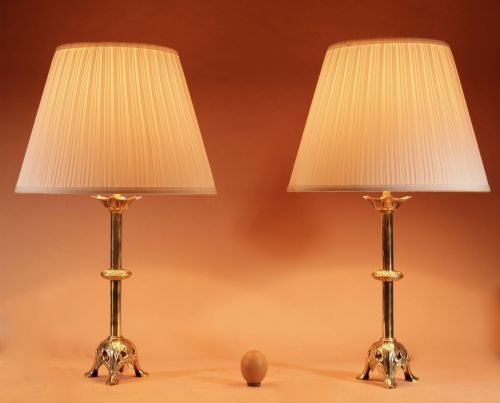
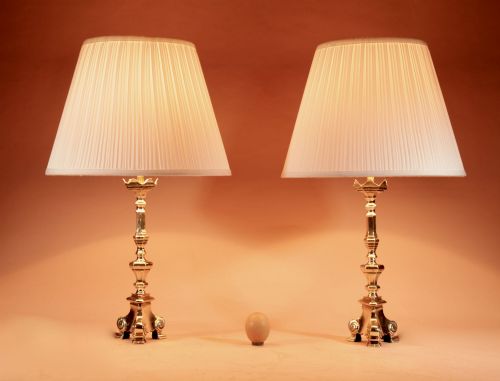
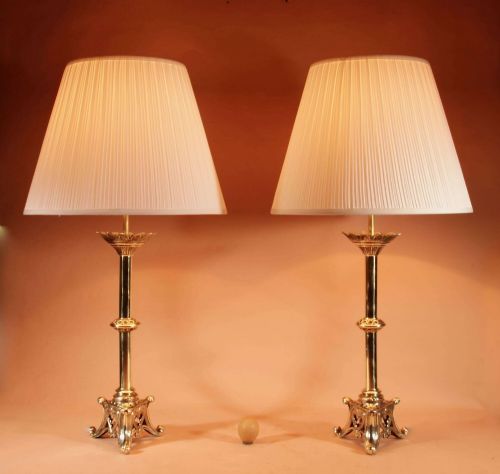
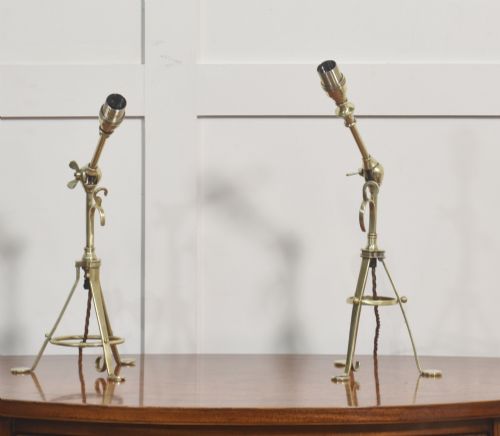
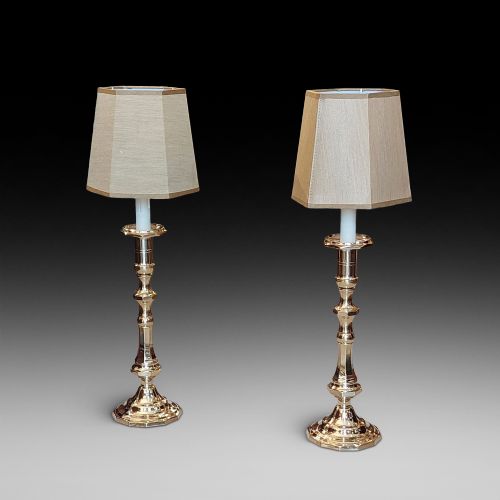
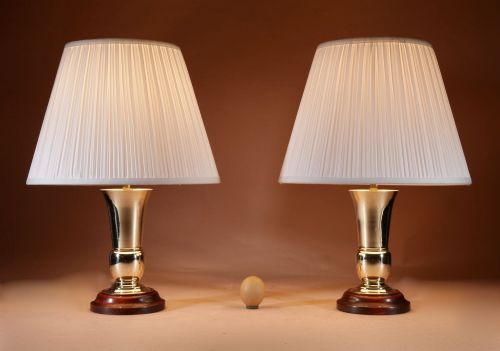
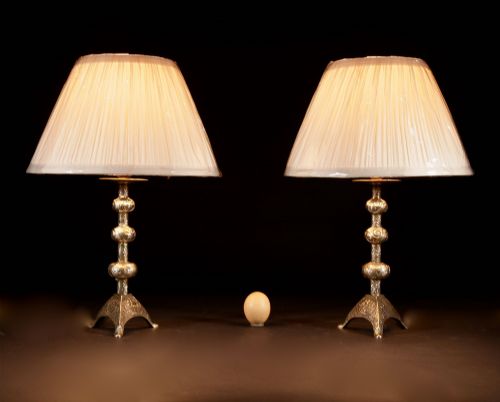
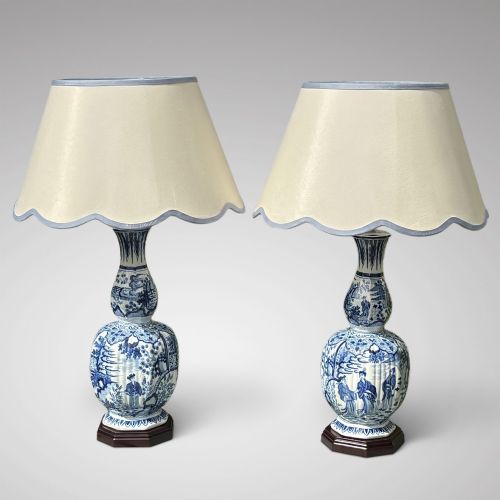
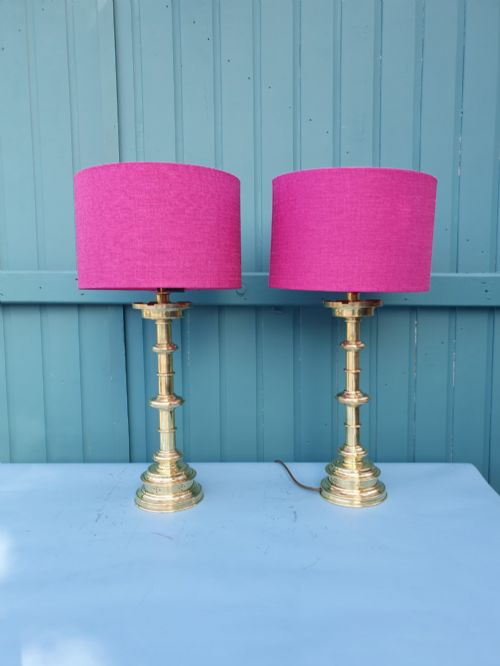
When you search for antique pair reading lamps, you encounter matched pairs designed to provide focused light for tasks, desks, or seating areas. These lighting fixtures take various forms, including table lamps, floor lamps, desk lamps, and adapted candlesticks.
The selections span multiple eras, most frequently appearing in Victorian, Edwardian, and early twentieth-century designs. You also meet pieces styled in Neoclassical, Art Deco, and Arts and Crafts aesthetics, utilising brass, bronze, and wood.
How they were made
Makers utilised cast and spun brass, bronze, and ormolu as primary structural metals, often combining them with mahogany, giltwood, or nickel plating. Metal components were frequently turned on lathes or cast in moulds to achieve architectural columns and swan neck profiles.
Finishing techniques involved polishing, silver plating, and gilding, while shades incorporated materials like fabric and silk. Many pieces were originally produced as oil or gas lighting before undergoing conversion to electricity in later periods.
Antique Pair Reading Lamps Retail Price Guide 2026
Typical asking prices for pair reading lamps among the pieces listed under this phrase on Sellingantiques today, from the lower quarter to the upper quarter. They describe what is for sale here now, not the wider market.
Listings feature brass as the most common material, alongside bronze, glass, and wood across multiple decades.
What varies in quality
The standard of these lamps is determined by the weight of the metal casting, the crispness of applied detail, and the integrity of the original construction. Heavier brass and bronze assemblies with well-defined ornamentation reflect superior manufacturing standards.
Subtleties in proportion and the quality of secondary materials, such as polished mahogany bases or substantial ceramic and glass elements, distinguish finer examples. The retention of original mechanisms, finishes, and matched components further defines the upper tier of quality.
W.A.S. Benson·Wild & Wessel·William McGeoch & Co·Jumo
The Antique Pair Reading Lamps Glossary
- Ormolu
- Gilt bronze, where a finely ground high-carat gold mercury amalgam is applied to a bronze object. This decorative technique was popular in Regency and neoclassical lighting designs.
- Corinthian Column
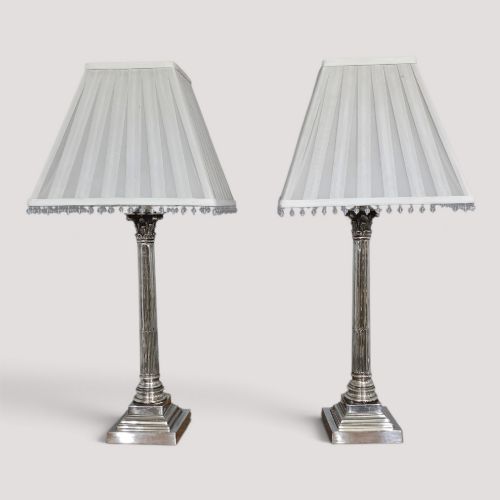
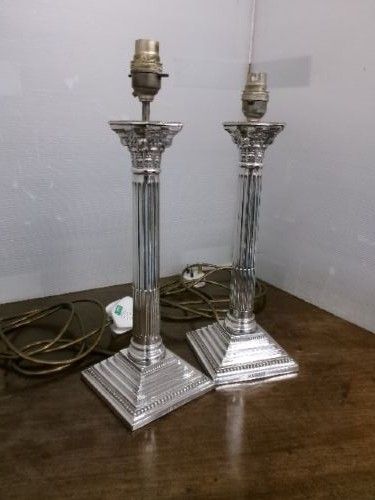
- An architectural order featuring an ornate capital decorated with acanthus leaves. Many late nineteenth-century table lamps adopted this classical column form in brass or silver plate.
- Gimbal
- A pivoted ring mounting that allows a lamp to remain level regardless of motion. These fittings appear on maritime ship lights designed for vessels.
- Swan Neck
- A curved metal arm resembling a swan's neck, directing the light source downward. This profile is typical on adjustable desk lamps from the Edwardian era.
- Candlestick Lamp
- A lighting fixture created by converting an existing pair of candlesticks into lamps. They retain the slender profile of traditional candlesticks while incorporating electrical wiring.
Antique Pair Reading Lamps: Frequently Asked Questions
How do I choose the right height?
Consider where the light source will sit relative to your seating or desk surface. Floor lamps suit larger corners, whereas table and desk variants require appropriate surface depth.
Matching the scale of the room to the height of the standard ensures the proportions remain balanced and visually pleasing.
Can I replace the fabric shades?
Shades are frequently replaced to suit modern interiors or to match existing decor schemes. Silk and fabric shades sit atop standard fittings easily.
Retaining original shades is desirable for collectors, but new textiles do not diminish the structural value of the underlying metalwork.
How do I date an antique brass lamp?
Dating relies on stylistic clues, manufacturing techniques, and material choices associated with periods like the Victorian or Edwardian eras. Heavy casting methods and specific switch types offer reliable chronological indicators.
Comparing the proportions and decorative motifs against known historical styles helps establish the approximate decade of manufacture.